





 Portuguese
  English
  Spanish
 4 min of reading
  0 comments


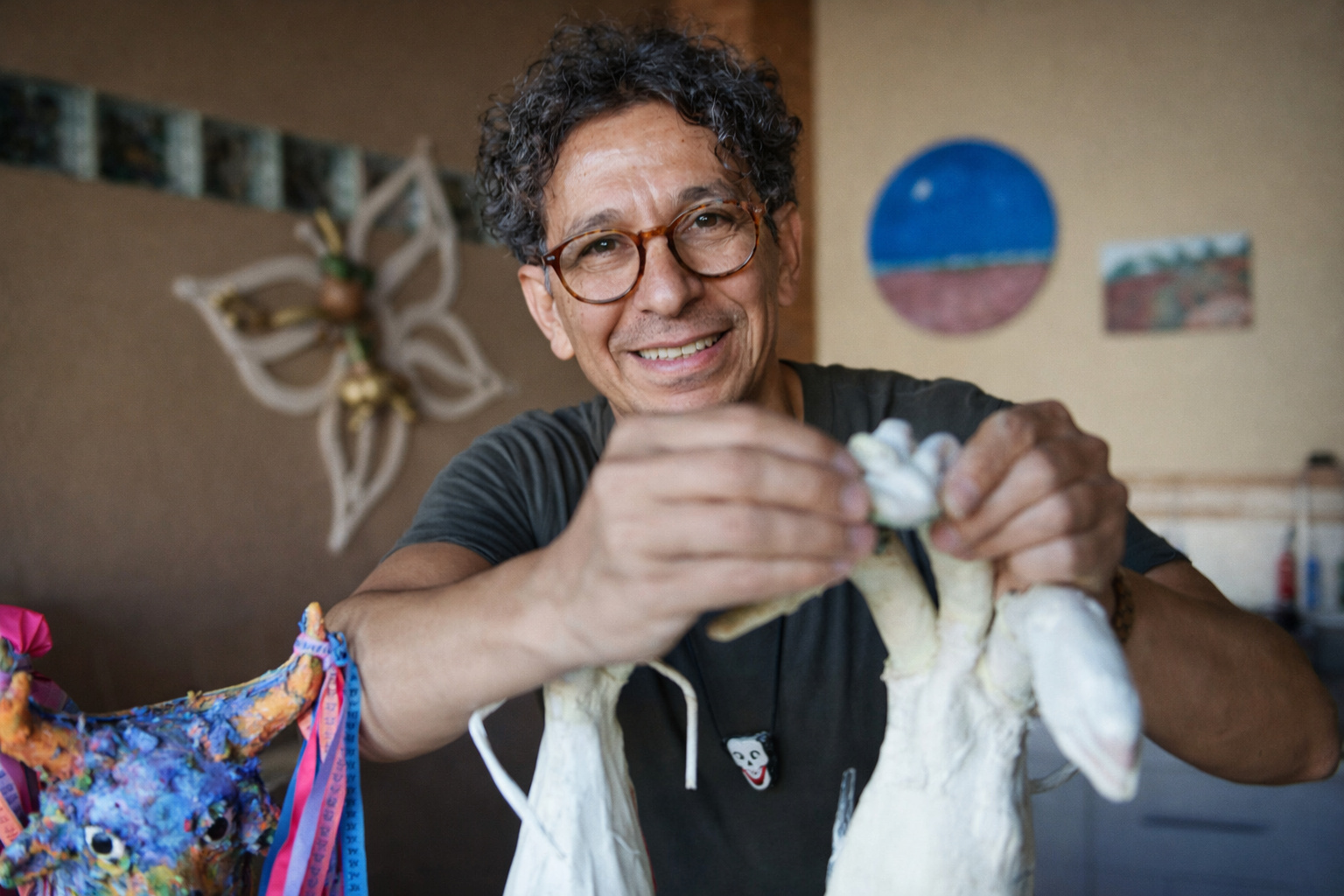
With Traditional Papier-Mâché Technique, Artist from Lençóis Paulista Creates Accessories Inspired by Brazilian Popular Culture and Boosts Crafts as a Source of Income and Regional Identity
The Carnival moves colors, sounds, and emotions throughout Brazil. However, behind the shine of costumes and the explosion of creativity, there is manual work that keeps the essence of Brazilian popular culture alive. In Lençóis Paulista (SP), master craftsman Antônio Marcos da Silva transforms newspaper and starch glue into masks and large dolls that enchant revelers and reinforce the value of crafts as cultural heritage and a source of income.
The information was disclosed by the portal “g1”, in a report produced by g1 Bauru and Marília, with images from TV TEM. According to the article, the artist uses a technique called papier-mâché to create carnival accessories inside his own home, especially during the period when orders increase with the arrival of the holiday.
Papier-Mâché: Simple Technique That Brings Masks and Large Dolls to Life

Papier-mâché is an artisanal technique that uses strips of newspaper soaked in a mixture of water and cornstarch. Then, the craftsman applies the strips over pre-molded structures, forming layers that, after drying, gain strength and a definitive shape.
-
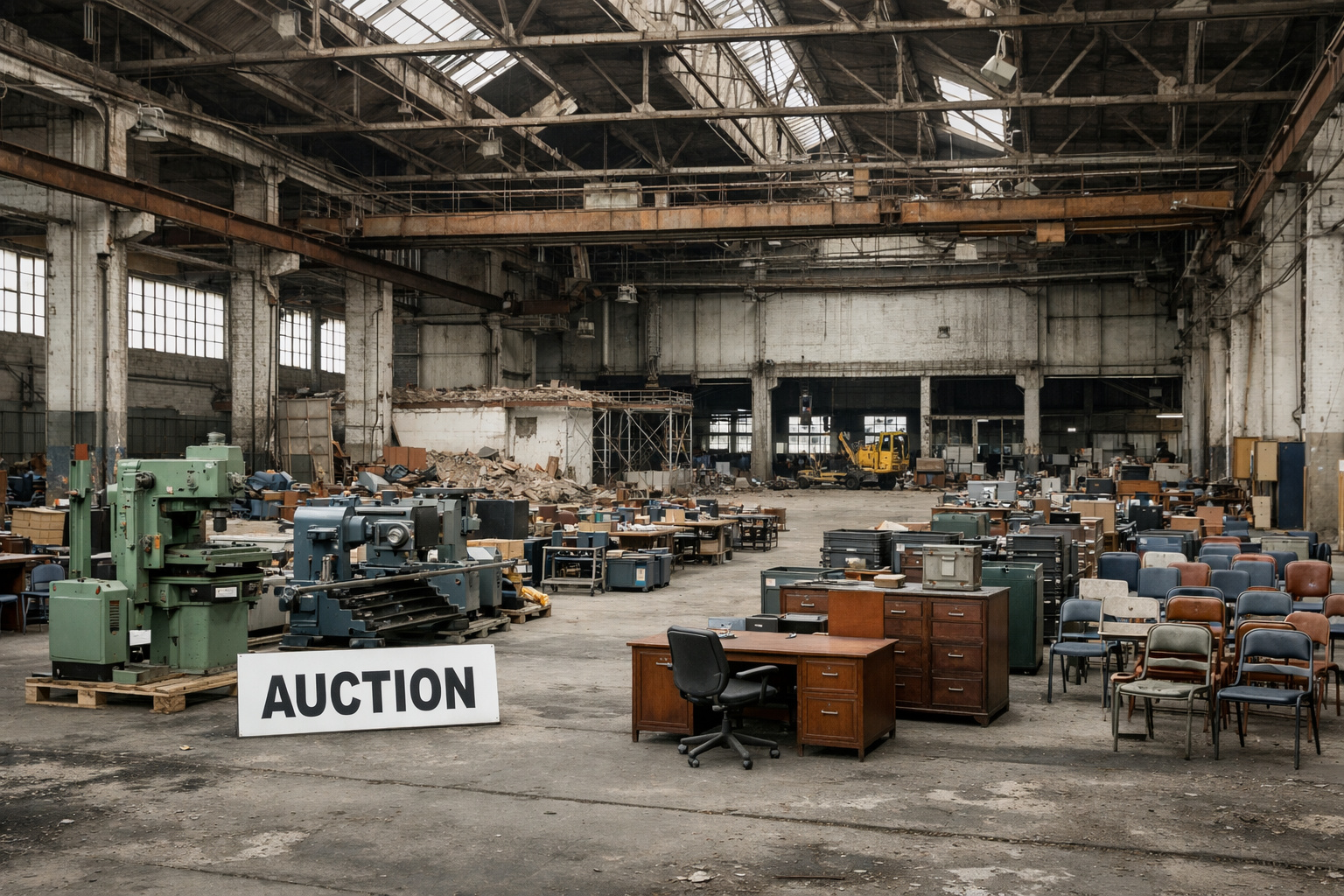
Historic bankruptcy of Centauro shocks the market, and the century-old company puts more than 500,000 products, machines, and complete infrastructure up for online auction.
-
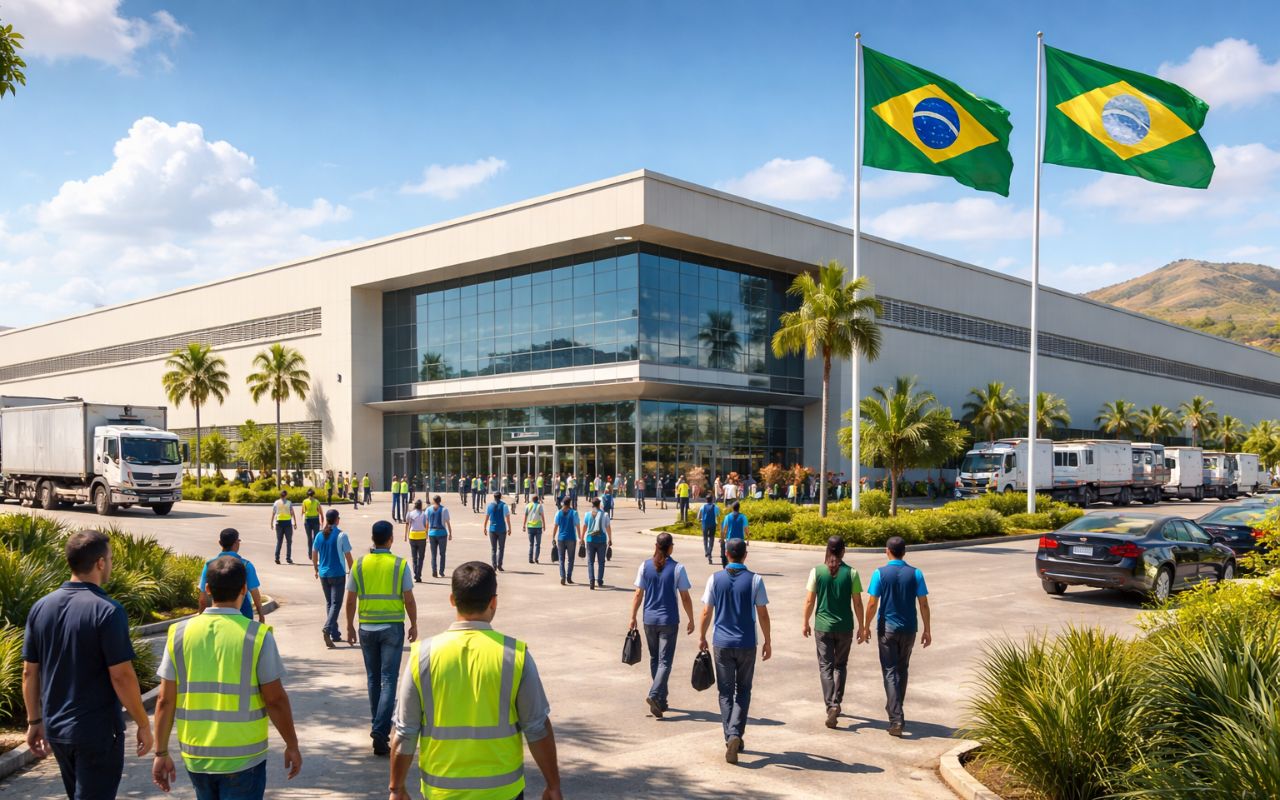
New shoe factory in Ceará is expected to create 400 jobs and strengthen the local economy.
-
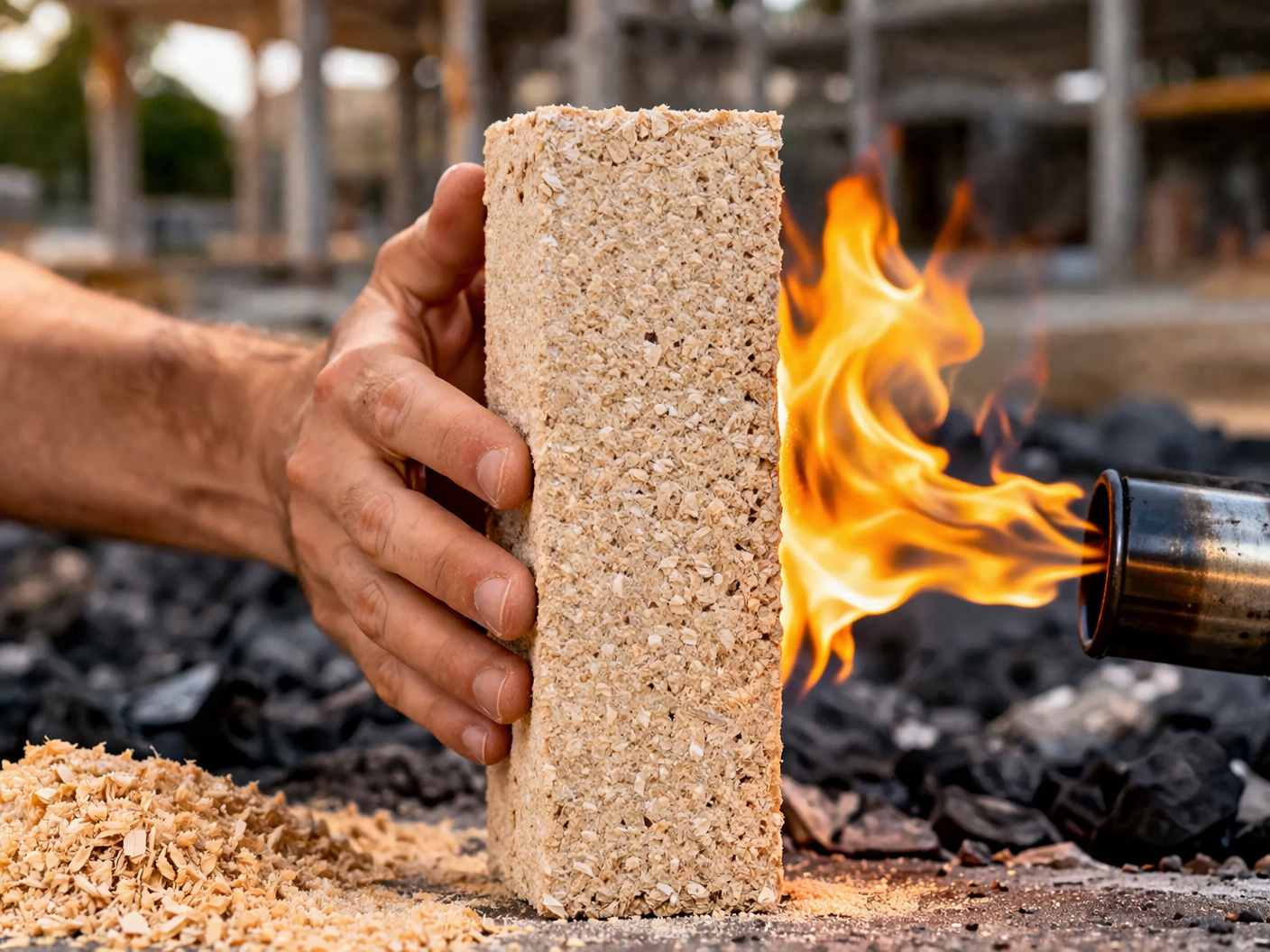
No one imagined it, but a mixture of sawdust with a mineral that fights fires surprises scientists with a result that changes the course of fire-resistant construction.
-
From empty land to a high-end house, wooden construction uses a lightweight system, metal structure for the foundation, ventilated ceramic cladding, and special windows to create an efficient and comfortable living space throughout the year.


Contrary to what many might think, a sophisticated studio is not necessary to produce impactful pieces. Antônio Marcos works with accessible materials and transforms what would be discarded into art. Furthermore, he develops sculptures, masks, and large dolls inspired by Brazilian popular culture.
According to the craftsman himself, inspiration comes from traditional manifestations of the interior of Brazil. He cites bonfires, dances, and references from Brazilian Popular Music as elements that fuel his creativity. Thus, each piece carries not only aesthetics but also emotional memory and cultural identity.
As Carnival approaches, orders increase significantly. Therefore, in addition to producing, the artist also rents carnival accessories and conducts workshops, sharing knowledge with others interested in learning the technique.
Crafts as Culture, Memory, and Income Generation
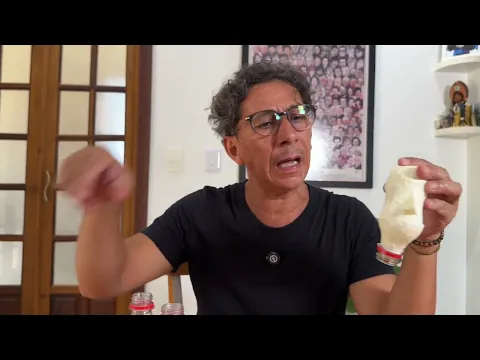

Antônio Marcos’s work goes beyond producing accessories. He integrates the Artisan Entrepreneur Program, an initiative from the São Paulo State Department of Economic Development, which recognizes crafts as a strategic cultural and economic activity.
In addition, due to his technical mastery and work in training new generations, the professional received the title of master craftsman from the Brazilian Handicraft Program (PAB). This recognition reinforces the importance of traditional knowledge transmitted practically and continuously.
For him, the value of crafts is not just in the final object. On the contrary, it lies in the narrative and symbolism that each piece carries. When acquiring a handcrafted item, the buyer takes with them a story, a memory, and an emotional connection. Unlike an industrialized product, a handcrafted object establishes a permanent dialogue with its user.
Consequently, crafts strengthen not only the local economy but also the cultural identity of communities. In cities in the interior of São Paulo, such as Lençóis Paulista and Bauru, this production intensifies especially during the carnival period.
Exclusive Accessories Boost Carnival in the Interior of São Paulo
While Antônio Marcos invests in masks and large dolls, other professionals also find an opportunity for income in the Carnival. In Bauru (SP), for example, manicurist Amanda Bonfim diversifies her work and produces exclusive accessories for the celebration.
Among the most sought-after items are ribbon earrings, shoulder pads, crochet tops, and shiny pieces. According to her, exclusivity is one of the main differentiators. Each piece is unique, ensuring the customer feels a sense of authenticity during the festivities.
Thus, Carnival not only celebrates popular culture but also boosts small entrepreneurs and artisans in the region. At the same time, it stimulates the creative economy and strengthens local productive chains.
Therefore, the handcrafted work with newspaper and starch glue reveals something greater: the ability to transform simplicity into art, tradition into income, and memory into cultural identity. In a country where Carnival represents one of the greatest cultural expressions, stories like Antônio Marcos’s show that the true wealth of the festival begins long before the parade.
Have you ever bought or used a handcrafted accessory at Carnival that brought back a special memory from your childhood or family?










Seja o primeiro a reagir!