





 English
  Francês
  Alemão
  Italiano
  Japonês
  Norueguês
  Portuguese
  Spanish
  2 min of reading


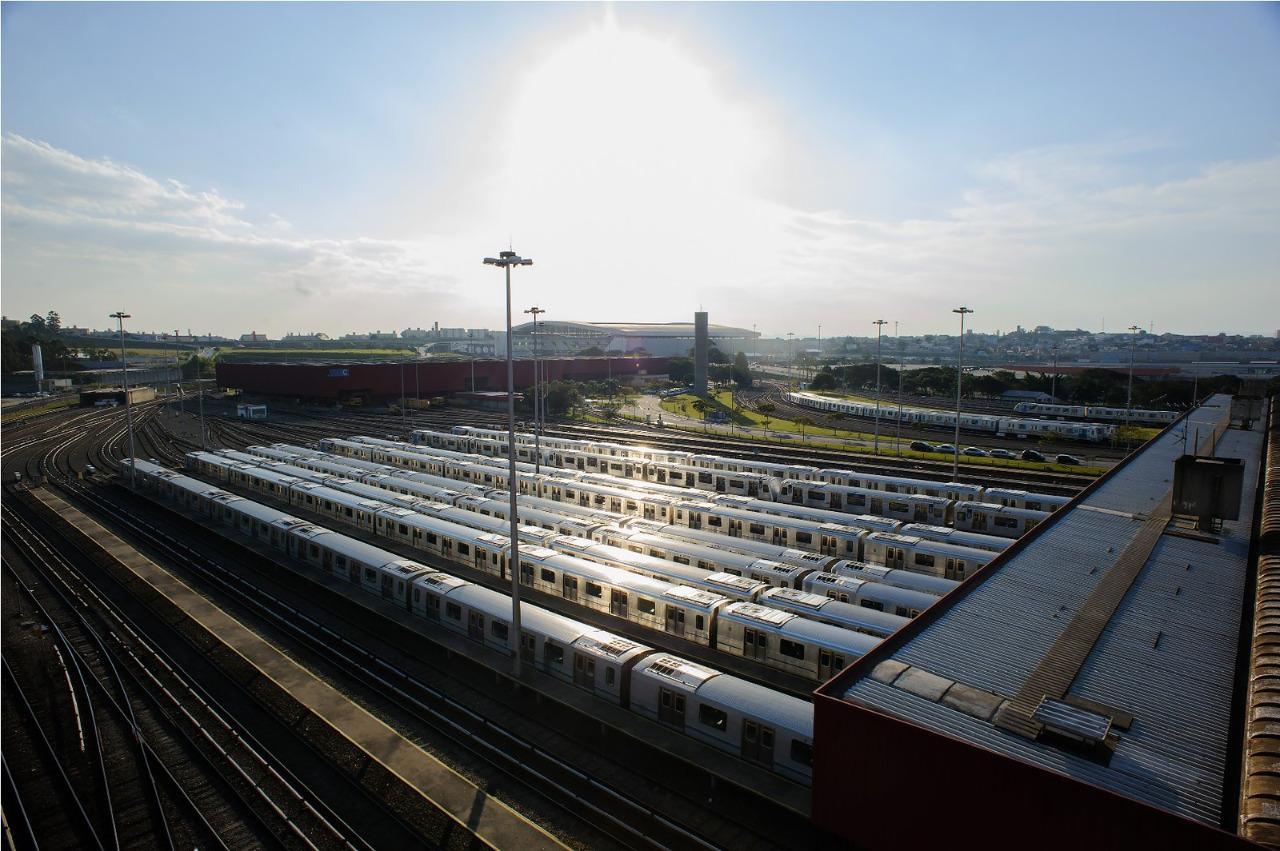
Considering Cutting Energy Costs (2nd Largest Expense of the Company), Proposals for Renewable Energy Generation for Lines and Stations Will Be Evaluated. Furthermore, Any Surplus Will Be Sold
The Metro authorized 14 companies and consortia to develop unprecedented studies for the implementation of a renewable energy generation system to power the lines and stations. Undeniably, the goal is to have more sustainable sources, reducing the cost of the input, which is currently the second largest expense of the company.
Read Also
- Cade Approves Acquisition of 14 Wind Energy Projects in the Northeast by Votorantim Energia and the Canadian CPPIB
- Offshore Wind Energy: Public Consultation on Sector Projects Postponed by Ibama
- Spanish Multinational Abengoa Expands Energy and Infrastructure Project Portfolio in Brazil
Undeniably, the São Paulo Metro wants to reduce energy expenses. The second largest for the company, and it intends to implement a clean and renewable energy generation system to power lines and stations. The company also plans to sell the excess in the renewable energy market.
Renewable Energy Project at São Paulo Metro Aims to Produce at Least 120 MW (Megawatts) Per Month
The Company may also make available about 200,000 m² of area from the rooftops of stations and maintenance yards, which could accommodate photovoltaic cells for solar energy generation.
-
A study reveals the expansion of renewable energy procurement in Brazil and shows how companies are taking advantage of opportunities to reduce expenses, ensure energy efficiency, and strengthen strategic environmental commitments.

-
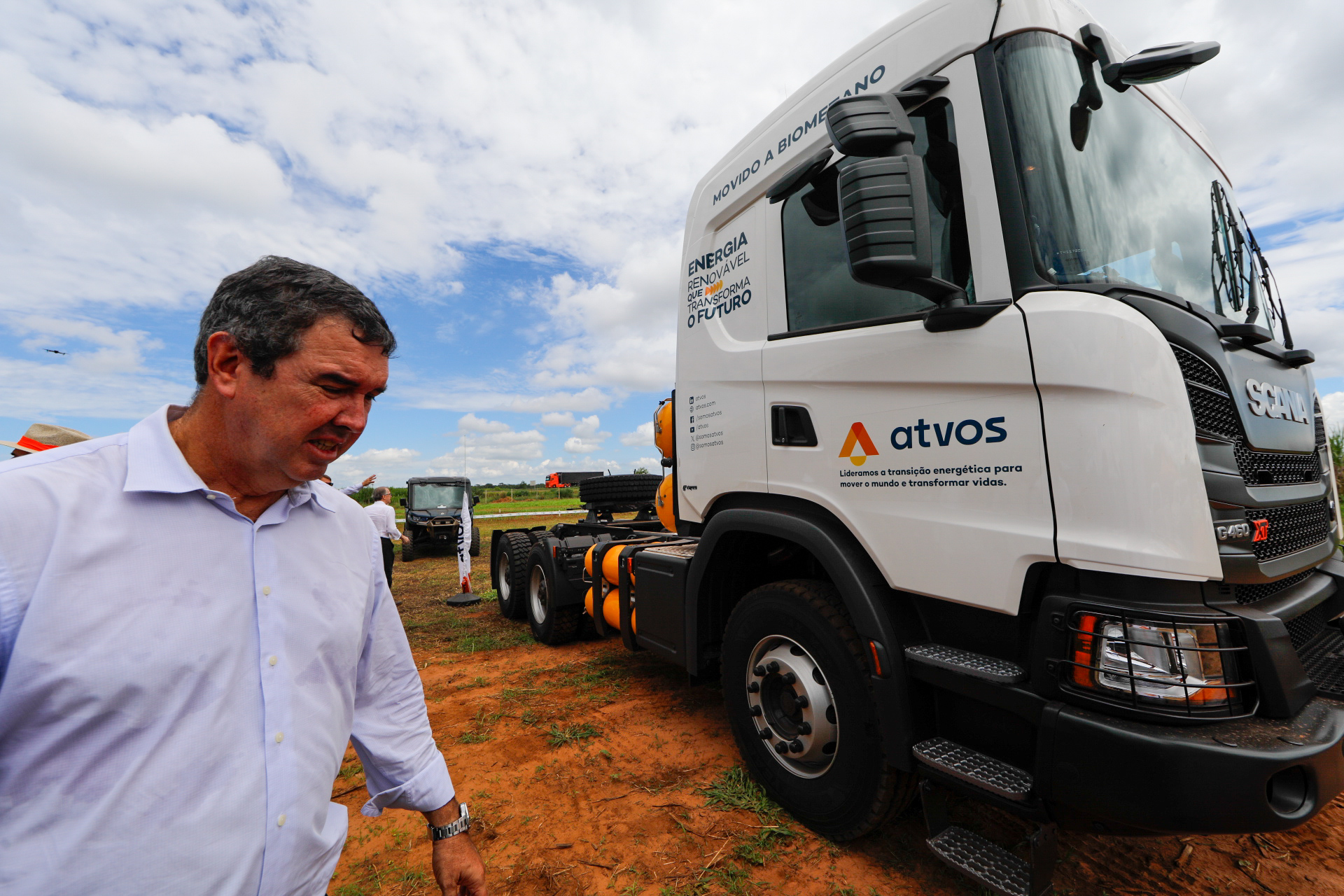
Mato Grosso do Sul excels in the sugar-energy sector: the state reaches a milestone of 22 operating mills and accelerates the production of clean energy in MS with a focus on sustainability.
-
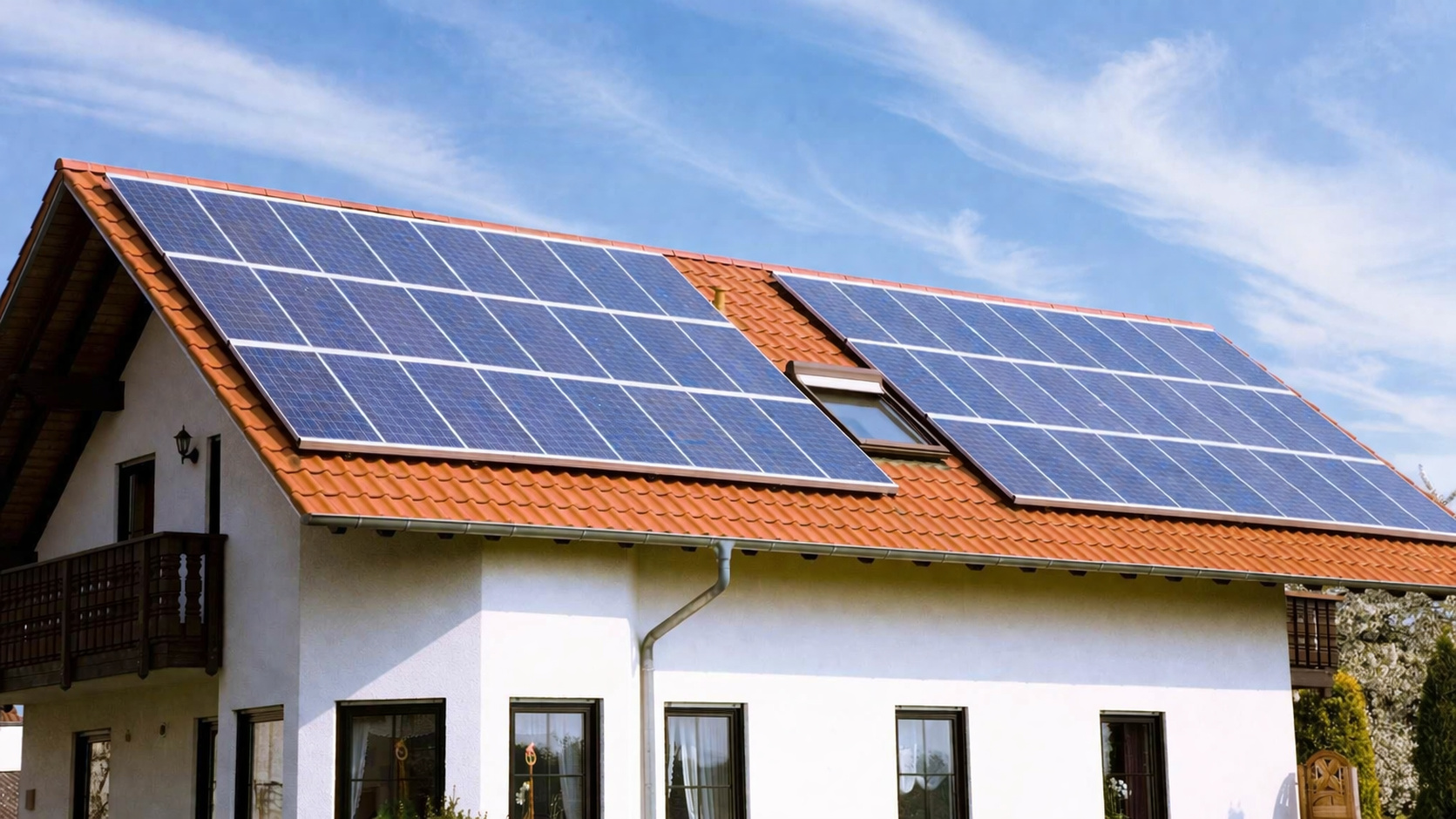
National energy dilemma: Brazilians support clean energy but reject increases in tariff costs to finance the sustainable transition.
-
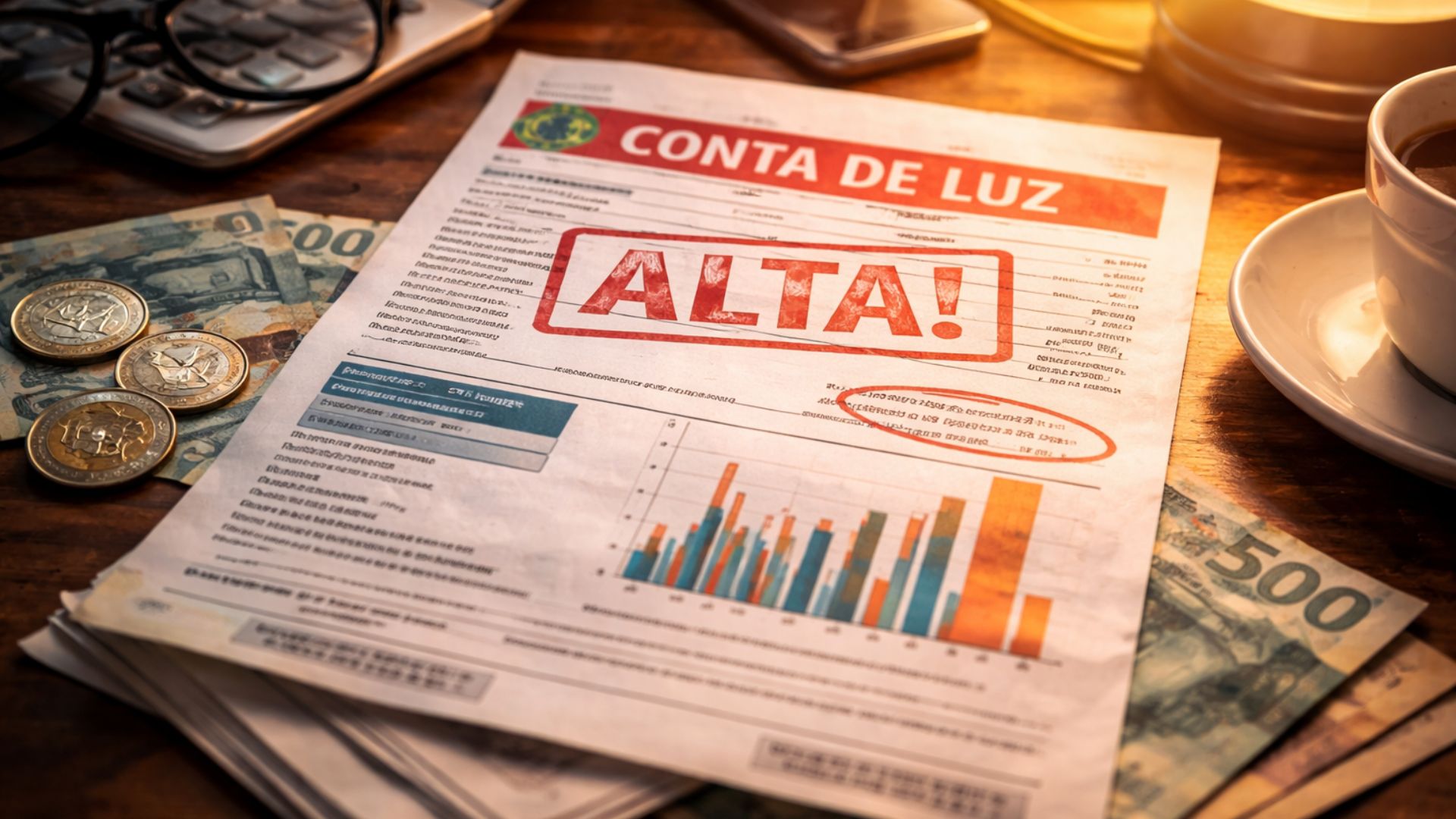
Research indicates that Brazilians support clean energy and wish to advance in the energy transition, but reject paying more on their electricity bill, showing a direct conflict between cost and sustainability.

The studies may propose other areas in the city, owned by São Paulo Metro, such as leftover land from network expansion works, for the installation of photovoltaic cells, or even the implementation of generating units in other regions of the country.
São Paulo Metro to Choose the Company with the Most Economic Renewable Energy Proposal and Additional Benefits
The companies will present solutions for the generation and supply of this type of energy. Finally, the Metro reported on its official portal that it will choose the winning company considering economic results, socio-environmental impacts, and development techniques.
The São Paulo Metro is responsible for operating Lines 1-Blue (Jabaquara – Tucuruvi), 2-Green (Vila Prudente – Vila Madalena), 3-Red (Corinthians-Itaquera – Palmeiras-Barra Funda), and the monorail system of Line 15-Silver (Vila Prudente – Jardim Planalto), totaling 65.8 km in length and 59 stations. Approximately 4 million passengers travel on the network managed by the Metro daily.









Seja o primeiro a reagir!