





 Português
  Inglês
  Espanhol
  4 min de leitura
  0 comentários


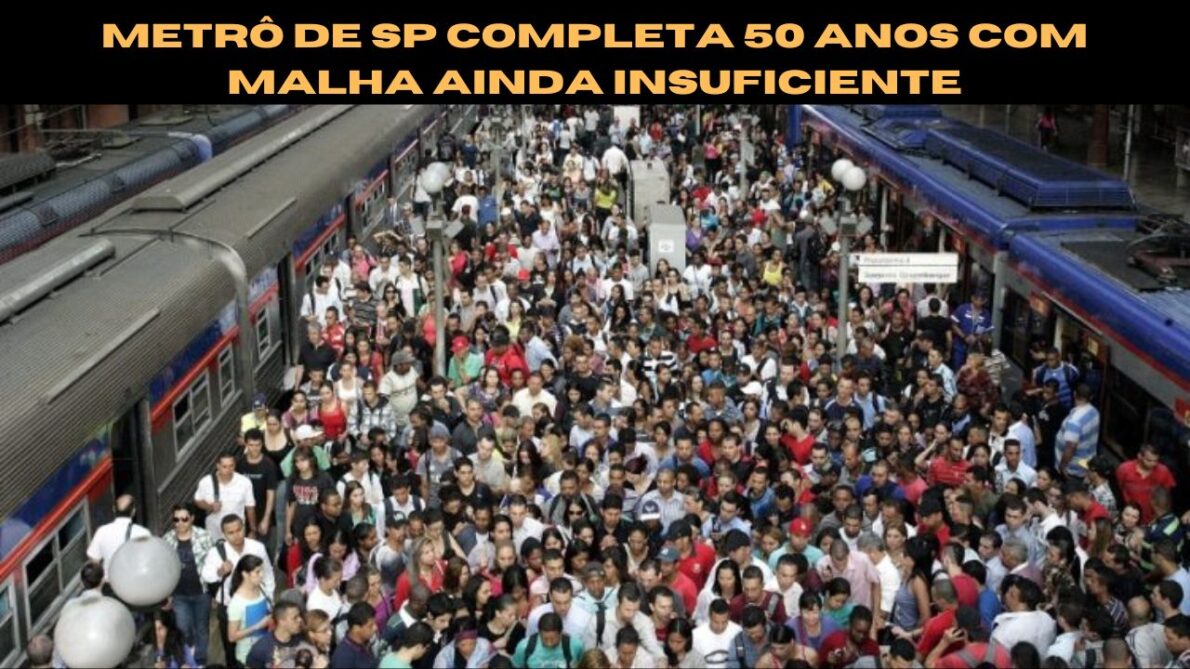
São Paulo Metro Completes 50 Years with Still Insufficient Network
Fifty years of history, millions of passengers transported and… guess what? The São Paulo Metro is still trying to catch up! Inaugurated in 1974 with the promise of transforming urban mobility in the largest city in Brazil, the subway system in São Paulo has yet to keep pace with the city’s growth and the demands of its inhabitants.
Half a Century of São Paulo Metro: Promises and Challenges
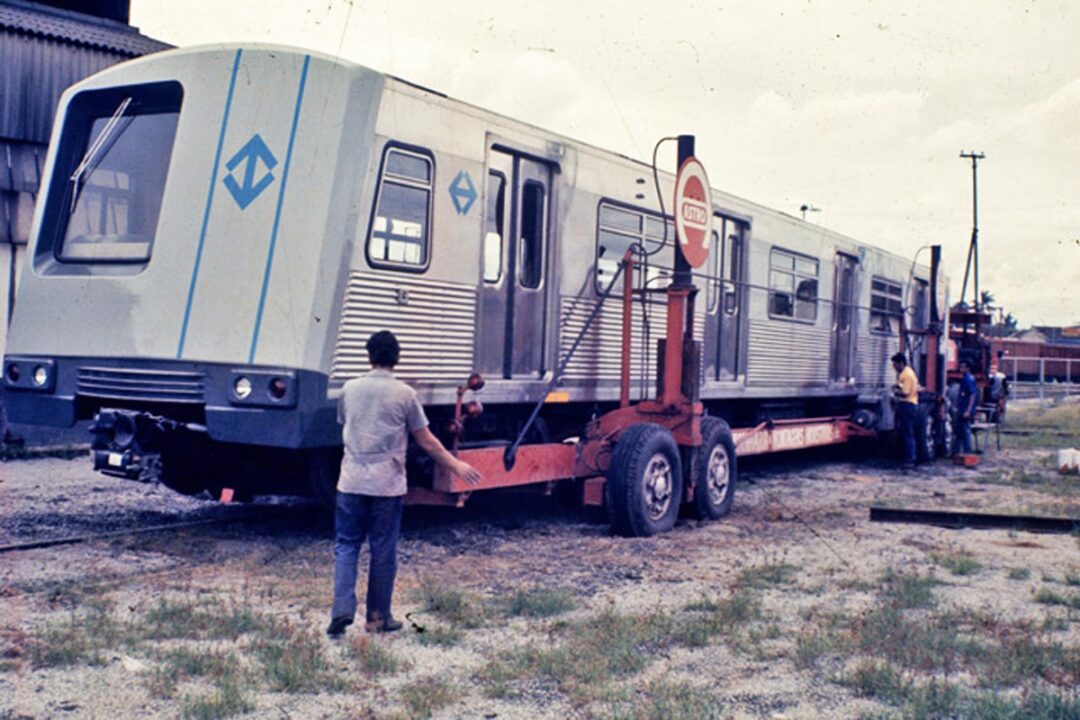
The São Paulo Metro was born on September 14, 1974, with a great celebration: gas balloons, parades, and even samba dancers. At the time, the system was considered revolutionary, and Brazil finally entered the realm of rail transport, following the example of major cities like London, Paris, and New York. However, while these metropolises had robust rail networks for decades, São Paulo began its journey with only 7 kilometers of track, connecting Jabaquara to Vila Mariana.
Since then, a lot has changed, but the metro’s expansion is still timid. Today, there are 104 kilometers of lines serving about 5 million passengers daily, but the growth of the rail network is far below what the city needs. According to experts, São Paulo should have at least six times more kilometers of track to meet the population’s demand.
-
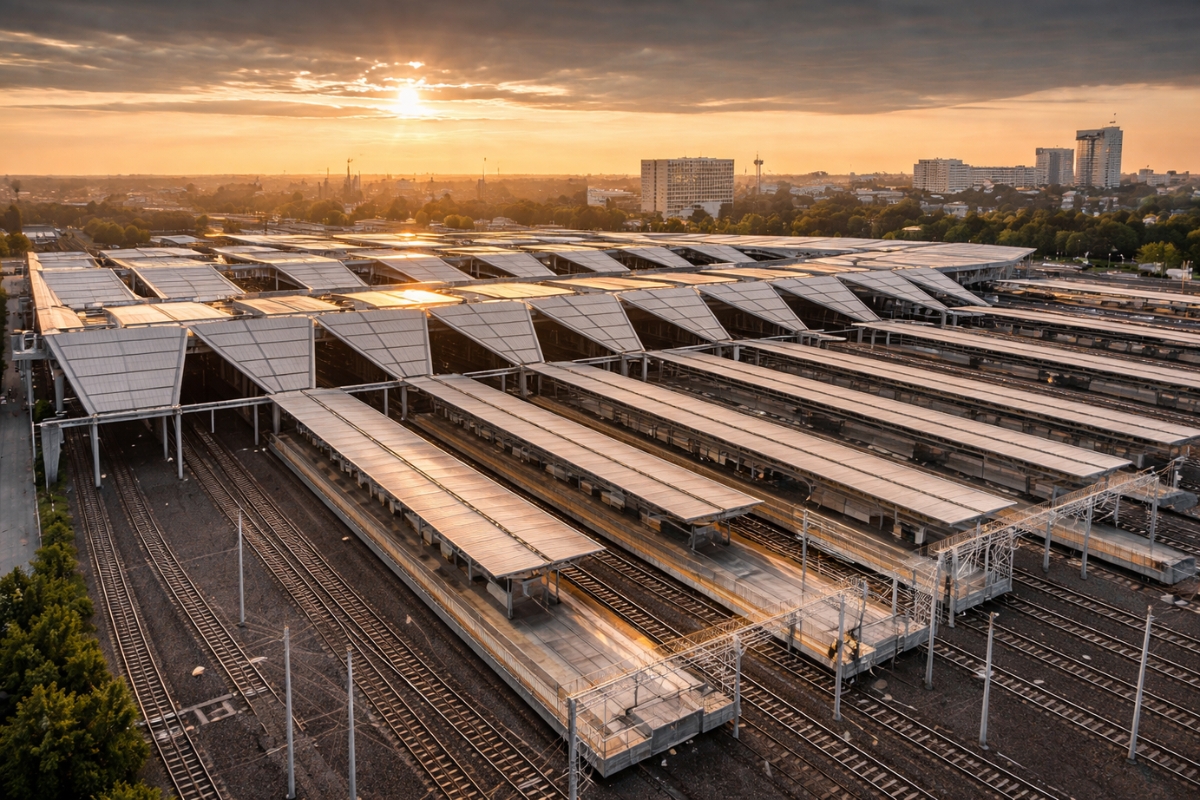
In A European City, The Country’s Largest Railway Junction Was Modernized Without Closing Its Doors, Kept Trains Running During Years Of Construction, Now Serves Up To 60,000 Passengers Per Day, And Installed Solar Panels That Generate About 30% Of Its Energy
-
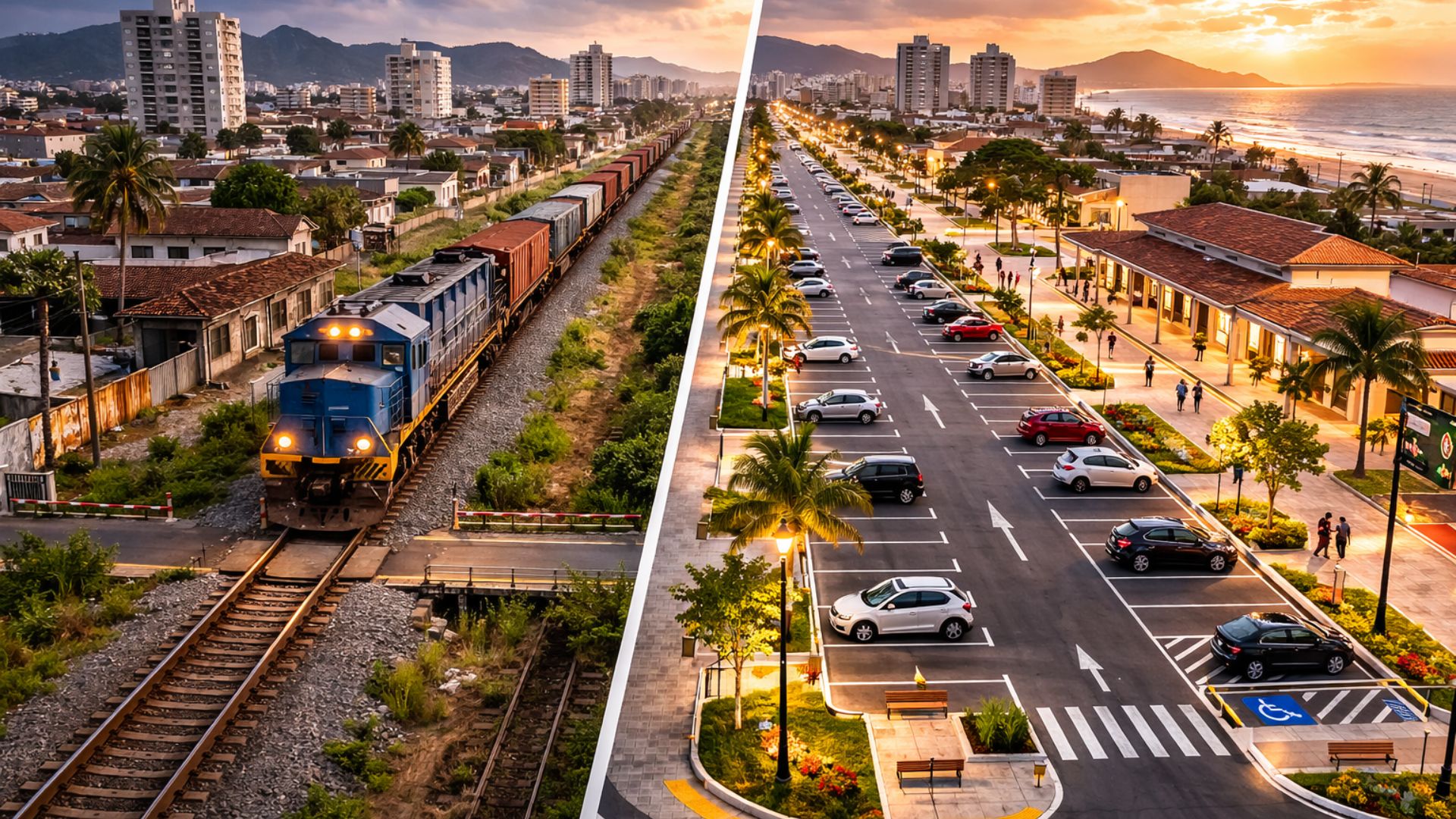
Famous Brazilian Railway May Become a Parking Lot
-
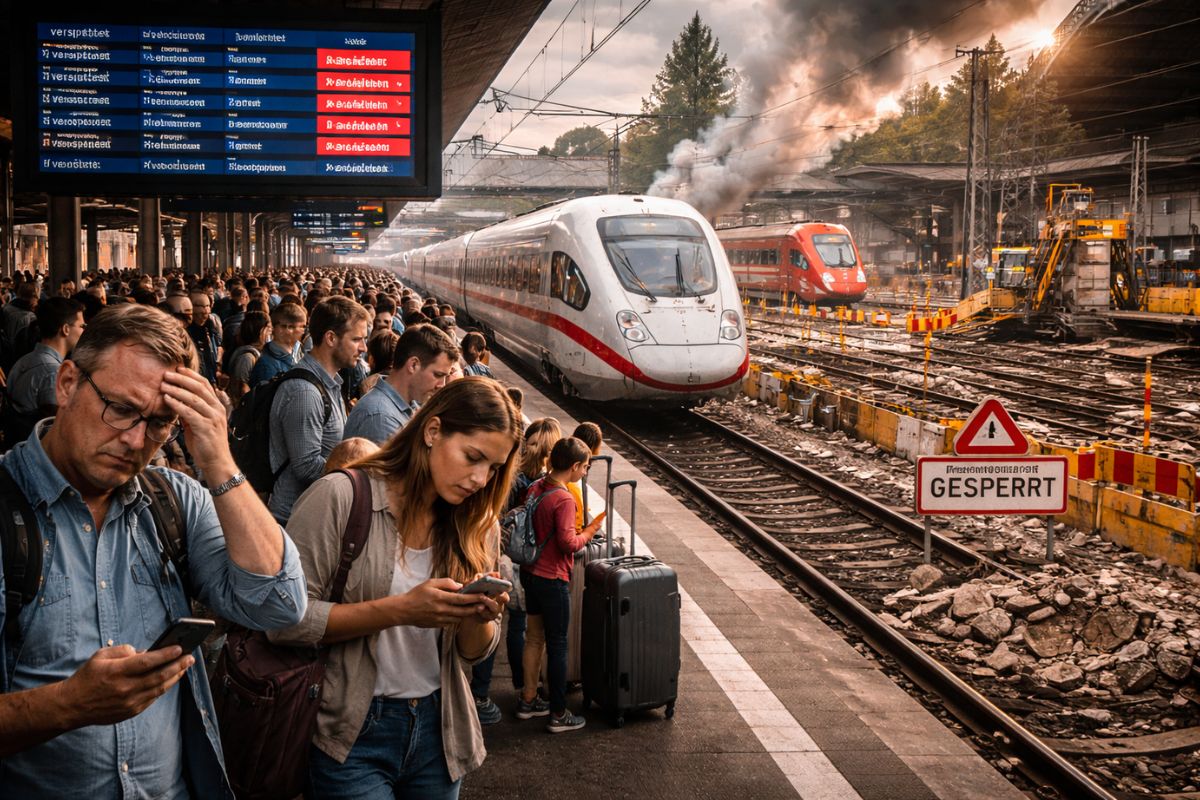
The Country of “Punctual As a Train” Admits It Has Lost Control: High-Speed Trains Delay, Stop, Disappear from the Map and Turn 6-Hour Trips into 10, While Deutsche Bahn Promises Restructuring in 2026 But Faces 19th Century Infrastructure, Staff Shortages and Sections Closed for Months
-
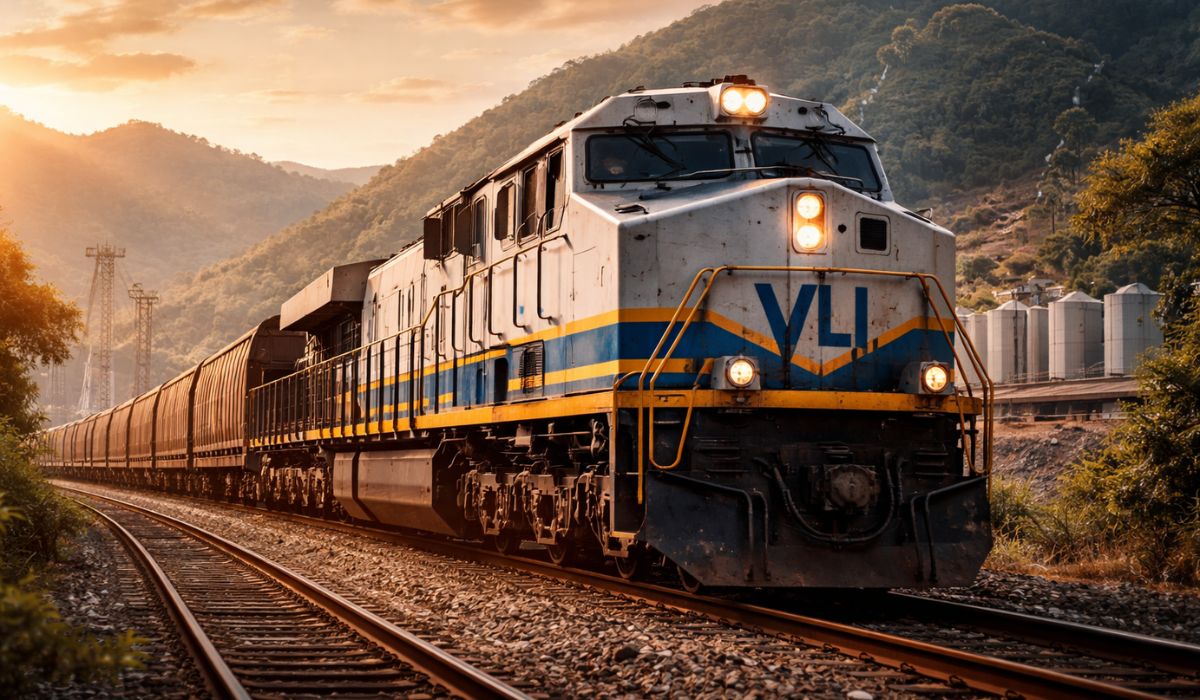
With an Investment of R$ 700 Million in One of the Country’s Main Rail Networks, VLI Reinforces Infrastructure, Receives 8 New Locomotives, and Expands the Corridor Connecting 7 States, Boosting Jobs and the Transportation of Grains, Ore, and Oil Products to the Port of Santos

International Comparisons: We Are Falling Behind
Shall we talk numbers? While the São Paulo Metro struggles with its 6 lines and 91 stations, the New York subway boasts no less than 24 lines, 468 stations, and 369 kilometers of track. London, with its century-old system, has 400 kilometers of track and 272 stations. And us? We continue with endless lines, overcrowded trains, and a system that is already overloaded from the start. Each new line inaugurated barely has time to breathe before being taken over by crowds.
Transport engineer Sergio Ejzenberg highlights that a city like São Paulo needs about 50 kilometers of metro for every million inhabitants. This means that with its 12 million residents, the city should have 600 kilometers of rail network. The reality, however, is that we are far from that number.
Brazilian Rail Network: A History of Delays
The truth is that Brazil as a whole does not give due attention to rail transport. Apart from São Paulo, only Rio de Janeiro and Brasília have metro systems that can truly be called such. Other cities, like Recife and Belo Horizonte, have adapted railway lines to function as metros, but these systems do not have the same efficiency as a metro designed from scratch.
Engineer Creso de Franco Peixoto explains that the metro is technically designed to operate in densely populated areas, with stops close together and planned based on detailed studies of the population’s origin and destination flows. In other words, it’s not just about connecting a train line and calling it a metro; there’s a whole planning process behind it.
The Cost of Inefficiency
But why has Brazil taken so long to invest in the metro? Part of the blame lies with our “car-centric” culture. For decades, road transport has been prioritized for both passengers and cargo. The result? Chaotic traffic, pollution, and enormous economic losses. Just in São Paulo, traffic jams and accidents generate losses of up to 50 billion reais a year.
Investing in the São Paulo Metro is expensive, but experts argue that the return justifies it. Each kilometer of metro costs about 80 million dollars, but in the long run, the rail system is more efficient and cheaper than relying on buses or cars.
And the Future?
There is hope. Currently, there are about 120 kilometers of new metro projects underway in Brazil, with completion expected in the next five years. In São Paulo, 20 kilometers are expected to be inaugurated by the end of 2024, which will bring relief to the population that relies on the São Paulo Metro every day.
However, experts warn: the metro alone is not the magical solution to urban mobility problems. Investment in rail transport needs to be combined with improvements to sidewalks, bike lanes, and surface public transport. Integration between different modes of transport is essential for the city to function efficiently.
The São Paulo Metro may be celebrating 50 years, but there is still a long way to go. And if there is no serious and continuous investment, we risk spending another half-century trying to solve the same problems. And you, what do you think of this whole story?










Seja o primeiro a reagir!