





 English
  Francês
  Alemão
  Italiano
  Japonês
  Norueguês
  Portuguese
  Spanish
 5 min of reading
  0 comments


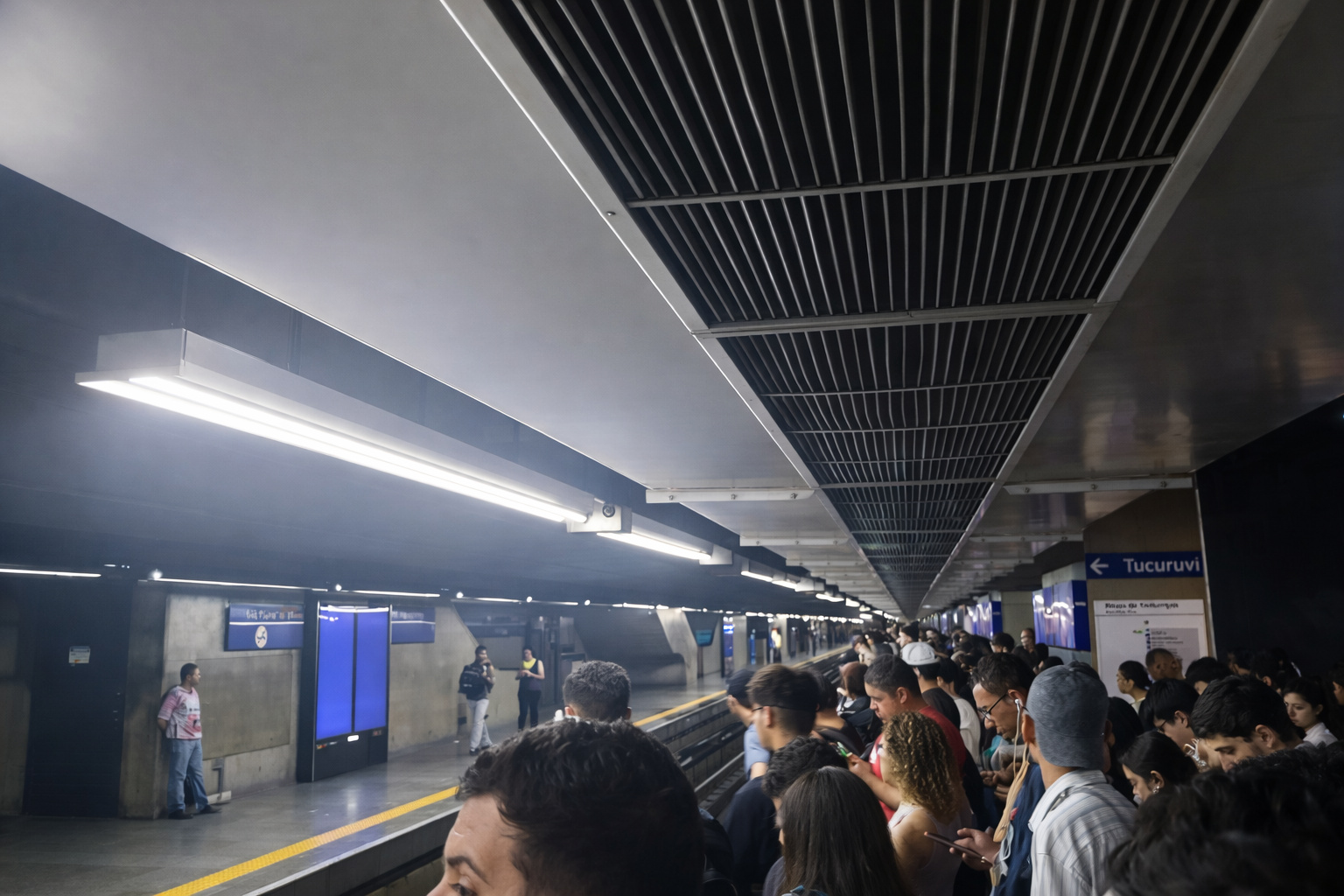
São Paulo Metro Faces Technical Failure And Passengers Report Delays And Crowded Trains
The São Paulo metro reported a failure in equipment that caused delays and overcrowding on different lines of the system. The problem affected the interval between trains and impacted thousands of passengers, especially during peak hours.
Right in the first hours after the occurrence, users reported full platforms, crowded trains, and increased waiting time. As a result, circulation became slower and generated a cascading effect in strategic stations of the capital.
Moreover, the technical failure compromised the regularity of the operation. In this context, the intense flow of passengers worsened the situation and expanded the disruptions throughout the morning.
-
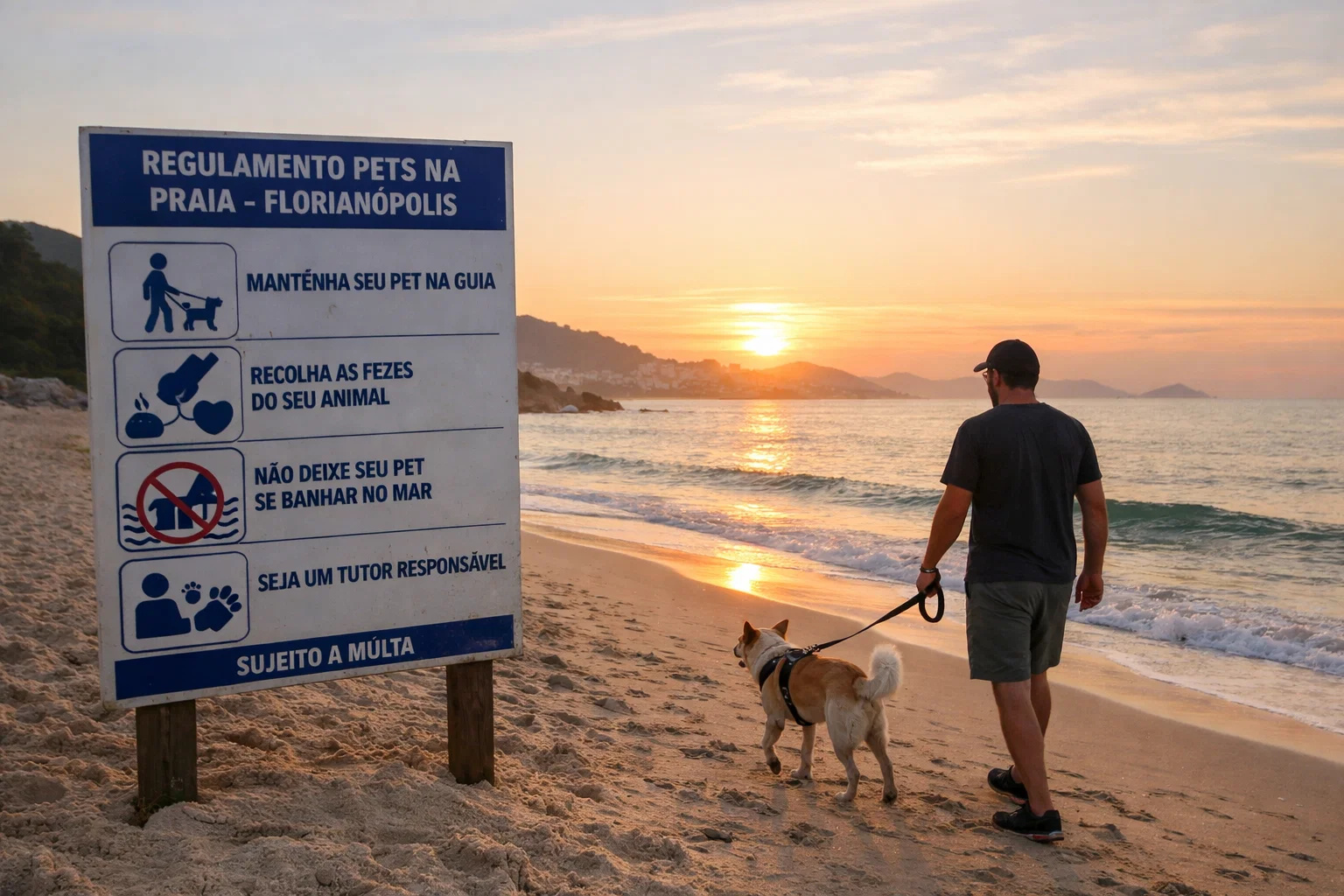
What Changed at Florianópolis Beaches? New Rule Surprises Pet Owners and Restricts Dogs on the Sand at Specific Times
-
Economic Diversification Accelerates in Itatiaiuçu to Reduce Mining Dependence
-
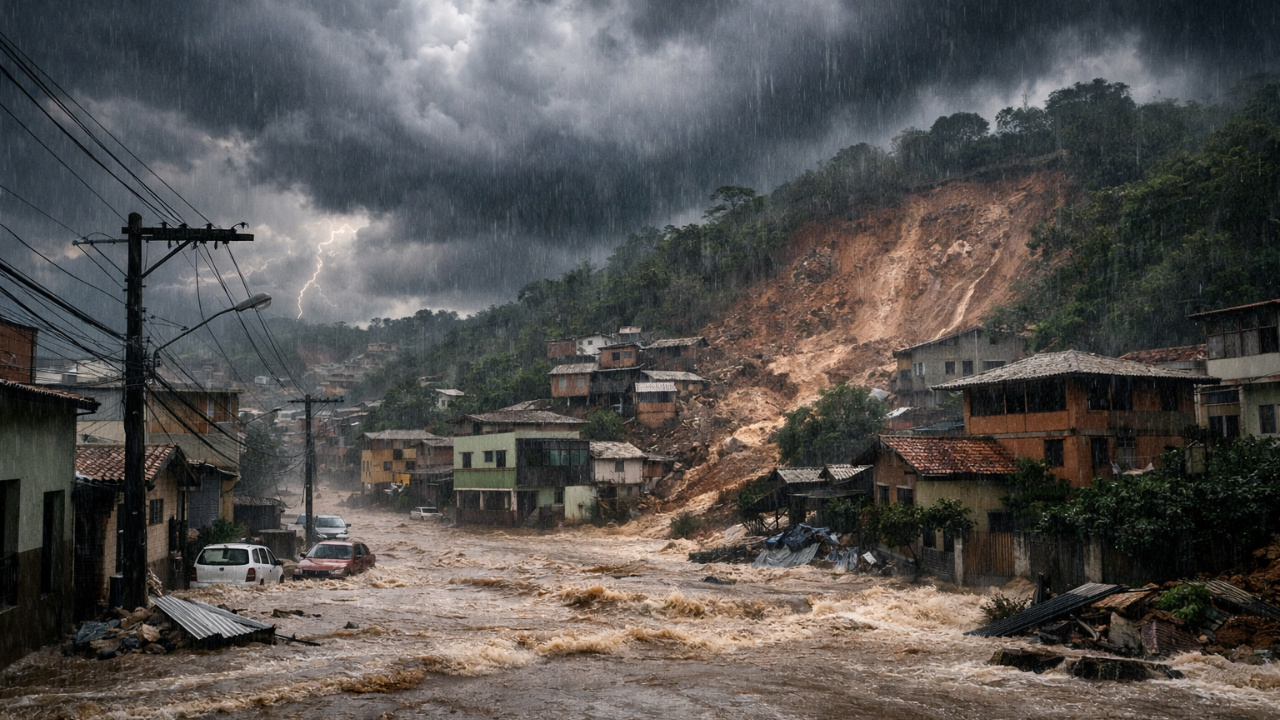
Extreme Rains: Cold Front, Supercell, and Atmospheric Trough Cause Tragedy in MG
-
Minas Gerais Municipalities Press Congress Against Bombshell Bills and Warn of Risks to Public Finances


What Caused The Failure In The São Paulo Metro
The São Paulo metro administration identified a failure in one of the pieces of equipment responsible for the operational control of the trains. The system automatically reduces speed and increases the interval when it detects technical inconsistencies.
Therefore, trains began to operate with greater spacing between them. Additionally, the operation adopted safety protocols to avoid risks to passengers.
Meanwhile, technical teams initiated maintenance procedures to restore normal functionality. Thus, the company sought to minimize impacts and normalize circulation as quickly as possible.
Delays Increase Travel Time For Passengers
With the reduction of frequency, the waiting time on platforms increased. Passengers reported delays higher than usual, especially on lines with a larger volume of users.
Moreover, the concentration of people in stations elevated the level of discomfort. In this scenario, many users had to wait for more than one train to board.
At the same time, the effect spread to integrations with buses and metropolitan trains. Thus, the impact exceeded the affected line and reached other points of the public transport system.
Overcrowding Marks Strategic Stations Of The Capital
Overcrowding concentrated mainly at connection stations, where there is a higher flow of passengers. Platforms recorded a large accumulation of people, which required doubled attention from security teams.
Additionally, agents guided users on alternative routes. Therefore, some passengers sought different paths to reach their destination.
In this context, the São Paulo metro intensified internal monitoring and organized flow in boarding areas. Thus, the operation maintained control of the situation, despite the increase in demand.
System Operates At The Limit During Peak Hours
The São Paulo metro transports millions of people daily. During peak hours, the system operates close to its capacity limit.
Therefore, any technical failure has an immediate impact. Additionally, the high volume of passengers makes rapid normalization of service difficult.
Meanwhile, the dependency on rail transport in the capital amplifies the effects of any interruption. Thus, punctual delays quickly turn into widespread disruptions.
Technical Teams Work To Normalize Traffic
Technicians from the São Paulo metro worked directly on the equipment that experienced the failure. They conducted inspections, tests, and adjustments to restore full operation.
Furthermore, the administration monitored operational indicators in real-time. Thus, the company followed the evolution of the problem and adjusted circulation according to the need.
On the other hand, total normalization depends on the complete restoration of the affected system. Thus, the operation may take some time to resume regular intervals.
Financial And Social Impact Of Delays In The São Paulo Metro
Delays in the São Paulo metro impact not only urban mobility but also the city’s economic routine. Workers arrive late to jobs, students miss schedules, and appointments are altered.
Moreover, companies face indirect repercussions when employees delay professional commitments. In this context, the technical failure generates effects that go beyond the railway system.
At the same time, user confidence depends on the predictability of transport. Therefore, recurring failures increase pressure for investments in modernization.
Preventive Maintenance Gains Importance After Failures
The occurrence reinforces the importance of preventive maintenance in the São Paulo metro. The system depends on electronic equipment, tracks, signaling, and integrated control centers.
Additionally, technological modernization reduces the risk of unexpected interruptions. Thus, the constant updating of systems improves operational reliability.
Meanwhile, experts advocate for ongoing investments to prevent structural overload. Therefore, the expansion of the network needs to keep pace with the population growth of the capital.
Passengers Seek Alternatives During Interruptions
During the failure, many passengers sought alternatives such as municipal buses, transportation apps, and metropolitan trains.
Additionally, traffic on the roads near the stations recorded an increase in vehicle flow. In this scenario, the impact of the failure was also reflected in urban surface mobility.
On the other hand, the dependency on the São Paulo metro reinforces its strategic importance. Thus, the interruption of a single line can alter the large-scale movement dynamics.
Real-Time Communication Reduces Uncertainties
The São Paulo metro administration updated information through panels at stations and digital channels. This communication allowed users to track the status of operations.
Moreover, transparency helps reduce rumors and uncertainties. Thus, passengers can reorganize their routes and schedules more clearly.
At the same time, rapid access to information improves the perception of control over the situation.
Demand Growth Pressures Infrastructure
The population growth of the Metropolitan Region pressures the infrastructure of the São Paulo metro. New residential developments and commercial hubs increase daily traffic.
Therefore, the system needs to absorb growing demand without compromising efficiency. Additionally, the expansion of lines and the acquisition of new trains become essential.
In this context, any technical failure highlights the need for constant structural investments.
Safety Remains An Operational Priority
Even in the face of delays, the São Paulo metro maintains strict safety protocols. The system reduces speed and increases intervals when it identifies any irregularity.
Moreover, control teams prioritize the integrity of passengers and staff. Thus, the operation preserves established technical standards.
Meanwhile, management balances efficiency and safety to avoid greater risks.
São Paulo Metro Seeks Operational Stability After Failure
After the technical response, the São Paulo metro began a gradual normalization process of intervals. The operation adjusted frequency according to the restoration of the affected equipment.
Moreover, the company continuously monitors the performance of the lines to avoid new impacts. Thus, the system gradually resumes the regular flow of passengers.
In this scenario, the failure reinforces the strategic role of the São Paulo metro in urban mobility. As millions depend daily on rail transport, operational efficiency remains a central priority to ensure safe and predictable travel in the largest city in the country.








-

-

2 pessoas reagiram a isso.