





 English
  Francês
  Alemão
  Italiano
  Japonês
  Norueguês
  Portuguese
  Spanish
  4 min of reading
  0 comments


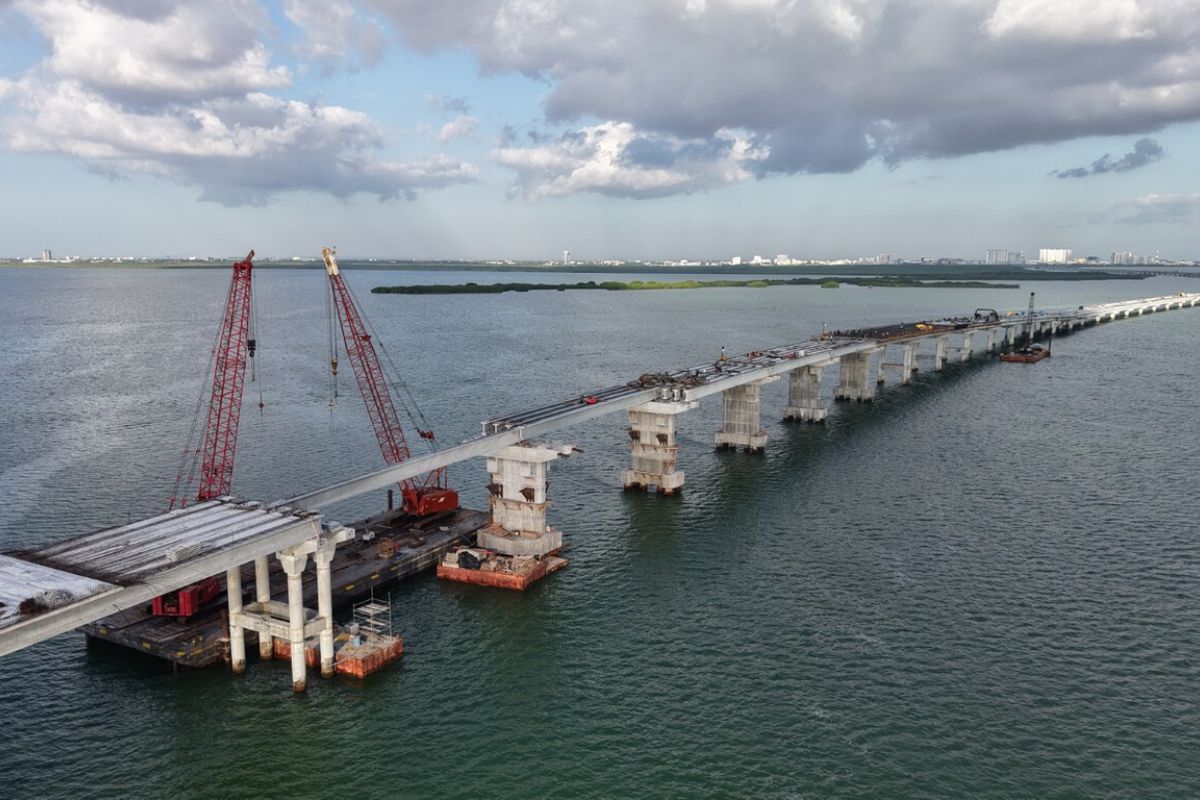
The Nichupté Bridge is in the final phase of construction in Cancun, Mexico, with inauguration scheduled for the end of April. The bridge totals 11.2 kilometers of infrastructure, with 8.8 km over the lagoon, and aims to reduce access time to the hotel zone from up to an hour and a half to just 10 minutes, benefiting 1.3 million residents and 20 million annual tourists.
Mexico is finalizing one of the largest infrastructure projects in Latin America: the Nichupté Bridge in Cancun. With 8.8 kilometers over the Nichupté lagoon and 11.2 kilometers of total infrastructure, the bridge promises to solve a bottleneck that has affected residents and tourists for years: the congested access to the city’s hotel zone. The inauguration is scheduled for the end of April, according to the Ministry of Infrastructure, Communications and Transport of Mexico. Final load tests of up to 150 tons and vibration measurements are already underway.
According to Xataka, the bridge will connect Boulevard Luis Donaldo Colosio to Boulevard Kukulán, two essential access points to the hotel zone of Cancun. According to Mexican authorities, routes that currently take up to an hour and a half will be completed in just 10 minutes after the bridge opens. The infrastructure was designed to benefit more than 1.3 million residents of the region and the more than 20 million tourists who visit Cancun annually. The bridge will also serve as an alternative route in emergency situations, something especially relevant in an area prone to hurricanes.
The numbers of the Nichupté Bridge: 11.2 kilometers, three lanes, and a 103-meter arch

The Nichupté Bridge totals 11.2 kilometers of infrastructure. Of this total, 8.8 km corresponds to the section that directly crosses the lagoon and 2.4 km to the interchanges at both ends.
-
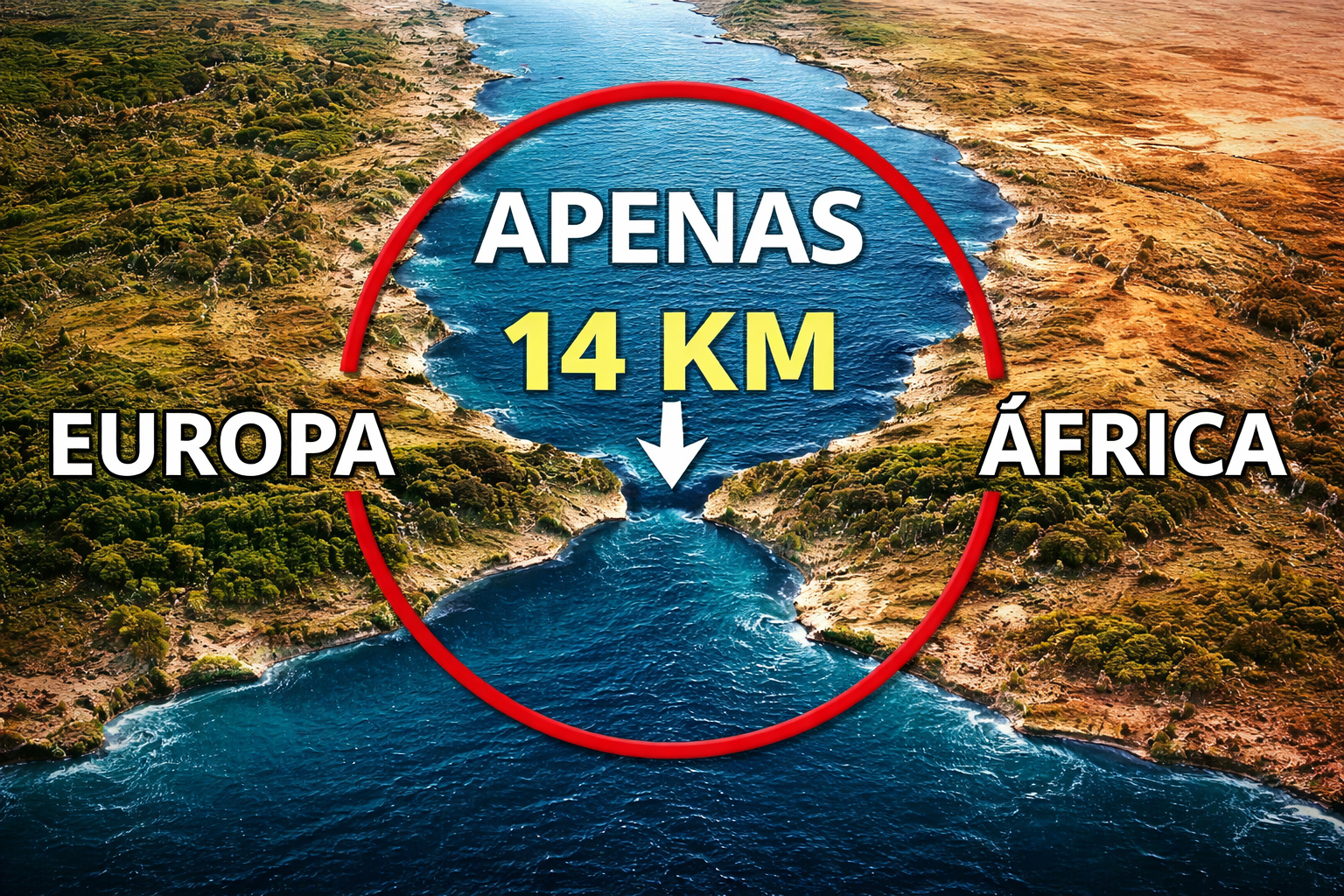
For 45 years, Spain and Morocco have been trying to connect Europe to Africa through a project of just 14 kilometers in the Strait of Gibraltar, and an active tectonic fault on the seabed continues to make the project nearly impossible.
-
Goodbye expensive water tank: residents replace traditional system with a cheaper and more efficient solution that reduces water consumption and reuses rainwater.

-
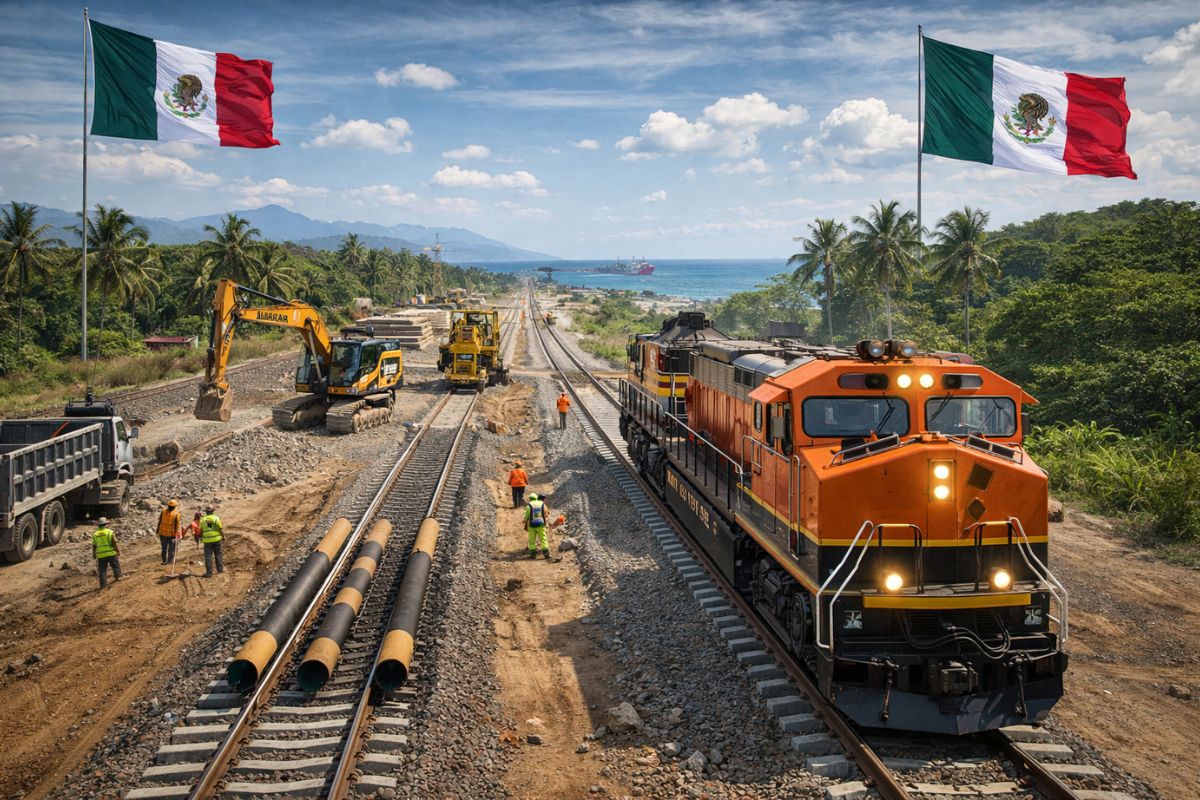
Mexico is building a 300-kilometer railway corridor that connects the Pacific to the Atlantic in just seven hours and wants to compete directly with the Panama Canal, which is already facing water scarcity issues.
-
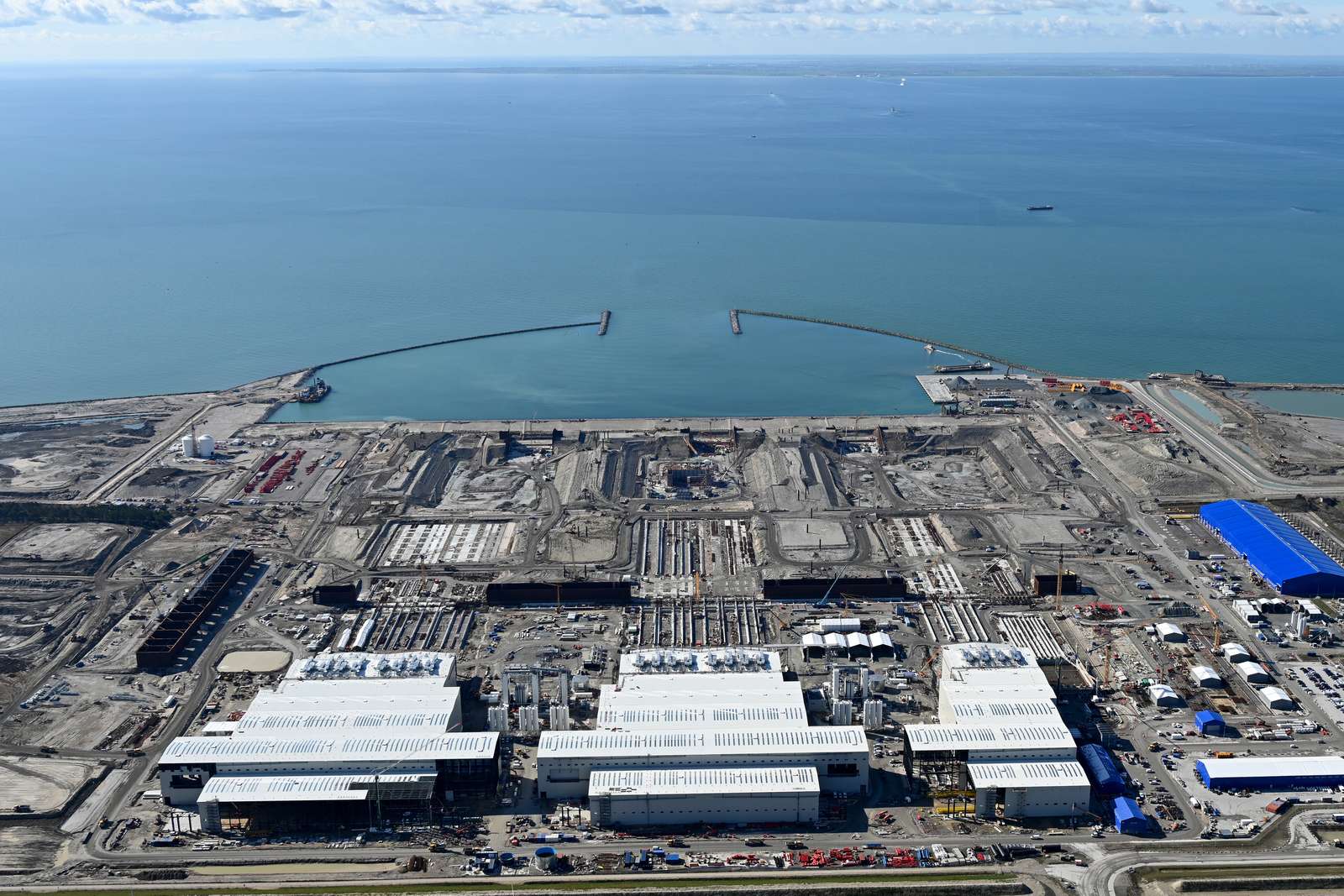
The largest tunnel module factory in the world was built from scratch on a beach in Denmark to produce 89 concrete blocks and will be demolished after the project: each structure weighs up to 10 times the Eiffel Tower and will be installed on the bottom of the Baltic Sea with an accuracy of 12 millimeters in a tunnel that will halve the travel time between Hamburg and Copenhagen.

The bridge has three traffic lanes, one of which is reversible, as well as a bike lane and a 103-meter metal arch. The project was designed to support an average daily traffic of up to 20,000 vehicles, according to the latest estimate from the Mexican government.
During construction, the bridge generated approximately 51,000 direct and indirect jobs. Final tests include load tests of up to 150 tons and vibration measurements with accelerographs to ensure that the bridge structure performs as expected.
The official forecast indicates inauguration for the end of April, which would put the Nichupté Bridge into operation before the high summer season, when tourist traffic in Cancun reaches its peak.
The problem the bridge solves: the bottleneck that has choked Cancun for years

Anyone who has visited Cancun knows the situation: short routes that take much longer than expected, especially when crossing to the hotel zone. The city relies on an expressway that, during peak hours and high season, turns into a difficult-to-navigate traffic jam.
The Nichupté Bridge was designed specifically to provide a direct alternative to this bottleneck.
The connection between Boulevard Luis Donaldo Colosio and Boulevard Kukulán via the bridge creates a shortcut over the lagoon that eliminates the need to navigate around the entire urban area.
For residents who rely on this route daily and for the millions of tourists arriving throughout the year, the bridge represents a concrete change in commuting routines. Cancun receives more than 20 million visitors per year, and the pressure on road infrastructure only increases each season.
Environmental impact: how the bridge was built over a sensitive ecosystem
The passage of the bridge through the Nichupté lagoon system introduces a delicate variable: the impact on a sensitive ecosystem composed of mangroves, seagrass meadows, and local wildlife. The Mexican government claims that the project was developed under 10 environmental programs and 25 mitigation subprograms.
Among the measures adopted, 306 hectares of mangroves were restored, 118 hectares of seagrass meadows were recovered, and more than 2,100 animals were relocated during the construction of the bridge.
Environmental restoration is an integral part of the bridge project and not a later addition. The infrastructure was designed to minimize contact with the lagoon’s bottom and preserve the natural flow of water.
If the mitigation measures are effective, the bridge could become an example of how to reconcile large-scale infrastructure with environmental preservation. Monitoring environmental results in the coming years will be crucial to assess whether this promise is fulfilled.
When will the Nichupté Bridge be inaugurated and what to expect in the first months
The latest official forecast indicates the inauguration of the bridge for the end of April 2026. The work is in its final phase, with structural performance tests underway.
If the schedule is met, the bridge will be operational before Cancun’s high tourist season, allowing the impact on traffic to be tested under real maximum demand conditions.
With the bridge in operation, Cancun will gain an alternative route that did not exist before. The capacity to absorb up to 20,000 vehicles per day and the estimated reduction of travel time from an hour and a half to 10 minutes are the numbers the Mexican government presents as justification for the investment.
It will soon be possible to verify whether the Nichupté Bridge meets expectations or if the actual traffic volume will exceed the projected capacity. For a city that receives 20 million tourists per year, every minute saved in travel makes a difference.
Have you ever faced traffic in Cancun?










Seja o primeiro a reagir!