





 Portuguese
  English
  Spanish
  6 min of reading
  0 comments


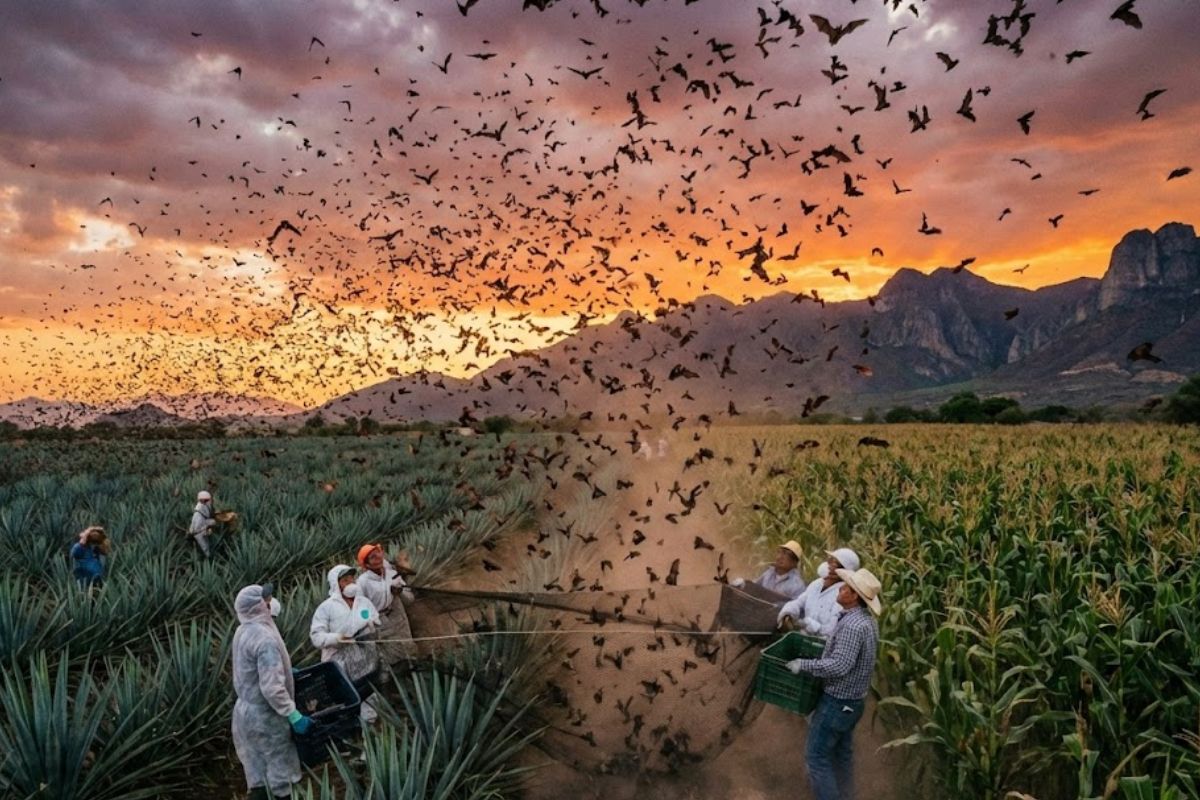
When Attracting Bats to Coffee Farms and Other Crops, Mexico Saw Agricultural Pests Drop by Up to 45%, Reduced Pesticides by 70% on Tested Properties, and Created Bat Houses to Keep Colonies Active. The Strategy Became the Foundation of Sustainable Agriculture and Changed the Way of Producing Throughout the Country.
The decision to protect and attract bats to the fields marked a quiet turnaround in Mexico, turning the night into an extra work shift against insects that attack crops.
With bat houses installed near agricultural areas and a shift towards sustainable agriculture, producers began to reduce pesticides and realize that pest control could come from the ecosystem itself, without relying on constant spraying.
Why Mexico Decided to Bet on Bats
For decades, Mexican farmers repeated the seemingly obvious pattern: when faced with any insect, the response was to spray.
-
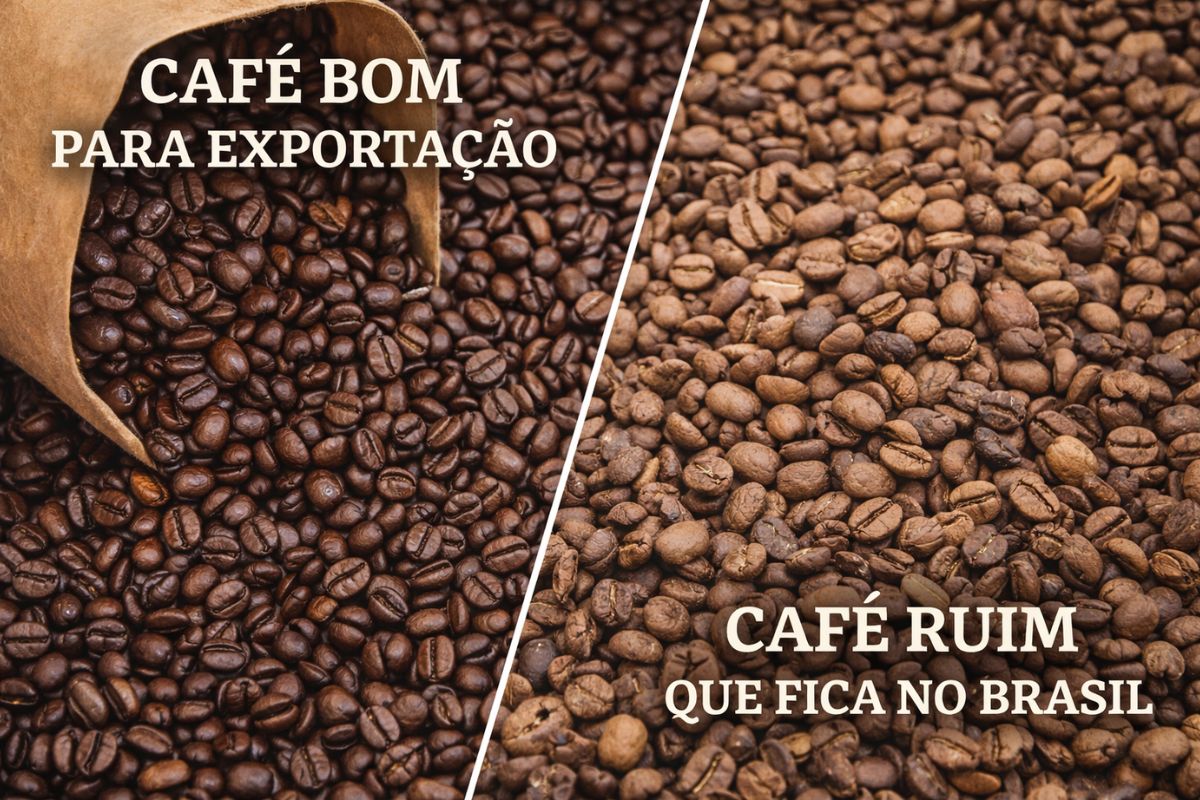
You grew up hearing that the good coffee from Brazil goes all abroad and the bad coffee stays for Brazilians, but this story has completely changed, and the numbers show that in the 1980s, thirty percent of the coffee sold here was adulterated with corn and barley.
-
Engineer creates reforestation method that transforms small plots into dense forests in a few years using local biomass and can reduce environmental recovery costs.

-
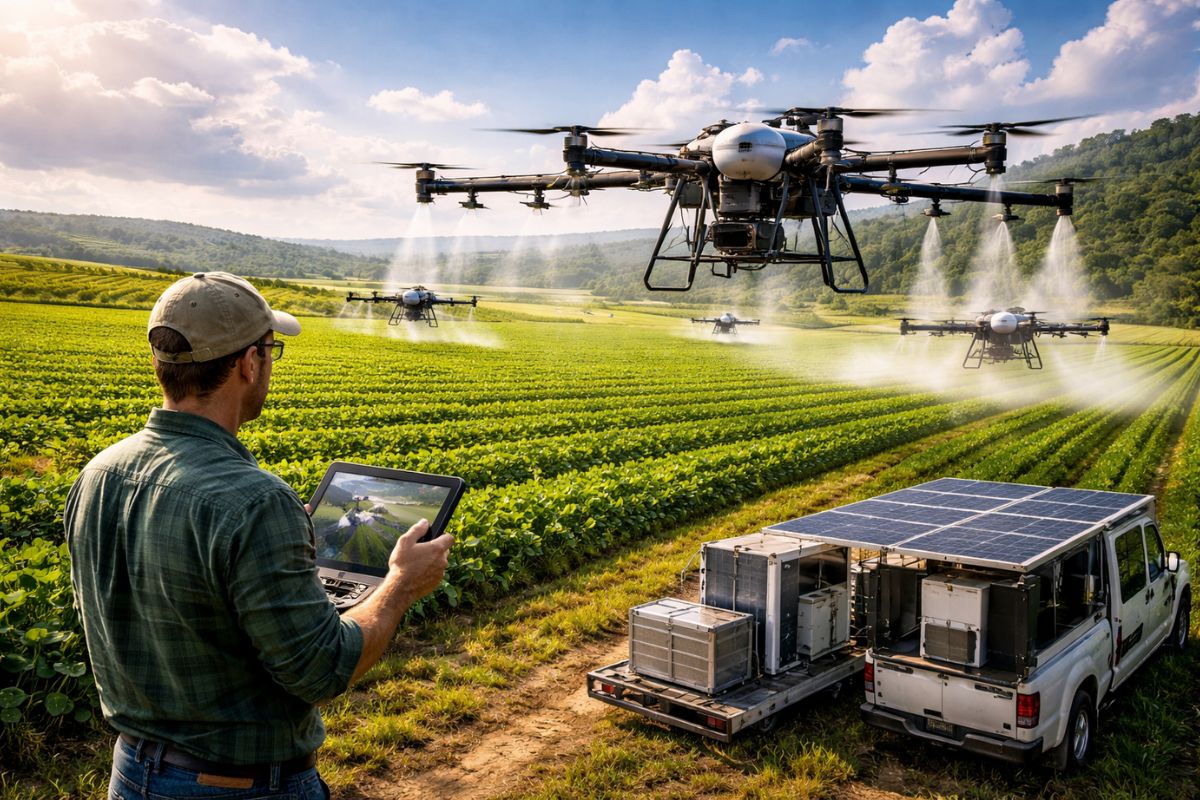
Alone, the producer applies 7,400 hectares with the T100 drone in an optimized structure, replaces the generator with a silent battery, and demonstrates how technology reduces costs, increases productivity, and even challenges the uniport in the field.
-
China banned the export of 22 tons of meat from Argentina.


The problem is that pesticides work at first, but the surviving insects reproduce, and resistance grows.
In the 2000s, many producers were already trapped in what specialists called a pesticide treadmill, a race where more and more pesticides are applied just to maintain the same results.
In this cycle, some farms spent 30% to 40% of their operating costs just on pest control.
At the same time, habitat loss due to deforestation reduced caves and trees for shelter, and the use of pesticides poisoned the bats that depended on those insects.
To make matters worse, the fear of vampire bats led to the indiscriminate killing of species, even though only three, out of more than 1,400 species of bats, drink blood.
It was at this point that the question became uncomfortable: why spend billions on chemicals when nature already had a pest control system operating every night.
What Bats Do That Pesticides Cannot
The answer lay in the basic behavior of bats. A single bat can eat up to 8,000 insects in one night, including moths and beetles linked to crop losses.
Multiply that by thousands of individuals, and the impact becomes continuous pressure on agricultural pests, precisely during the hours when many insects become most active.
Mexico is home to over 140 species of bats, a vast diversity, and several of them are insectivorous, specialists in hunting insects.
The most cited example is the Mexican free-tailed bat, capable of consuming about half its body weight in insects every night.
In practice, it is a pest control service that requires no batteries, recharges, or breaks. And there is a decisive difference: while pesticides require purchase, application, and repetition, bats return every night, to the same place, if the habitat is preserved.
Bat Houses and the Test in Chiapas Coffee
The turnaround took practical form in the south of the country, in Chiapas, a coffee region. There, one of the most costly problems was the coffee berry borer, a beetle that burrows into the fruit and compromises the bean from within. Pesticides struggled to resolve this without causing additional damage to the ecosystem.
The solution was straightforward: create habitat. Researchers and the government installed bat houses, wooden structures designed to mimic crevices and cavities used for shelter.
The bat houses were positioned around farms to stimulate colonies close to the cultivation areas.
First came hundreds of bats, then thousands, with species like Mexican free-tailed bats, big brown bats, and evening bats occupying the structures as nighttime tenants.
The strategy had a clear goal: to reduce pesticides and continuously apply pressure on agricultural pests. When the colony becomes stable, the field gains a nighttime shift of biological monitoring.
When the Numbers Appeared: Agricultural Pests in Decline
Field reports began to come in quickly: less visible damage, less need for spraying, less surprise at harvest time.
In the second crop cycle, the numbers became hard to ignore. Farms with active bats saw losses linked to agricultural pests drop by an average of 45%.
In regions where the colonies were healthier, damage reductions reached 40% to 50% compared to areas where bats had diminished.
The case that became emblematic was that of a coffee grower named Juan Martinez. After 40 years of using chemical products, he agreed to test bat houses on his 15-hectare property and installed 10 structures.
Three months later, perceptions had already changed. In six months, he began to build more bat houses on his own. A year later, he had reduced pesticides by 70% and increased coffee productivity by 20%.
The gain came because the bats showed up to work, not because the farm spent more on chemicals.
Domino Effect: Sustainable Agriculture Without Constant Spraying
When pesticides cease to be the automatic response, the entire system changes. Producers noticed the return of beneficial insects that also prey on agricultural pests, as well as pollinators like bees and butterflies, which were previously affected by broad-spectrum spraying.
The soil began to recover, nearby water suffered less from chemical runoff, and the operation became more resilient.
It was at this point that the project began to be seen as sustainable agriculture on a larger scale. The program expanded to other regions and crops, and Mexico’s Ministry of Agriculture began endorsing bat conservation as part of sustainable agriculture practices.
Incentives were created for those who installed bat houses and reduced pesticides, and training taught producers to recognize beneficial species, construct suitable shelters, and monitor colonies.
The economic aspect also entered the conversation. The research team referenced in the project estimated that bats provide the country with pest control services valued at around US$ 1 billion per year. It’s free work, paid in insects, that reduces costs and risk for growers.
Fear of Rabies, Safety, and the Cultural Change
The most common resistance was direct: rabies. The project addressed this as a legitimate risk but framed the discussion in terms of probability and management.
The data presented states that less than 0.5% of bats carry rabies at any given moment, and the recommendation is to reduce direct contact, not demonize the animal.
The bat houses used in agricultural areas are elevated, with entrances facing away from circulation areas, and the guidance is straightforward: do not handle bats without protection and do not disturb colonies.
In more than a decade of the sustainable agriculture program with bat houses, there have been no recorded transmissions of rabies from farm bats to humans, according to the project’s narrative.
Cultural change followed suit. Bats transitioned from fear to economic assets. Schools began teaching bat ecology, and towns near caves started offering observation tourism, with visitors watching millions of bats emerge at sunset.
The story mentions Bracken Cave in Texas, near the border, where from March to October between 15 and 20 million bats spiral out and become an attraction.
What Still Limits the Strategy
The program itself recognizes limits. Not every farm is suitable for shelter, and there are agricultural pests that are not significantly affected by bats, requiring other methods.
Moreover, the situation is not static: climate change alters agricultural pest patterns and migration, and new challenges arise with invasive species.
To respond to this, research has shifted to technical refinement. There are studies cited on optimizing the design of bat houses for different climates and crops, and on acoustic monitoring, using microphones to identify species through echolocation.
The logic is one of precision: knowing which bats are active and adjusting management to strengthen pest control, reduce pesticides, and sustain sustainable agriculture without relying on continuous spraying.
In the end, the message that Mexico consolidated was simple: working with nature can be cheaper, more efficient, and less toxic than trying to defeat it with chemicals.
Would you place bat houses near your farm to reduce pesticides and secure agricultural pests, or would you still be wary of bats?







-

-

-

-

-

-

27 pessoas reagiram a isso.