





 Portuguese
  English
  Spanish
  4 min of reading
  0 comments



Microsoft Accelerates Investments In Solar Energy For AI And Sustainability
Microsoft continues to expand its investments in renewable energy, ensuring that its operations are increasingly sustainable.
In February 2025, the company announced the expansion of its solar projects, seeking to meet the growing energy demand of its data centers and artificial intelligence (AI) applications.
Additionally, with the acquisition of 389 megawatts of solar energy, Microsoft takes another step toward its goal of negative carbon by 2030, a commitment made by the company in January 2020.
-
Millions of people have been eating yam for centuries without knowing that this humble tuber contains a compound called diosgenin, which scientists have now discovered can improve memory and help control blood sugar levels.

-
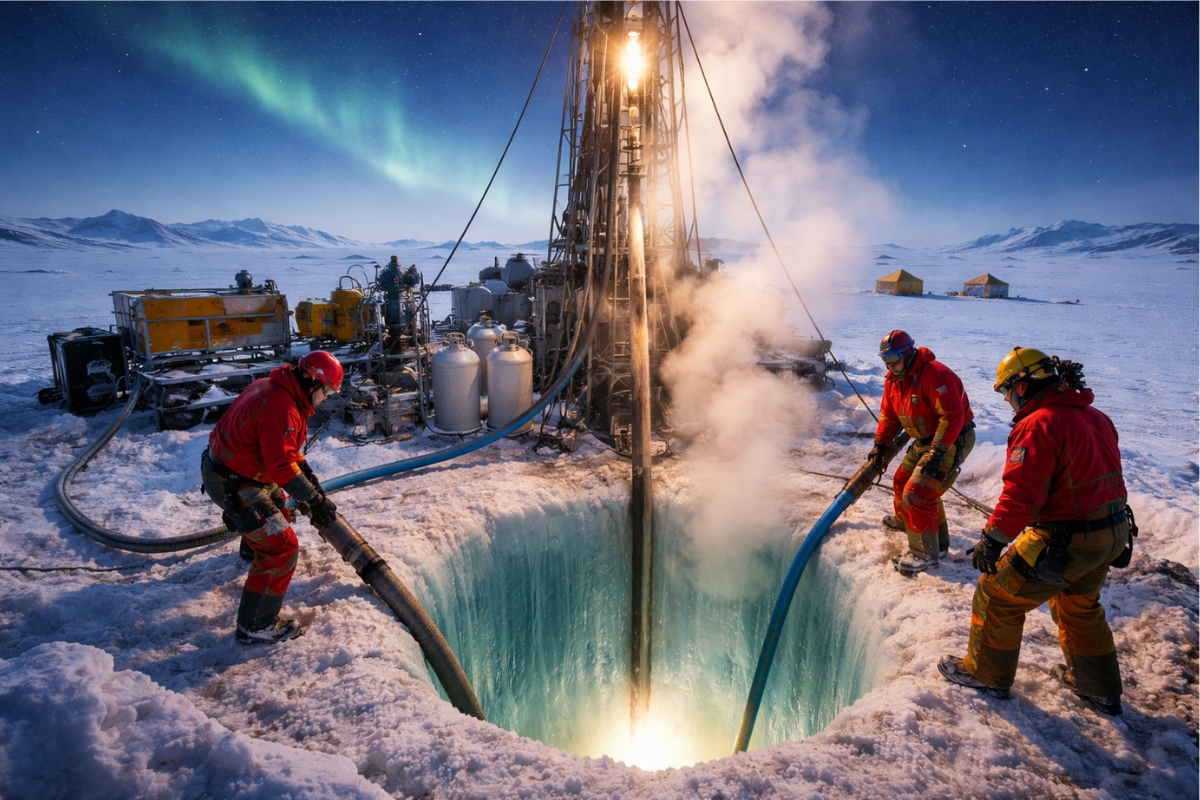
Scientists from an international project drill 1,800 meters of ice in Antarctica using hot water and discover details about one of the most intriguing places on planet Earth.
-
Seen from space, a colossal volcano nearly 5,000 meters high in Russia has released 1,600 km of smoke over the Pacific, forming “devil’s horns” of lava and revealing the brutal force of the Ring of Fire.

-
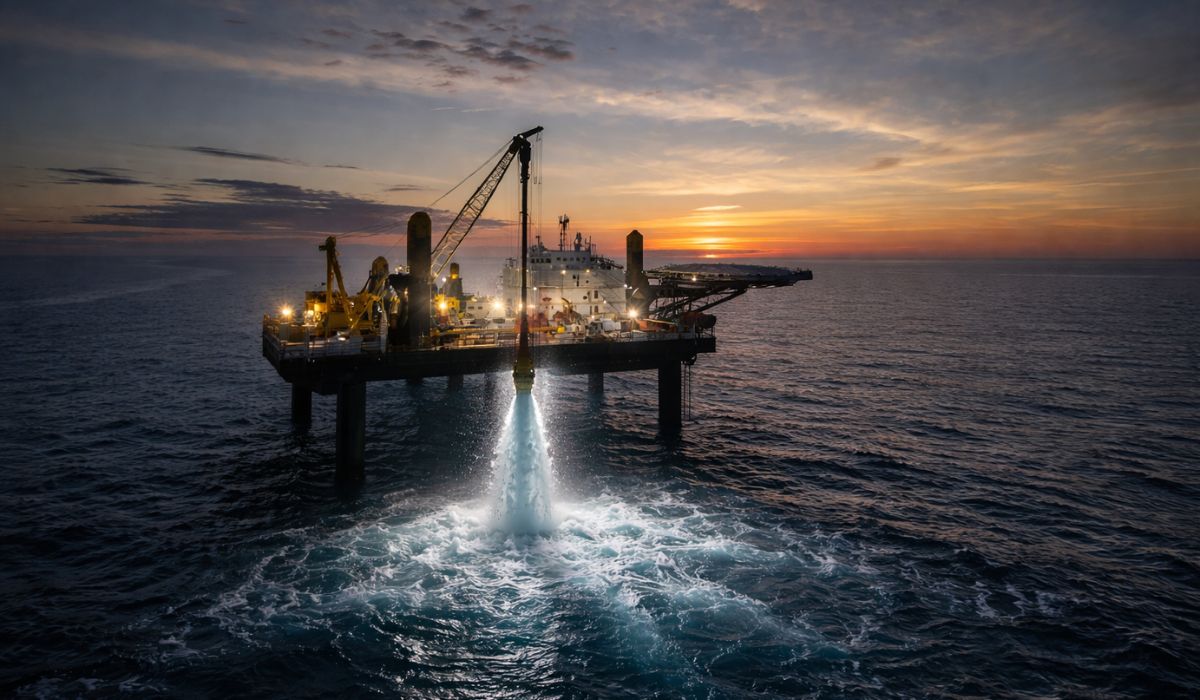
Expedition 501: Scientists drill into the ocean floor and discover a giant reserve of fresh water hidden beneath the sea, extracting nearly 50,000 liters and revealing an invisible system that could reshape the map of water scarcity.

This move strengthens the company’s global infrastructure and significantly reduces its dependence on fossil fuels.
To enable this advancement, EDP Renewables North America developed the new solar projects, which are located in southern Illinois and near Austin, Texas.
In this way, Microsoft adds approximately 2% to its total capacity, which already exceeds 20 gigawatts of contracted renewable energy.
According to the TechCrunch portal, this acquisition is part of Microsoft’s strategy to expand its clean energy portfolio.
The company had already signed similar contracts in 2023 with Brookfield Asset Management for the supply of solar and wind energy on a large scale.
Solar And Wind Energy Boost Data Centers And AI
Currently, Microsoft is heavily investing in renewable energy, as it understands that this solution not only reduces operational costs but also improves its sustainability.
In April 2024, the company revealed an energy transition plan in partnership with AES Corporation.
The project focuses on the development of hybrid plants that combine solar energy and battery storage, ensuring stable operations even during periods of low solar generation.
Another important point is that the implementation of solar plants occurs within a much shorter timeframe.
The average time for a solar plant to become operational is less than 18 months, while gas-powered plants can take several years to complete.
Thus, the choice for solar energy becomes a more practical and viable solution to meet the growing energy needs of the company.
Furthermore, Microsoft is investing in hybrid solutions, combining solar and wind energy with storage batteries.
As a result, the system stores excess energy to be used during times when renewable production decreases.
This way, the company ensures an uninterrupted supply, without compromising the stability of its operations.
The growth of artificial intelligence has driven this demand for new energy sources.
According to BloombergNEF, the energy consumption of data centers could grow by more than 50% by 2030, driven by advances in AI and cloud computing.
In September 2024, Microsoft released a sustainability report.
In the document, the company revealed that its AI operations already consume 40% more energy than at the beginning of the decade.
Microsoft highlighted that, without renewable solutions, its emissions could triple by 2028.
Microsoft Invests In Carbon Offsetting To Reach Its Goal
To achieve the goal of negative carbon by 2030, Microsoft has been adopting various carbon removal technologies.
Among them, direct air capture, rock weathering, and reforestation stand out.
In November 2023, the company signed a contract with Chestnut Carbon, guaranteeing the acquisition of 7 million tons of carbon credits.
In this way, the company offset approximately 50% of its emissions from 2023, as indicated by the Carbon Disclosure Project (CDP).
Currently, many companies are seeking strategies to reduce their emissions.
However, some emissions are still unavoidable, requiring additional solutions to neutralize these impacts.
In this sense, carbon offsetting has become essential to ensure a sustainable future.
In addition, Microsoft continues to invest in direct air capture, an innovative technology that promises to efficiently remove CO₂ from the atmosphere.
According to a study published by MIT Technology Review in December 2024, direct air capture still presents high costs.
However, experts believe that this technology could become economically viable in the next decade.
Another relevant point is that Microsoft focuses not only on reducing its own emissions but also encourages other companies to adopt similar measures.
As part of this strategy, the company has formed partnerships with various sectors, encouraging the transition to a more sustainable business model.
Microsoft Leads The Energy Transition In The Technology Sector
With so many initiatives, Microsoft is establishing itself as a benchmark in corporate sustainability and innovation.
Furthermore, the company demonstrates that large corporations can play a decisive role in reducing carbon footprints.
Since 2021, Microsoft has been part of a global consortium, the First Movers Coalition, which brings together large companies committed to clean technologies.
In October 2023, the company announced its entry into the NextGen CDR Facility, a global fund to promote carbon capture and storage technologies.
Microsoft serves as a model for other tech giants, including Google and Amazon, which are also increasing their investments in renewable energy.
In this way, the entire sector is moving towards a sustainable energy transformation.
An important benefit of solar and wind energy is the predictability of costs, as it avoids the volatility of fossil fuel prices.
As a result, Microsoft protects its financial structure and ensures the viability of its long-term projects.
The tech sector continues to expand its energy consumption.
With the growing demand for artificial intelligence and cloud computing, sustainable solutions are becoming essential for ensuring responsible growth.
In this way, Microsoft proves that technology and sustainability can walk hand in hand.
Through its investments in renewable energy and carbon capture, the company assumes a leadership role in the global transformation, directly influencing the future of the energy sector.









Seja o primeiro a reagir!