





 Português
  Inglês
  Espanhol
  3 min de leitura
  6 comentários


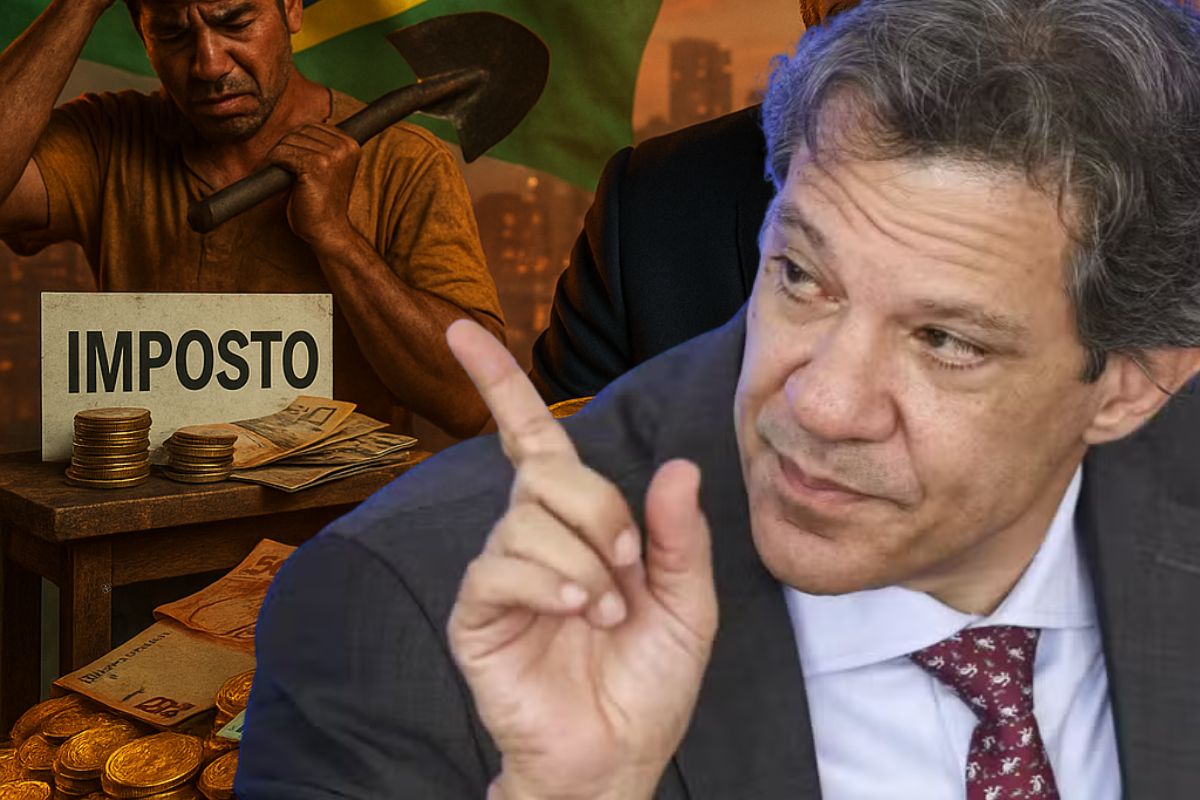


Federal Revenue Study and EU Tax Observatory Show That the Top 1% Pay Only 20.6% in Taxes, Compared to a National Average of 42.5%
A study released on August 29, 2025, by Monitor Mercantil revealed that millionaires in Brazil pay, on average, half the tax burden of an ordinary worker, even though they concentrate the largest share of national income. The data shows that the top 1% concentrated 27.4% of total income in 2019, placing the country among the most unequal in the world.
The research, titled “Tax Progressivity and Inequality in Brazil: Evidence from Integrated Administrative Data”, was conducted by the Federal Revenue in partnership with the EU Tax Observatory, led by French economist Gabriel Zucman, and presented by the Minister of Finance, Fernando Haddad. Experts say the numbers reinforce the urgency of reform to address the regressivity of the current system.
The Difference in Taxation Between the Rich and Workers
According to the study, the average tax rate in Brazil is 42.5%. However, those earning above US$ 1 million per year (about R$ 5.4 million) pay only 20.6% in taxes. This discrepancy is explained by the exemption of dividends and the multitude of tax benefits that reduce the burden on large incomes and corporations.
-
Brazilian city gains industrial hub for 85 companies that is equivalent to 55 football fields.

-
Peugeot and Citroën factory in Argentina cuts production by half and opens a layoff program for more than 2,000 employees after Brazil drastically reduced purchases of Argentine vehicles.

-
A Brazilian city gains a factory worth R$ 300 million with the capacity to process 200 thousand tons of wheat per year, a mill of 660 tons/day, silos for 42 thousand tons, and an industrial area of 276 thousand m².

-
Havan will leave the shopping mall in Blumenau to inaugurate something that the chain has never done before: a megastore in half-timbered style in the Historic Center of the city, which is expected to be completed in May and change the landscape of local retail.


Haddad highlighted the contradiction: “Brazil cannot be among the ten largest economies in the world and, at the same time, rank among the worst in income distribution”. This statement encapsulates the criticism that the tax structure favors the wealthiest and disproportionately burdens low- and middle-income workers.
Comparison with the United States and Europe
The survey also compared the Brazilian situation with that of other economies. In the United States, millionaires pay on average 36% of their income in taxes, even in a system with a lower overall tax burden than Brazil. In Europe, tax rates on large fortunes vary between 22% and 42%, which is also well above the Brazilian level.
These data show that Brazil is going against the trend of major economies. While developed countries reinforce tax progressivity, here the structure continues to benefit the economic elite and increase inequality.
Companies Also Pay Less Than They Should
Another controversial point of the study is taxation on companies. Although the nominal tax rate on profits is 34%, many companies effectively pay less than 25%, and almost 20% of them pay less than 1%. This scenario highlights that tax incentives and accounting maneuvers favor large corporations, reducing revenue and overburdening other sectors of society.
Experts warn that this distortion harms competitiveness, as small and medium-sized enterprises cannot access the same benefits and end up bearing a proportionately larger burden.
The Impact on the Tax Reform Debate
The report’s release comes amid the debate in the National Congress over the federal government’s proposal to exempt people earning up to R$ 5,000 from income tax while at the same time raising rates on the wealthiest.
For Minister Haddad, the data provides the necessary technical basis to advance changes. He described correcting regressivity as a “modest but essential” step to reduce inequalities and ensure sustainable development.
And you, do you believe that increasing taxes on millionaires in Brazil is the solution to reduce inequality, or is the problem elsewhere in the system? Leave your opinion in the comments — we want to hear your views on the topic.










É fácil resolver, é só diminuir os impostos dos pobres e não aumentar o dos ricos. Se sobrecarregar os ricos eles vão para o Paraguai, Uruguai e Argentina.
Ah sim claro , a receita sabe explicar se o IPVA da Ferrari do rico é o mesmo valor do IPVA do meu golzinho 2007 ?
A receita federal sabe explicar se o IPTU da mansão do rico é o mesmo valor do IPTU da minha casa de 48m2 do minha casa minha vida?
A receita federal sabe explicar se ela não morde em 1.500 reais a cada 2 mil que o rico paga a um funcionário?
A receita federal sabe explicar quanto em impostos sobre Jpc retido na fonte ela cobra de 1 rico versus 1 pobre , quando a receita federal souber explicar isso ela vai saber porque os ricos estão abandonando o Brasil
Bilionários, milionários e ricos jamais pagarão impostos porque detém os meios de produção e são proprietários do sistema financeiro, de produtos e de serviços. Todos os impostos – pessoas físicas e jurídicas – são tratados como custos e entram no cálculo do preço final dos produtos e serviços. No final quem paga são os consumidores.