





 Portuguese
  English
  Spanish
  4 min of reading
  0 comments


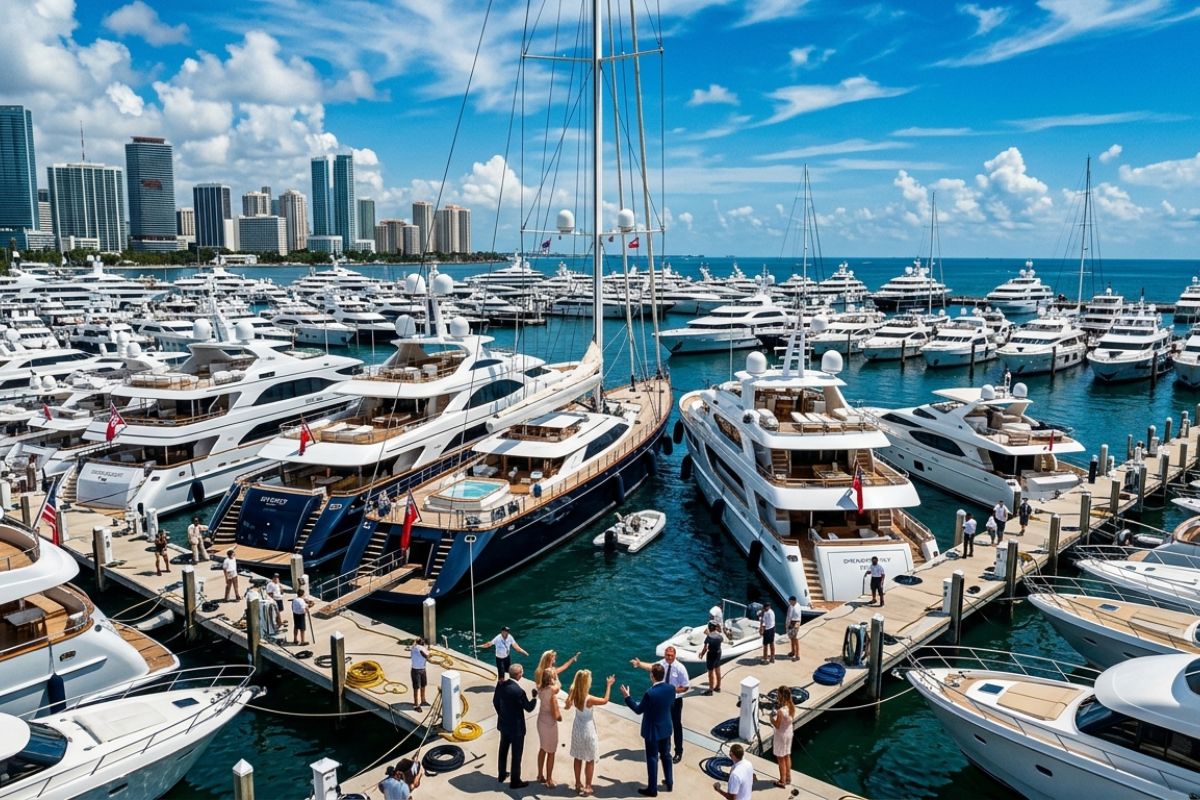
In Florida, megayachts of Jeff Bezos, Sergey Brin, and Mark Zuckerberg expose a simple limit: there is not enough dock space, and not all the money in the world buys a berth.
Florida has become the new address for part of the economic elite of the United States and, along with mansions and state relocations, came a very concrete problem: there is no space for more megayachts in the marinas. The result is a silent and costly competition for berths, with prices reaching US$ 500,000 per year just to gain access to a place to dock.
This chaos is not just a curiosity of the rich. It shows how the concentration of wealth pressures infrastructure, services, and ports, and reveals an uncomfortable point: when the docks are full, wealth does not solve the problem. And, to make matters worse, legal disputes are starting to multiply.
Why Florida Became the New Hub for the Ultra-Rich
What lies behind the congestion in the marinas goes beyond luxury. The movement is described as a geographical redistribution of economic power: ultra-rich individuals are leaving California and New York and concentrating in a coastal corridor that stretches from Miami to Palm Beach, Florida.
-
A Globo actor lives on a farm the size of 300 football fields in Teresópolis, where he produces cheese, honey, and organic chocolate, and has already planted 20,000 native trees.

-
This simple tool eliminates the need for a plumb line with each row, speeds up brick laying by up to 40%, and any laborer can align the wall by themselves, but almost no one in Brazil uses it on construction sites.

-
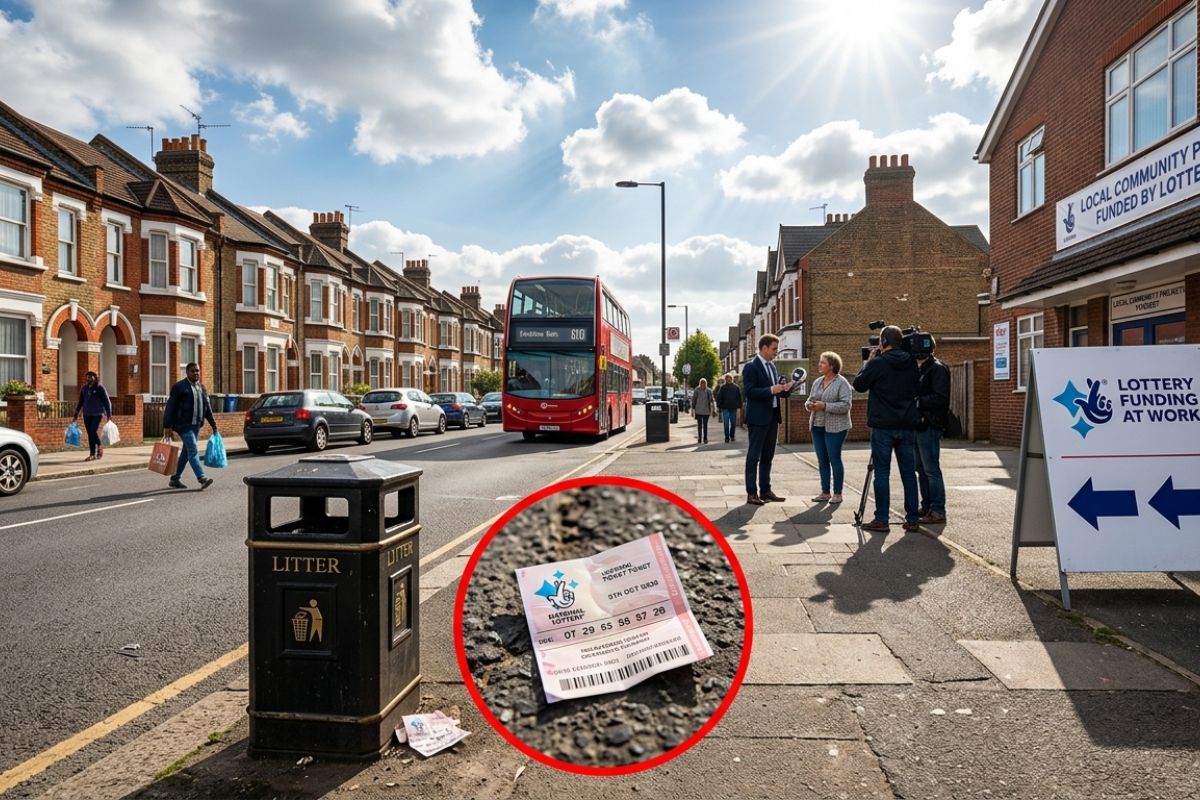
Won R$ 72 million in the British lottery, but lost it all for not claiming: October ticket in Bexley was forgotten, the 180-day deadline passed, and the fortune will fund local community projects in London.
-
Mixing vinegar with detergent in a blender has become the most talked-about cleaning trick on the internet because it solves a problem that everyone has in the kitchen in seconds and uses only two ingredients that you already have at home.


When this volume of wealth arrives all at once, everything becomes overloaded. Real estate, infrastructure, and services feel the pressure first, and the ports end up becoming the showcase of the problem because they operate with a physical limit that cannot be “quickly bought”: docking space.
Megayachts of Bezos, Brin, and Zuckerberg Expose the Size of the Bottleneck
The cited examples show why the pressure has exploded:
Jeff Bezos owns the Koru, a sailing yacht that is 125 meters long and 70 meters high, estimated at US$ 500 million. Sergey Brin has the Dragonfly, a megayacht measuring 142 meters, cited with a cost of US$ 450 million. Mark Zuckerberg has purchased two superyachts, Launchpad and Wingman, totaling US$ 330 million.
The common point is not just the size. It is the realization that, in Florida, they simply do not fit in the dock. In the case of the Koru, reports state that it did not fit in any marina in the region. After failing to dock it in Port Everglades, the offered solution was to park it next to oil tankers.
The Cost of Berths and the Escalation of Legal Disputes
With more megayachts arriving and few marinas truly capable of accommodating giant vessels, the consequence is direct: berths become scarce and prices skyrocket. The text cites values of up to half a million dollars per year to secure a spot.
And when the resource becomes rare, conflict arises. The described scenario includes an increase in legal disputes related to docking space. The reason is simple: there is not enough dock space for everyone, even when the boat owner has an unlimited budget.
There Are No Shortages of Marinas, There Is a Lack of Dock Space “of the Right Size”
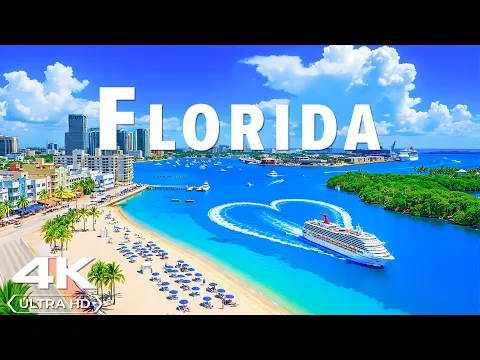

Florida has deep-water marinas for larger vessels. One cited example is the Island Gardens Deep Harbor, which can accommodate ships up to 170 meters long.
Ports like Palm Beach are also undergoing renovations that were scheduled for completion in 2022, according to reports.
Even so, this is not enough for the scale of the migration and the race among the ultra-rich for ever-larger vessels. The infrastructure exists, but it does not grow at the same pace as the money that has arrived.
Two Engines of the Movement: Power and Taxes
The text points out two main factors behind the migration of the economic elite to Florida:
Political Power and Influence
Donald Trump’s presence at Mar-a-Lago has reportedly transformed Palm Beach into a new epicenter of power. For businesspeople, being close to this center of influence is seen as a strategic advantage.
Taxes
Florida has no state income tax. At the same time, California is mentioned as intending to vote in the fall on a wealth tax aimed at the very rich. This difference in the tax environment is said to have accelerated relocation decisions.
When There Is No Berth, the Solution Becomes to Build Your Own Marina
One cited example shows how the lack of space even changes the behavior of billionaires. Ken Griffin, founder of the hedge fund Citadel and a Florida resident, reportedly obtained permission in November to build a private marina in Miami Beach, with capacity for nine boats, plus an art gallery and space for 300 guests.
The reason is straightforward: his superyacht, measuring nearly 100 meters, does not fit in the dock of his own mansion. Instead of competing for a spot, the strategy is to create private infrastructure.
What This “First World Problem” Really Reveals
The story may seem exaggerated, but it serves as a portrait of a real limit: infrastructure does not multiply at the pace of capital.
The port becomes the tip of the iceberg because it is where saturation becomes visible, and the crowded marina sends a clear message: even with money, it is not possible to dock where there is no space.
If you lived in Florida, would you find it acceptable to have crowded marinas and private works to accommodate megayachts, or should there be limits and stricter occupancy rules?





Seja o primeiro a reagir!