





 Portuguese
  English
  Spanish
  4 min of reading
  0 comments


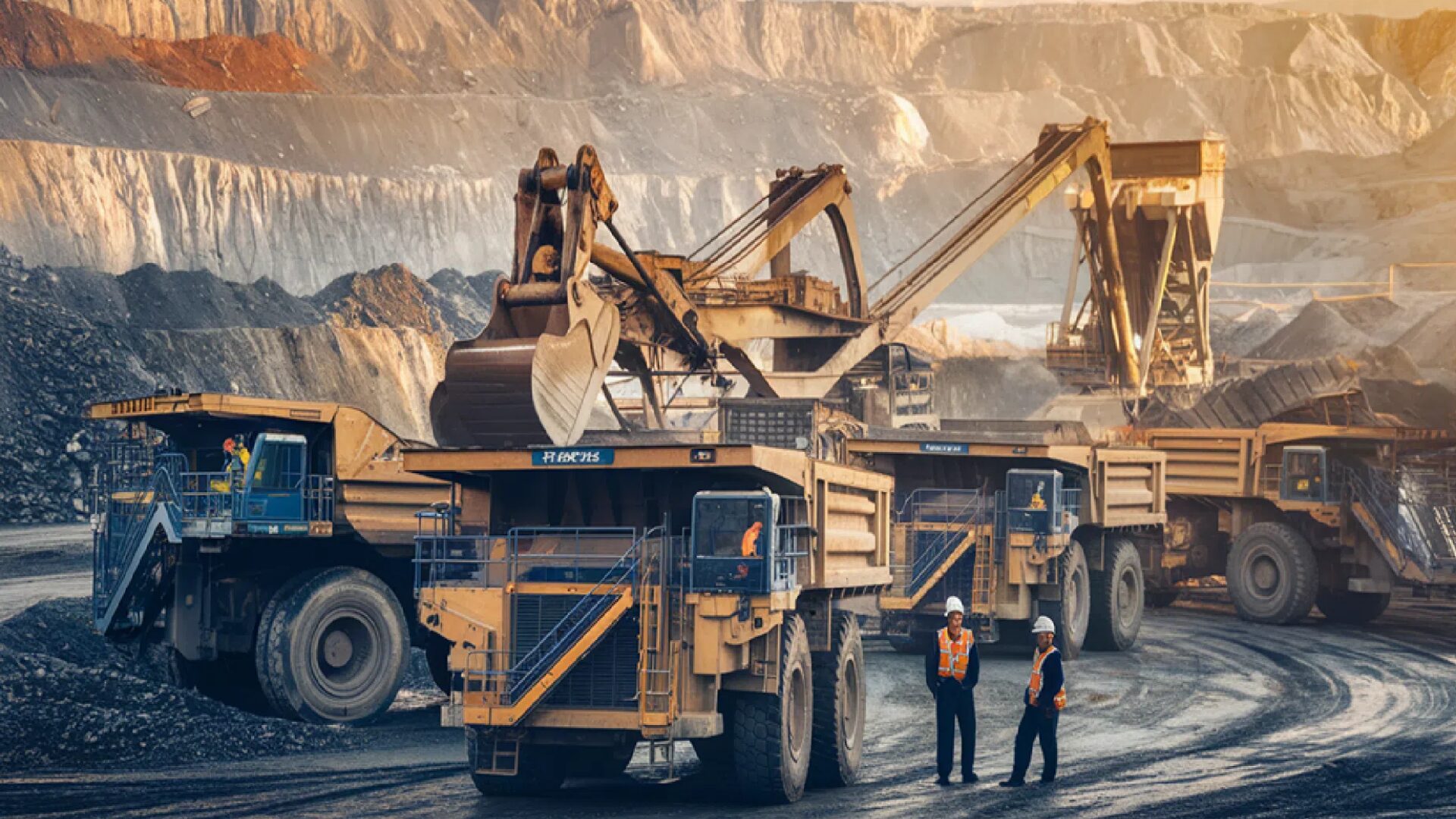
State Stands Out In The Mining Sector, Representing 40% Of National Revenue In The First Quarter Of 2025, According To Ibram
The mining sector in Brazil is undergoing a period of great transformation and growth, with an investment forecast of over US$ 68.3 billion by 2029. Minas Gerais, in particular, stands out as a protagonist in this scenario, with an expectation to receive US$ 16.5 billion in investments, which represents 24.1% of the total. These figures were recently released by the Brazilian Mining Institute (Ibram) and reflect the growing importance of mining in the national economy.
Revenue And Growth Of The Sector
According to Ibram, Minas Gerais is responsible for 40% of the revenue of the Brazilian mineral sector in the first quarter of 2025, totaling R$ 29.8 billion.
This result represents a growth of 5% compared to the same period of the previous year.
-
A new Brazilian shopping center worth R$ 400 million will be built in an area equivalent to more than 4 football fields, featuring 90 stores, 5 cinemas, a supermarket, a college, and parking for 1,700 cars, potentially generating 3,000 jobs.

-
Larger than entire cities in Brazil: BYD is building a 4.6 km² complex in Bahia with a capacity for 600,000 vehicles per year, but the discovery of 163 workers in conditions analogous to slavery has shaken the entire project.

-
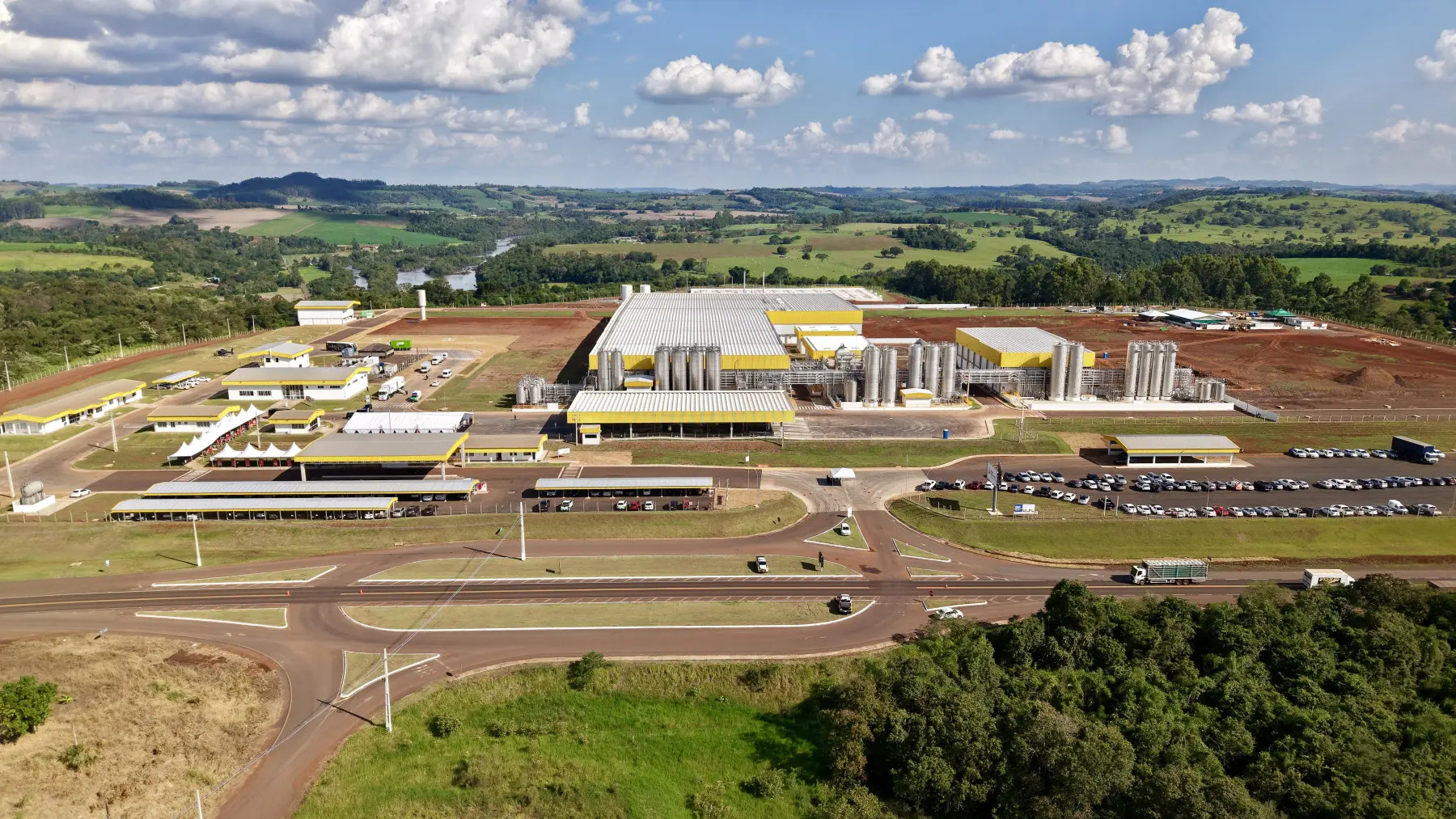
With an investment of R$ 612 million, a capacity to process 1.2 million liters of milk per day, Piracanjuba inaugurates a mega cheese factory that increases national production, reduces dependence on imports, and repositions Brazil on the global dairy map.
-
Brazilian city gains industrial hub for 85 companies that is equivalent to 55 football fields.


The sector as a whole generated R$ 73.8 billion, with an overall increase of 8.6%.
These numbers indicate that mining continues to be a fundamental pillar of the state’s economy, generating significant revenue and job opportunities.
Investments Directed To Critical Minerals
A large portion of the investments planned for Minas Gerais will be directed towards the exploration of critical minerals.
Lithium, in particular, has gained prominence as a vital component in battery production, especially with the rising demand for electric vehicles and sustainable technologies.
The regions of Northern Minas and the Jequitinhonha Valley are establishing themselves as strategic hubs for lithium production, with Salinas emerging as a potential global leader in the production of this mineral.
The CEO of Pilbara Minerals (PLS), Dale Henderson, announced an investment of US$ 370 million for the acquisition of Latin Resources, which is responsible for lithium exploration in Salinas.
This type of investment not only strengthens Brazil’s position in the global market but also contributes to local economic development, creating jobs and promoting technological advancement in mining.
The Increasing Demand For Minerals In The Future
The expectation is that by 2040, the global demand for critical minerals such as copper, lithium, nickel, cobalt, graphite, and rare earths will increase by more than 80%.
Brazil stands out in this scenario, holding the position of 5th largest producer of lithium and 7th in reserves.
This privileged position allows the country to capitalize on the growth of the battery and electronics industry, which is rapidly expanding.
Job Creation And Social Impact
In addition to financial growth, the mineral sector has created a significant number of new job vacancies.
This year, more than 2,000 new opportunities were created in the mining sector in Brazil.
Mining activities not only offer direct jobs but also generate a range of indirect employment in sectors such as transportation, logistics, and services, contributing to the economic development of local communities.
Exports And International Markets
Iron ore remains the flagship of Brazilian mineral exports, accounting for 53% of the sector’s revenue, with R$ 38.8 billion generated.
Despite a slight decline of 13% in export value, Brazil exported about 87.7 million tons of mineral products in the first quarter of 2025, a 0.3% increase compared to the previous year.
China stands out as the main destination for Brazilian exports, absorbing 68.3% of the total.
On the other hand, imports are declining, with a reduction of 17.1% in dollars and 6.3% in tons.
The main sources of mineral imports are the United States, Russia, Australia, and Canada, reflecting the globalization of the sector and the interdependence among countries in the production chain of minerals.
The Role Of Ibram And Sustainability In Mining
The Ibram plays a crucial role in monitoring and promoting the Brazilian mineral sector.
The entity provides vital information about market developments, investment trends, and sustainable practices.
Sustainability is an increasing concern in the mining sector, with companies investing in technologies that minimize environmental impacts and promote social responsibility.
Initiatives for the recovery of degraded areas, the use of clean technologies, and the promotion of responsible mining practices are becoming increasingly common.
Brazil, by focusing on critical minerals and sustainable practices, can position itself as a leader not only in production but also in environmental responsibility in the mining sector.
These investments in critical minerals, along with the growing global demand, place Minas Gerais in a strategic position to become a center of excellence in mining, significantly contributing to Brazil’s economic development in the coming years.
SOURCE: OTEMPO





Seja o primeiro a reagir!