





 Português
  Inglês
  Espanhol
 4 min de leitura
  70 comentários


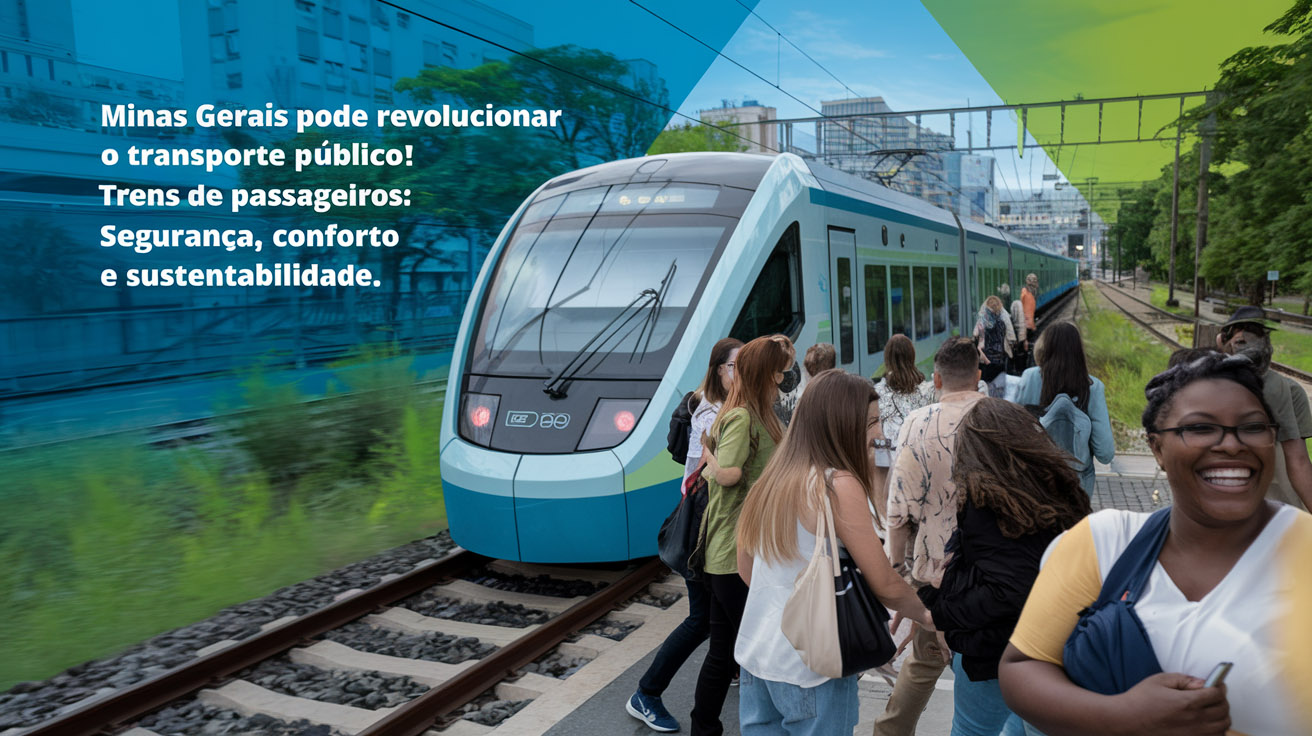


Passenger trains can revolutionize transport in Minas Gerais! With safety, sustainability, and comfort, the railway modal is under debate at ALMG. This recovery promises to positively impact the lives of millions and provide solutions to mobility problems.
Imagine a scenario where public transport can transform the lives of millions of people, promoting safety, sustainability, and comfort.
This possibility seems closer to becoming a reality in Minas Gerais, where a crucial discussion about passenger trains promises to open paths for a more efficient and humane future.
However, what is at stake goes beyond simple transportation: it is an issue that touches on quality of life, the environment, and even the state’s economy.
-
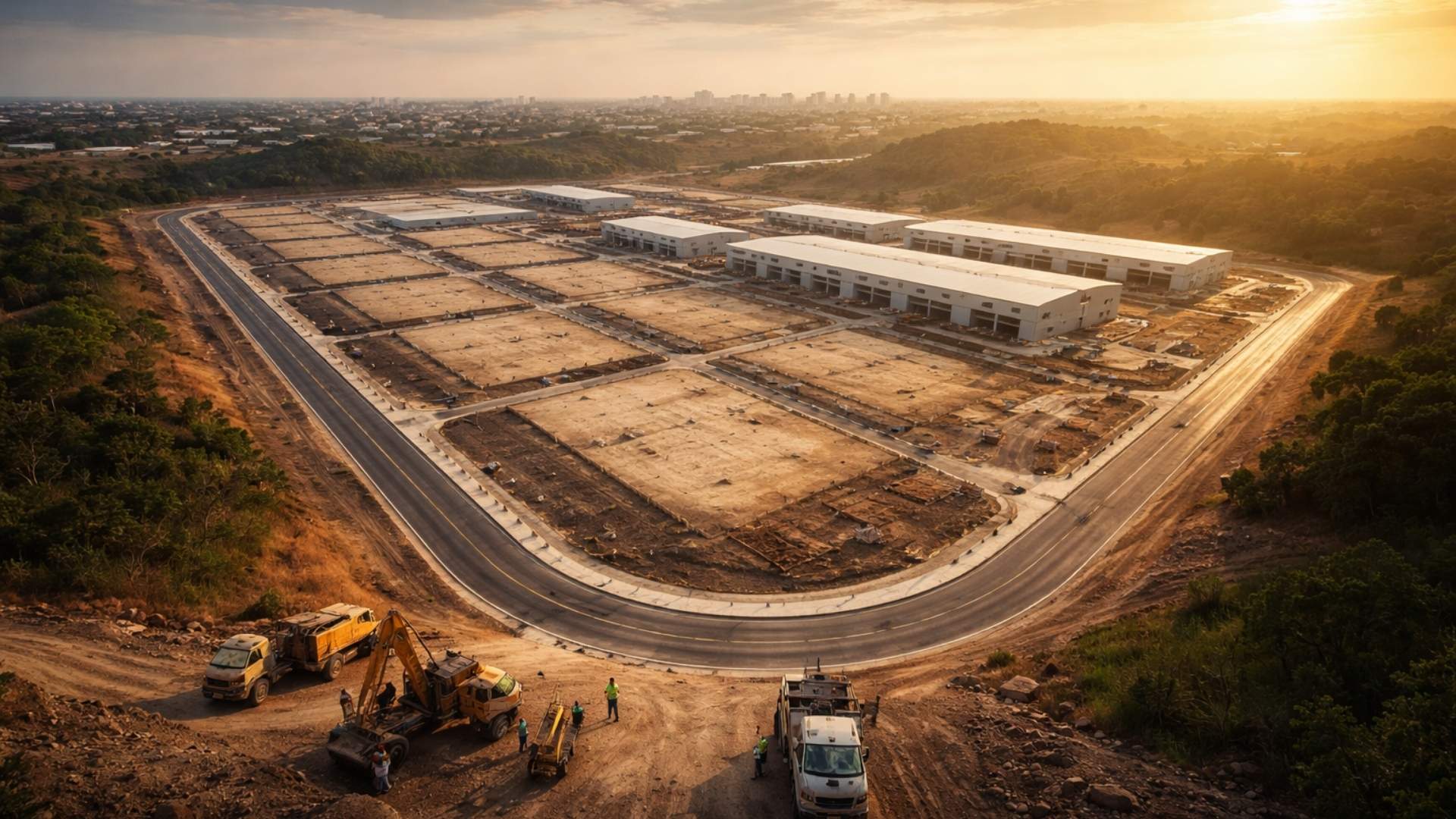
Brazilian city gains industrial hub for 85 companies that is equivalent to 55 football fields.

-
Peugeot and Citroën factory in Argentina cuts production by half and opens a layoff program for more than 2,000 employees after Brazil drastically reduced purchases of Argentine vehicles.

-
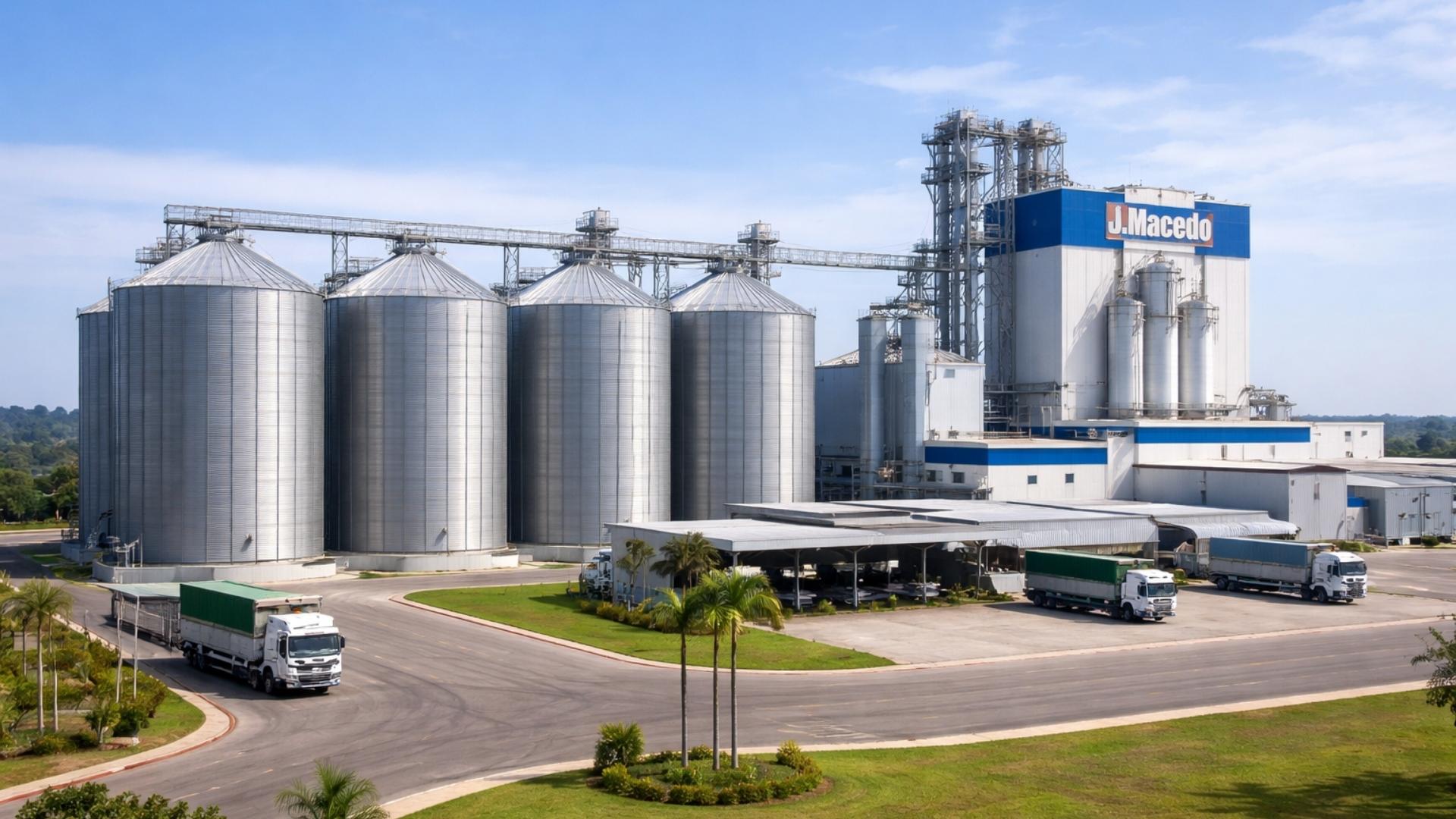
A Brazilian city gains a factory worth R$ 300 million with the capacity to process 200 thousand tons of wheat per year, a mill of 660 tons/day, silos for 42 thousand tons, and an industrial area of 276 thousand m².
-
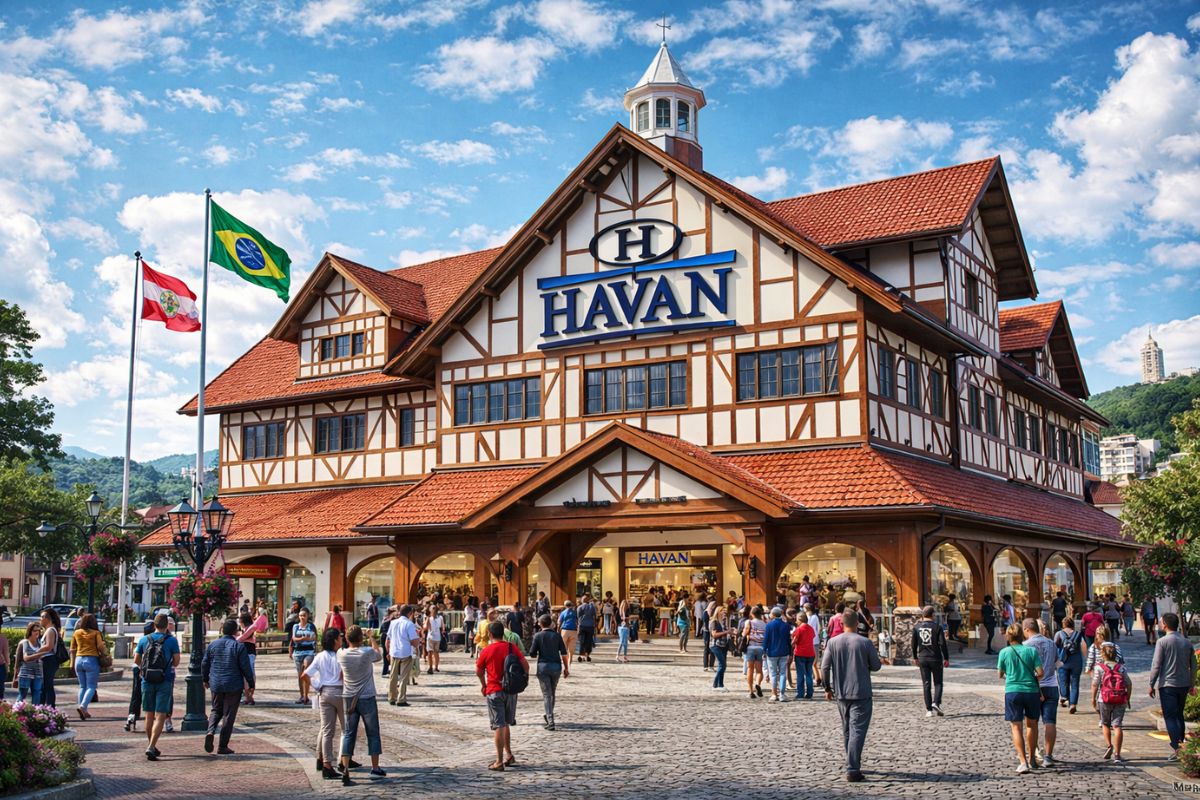
Havan will leave the shopping mall in Blumenau to inaugurate something that the chain has never done before: a megastore in half-timbered style in the Historic Center of the city, which is expected to be completed in May and change the landscape of local retail.

The Urgency of More Efficient and Safe Transport
According to the Legislative Assembly of Minas Gerais (ALMG), the Commission on Labor, Social Security, and Social Assistance held a meeting this Thursday (12) to discuss the resumption of passenger trains in the Metropolitan Region of Belo Horizonte (RMBH).
This hearing evaluated the impacts of the absence of this mode of transport on the lives of workers and explored ways to make it feasible.
The request for the debate was made by Congressman Betão (PT), chair of the committee. According to the parliamentarian, the discussion could not be more timely.
“We are close to the renewal of billion-dollar concessions that can indeed change the lives of workers in the RMBH. They risk their lives on the roads and do not have access to safe and quality transport,” he stated.
He highlighted that Minas Gerais has the largest railway network in the country, with nearly 5,000 kilometers in length, but uses this infrastructure minimally for passenger transport.
Impacts on Safety and Urban Sustainability
The data presented by Congressman Betão reinforces the gravity of the problem. In 2022, Brazilian highways recorded 64,547 accidents, resulting in 18,132 serious injuries and 5,439 deaths.
In comparison, railways reported significantly lower numbers: 782 accidents, 237 injuries, and 112 deaths, according to data from the National Land Transport Agency (ANTT).
This discrepancy highlights how rail transport can offer a safer and more efficient alternative.
Furthermore, the adoption of trains as a means of urban transport would help reduce the use of road vehicles, decreasing traffic and pollutant emissions in the capital and its surroundings.
Unions and Civil Society Organize
During the meeting, unions and representatives of entities related to urban transport will submit a formal request for ALMG to monitor the renewal terms of railway concessions scheduled for 2025.
They also demand the expansion of the railway network aimed at passenger transport.
According to the organizers, this expansion is essential to meet the needs of the population that faces the chaos of traffic and the lack of viable transport options daily.
The Train as an Integrated Solution
Besides being safer, passenger trains are seen as a fast, comfortable, and sustainable means of transport.
Experts argue that its implementation would not only benefit urban mobility but also reduce the number of road vehicles accessing Belo Horizonte, alleviating heavy traffic and contributing to air quality.
The absence of this type of transport also generates economic impacts.
According to experts consulted during the debate, rail transport could reduce logistical costs for workers and companies, as well as boost tourism in cities connected by the railway network.
A Unique Opportunity
Minas Gerais is at a decisive moment to reevaluate the use of its extensive railway network.
Despite housing over 180 municipalities interconnected by tracks, currently, only one passenger transport service operates, the train between Belo Horizonte and Vitória.
According to experts, the renewal of concessions scheduled for 2025 could be a unique opportunity to transform this reality.
What to Expect from the Future of Rail Transport?
As advocated by leaders and entities, rail transport is a promising solution to many of the urban challenges currently faced.
However, for this to become a reality, a joint effort between the public sector, civil society, and the private initiative will be necessary.
The ALMG hearing represents an important step in this direction, but mobilization must continue to ensure that passenger transport returns to occupy a central role in Minas Gerais.
Do you think passenger trains can really transform public transport in Minas Gerais? Share your opinion in the comments!








Ótima opção, tomara que saia do papel e se torne realidade
Vai ser sensacional, adoraria viajar em um desces grandoes,com segurança eh conforto . Primeiro os nossos governantes envestisse mais ,eh desafogasse o trânsito .que eh uma máquina de matar pessoas….
…com este desgoverno bolzónarista, NUNCA, todo o dinheiro desaparece é NADA foi construído ou melhorado nestes 8 anos de ****!