





 English
  Francês
  Alemão
  Italiano
  Japonês
  Norueguês
  Portuguese
  Spanish
  8 min of reading
  0 comments


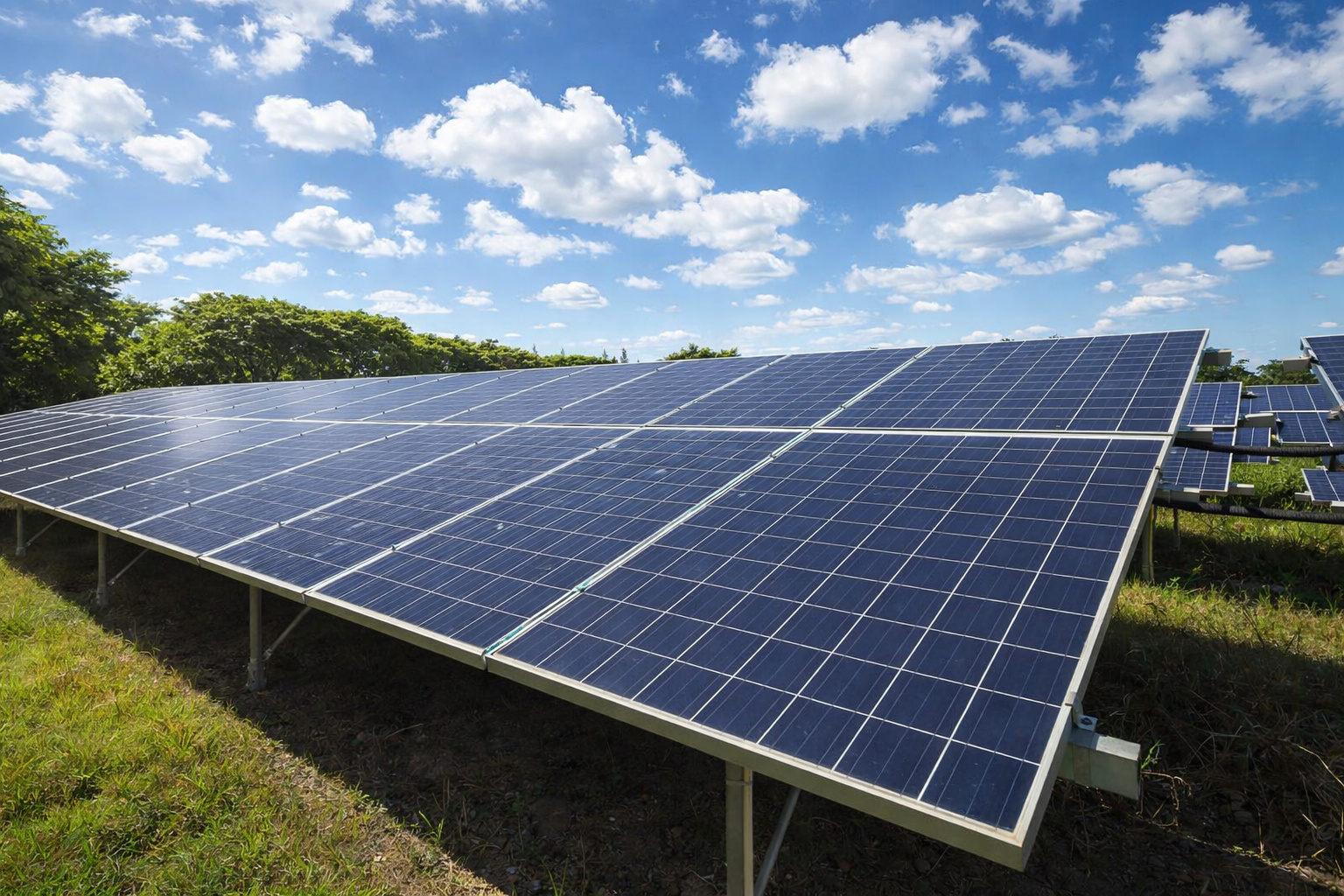
With investments exceeding R$ 40 billion, the mining territory reaches installed capacity capable of supplying millions of residences and isolates itself as the main hub of clean energy in Latin America.
Minas Gerais has just consolidated its position as the largest photovoltaic power in Brazil by reaching the historic mark of 14 gigawatts (GW) of installed capacity in solar energy generation in MG.
The state comfortably leads the national ranking, driven by public policies of tax incentives and privileged solar irradiation. This attracts billion-dollar investments from large companies and massive adoption by residential and rural consumers seeking to reduce electricity costs.
This advancement represents a qualitative leap in the mining electrical matrix, diversifying sources and decreasing the historical dependence on large hydroelectric plants, which suffer from the instability of rainfall regimes.
-
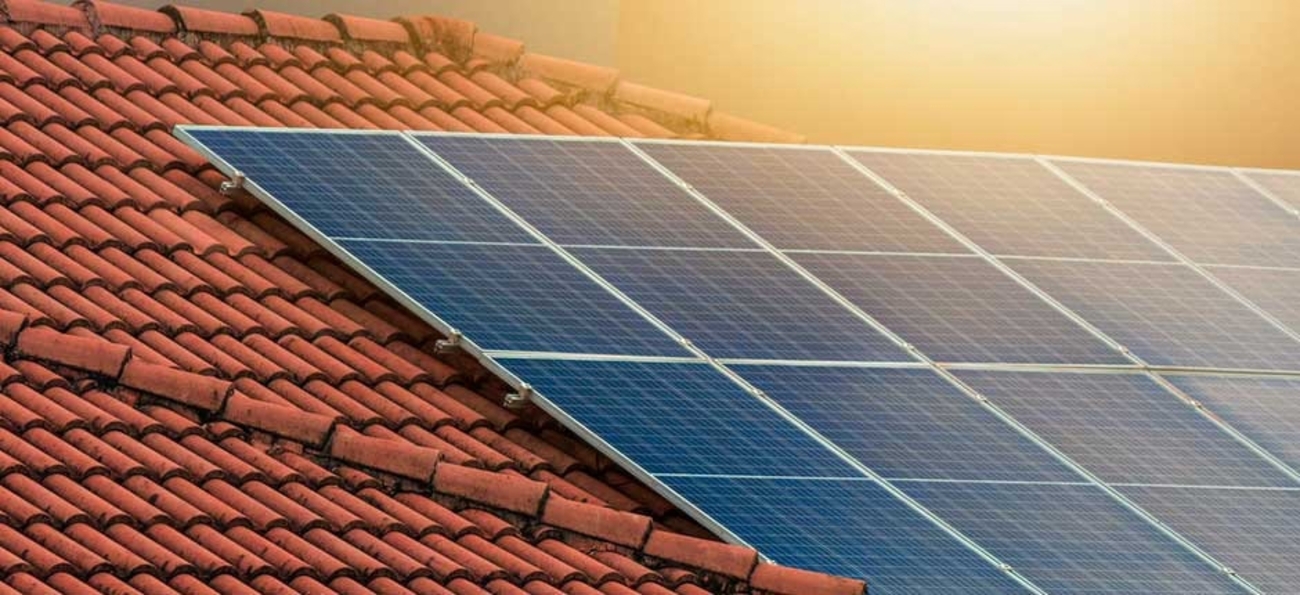
Roraima bets on the sun to escape high tariffs: Amid the energy crisis and price hikes, solar energy is growing in Roraima and transforming consumption in the North region.
-
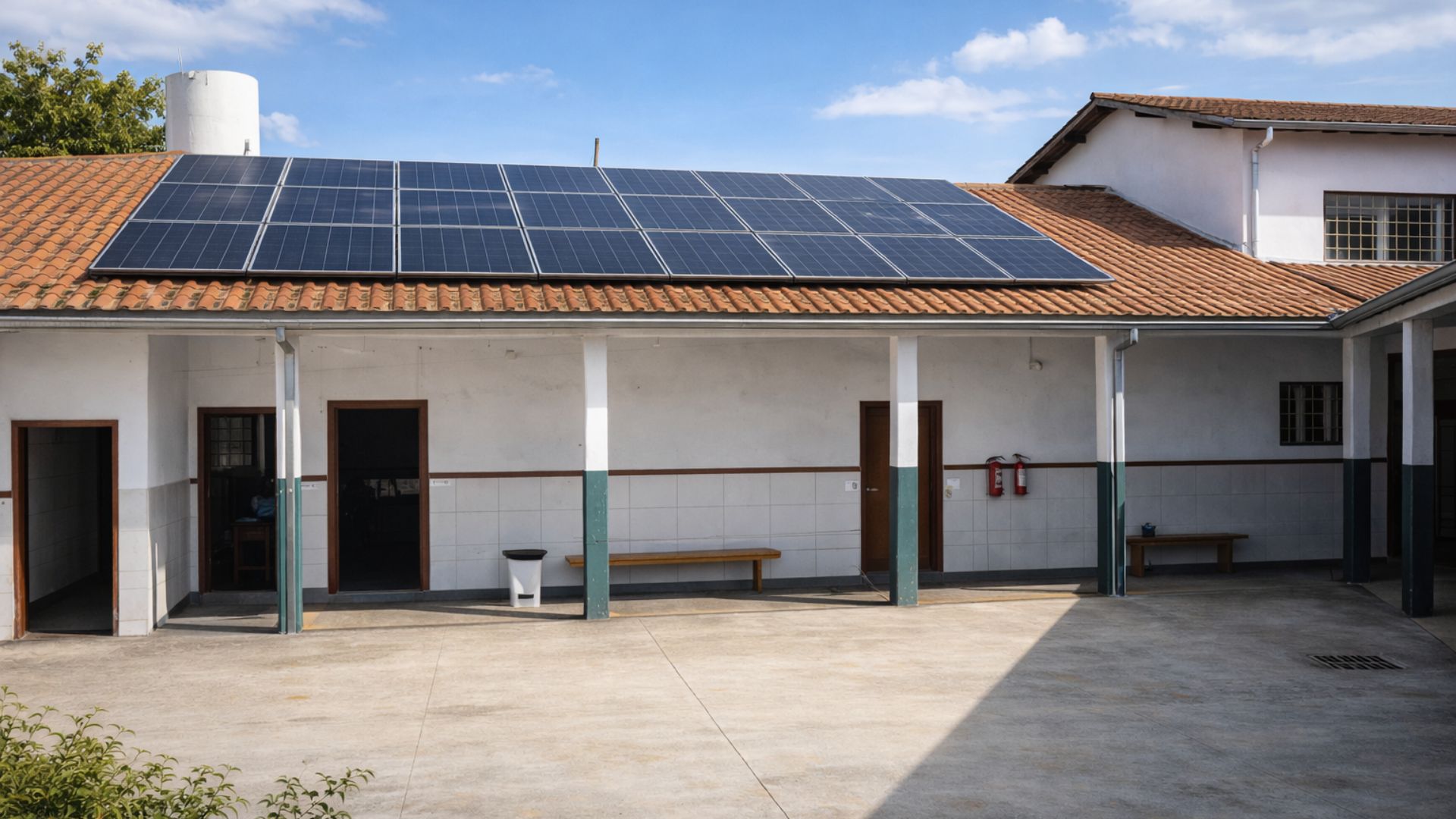
Copel boosts solar energy in Paraná and brings innovation to public schools, promoting savings on electricity bills, energy efficiency, and a direct impact on the quality of education.
-
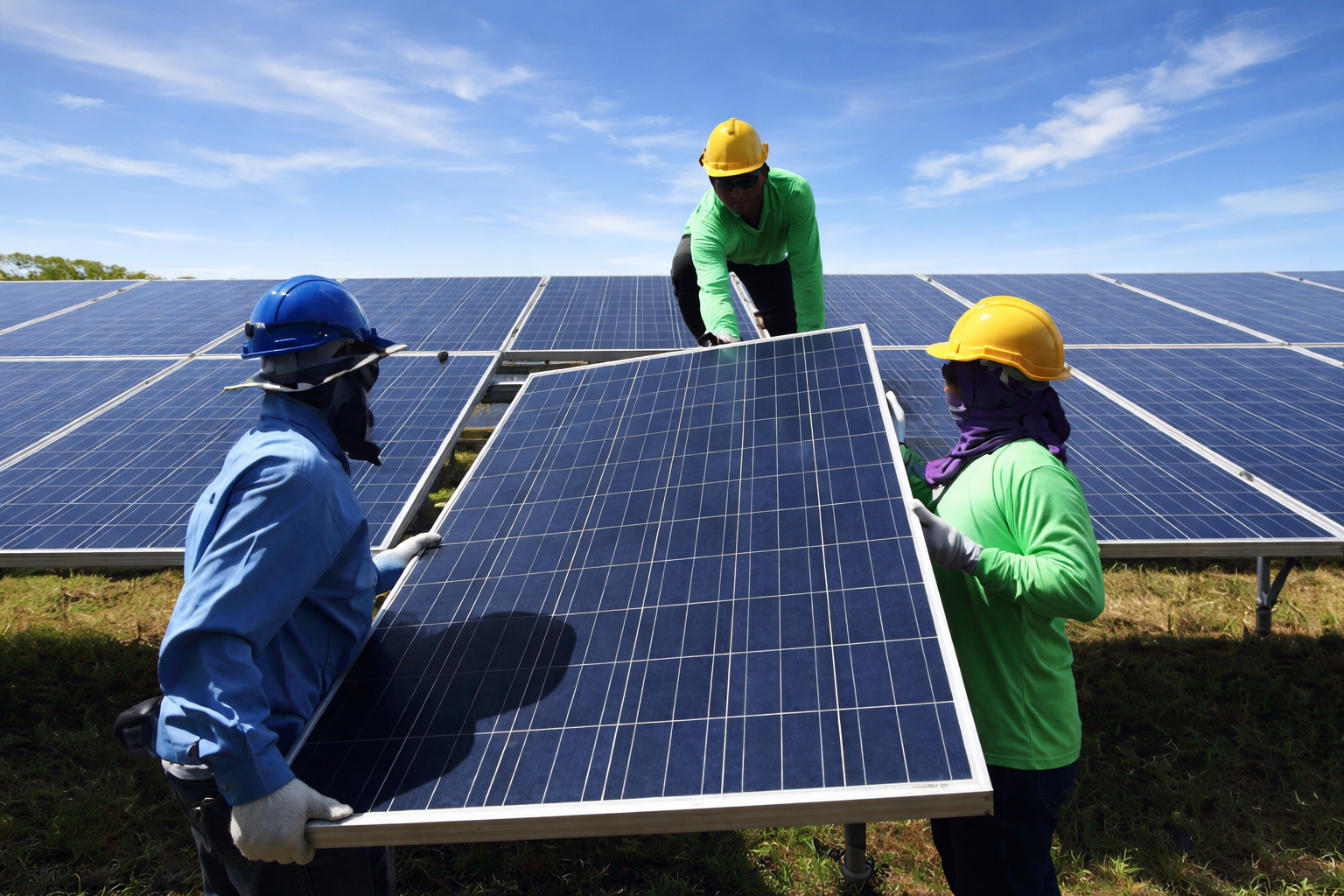
Brazil reaches historic milestone in solar energy: Sector surpasses 2 million accumulated green jobs and generates billions in the national economy even under market pressure.
-
Minas Gerais transforms solar energy into an economic engine by reaching an unprecedented level, generating jobs, attracting investments, and consolidating national leadership in the production of sustainable clean energy.
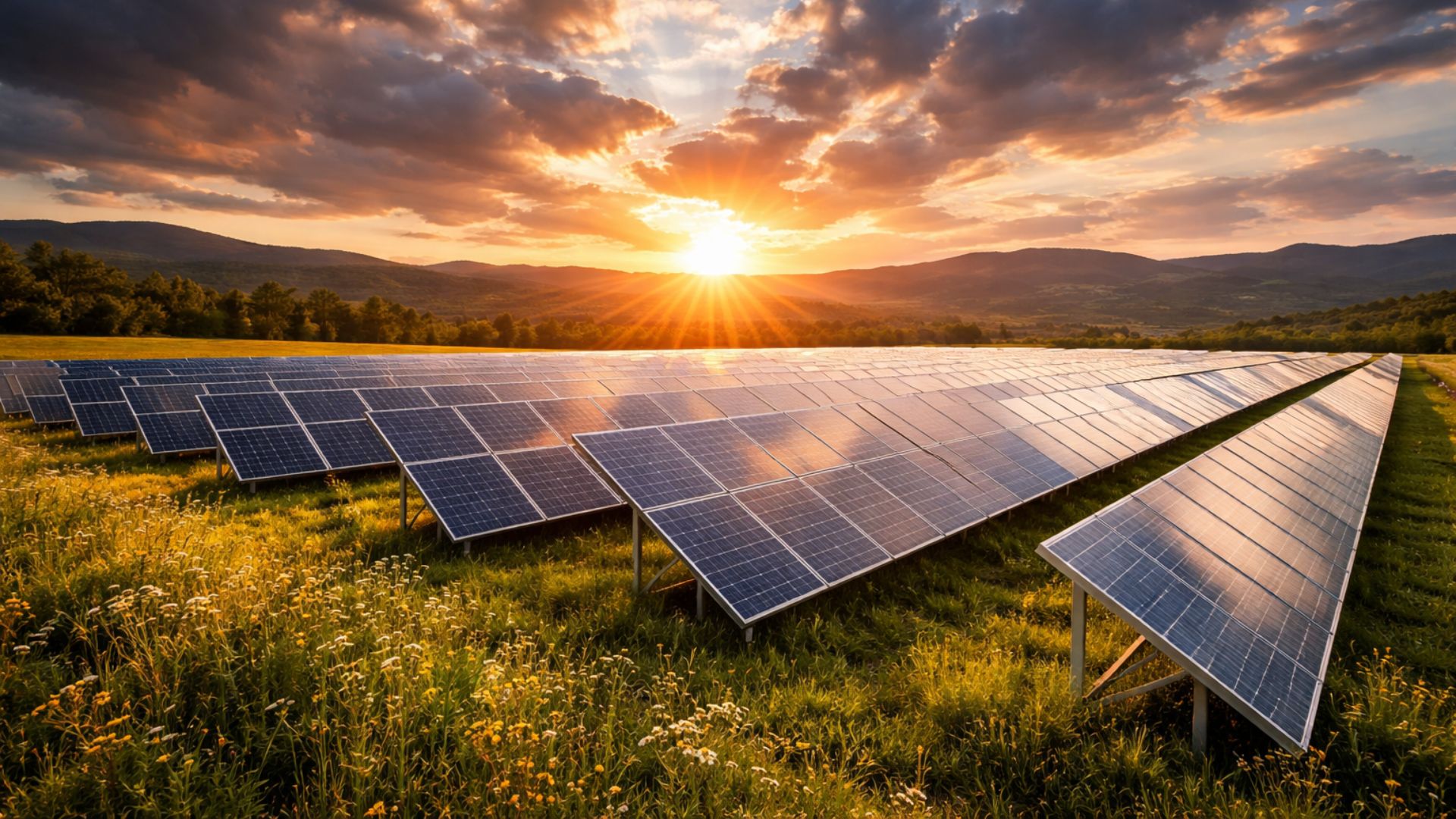

The mark of 14 GW is not just a statistical number; it symbolizes the transformation of a state that once exported ore and now exports sustainability.
The state government and sector associations celebrate this record as the result of a decade of strategic planning, where the simplification of processes and legal security allowed both industry giants and ordinary citizens to invest with confidence.
Minas Gerais thus becomes a mirror of what Brazil can achieve in terms of global energy transition, using the sun as the main engine of its new industrial and technological economy.
Accelerated expansion of solar energy generation in MG transforms the economic landscape of the state
The mining territory has reached a level that places it ahead of several European countries in terms of energy transition. The mark of 14 GW represents not only an environmental milestone but fundamentally an economic one. To give an idea of the magnitude of this number, 1 GW of power can supply approximately 500 thousand residences.
Therefore, the current installed capacity in mining territory theoretically has the potential to serve millions of homes and industries, ensuring energy security and long-term sustainability. The leadership in solar energy generation in MG results from a strategic combination of nature and robust legislation.
The state has what is called “Golden Sun,” especially in the Northern region and the Jequitinhonha Valley, where solar radiation indices rank among the highest and most constant in the country. In addition, the state government has implemented, over the past decade, programs like “Mineirança Solar,” which streamlined environmental licensing for plants and offered strategic ICMS exemptions for micro and mini distributed generation.

This favorable situation created an ecosystem where installation costs pay off quickly, attracting capital that previously circulated only in the financial market to real energy infrastructure assets. Regional development gains momentum with the arrival of new companies seeking states with cheap and renewable energy to establish their high-demand production plants.
The impact of Distributed Generation on the mining record
Unlike other states that rely exclusively on large solar parks, known as centralized generation, the success of solar energy generation in MG lies in the capillarity of Distributed Generation (GD).
GD occurs when the consumer installs photovoltaic panels on their roof or nearby land to generate their own electricity. Currently, Minas Gerais holds the largest share of GD systems in Brazil, totaling almost 70% of the installed capacity in the state. Small businesses, rural properties, schools, and urban residences make up the majority of this 14 GW capacity.
This phenomenon democratizes access to clean energy and relieves pressure on the National Interconnected System (SIN), drastically reducing the risk of blackouts and the need to activate expensive and polluting thermoelectric plants during peak hours.
Solar energy companies in MG highlight that the demand for installation of photovoltaic kits is growing at rates exceeding 20% per year in the state, driven by the perception that solar energy is the best investment available for the average citizen.
The return on investment (payback), which previously took about six to seven years, now occurs in less than four years in many mining regions. This makes the technology accessible and viable for the middle class, small rural producers, and micro-entrepreneurs who see their electricity bill as their largest fixed monthly cost.
Billion-dollar investments and job creation in the solar sector
Reaching 14 GW of installed capacity has mobilized a gigantic and complex production chain. Sector estimates indicate that the expansion of solar energy generation in MG has already attracted over R$ 40 billion in direct investments. This massive capital irrigates the local economy of small municipalities that previously depended exclusively on subsistence agriculture or traditional mining.
The installation and maintenance of solar plants generate thousands of highly qualified direct and indirect jobs, from electrical engineers and network specialists to installers, maintenance technicians, and sales consultants, for example. The mining workforce is rapidly specializing to meet the growing demand.
Cities like Janaúba, Pirapora, and Paracatu have become reference technological hubs, housing some of the largest photovoltaic complexes in Latin America. Furthermore, the supply chain is also gaining unprecedented strength in the state.
Minas Gerais now hosts factories for supporting metal structures, inverter industries, and electrical components that serve not only the internal mining market but also export technology to all other Brazilian states.
The verticalization of this industry strengthens the mining GDP, reduces dependence on Chinese imports, and places the state at the absolute forefront of the green economy in the southern hemisphere, creating a virtuous cycle of technical prosperity.

Sustainability and the reduction of carbon footprint in Minas Gerais
The relevance of solar energy generation in MG goes beyond financial profits and reaches the core of global environmental goals. By massively opting for solar energy, the state avoids the emission of millions of tons of carbon dioxide (CO2) into the atmosphere every year, actively combating the greenhouse effect.
In a scenario of severe climate change and international pressures for decarbonization targets (Net Zero), Minas Gerais presents a successful model that serves as a practical example for the world. Solar energy is a renewable source that consumes little or almost no water compared to hydroelectric or biomass thermoelectric plants. A critical factor considering the prolonged drought periods that recurrently affect the watersheds of the Southeast.
The preservation of water resources for human consumption and agriculture becomes an easier task when the state electrical matrix diversifies its sources with the intelligent use of the sun. Furthermore, the installation of solar panels in degraded areas or rooftops avoids deforestation for the creation of new hydroelectric reservoirs.
The positive impact extends to local biodiversity, as solar energy is silent and does not interfere with neighboring ecosystems. Thus, Minas Gerais fulfills the role of environmental guardian while promoting industrial growth, proving that it is possible to unite economic development with the rigorous protection of natural heritage for future generations.
Challenges and the future of photovoltaic energy in mining territory
Despite the historic mark of 14 GW, the sector still faces technical and regulatory challenges that require immediate attention. The exponential growth of solar energy generation in MG demands constant and heavy investments in modernizing the distribution network. Energy companies need to update substations and transmission lines to support the bidirectional flow of load that occurs when the consumer injects excess generation into the public grid.

Experts point out that the next big step to consolidate Minas Gerais’ leadership is the popularization of large-scale storage batteries. With Battery Energy Storage Systems (BESS), homes and industries will be able to use the energy generated during peak solar hours even at night, increasing the autonomy and stability of the entire state electrical system. Another point of attention lies in maintaining tax incentives and the stability of compensation rules.
The sector closely monitors discussions in the National Congress and at Aneel to ensure that the installation of new systems remains financially attractive for small investors. However, optimism prevails, and the trend is that Minas Gerais will exceed 20 GW of installed capacity before the end of this decade, remaining as the beacon of clean energy in Brazil and a hub for innovation in new renewable technologies.
How the population benefits from Minas’ solar leadership
For the average citizen from Belo Horizonte to the Triângulo Mineiro, the advancement of solar energy generation in MG means, above all, freedom of choice and protection against energy inflation.
The model of solar energy cooperatives, extremely strong in the state, allows people living in rented apartments or who do not have physical space for solar panels to also enjoy real discounts on their electricity bills.
In this innovative model, the consumer “rents” shares of a remote solar farm located in high-radiation areas and receives energy credits directly on their monthly bill without needing to install a single screw in their home. This social and technological innovation ensures that the savings generated by the sun reach all layers of society, democratizing access to financial benefits.
The impact is felt in families’ pockets, allowing them to reduce their monthly expenses by up to 95%, leaving more income for the consumption of other local goods and services. Furthermore, the increase in solar energy supply tends to lower the overall cost of electricity for all consumers in the long run, as solar energy is now one of the cheapest to produce in the world.
Minas Gerais shows that solar technology is not a luxury for the few, but a powerful tool for social justice and financial relief for the people of Minas.
The Sun as the engine of mining development
The official announcement that Minas Gerais has surpassed 14 GW in solar energy generation definitively confirms that the state has chosen the path of energy modernity and fossil independence. The combination of abundant sun for almost 365 days a year, favorable legislation, and a dynamic business community has transformed the mining mountains into a sea of silicon, glass, and cutting-edge technology.
Solar energy generation in MG no longer represents a distant promise of the future or a pilot project; it is a thriving economic reality that generates billion-dollar income, preserves the environment, and lowers the cost of living for millions of Brazilians residing in the state.
As the world seeks urgent solutions to the global climate crisis, Minas Gerais practically demonstrates that the answer is right above our heads, shining every day with a unique intensity.
The record of 14 GW serves merely as a stepping stone in a climb that promises to position Brazil as the absolute global protagonist of clean energy, with the mining DNA leading every step of this historic process. The commitment to innovation, coupled with the courage to invest in alternative sources, ensures that the state remains at the top of the ranking for many years. Minas Gerais now teaches the rest of the country that the sun, in addition to illuminating, can be the greatest source of wealth and sovereignty for an entire nation.








Seja o primeiro a reagir!