





 Portuguese
  English
  Spanish
  3 min of reading
  0 comments


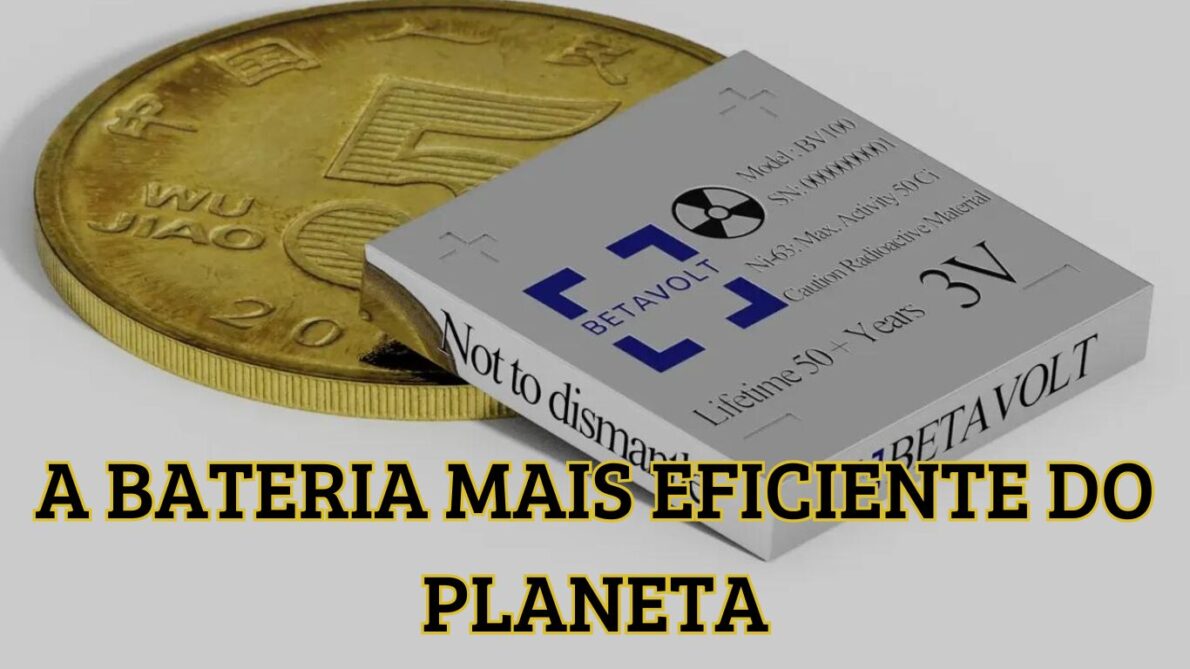
Betavolt Innovation In China Could End Dependence On Frequent Recharges: Have You Ever Imagined Using A Phone Without Ever Needing To Recharge?
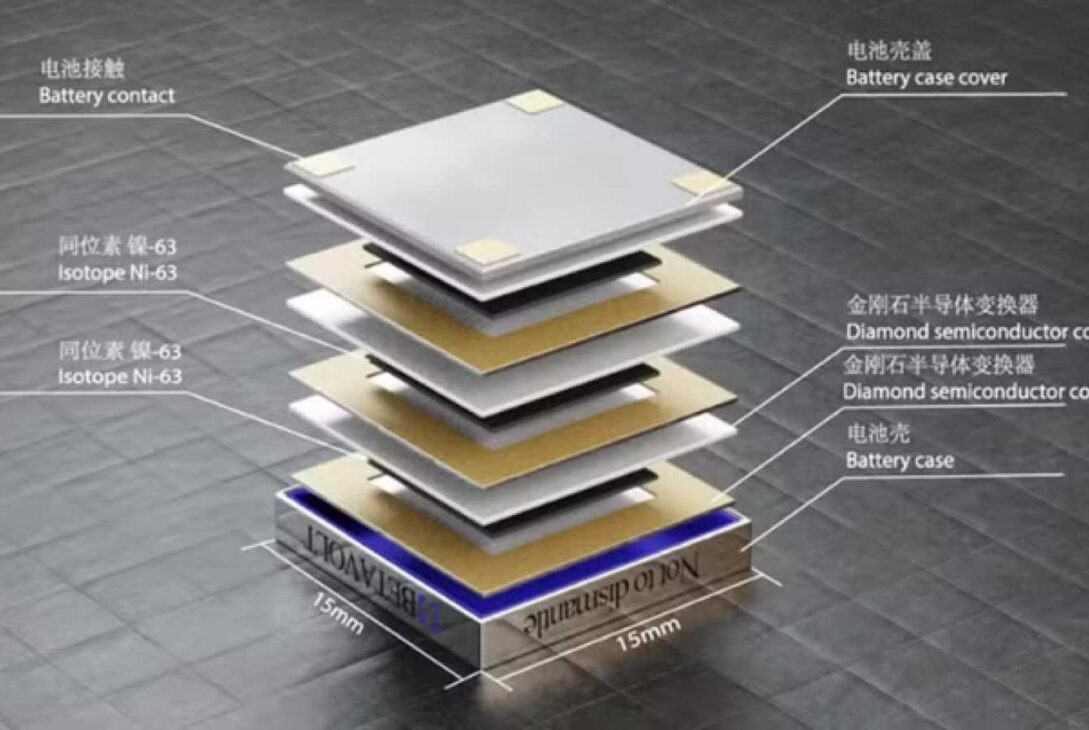
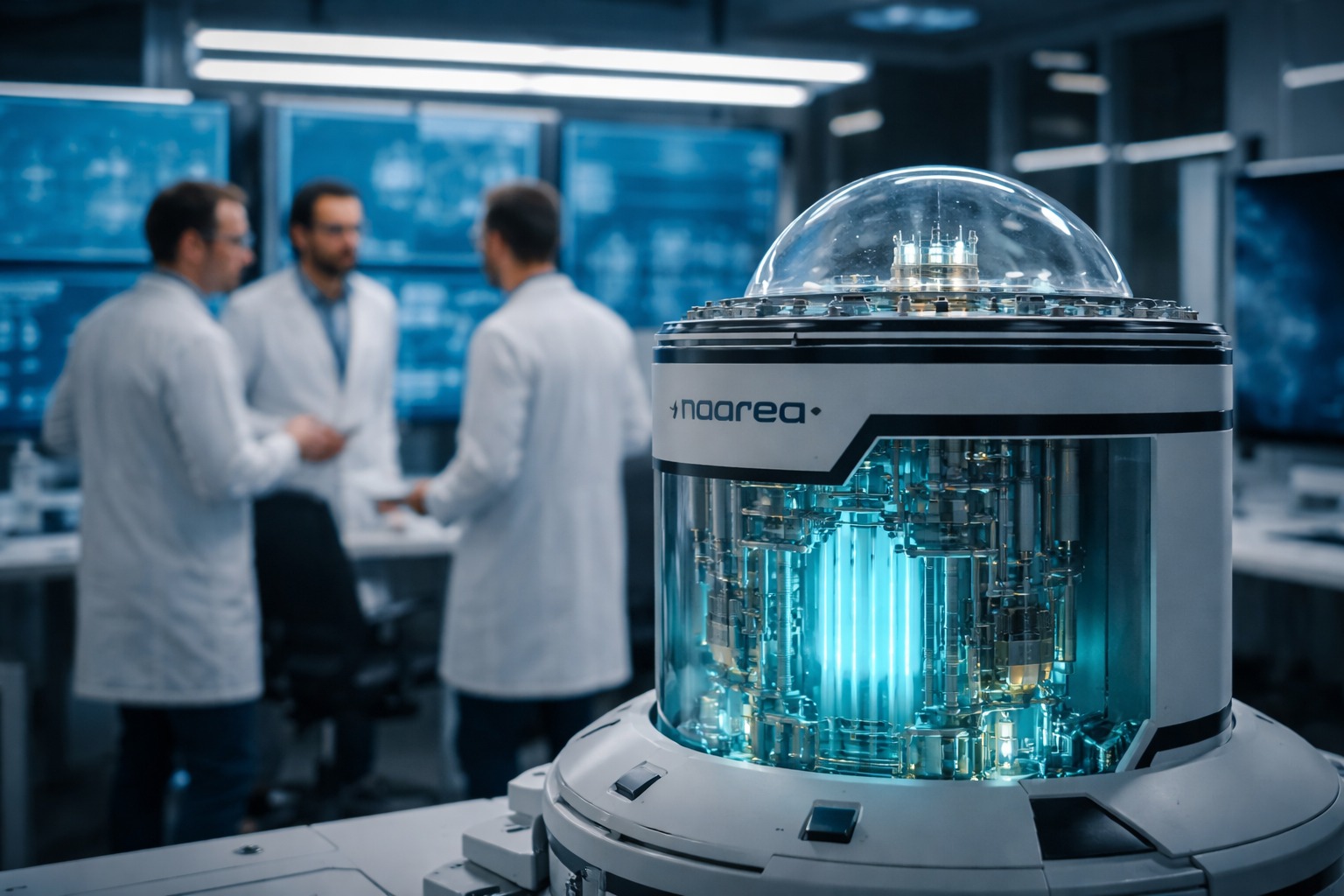
In a world where technology is an extension of ourselves, energy autonomy has become one of the most pressing challenges. Betavolt, a Chinese startup, emerges as a protagonist in this narrative by developing a nuclear microbattery that promises to revolutionize the market. With tiny dimensions of 15 x 15 x 5 mm, this power source offers an output of 100 microwatts at 3 volts for a staggering period of 50 years.
Energy That Flows Without Interruptions
The company has dubbed the Betavolt BV100 as a milestone in the history of nuclear energy, highlighting that this is the first time atomic power is condensed into such a small size. It also reports that the battery, currently in pilot testing, will soon be ready for mass production for devices such as smartphones and drones.
Technological Advancement And Sustainability
Besides its longevity, Betavolt’s nuclear microbattery stands out for its safety and sustainability. At the end of its life cycle, the nickel-63 isotope transforms into a stable, non-radioactive, and environmentally friendly copper isotope. This eliminates the need for costly recycling processes, differentiating it from traditional chemical batteries.
-
Fukushima Marks A Turning Point In Japan’s Energy Policy: After The Disaster, The Country Shut Down Its 54 Nuclear Reactors And, 15 Years Later, Only A Small Portion Have Returned To Operation

-
How Japan Overcame The Nuclear Bomb And Now Houses Millions In Hiroshima, While Ukraine Lost Chernobyl?

-
Bill Gates Receives Historic Approval to Build Giant 345 MW Nuclear Plant in the U.S. and Promises to Generate Up to 500 MW of Energy with Innovative Technology

-
India Opens Nuclear Energy to Private Capital to Accelerate Projects and Attract Billions, While Brazil Remains Stalled at Angra 3 and Discusses Who Will Foot the Bill for Completion
The Era Of Atomic Microbatteries
The nuclear microbattery works by converting the energy released from the decay of nuclear isotopes into electricity. This process, explored during the Cold War, is now applied on a much smaller scale with improved efficiency. The energy density of the atomic battery is ten times greater than that of lithium batteries, storing 3,300 megawatt-hours in just 1 gram.
Challenges Of Nuclear Energy: Safety And Risk Management
Despite significant advancements, nuclear energy still carries inherent risks that cannot be ignored. Betavolt, while a pioneer in China with its nuclear microbattery, must carefully navigate the waters of atomic safety. Waste management, potential contamination, and security challenges are critical aspects that require ongoing attention. However, strict safety protocols must accompany the transition to this new energy era, ensuring that potential threats do not overshadow the benefits of nuclear batteries.
China At The Forefront Of Innovation
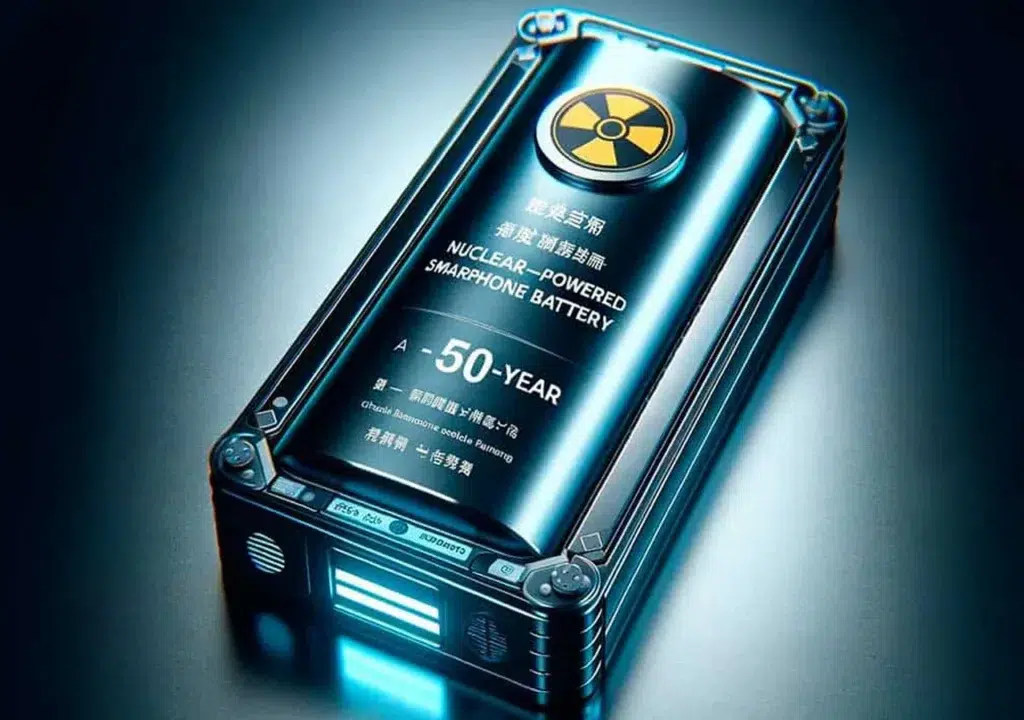
Therefore, China reaffirms its position as a leader in technological innovation with Betavolt. This new battery not only promises a revolution in how we power our devices but also in how we think about energy and sustainability. Thus, the Betavolt BV100 becomes a giant step toward a future where worrying about phone charges or drone autonomy will be a thing of the past.







Seja o primeiro a reagir!