





 English
  Francês
  Alemão
  Italiano
  Japonês
  Norueguês
  Portuguese
  Spanish
  5 min of reading
  0 comments


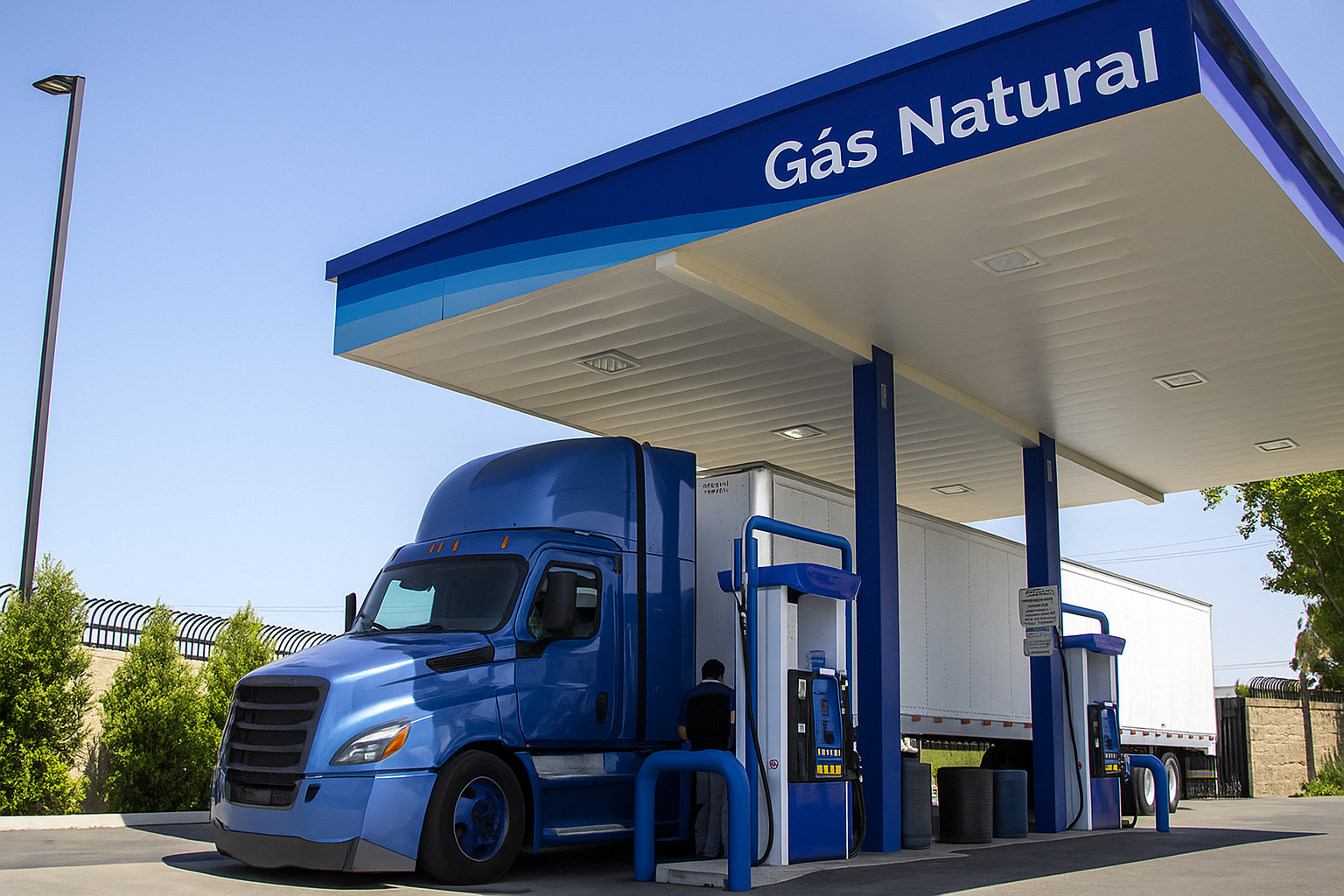
Government Invests in Natural Gas Supply to Modernize Road Transport, Reduce Pollution, and Ensure Greater Efficiency for Trucks Across Brazil.
For decades, Brazil has faced numerous challenges related to sustainability in the transport sector. Although diesel has long been the predominant fuel, its environmental impacts have always required attention.
For this reason, natural gas supply presents itself as a promising and strategic alternative to transform the energy matrix of trucks in the country.
Moreover, it is important to consider that Brazil’s logistics structure largely depends on road transport. With over 60% of national production transported by roads, the adoption of less polluting solutions becomes urgent.
-
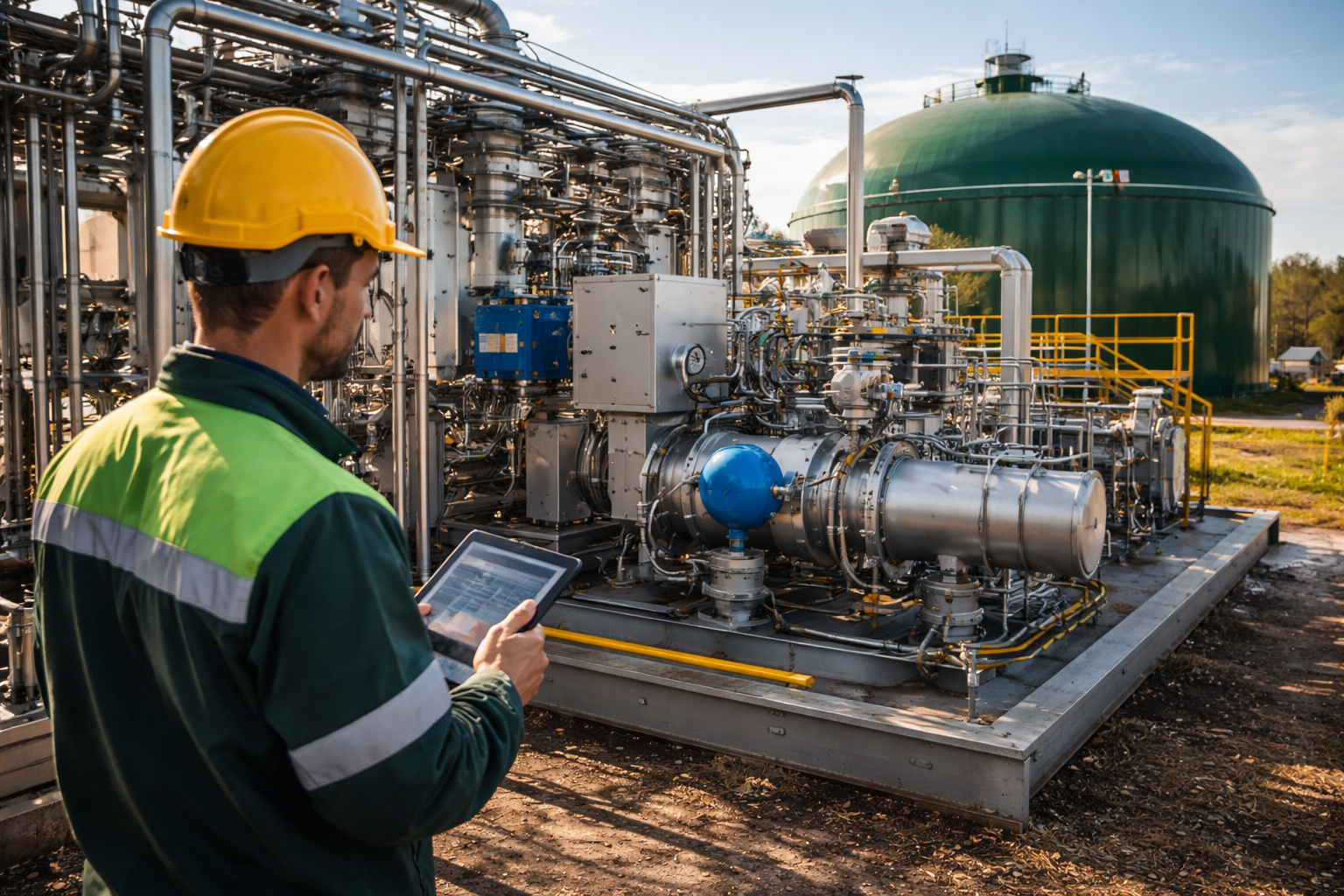
MAT Records Historic High in 2025 with Gas Compression System Installations Driven by the Advancement of Biogas in Brazil
-
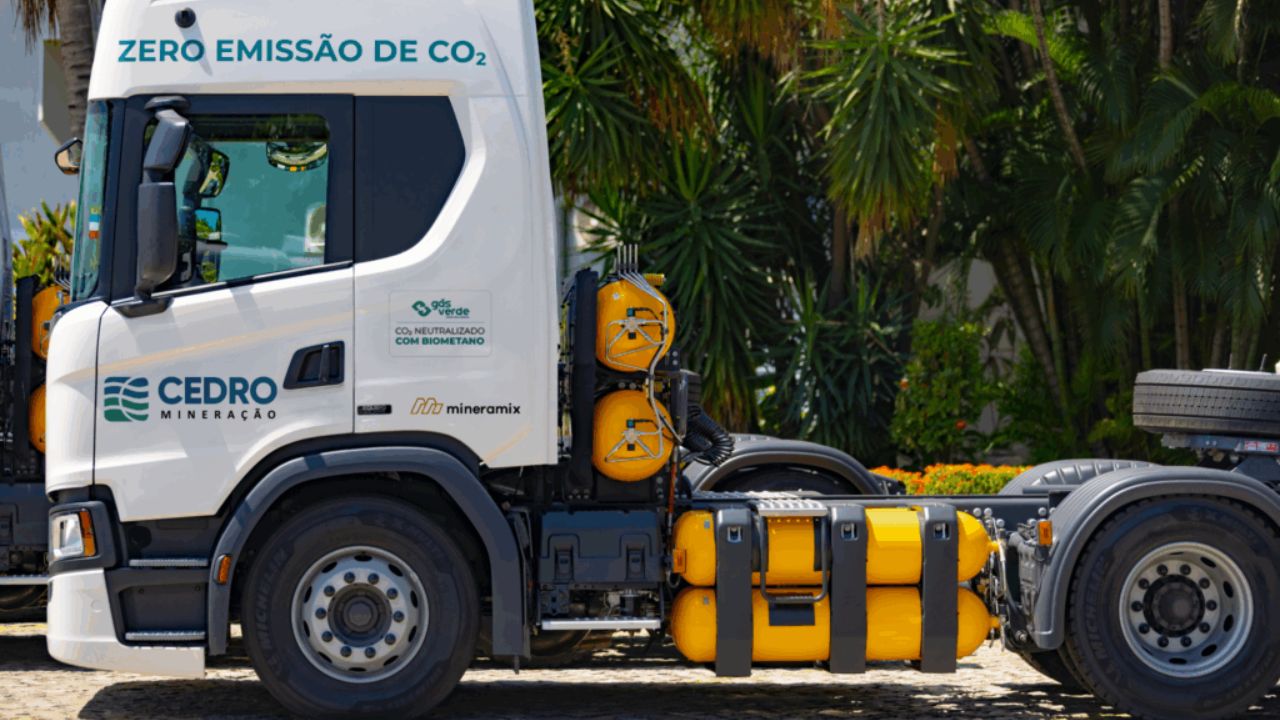
Cedro Mining and Green Gas Launch Decarbonization Pilot Project: Substituting Diesel with Natural Gas in Iron Ore Logistics in Minas Gerais
-
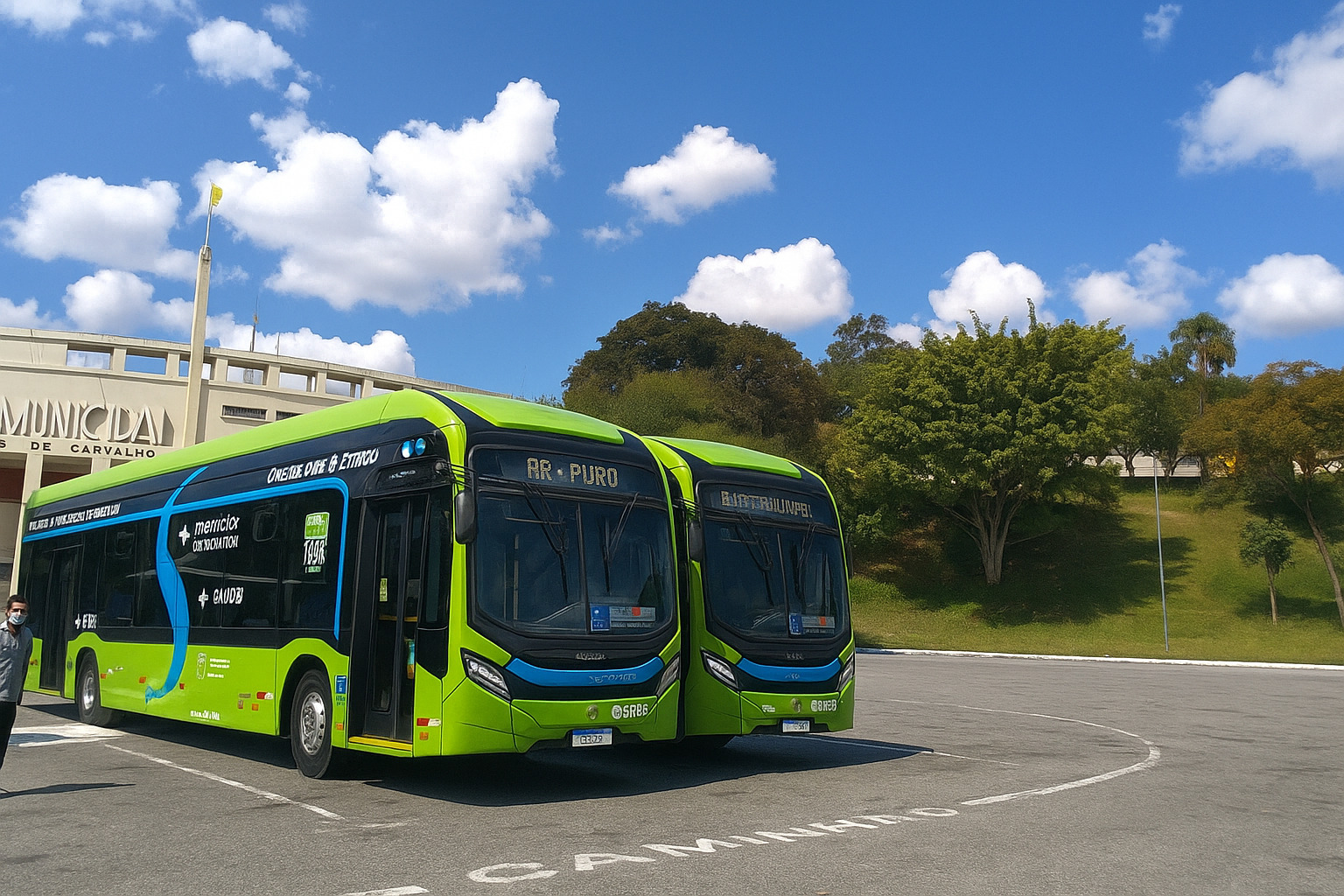
São Paulo City Hall Considers Using Biomethane After Blaming Electric Bus Delay on Enel
-
Reiter Log Group Invests In Biomethane Plant To Supply Fleet
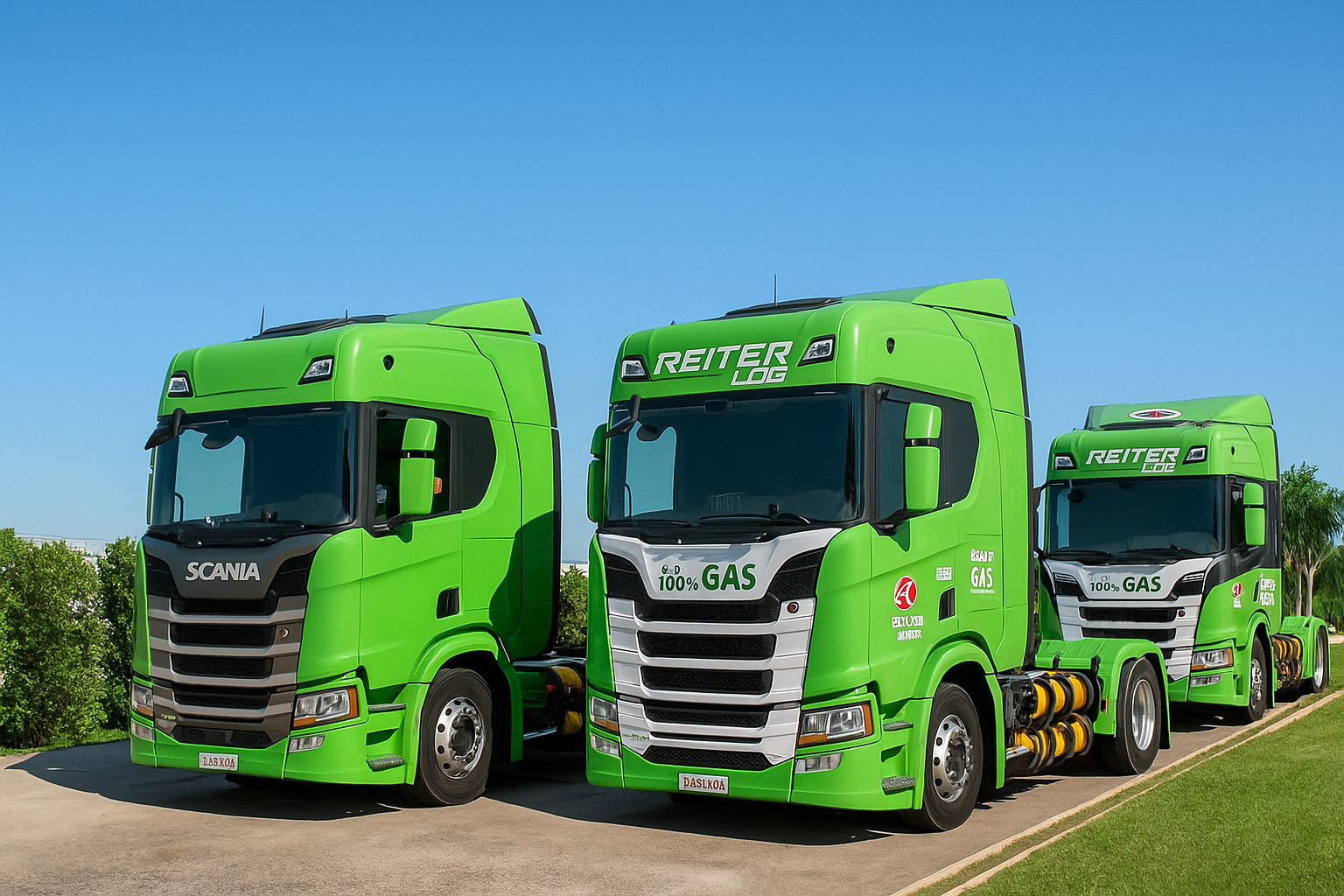

Thus, natural gas emerges as a transitional fuel capable of balancing economy, viability, and lower environmental impact.
In this context, the Ministry of Transport decided to take action. Aiming to ensure this transition, the federal government began investing in the creation of a national supply network.
This means that, for the first time, truck drivers will be able to stop to rest and, at the same time, refuel their vehicles with natural gas. This represents a significant advancement.
Blue Corridors: Connecting Sustainability and Logistics
To enable this transformation, the government launched what are known as “blue corridors”. As these corridors connect strategic regions of the country, they allow for the transportation of heavy cargo with energy security and lower emissions of pollutants.
As a result, truck drivers gain more predictability, and the country advances toward the decarbonization of the national fleet.
In addition to promoting cleaner transport, refueling points will be installed in strategic locations, especially at Rest and Sleep Points (PPDs).
This way, truck drivers will have easy access to fuel and will be able to comply with legislation requiring regular breaks during their journeys. In this way, rest and refueling combine into an efficient solution.
At the same time, the project is being implemented with a focus on coverage. While the initial implementation occurs in Alagoas, the plan is to expand to other important highways, such as BR-101 and BR-116.
Therefore, the proposed model is national, integrating infrastructure, mobility, and energy in a coordinated manner.
Regional Development Allied with the Energy Transition
As a result of the integration between energy and transport, the project goes far beyond the simple exchange of fuel.
In Alagoas, for example, a large natural gas storage unit is planned. This, in turn, ensures a continuous supply of fuel, even allowing integration with locally produced biogas.
Additionally, this measure represents a concrete opportunity for regional development. With an investment of around R$ 700 million, it is expected that new productive chains will be established in the state.
As a consequence, jobs, income, and innovation will be generated, always with a focus on sustainability.
Simultaneously, the Ministry of Transport is also investing in structural works. The construction of the Penedo Bridge, which will link Alagoas to Sergipe, and the Metropolitan Arc of Maceió are examples of how road infrastructure can contribute to the advancement of green logistics.
Thus, the supply of natural gas is related to a broader transformation plan.
International Path and Economic Advantages of Natural Gas Supply
While Brazil is advancing now, countries such as Germany, Italy, and China have already adopted natural gas in transport for several years.
Based on these experiences, it is possible to affirm that the fuel offers numerous advantages.
First, the operational cost of gas-powered trucks is significantly lower, which increases profitability for drivers and transport companies.
Additionally, the mechanical performance of the engines tends to be better. With cleaner combustion, the engines suffer less wear and tear, reducing maintenance costs.
Moreover, gas-powered vehicles emit less noise, improving both the work environment for drivers and quality of life in areas near highways.
Therefore, when discussing economic, environmental, and operational advantages, natural gas supply stands out.
Although it is not a 100% clean source, it represents a huge advance compared to diesel, especially in the short and medium term.
Public Actions and Private Participation
On the other hand, the success of this project depends on well-established partnerships. Therefore, the Ministry of Transport operates in coordination with private companies, gas distributors, and vehicle manufacturers.
This joint work aims to accelerate the replacement of the current fleet with gas-powered models.
Moreover, the government is studying incentive mechanisms to facilitate this transition. Among the proposals, low-interest financing lines, tax exemptions, and subsidies for engine conversion stand out.
As a result, truck drivers will be able to replace their diesel trucks with gas-powered ones more affordably.
Consequently, public policy becomes more effective when it includes the productive sector and road workers.
This combination allows sustainability to be not just a distant goal but a concrete and attainable reality in the daily lives of those who drive the country’s economy.
Transition Phase for a Clean Future
Although natural gas is not the definitive solution, it plays a fundamental role in this phase of the energy transition.
By significantly reducing emissions of CO₂, particulate matter, and other pollutants, the use of this fuel improves air quality and contributes to the fight against climate change.
Furthermore, the use of natural gas creates a bridge between the present and the future. While technologies such as green hydrogen and electric trucks still face technical and logistical limitations, gas is already available and can be used on a large scale.
Thus, the country does not need to wait for distant innovations to act.
Therefore, adopting natural gas as an immediate solution allows Brazil to gain time and reduce damage while preparing for more advanced technologies.
In this way, the transition becomes gradual, structured, and socially viable.
Natural Gas Supply: Commitment to Sustainable Transformation
In summary, the natural gas supply project marks a new era in Brazilian road transport.
With a strategic vision and concrete actions, the federal government proposes changes that benefit the environment, the economy, and the lives of truck drivers.
Through the creation of blue corridors, the installation of points at PPDs, the construction of storage units, and coordination with the private sector, Brazil takes firm steps toward the decarbonization of its fleet.
At the same time, it strengthens its infrastructure and logistics capacity.
Therefore, by investing in natural gas as a transitional fuel, the country positions itself as a leader in the global race for sustainability.
In this way, the future begins to be built now — on the roads, at rest stops, and in the engines that drive Brazil.









-

Uma pessoa reagiu a isso.