





 Portuguese
  English
  Spanish
  5 min of reading
  0 comments


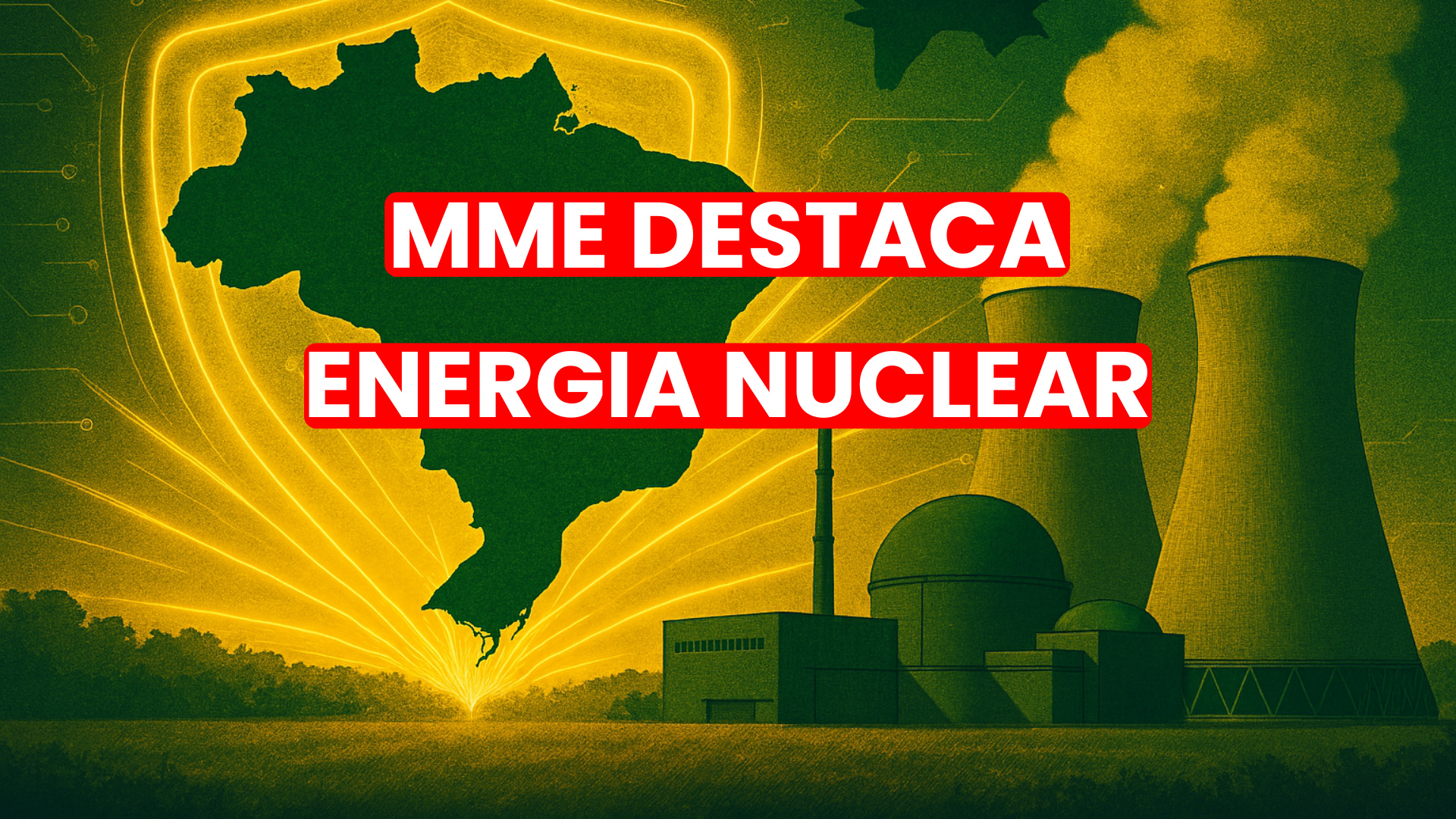
Nuclear Energy Is Key to Brazil’s Sovereignty and Energy Transition, According to the Minister of Mines and Energy
The discussion about nuclear energy has returned to the center of the Brazilian energy debate. The Minister of Mines and Energy, Alexandre Silveira, emphasized this Friday (5) that the expansion of the nuclear sector is essential to ensure Brazil’s sovereignty and support the country’s energy transition towards cleaner and safer sources.
The statements were made during the inauguration of the directors of the National Nuclear Safety Authority (ANSN), Alesandro Facure, Ailton Fernando Dias, and Lorena Pozzo.
With the growing demand for energy and Brazil’s commitment to decarbonization targets, the debate over nuclear energy becomes strategic from both economic and geopolitical perspectives.
-
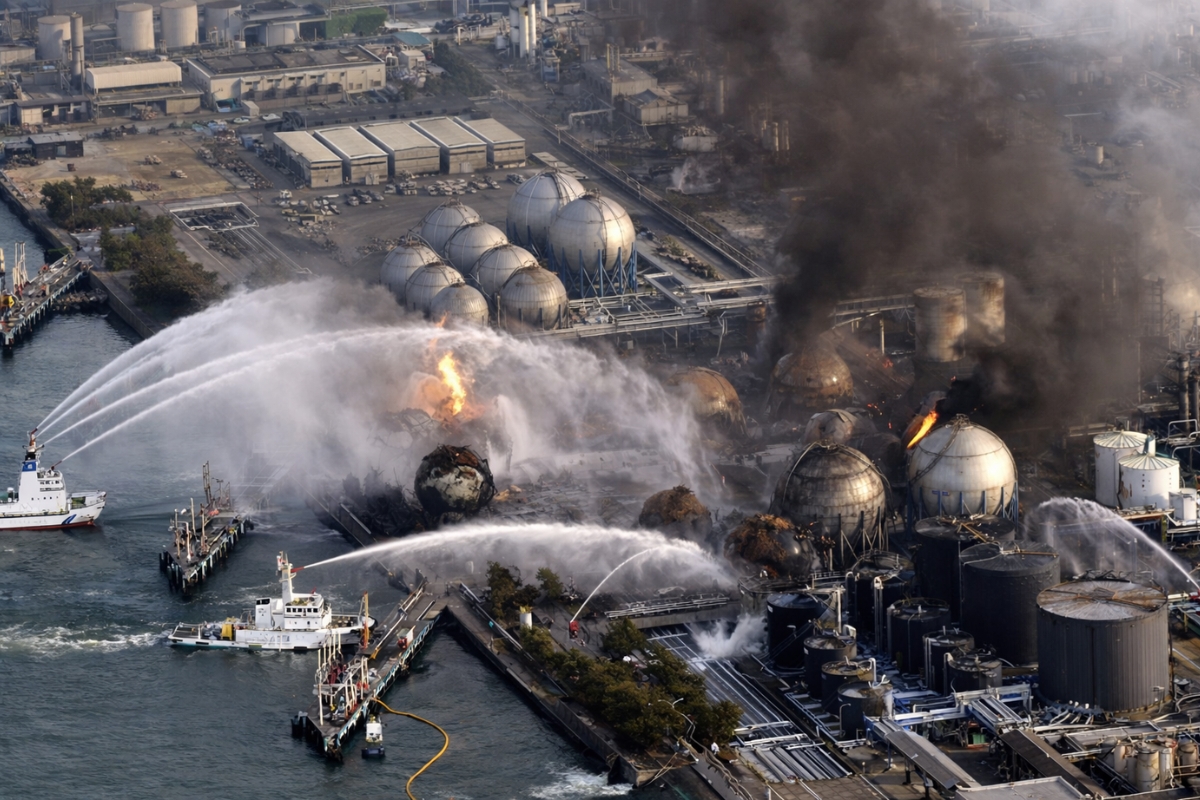
Fukushima Marks A Turning Point In Japan’s Energy Policy: After The Disaster, The Country Shut Down Its 54 Nuclear Reactors And, 15 Years Later, Only A Small Portion Have Returned To Operation
-
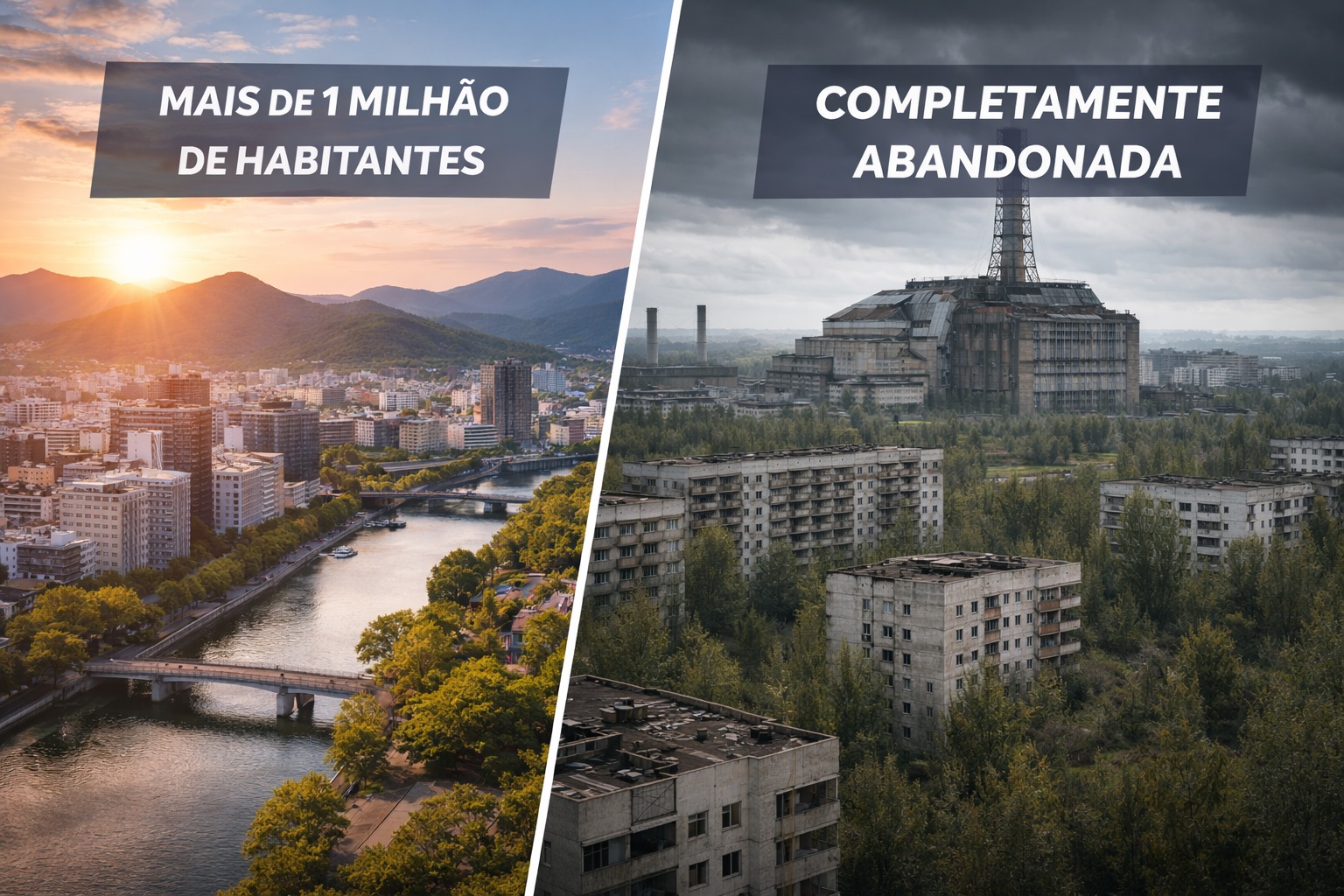
How Japan Overcame The Nuclear Bomb And Now Houses Millions In Hiroshima, While Ukraine Lost Chernobyl?
-
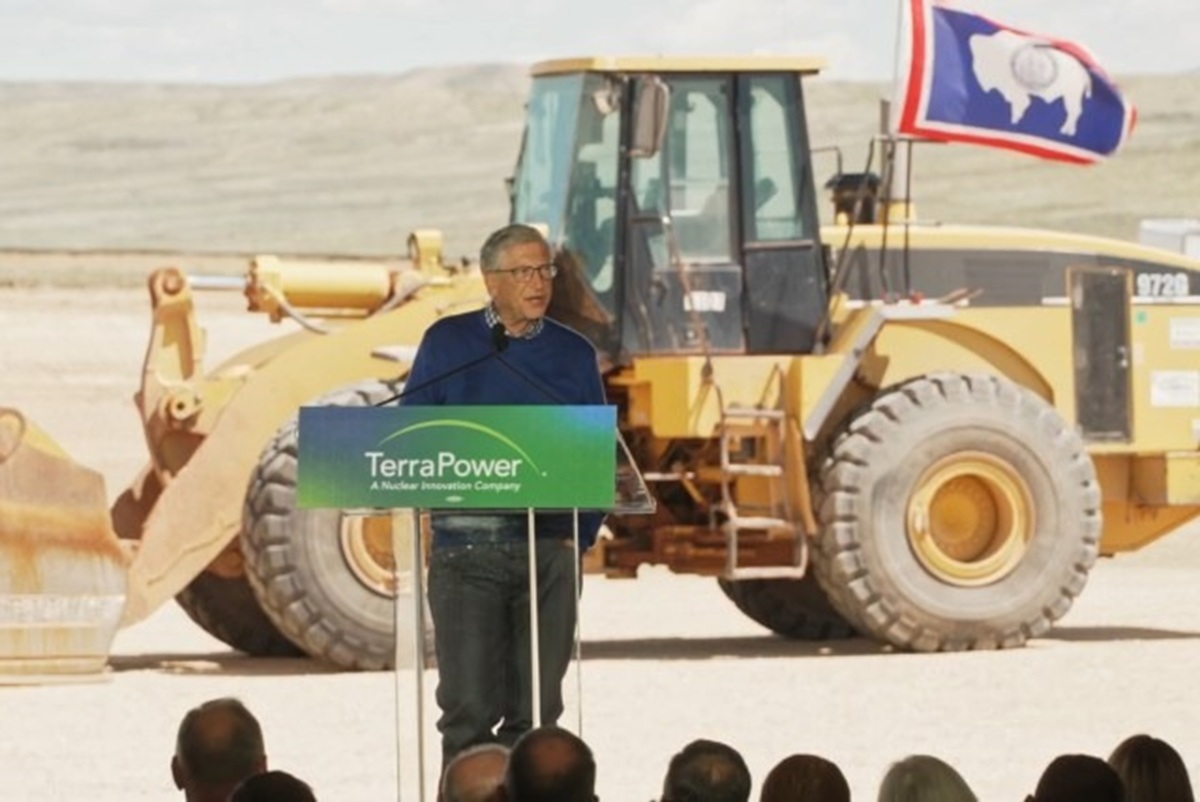
Bill Gates Receives Historic Approval to Build Giant 345 MW Nuclear Plant in the U.S. and Promises to Generate Up to 500 MW of Energy with Innovative Technology
-
India Opens Nuclear Energy to Private Capital to Accelerate Projects and Attract Billions, While Brazil Remains Stalled at Angra 3 and Discusses Who Will Foot the Bill for Completion

Nuclear Energy as the Basis for Energy Security
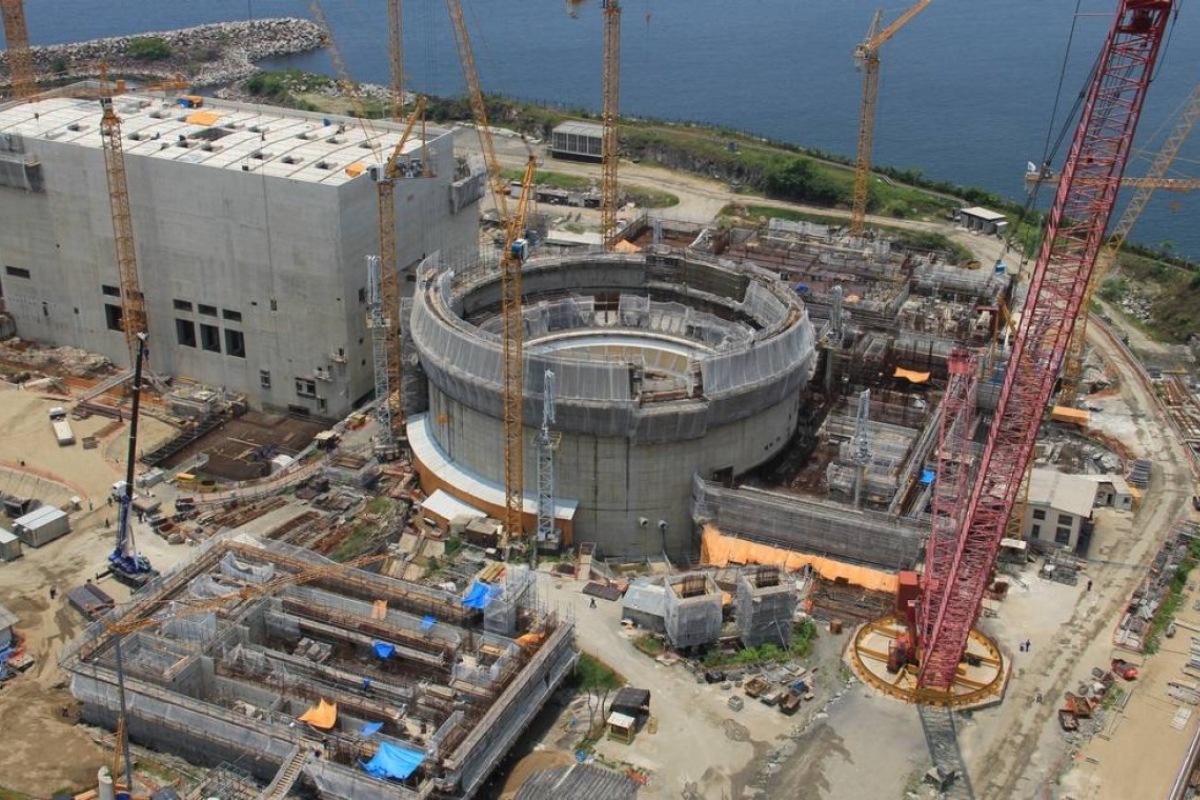
Nuclear energy represents one of the most stable and reliable sources of electricity in the world. In Brazil, there are already two nuclear plants in operation, Angra 1 and Angra 2, with Angra 3 nearing completion. Together, these plants supply approximately 3% of the country’s electricity, according to data from the National Energy Balance (BEN) 2024.
Silveira highlights that, to strengthen Brazil’s sovereignty, it is essential to expand the national nuclear capacity, reducing dependence on imported fossil fuels and ensuring energy availability during times of water crisis. Nuclear energy provides stability and predictability in electricity generation, especially during periods of low production from intermittent renewable sources such as solar and wind.
Furthermore, the potential of nuclear energy allows the country to plan its electricity matrix strategically, avoiding the risks of blackouts and price fluctuations in energy. Strengthening the nuclear sector is not just a matter of technology but also of national autonomy in the face of global challenges.
Role of Energy Transition in Brazil
The energy transition in Brazil aims to balance economic growth and environmental sustainability. The country has high potential for renewable energy, being a global leader in hydropower generation and with increasing investments in solar and wind. However, these sources have variability in production, making nuclear energy a strategic alternative to maintain the stability of the electrical system.
According to the Ministry of Mines and Energy, Brazil needs to diversify its electricity matrix to reduce the risks of blackouts and support industrial growth. The integration of nuclear energy into this process ensures a safer, more efficient, and sustainable energy mix, supporting carbon neutrality goals set for 2050.
Silveira reinforces that the country cannot rely solely on intermittent sources. Nuclear energy complements hydropower, solar, and wind, ensuring continuous supply, especially in regions with high energy demand.
Public Policies and Regulation to Boost Nuclear Energy
The minister emphasizes that the expansion of nuclear energy in Brazil depends on effective public policies and clear regulations. The development of the sector requires strategic governmental investments, swift project approvals, and incentives for research and technological innovation.
According to the minister, creating modern and efficient safety standards is essential to attract investors and ensure that nuclear projects are completed on time and within budget. Additionally, he emphasizes that strengthening regulatory bodies and rigorous oversight are fundamental to increasing public trust and consolidating nuclear energy as a pillar of Brazil’s sovereignty.
This integrated approach of public policies, technology, and regulation ensures that Brazil’s energy transition is planned safely and sustainably, aligned with goals for economic growth and environmental sustainability.


Brazil’s Sovereignty and Energy Geopolitics
Brazil’s sovereignty also depends on energy autonomy. Countries that invest in nuclear energy can reduce vulnerabilities regarding external crises, fluctuations in fossil fuel prices, and geopolitical pressures.
According to data from the International Energy Agency (IEA, 2023), countries with robust nuclear infrastructure show greater energy security and lower risks of interruptions in electricity generation. For Brazil, expanding nuclear capacity is essential not only for domestic supply but also to strengthen the country’s position in international energy agreements.
Furthermore, nuclear energy strategically positions Brazil in Latin America, allowing competitiveness in energy-intensive industrial sectors, such as steel, chemicals, and advanced technology. Silveira emphasizes that this energy strengthening directly reflects on the country’s ability to make sovereign decisions at the international level.
Investments and Expansion of the Nuclear Sector
The Brazilian government plans significant investments in nuclear infrastructure. The project to complete Angra 3, budgeted at around R$ 13 billion, is considered strategic to increase electric production and reduce the energy deficit in the coming years.
Universities and research centers have been developing advanced nuclear technologies, such as fourth-generation reactors and small modular reactors, which promise greater safety and less waste generation. Such initiatives strengthen technological innovation and empower Brazil to position itself as a regional reference in nuclear energy.
Investment in professional training is also a central point. The sector’s expansion requires qualified engineers, technicians, and researchers, and specific training programs are already being implemented to meet this demand.
Nuclear Energy and Environmental Sustainability
Despite concerns about radioactive waste, nuclear energy has a low environmental impact compared to fossil fuels. Each megawatt-hour (MWh) generated by nuclear energy emits, on average, approximately 12 grams of CO₂, while coal generates about 820 grams per MWh, according to a study by the World Nuclear Association (2023).
Silveira emphasizes that nuclear energy, allied with other clean sources, can be decisive for Brazil to achieve its climate targets, maintaining a balance between economic growth and environmental protection. Additionally, research into the safe storage of waste and more efficient reactors ensures that the technology is increasingly sustainable.
The adoption of nuclear energy in the country helps reduce greenhouse gas emissions, essential for Brazil to comply with international agreements, such as the Paris Agreement, without compromising industrial development.









Seja o primeiro a reagir!