





 English
  Francês
  Alemão
  Italiano
  Japonês
  Norueguês
  Portuguese
  Spanish
  4 min of reading


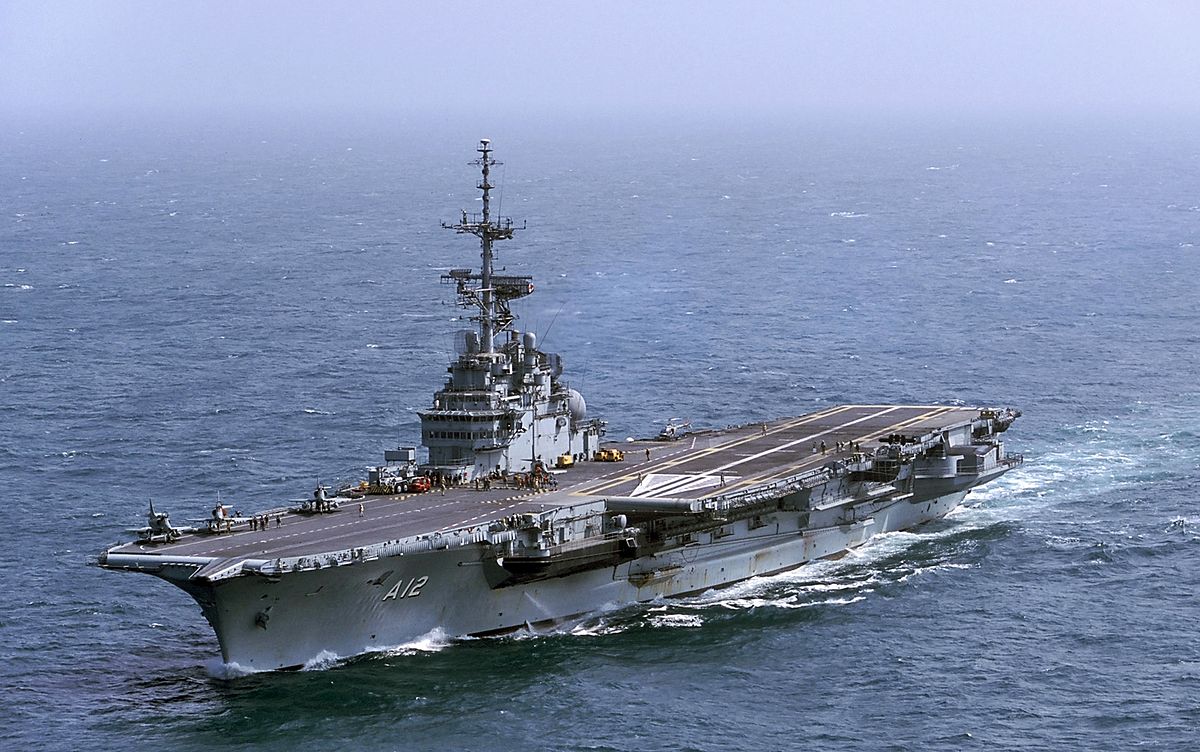
Unofficial Information Indicates That The Hull, Prevented From Docking In All Ports Of Brazil, Would Be Heading Towards International Waters
If the destination of the former aircraft carrier of the Navy (NAe São Paulo) was already uncertain, prevented from docking in all ports and shipyards of Brazil, now the case has become mysterious. Unofficial information suggests that the vessel would be moving towards international waters without any warning from the Navy to the companies MSK Maritime Services & Trading and SÖK, which were responsible for the hull, but decided to renounce ownership last week.
The companies stated that since renouncing ownership in favor of the Union, they have not received any notification from the Navy, and that the movement of the former aircraft carrier to international waters is surprising. MSK and SÖK are trying to clarify the case. It is also unknown who owns the tugboat that would be towing the hull.
The renunciation of ownership of the former aircraft carrier of the Navy caused the Brazilian Institute of the Environment and Renewable Natural Resources (Ibama) to react by calling the measure a “definitive abandonment act” and subsequently filing a lawsuit in Federal Court, which accepted the request to prevent the hull from being abandoned. The companies do not use the term “abandon” to avoid further problems, and claim that the vessel, despite the renunciation, “was safe”.
-
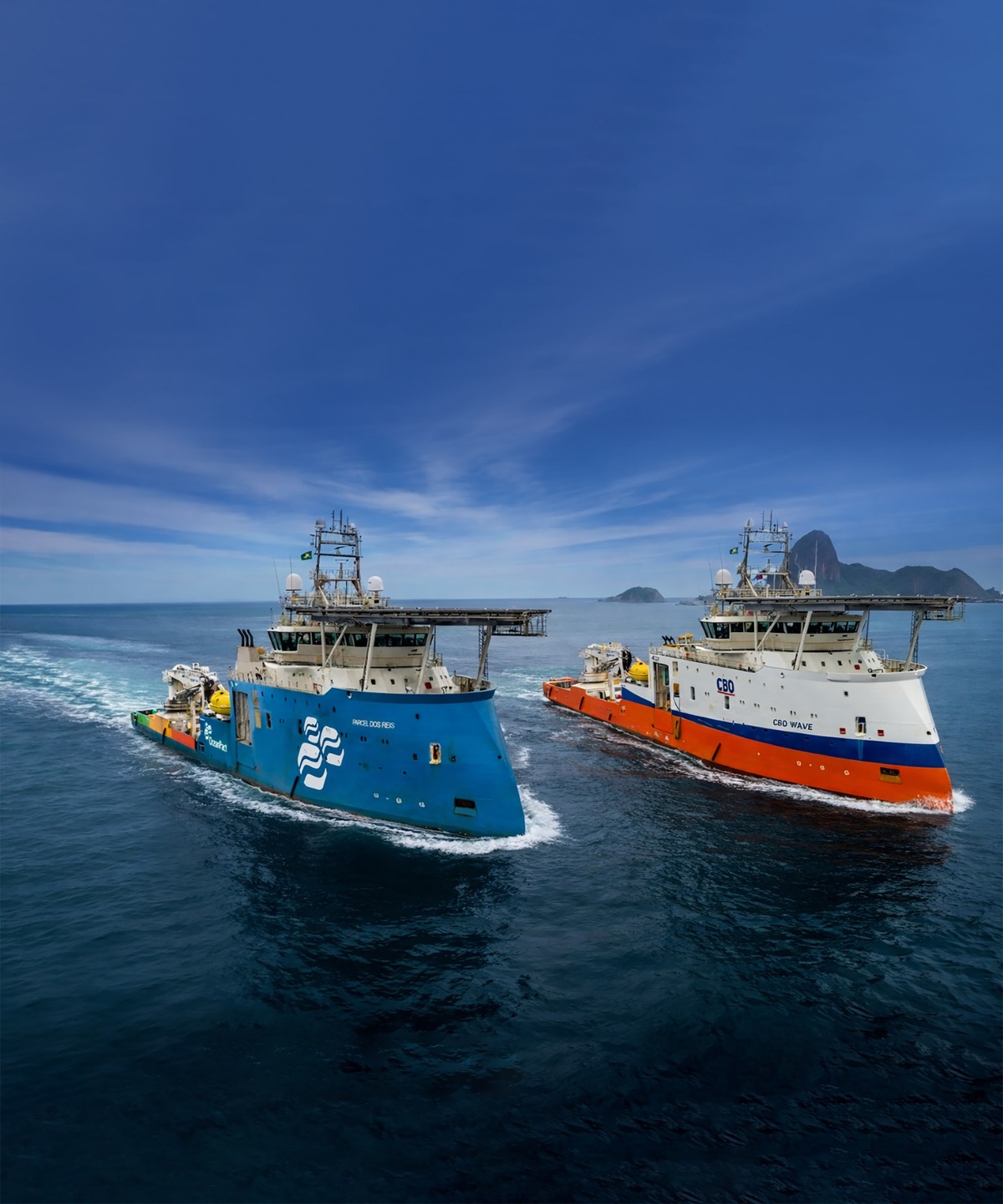
OceanPact Announces Acquisition of CBO and Creates One of Brazil’s Largest Maritime Support Structures with 73 Vessels, Annual Revenue Above R$ 4 Billion and R$ 14 Billion Backlog
-
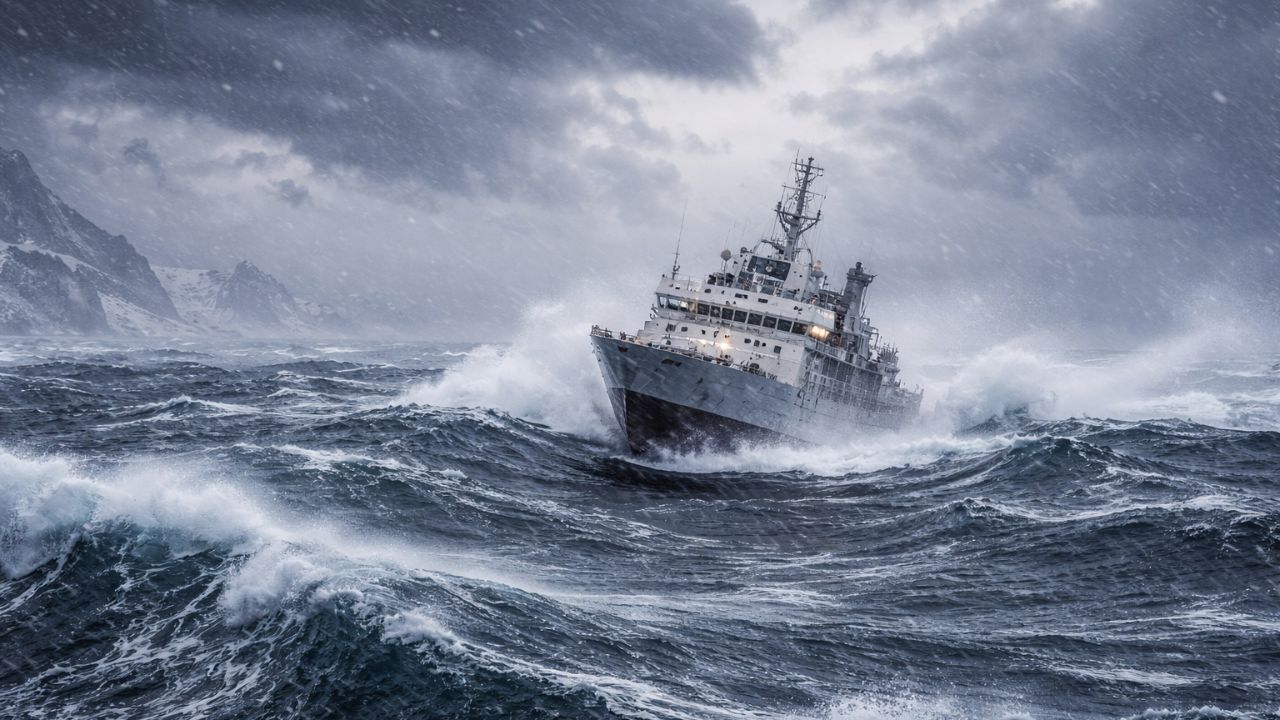
With Extreme Winds, Giant Waves, and Unrestricted Currents, Drake Passage Is Considered the Most Violent Stretch of the Oceans
-
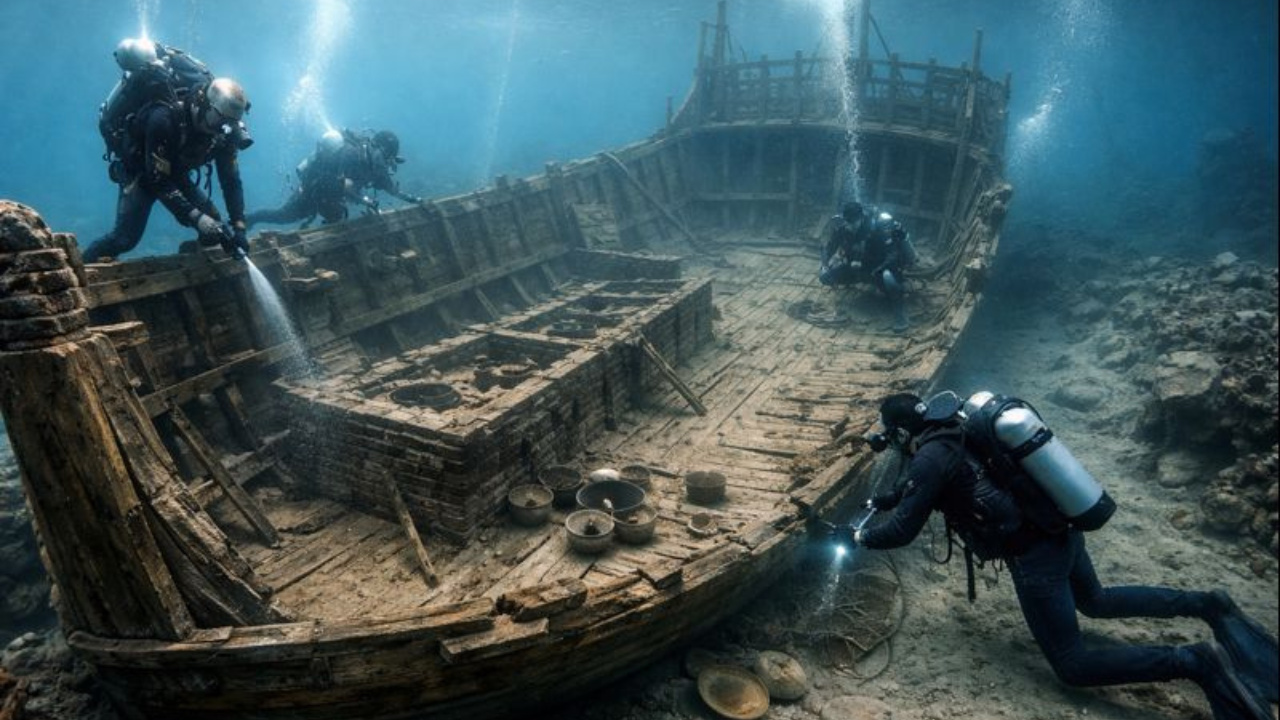
15th Century Merchant Ship Surprises Archaeologists
-
Odfjell Inaugurates First Operational Green Corridor Between Brazil and Europe Using Sustainable B24 on Maritime Routes and Reinforces Decarbonization Strategy

In 2020, the former aircraft carrier was sold to SÖK for dismantling and recycling at a shipyard in Turkey. In October of this year, while heading to its destination, towed by a tugboat from the Dutch MSK, a Greenpeace alert was issued due to the fact that the hull contains hundreds of tons of asbestos, a potentially carcinogenic material, as well as mercury. Hence, the vessel had to return to Brazil.
The Navy ordered that docking occur at the Port of Suape, in Pernambuco, but the local Government sought the court to prevent this from happening, due to health and environmental risks and the port operation itself. The case gained attention, and no port wanted to receive the hull until the situation could be resolved. A series of legal battles and controversies have begun, still ongoing, involving what was once the largest warship of the Brazilian Navy.
Vessel Has Always Caused Controversy Since Arriving In Brazil In 2000
What was supposed to be the greatest asset of the Brazilian Armed Forces has actually been a major source of losses and controversies over time. The aircraft carrier São Paulo belonged to France, and was purchased by Brazil in 2000 for US$ 12 million during the government of Fernando Henrique Cardoso.
The vessel was meant to modernize and strengthen the joint operations of the Navy and Brazilian Air Force. With 266 meters in length, a beam of over 50 meters, and a displacement capacity of around 30,000 tons, it became the largest warship in the Southern Hemisphere.
In the first three years of the vessel under the Navy’s possession, at least 500 aircraft launches and various other military exercises were conducted. The ship’s troubled chapters began in May 2004, when 3 crew members died after an explosion in the steam system.
A major overhaul was made after this incident. All water, steam, and fuel circulation systems were replaced, along with updates to the electrical system and modernization of the propulsion system, among other improvements to the defense systems.
In 2012, still not operational, an electrical fire resulted in the death of one crew member and left others more seriously injured, even after the renovations. The ship then returned to the shipyard for further repairs. In 2015, with the vessel still out of operation, the Federal Government announced another major modernization project.
The goal was to extend the lifespan of the São Paulo until at least 2039, allowing it to receive newly acquired aircraft. However, the government abandoned the idea due to the estimated cost: R$ 1 billion. The expenses had already accumulated to US$ 150 million, and today what was meant to be the largest asset of Brazil’s Defense has turned into a great wreck, aimless and still causing many controversies.







Seja o primeiro a reagir!