





 Portuguese
  English
  Spanish
  4 min of reading
  0 comments


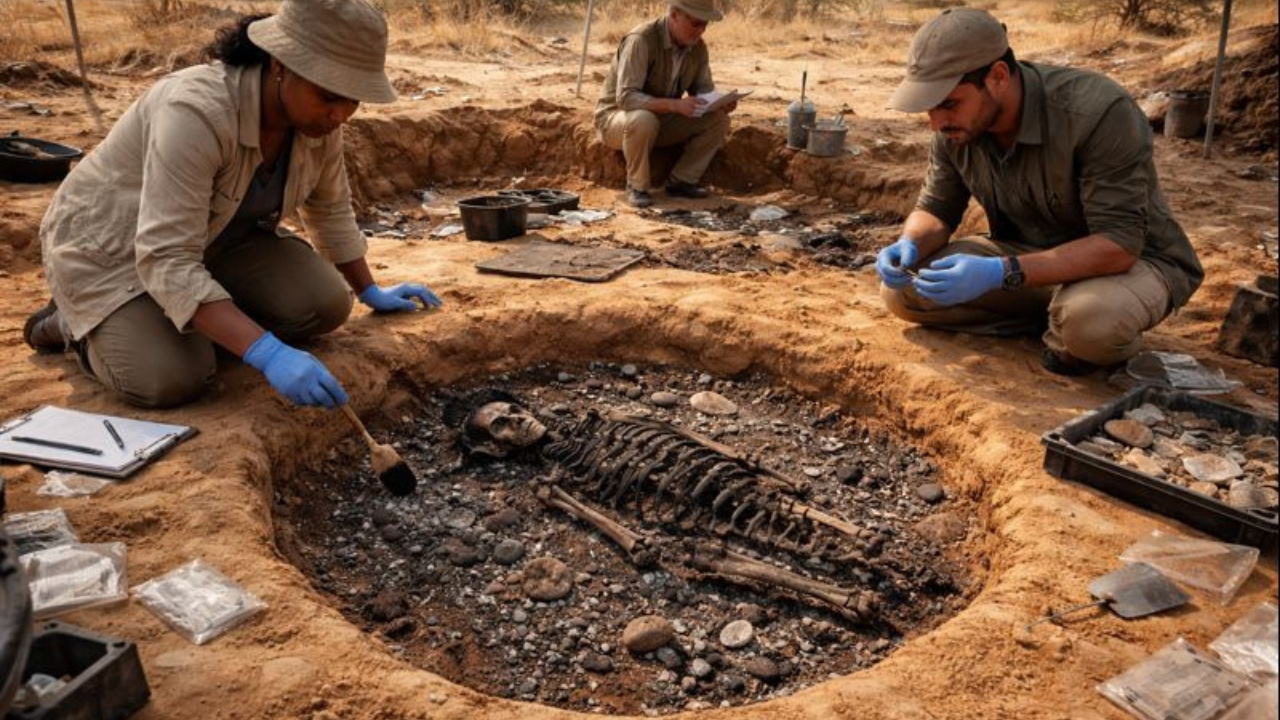
Oldest Cremation In Africa, Found In Malawi, Reveals Rare Practices Among Prehistoric African Hunter-Gatherers.
Fragments of burned bones found in northern Malawi reveal the oldest cremation in Africa, performed about 9,500 years ago by African hunter-gatherers, according to researchers.
The researchers identified the discovery at the archaeological site Hora 1, at the foot of Mount Hora, after detailed analyses of bones and sediments.
The find, published in a recent scientific study, draws attention because cremation practices were extremely rare during that period, especially among nomadic groups.
-
A “silent skill” is allowing Brazilians to earn up to R$ 22,000 per month without a degree and become indispensable for companies that rely on millions of data to survive.

-
Researchers at the Toyota Research Institute found that if a human uses robotic arms to flip a pancake 300 times in an afternoon, the robot learns to do it on its own the next morning, and this is currently the most promising method to solve the biggest bottleneck in modern robotics.

-
Goodbye iron: a common item in households is starting to lose space to technology that smooths clothes in minutes without an ironing board and with less energy consumption.

-
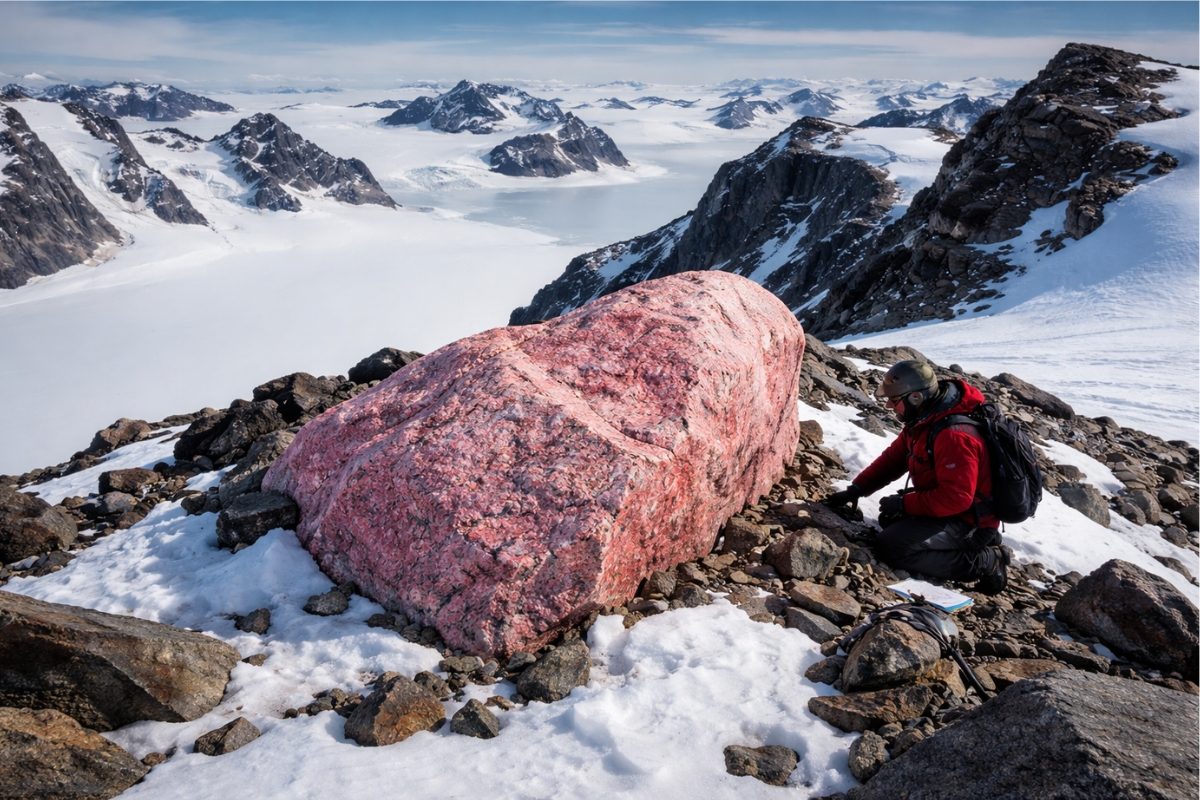
Antarctica reveals an unusual clue high in the Hudson Mountains, and what appeared to be just an isolated rock began to expose a secret hidden under the ice for ages.

Thus, the case sheds new light on prehistoric funerary rituals and the cultural complexity of ancient societies in the region.
Unprecedented Discovery In Archaeology In Malawi
The discovery of the oldest cremation in Africa occurred during excavations at the Hora 1 site, located under a large rock outcrop at the base of Mount Hora in northern Malawi.
The site has been known for decades, but more in-depth research began only in 2016, using new archaeological techniques.
By analyzing fragments of burned bones and the surrounding soil, scientists concluded that an adult woman was cremated at the site approximately 9,500 years ago.
The remains primarily consisted of bones from the arms and legs, indicating intense and controlled burning.
According to forensic analysis, the woman was between 18 and 60 years old and stood just under 1.5 meters tall.
These data reinforce that the group planned and executed the ritual carefully, demonstrating mastery of advanced techniques for the time.
Why Is The Oldest Cremation In Africa So Rare?
Among the African hunter-gatherers, the group has always considered cremation an uncommon practice.
According to researchers, building a funerary pyre requires a large amount of wood, time, and collective effort—valuable resources for nomadic societies.
“Cremation is very rare among ancient and modern hunter-gatherers, in part because pyres require a huge amount of work, time, and fuel,” said anthropologist Jessica Cerezo-Román, the study’s lead author.
At the Hora 1 site, this was the only identified cremation case, despite other traditional burials occurring at the location.
This contrast raises a central research question: why did only one person receive this type of funerary ritual?
A Ritual Planned In The Smallest Details
The excavations conducted between 2016 and 2019 revealed a large mound of ashes, approximately the size of a queen-size bed.
Within it, there were two sets of human bone fragments with clear burning patterns.
Analyses indicate that the fire exceeded 500 °C and remained active for hours or even days.
This would only be possible with constant feeding of the pyre, suggesting ongoing vigilance and participation from the group.
Additionally, about 30 kilograms of dry wood were used.
Evidence of fungi and termites shows that the group carefully selected the firewood, likely over a prolonged period of gathering.
Indications Of Funerary Objects And Symbolic Gestures
During the excavation, archaeologists also found chipped stone tool tips mixed with the ashes.
The presence of these objects indicates that the group intentionally deposited them as part of prehistoric funerary rituals.
Another surprising fact was the absence of fragments of the woman’s skull and teeth.
Since these parts typically endure cremation, researchers believe the head was removed before burning.
Cut marks on the bones show that some flesh was removed before cremation.
However, scientists dismissed the hypothesis of cannibalism because they identified different patterns from those observed in animal remains found at the same site.
Complex Beliefs Among African Hunter-Gatherers
For specialists, these elements point to sophisticated rituals of memory and treatment of the dead.
There is growing evidence that ancient groups in Malawi practiced the removal, conservation, and even secondary burial of body parts.
“Although we can never truly know the motivations of ancient peoples, it seems likely that unusual circumstances in their life and/or death prompted this type of uncommon cultural treatment,” explained Elizabeth Sawchuk, co-author of the study.
These practices indicate that African hunter-gatherers possessed complex belief systems, countering outdated views that treated them as culturally simple.
The Meaning Of Mount Hora Over Time
Additional evidence shows that large bonfires were lit at the same location about 700 years before the cremation and again approximately 500 years later.
Curiously, these later bonfires did not contain cremated remains.
For researchers, this suggests that Mount Hora operated as a symbolic landmark or collective memorial.
The location may have been revisited for generations, keeping the memory of the original ritual alive.
“It seemed that people had returned, still with the communal memory of what had happened there, and reenacted the ritual again,” said one of the researchers involved in the project.
A New Vision Of Prehistoric Funerary Rituals
The oldest cremation in Africa shows that nomadic societies, long before agriculture or cities, were already capable of coordinating complex and highly symbolic rituals.
However, they chose to do so only under exceptional circumstances.
For archaeology in Malawi, the find represents a significant advancement.
Thus, the find demonstrates that ancient African hunter-gatherers possessed cultural diversity, elaborate beliefs, and deep relationships with their dead, a legacy that modern science is still beginning to understand.







-

-

3 pessoas reagiram a isso.