





 Portuguese
  English
  Spanish
  2 min of reading


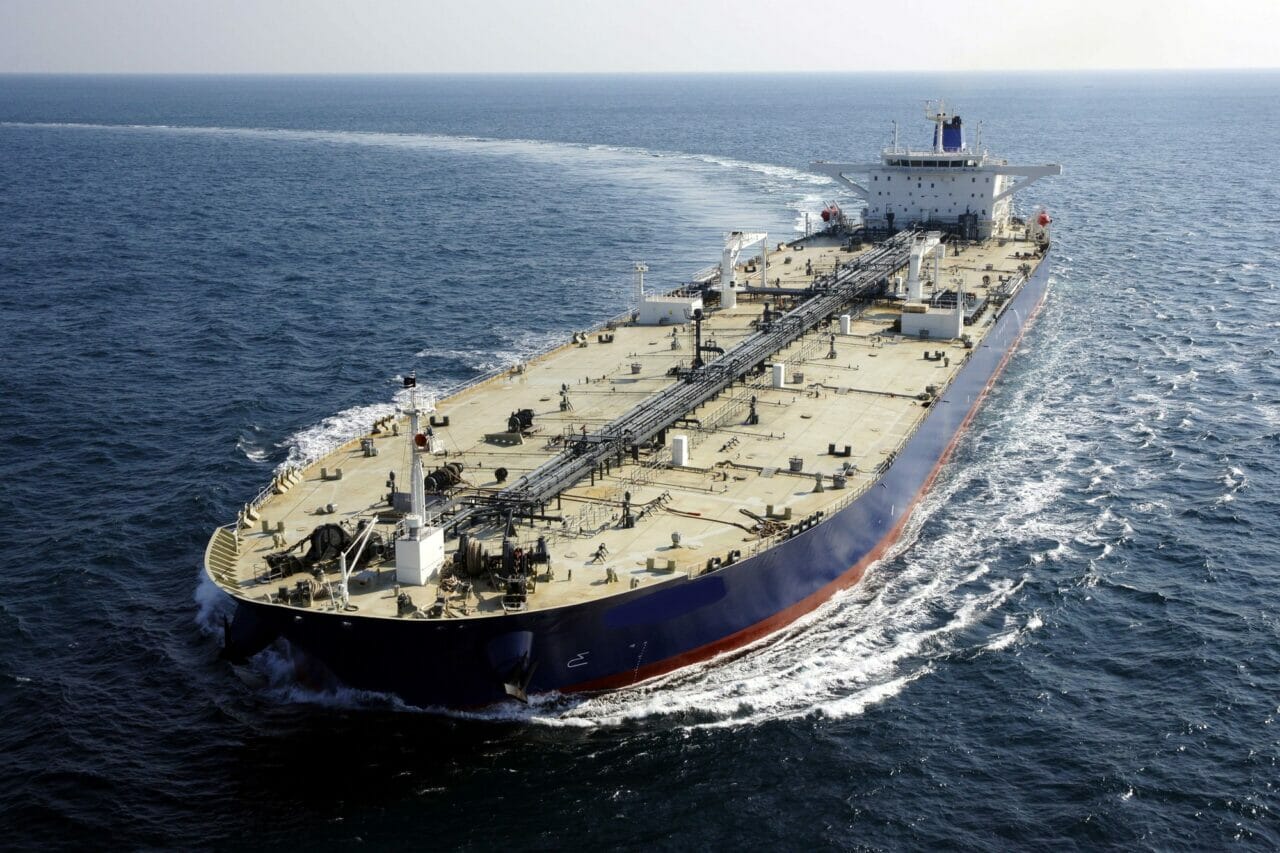
Tracking Of Russian Vessels Unknown Origin Of Tanker Fleet
Russia is finding new ways to deliver its oil to buyers around the world. Western sanctions against Russia have increased due to the invasion of Ukraine, and more vessels have joined an existing fleet of unknown tankers to assist in delivering the oil. Tracking their movement across the oceans aims to uncover who is managing this transport.
The group of ships is known as a “shadow” fleet, and industry experts estimate its size at around 600 vessels. This number represents about 10% of the global number of large tankers and continues to grow. Few participants are known, such as shell companies in Dubai or Hong Kong, that are involved in some cases.
Russian Oil Customers In India And China Surpass Those Previously In Europe
Tracking the fleet has become more important with Moscow’s attempts to avoid working with Western carriers. According to CNN Brazil, customers in China and India surpass the number of European clientele, which is not authorized to purchase Russian oil by sea and refined products like diesel.
-
Brazilian giant expands borders in the Southeast: Petrobras confirms new oil discovery in ultra-deep waters in the pre-salt of the Campos Basin.
-
Alert in the global energy market: Severe tropical cyclone hits the coast and disrupts gas production at major plants in Australia, threatening global supply.
-
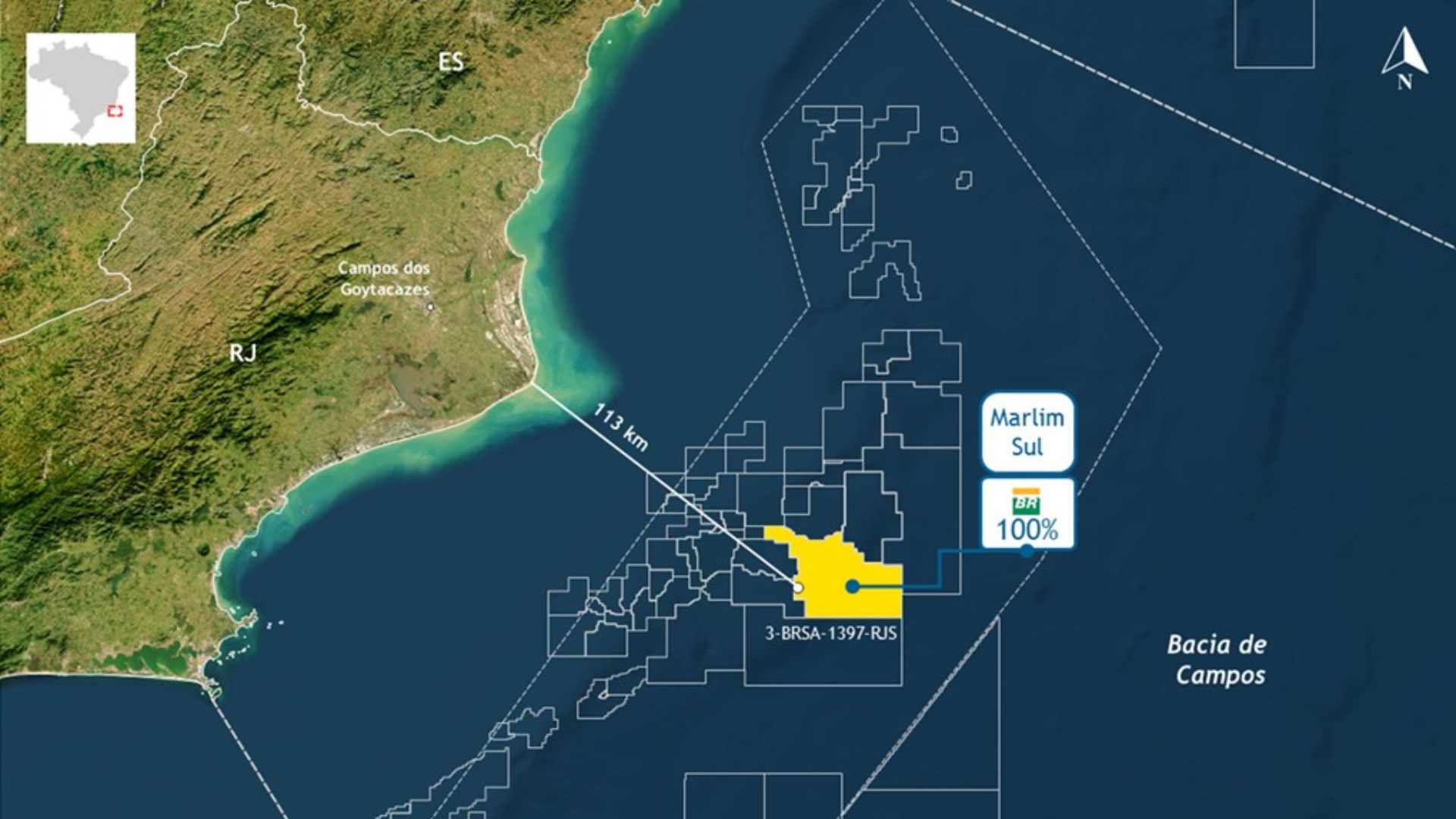
Petrobras finds high-quality oil in the pre-salt at 113 km from RJ and reignites expectations about strategic reserves in the Campos Basin.
-
Ocyan opens registrations for startups focused on innovation in the oil and gas sector and will select projects for Innovation Day with the support of Nexio.


Russia’s oil exports to China and India reached record levels in January according to Kpler, a data and analytics company. This occurred after Europe’s ban on Russian oil transported by sea went into effect.
Transporting oil to more distant customers requires additional vessels and ship owners willing to deal with increased complexity and legal risk, especially after price limits were imposed on Russian oil by the Group of Seven countries.
To Continue Oil Exports, Russia Split The Global Energy System In Two
The growth of the parallel fleet highlights significant changes in the global oil market, which were a consequence of Russia’s war. To continue exporting the product, the world’s second-largest oil exporter modified decades-old trading patterns and split the global energy system in two.
“There’s the fleet not doing any Russian business, and there’s the fleet that is almost exclusively doing Russian business,” says Richard Matthews, head of research at EA Gibson, an international shipbroker. According to him, only a few ships are doing “a bit of both.”








Seja o primeiro a reagir!