





 English
  Francês
  Alemão
  Italiano
  Japonês
  Norueguês
  Portuguese
  Spanish
  3 min of reading


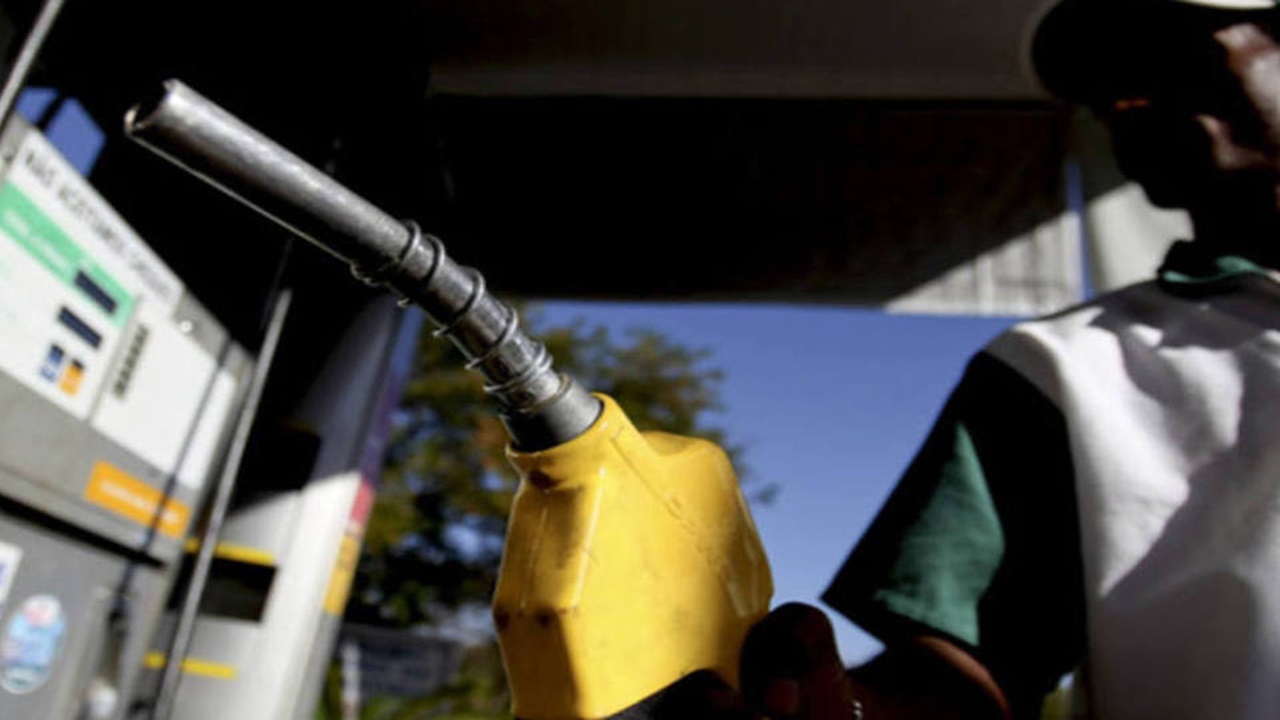
The Mixture of Hydrogen with Ethanol, Besides Revolutionizing Performance and Reducing Fuel Consumption in Flex Engines, Will Mobilize the Chemical, Petrochemical, and Materials Sectors.
The project aimed at improving the energy efficiency of flex engines using the technique of hydrogen enrichment extracted by catalytic reforming within the vehicle has been approved. The technology combines ethanol and hydrogen to enhance engine performance and reduce pollutant emissions.
Also Read
- Reduction of Biodiesel in Fuel May Backfire and Trigger Industry Bankruptcies and Unemployment
- Job Openings for Elementary and High School Graduates Available Today (04/21) to Work at an Ethanol Plant
- Ethanol Price Shoots Up Along With Gasoline; Sugar and Exports Make Biofuel More Expensive
- Ethanol Plants and Sugarcane Suppliers Clash Over the Division of Revenue from Carbon Credits of the Federal Program RenovaBio
- Direct Sale of Ethanol from Plants Will Stimulate Competition and Curb the Increase in Gasoline Prices at Fuel Stations
- Ethanol and Gasoline Prices Spike, Petrobras Raises CNG by 39% and Readjustment May Further Impact Brazilian Pockets in the Coming Weeks
The partnership agreement signed between FEI University Center and the Federal Government’s Priority Program Rota 2030 aims to stimulate technological development and increase the competitiveness of the national vehicle industry.
“The ethanol-hydrogen mixture has the advantage of being able to be applied directly to the engine without major structural modifications. In addition to meeting the demand of the Brazilian automotive industry, the project has the potential to mobilize various productive sectors, including the chemical, petrochemical, and materials sectors, favoring the development of national technologies, market expansion, and the exploration of new industrial applications”, explains Professor Ricardo Belchior Torres, the program’s general coordinator and the head of the chemical engineering course at FEI.
-
While Russia dominates the global wheat market, Brazil emerges as an unexpected competitor in the Cerrado, offering grain available in July and August when stocks in the Northern Hemisphere are at their lowest point of the year.

-
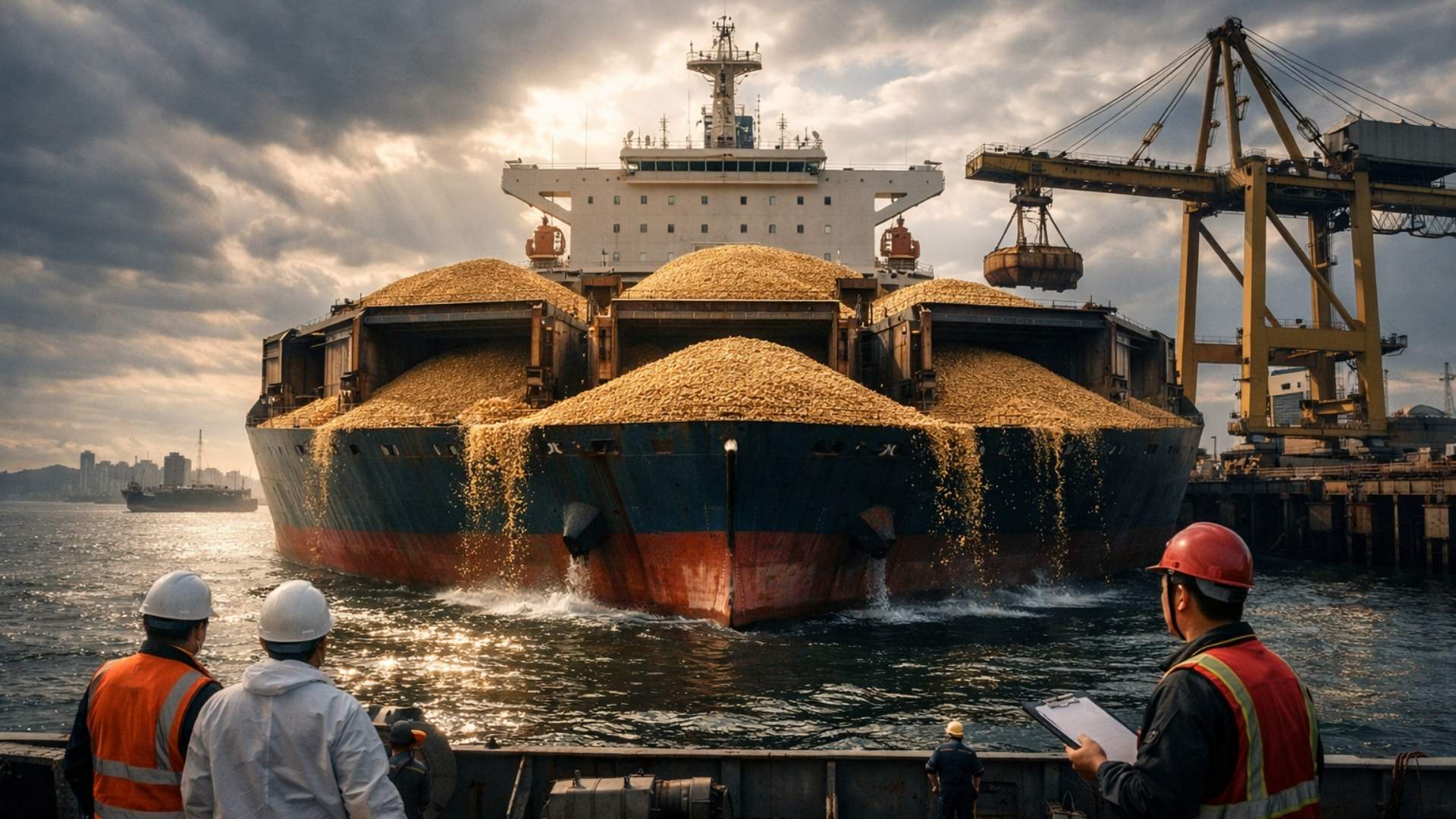
China returned almost 20 Brazilian ships with soybeans, but now everything could change: the country that buys 80% of the grain is considering relaxing regulations after impurities held up shipments of thousands of tons and caused million-dollar losses.
-
Chinese giant worth nearly R$ 4 billion that manufactures cables for electric cars, solar energy, and robotics wants to open a factory in SC.

-
Many employers do not know, but the law guarantees domestic workers a 25% increase in salary during trips, 50% for overtime, 20% for night shifts, and 17 additional benefits that can lead to labor lawsuits if not paid.


The project will have an investment of R$ 3 million from the Fund for Research Development (Fundep) and about R$ 2.4 million in economic counterpart from the private sector and participating ICTs (Science and Technology Institutions).
Increase in the Price of Ethanol, Gasoline, and Now CNG Will Further Impact the Pockets of App Drivers and Taxi Drivers
CNG became popular in Brazil as it is used by app drivers and taxi drivers. This is because it has a better yield and is cheaper than ethanol and gasoline. According to distributor BR, the savings are 60%, on average.
A popular car that drives 100 km a day achieves 8 km per liter of alcohol, 10 km per liter of gasoline, and 12 km per cubic meter of CNG. However, the costs of installing cylinders in the trunks are high, ranging from R$ 3,000 to R$ 6,000, in addition to the disadvantage of occupying space in the trunk.
The choice of fuel gained strength at the beginning of this year with the sharp rise in gasoline and ethanol, which have cumulative increases of 40.76% and 25%, respectively. While a cubic meter of CNG costs R$ 2.984, gasoline is priced at R$ 5.328 per liter and ethanol at R$ 3.818, based on prices measured for São Paulo by the ANP (National Agency for Petroleum, Natural Gas, and Biofuels).
Raízen, a Shell Group Company, Aims to Build Three Ethanol Production Plants Using Bagasse and Sugarcane Straw
Raízen, the global ethanol production giant in partnership with Shell, plans to build three more cellulosic ethanol plants — or second-generation ethanol. The good news was announced by businessman Rubens Ometto of Cosan last Monday (03/15).
The technology for producing cellulosic ethanol emerged from a partnership between Shell and Canadian company Iogen, specializing in biotechnology. In the last harvest (2019/20), the Piracicaba unit produced 226 liters of ethanol for each ton of dry biomass.








Seja o primeiro a reagir!