





 Português
  Inglês
  Espanhol
  5 min de leitura
  0 comentários


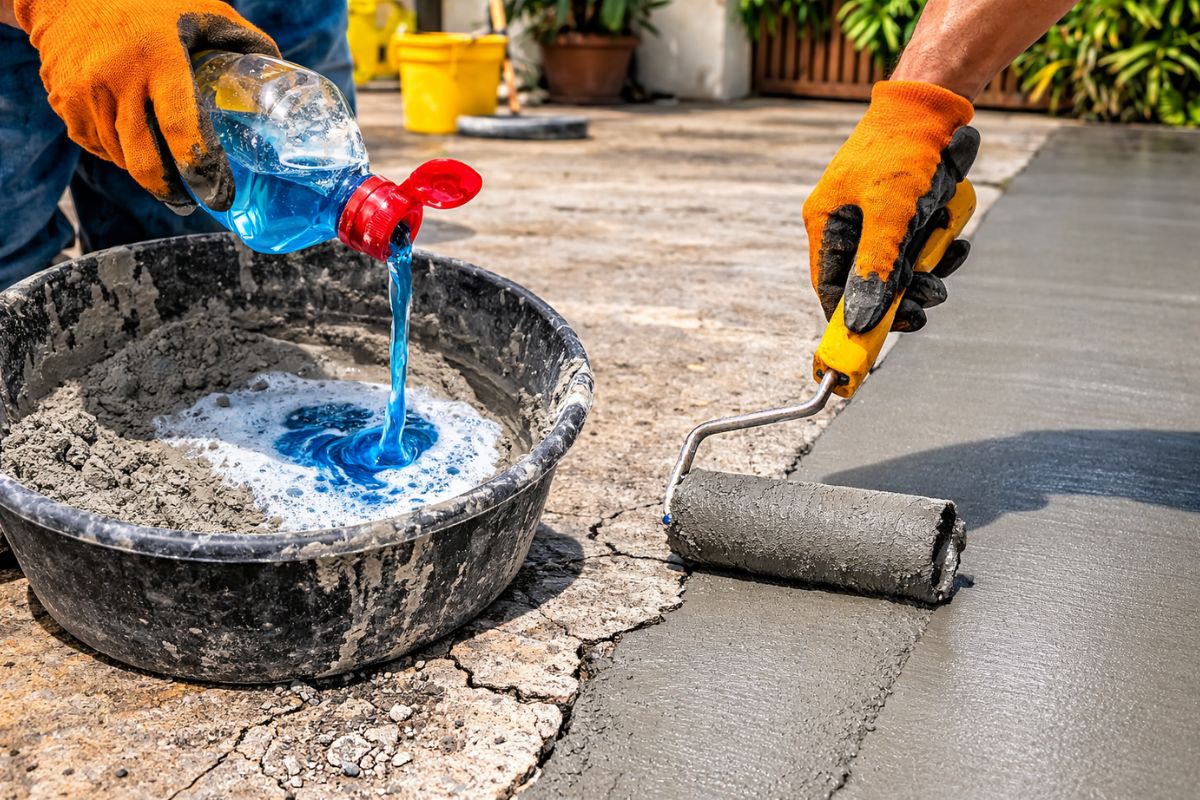
The Proposal Uses AC3 Mortar Mixed with Water Gradually and a Small Amount of Regular Detergent to Create a More Homogeneous Mass, Easy to Spread with a Squeegee over Rough Concrete Floors, Covering Imperfections, Reducing the Appearance of Wear and Allowing Light Traffic After Approximately 24 Full Hours.
The idea of using mortar AC3 with regular detergent is noteworthy because it transforms a simple preparation into a practical solution for rough floors that are shedding dust, peeling, or showing signs of wear. The difference lies in the softer texture of the mixture, which facilitates spreading and improves the surface finish.
In practice, the method was presented as a way to renew areas such as sidewalks, slabs, garages, and even thicker bathroom floors. Instead of removing all the old covering, the proposal is to create a new layer over the existing concrete, provided it is clean, slightly damp, and has enough adhesion to receive the mortar.
How Mortar with Detergent Changes the Behavior of the Mixture
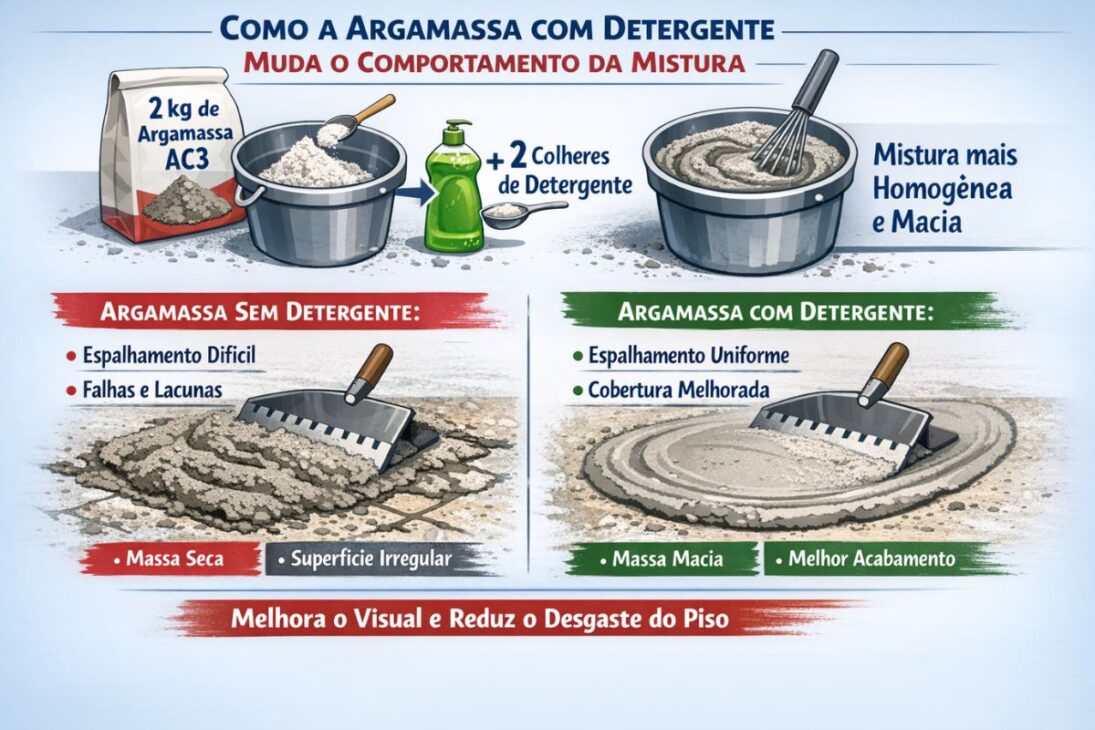
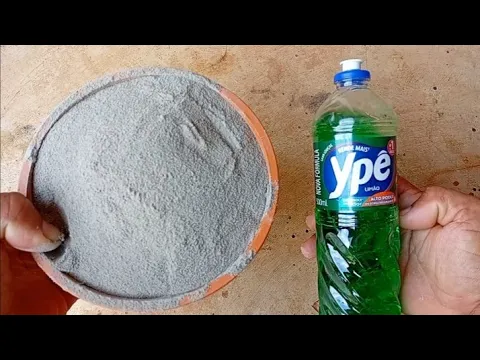
The central point of the technique lies in the preparation of the mortar. First, the material is placed in a bucket and receives water gradually, always with continuous mixing, until it reaches workable consistency. Then, a small amount of regular detergent is added. In the example presented, 2 kg of mortar AC3 was used with about two teaspoons of detergent. This addition does not serve as the main element for strength, but as a resource to make the mass more homogeneous and soft.
-
A megaproject worth R$ 89 billion is advancing in Iraq and promises to change the game in global trade by creating a new corridor between Asia and Europe, reducing traditional routes and repositioning the country as a logistics powerhouse.

-
Goodbye bedside table: floating shelves become a trend in 2026 by freeing up space in the bedroom, improving circulation, bringing visual lightness, and integrating technology without taking up floor space.

-
Israel, Greece, and Cyprus signed an agreement in 2020 to transport gas from the Mediterranean to Europe via a 1,872 km pipeline, but Turkey claimed sovereignty over part of the maritime route, and the project never materialized.

-
Israel, Greece, and Cyprus signed an agreement in 2020 to transport gas from the Mediterranean to Europe via a 1,872 km pipeline, but Turkey claimed sovereignty over part of the maritime route, and the project never materialized.


This change in behavior makes a difference during application. A very dry mortar tends to hinder spreading and leave more visible flaws on the rough floor. In contrast, a more uniform mass better accommodates the small irregularities of the surface. The desired result is not a complete polish, but rather a coverage capable of concealing loose parts, improving the appearance, and reducing the feel of wear on the old concrete.
Surface Preparation and Method of Application with a Squeegee
Before spreading the mortar, the floor needs to be swept and clean. The method was shown on a coarse surface, with peeling and dust release. After cleaning, the recommendation is to dampen the area. This detail is important because the slightly moist base helps to better receive the mixture, preventing the dry surface from pulling water too quickly from the freshly applied mass.
The application is done by pouring the mortar on the ground and pulling the material with a regular squeegee, the kind used at home. The goal is to distribute the layer broadly and practically, without needing more complex tools. This use of the squeegee also helps those who want to cover larger areas, such as garages, slabs, or sidewalks, more quickly. Instead of working point by point, the technique advocates for continuous spreading, creating a more uniform coverage over the coarse floor.
Quantity, Time Between Coats, and Drying for Use
The described preparation starts with a simple measure: 2 kg of mortar AC3, water added gradually, and two teaspoons of detergent. During application, if the mass stands still for a while and begins to lose workability, the guidance is to correct it with a little more water and mix again. This shows that the consistency of the mass needs to be monitored throughout the service, especially when the application is done in stages.
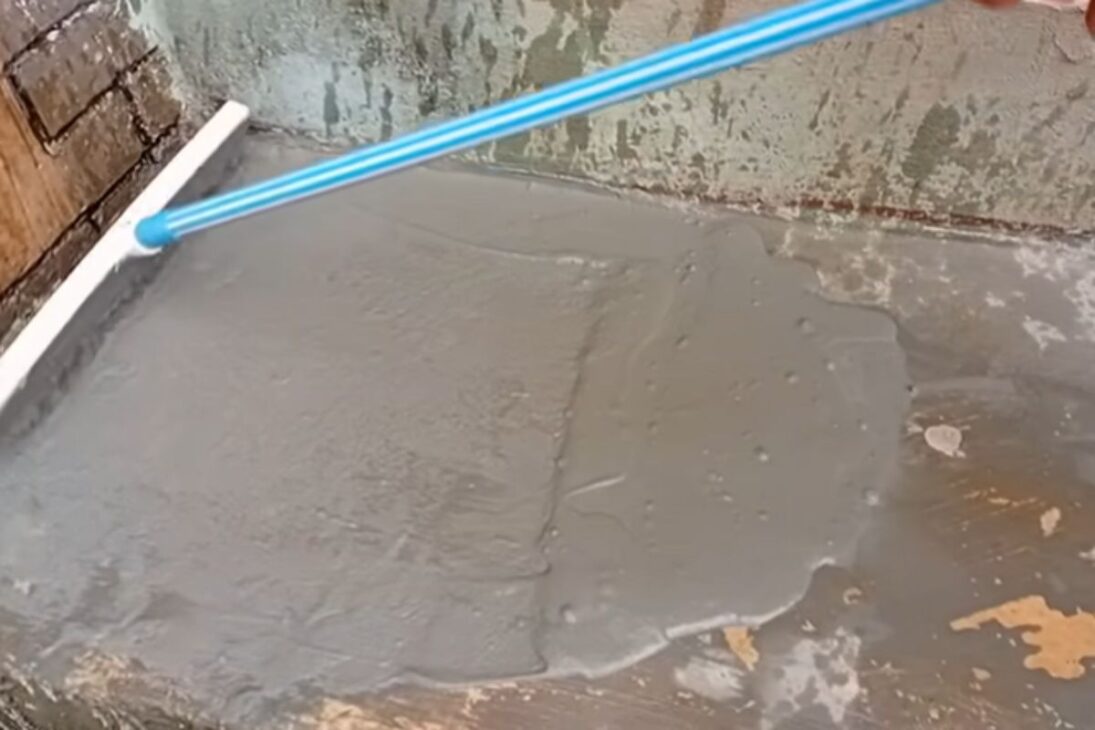
Another relevant point is the interval between layers. The guidance mentioned is to wait about an hour to make a second application. This new pass tends to make the coverage firmer, better close imperfections, and provide a smoother appearance within the proposal of the renewed rustic floor.
After this, the indicated drying time before walking on the area is approximately 24 hours. This time marks the transition between the newly coated surface and the floor already ready for light traffic.
Where the Technique Works Best and Where It Loses Performance
The proposal was designed for rough, porous, or thicker floors, especially those that are already unsightly, peeling, or shedding debris with daily use. Therefore, the mortar appears as an alternative for sidewalks, garages, slabs, and other areas with visible old concrete.
The use in bathrooms was also mentioned, as long as the base has the necessary roughness. The adhesion depends precisely on this contact with a less smooth surface, which helps the new layer to bond better.
On the other hand, the method itself establishes a clear limitation: it is not recommended for smooth floors or polished cement. In these cases, the finish may not turn out well, and adhesion tends to be insufficient.
This is a decisive point because it avoids the false impression that the same mortar is suitable for any scenario. The technique works within a specific context: thick, clean, damp floors prepared to receive a superficial layer of renewal.
Final Finish, Pigmentation, and Post-Application Care

Once dry, the coating can still receive additional finishing. It was reported that the mortar can be pigmented during preparation, allowing for visual changes without altering the application logic. It was also mentioned that, after complete drying, the area can be painted normally. This expands the use of the technique for those who do not only want to cover flaws but also renew the aesthetic aspect of the floor.
There is also a simple but important care at the end of the work: wash the squeegee right after use. As the mortar hardens quickly over time, keeping the tool clean prevents waste and facilitates future applications.
Overall, the technique stands out for combining accessible preparation, direct execution, and immediate visual results, without hiding that its efficiency depends on the type of floor, the correct consistency of the mass, and respecting the drying time.
Mixing regular detergent into the mortar AC3 and spreading it with a squeegee emerges as a practical alternative to revitalize rough concrete floors without removing the entire old base.
The mass becomes softer, better covers imperfections, and can restore a renewed appearance to heavily worn areas, as long as the surface is coarse, clean, and allows the necessary drying time.
At the same time, the technique does not present itself as a universal solution. It makes sense on sidewalks, slabs, garages, and other rustic flooring areas but loses effectiveness on smooth bases. Would you use this type of application in your home to recover an old floor or prefer more traditional renovation methods?









-

-

-

-

-

-

71 pessoas reagiram a isso.