





 Português
  Inglês
  Espanhol
  5 min de leitura
  0 comentários


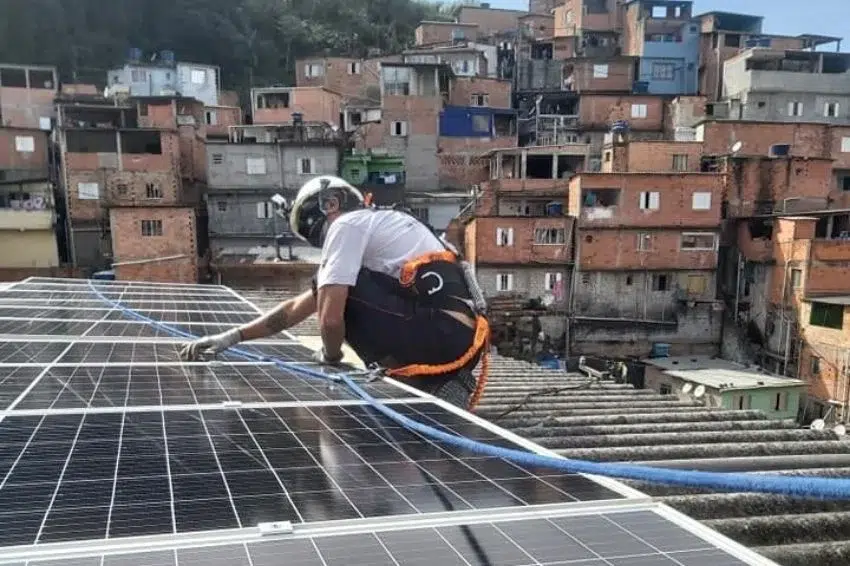
Solar Power Generators Turn to Justice to Obtain Tax Incentives Foreseen in Law.
The Ministry of Mines and Energy (MME) plans to make available for public consultation, in June 2025, a regulation that will establish the procedures related to the classification of projects for distributed mini-generation under the Special Regime of Incentives for Infrastructure Development (Reidi), according to information obtained by epbr.
As of September 2023, micro and distributed mini-generation projects became a priority to benefit from the tax incentives offered by the regime, which include exemption from PIS and Cofins on purchases of new machinery and equipment, service provision, and construction materials. The initiative aims to stimulate infrastructure development in the country, reducing the costs of clean energy projects and encouraging sustainable growth in the energy sector.
Reidi: Special Regime of Incentives for Infrastructure Development
Reidi, also known as the Special Regime of Incentives for Infrastructure Development, is provided for in the legal framework of the sector (Law 14.300/2022), but in practice, enterprises are struggling to achieve classification and generators are turning to justice to obtain the incentive.
-
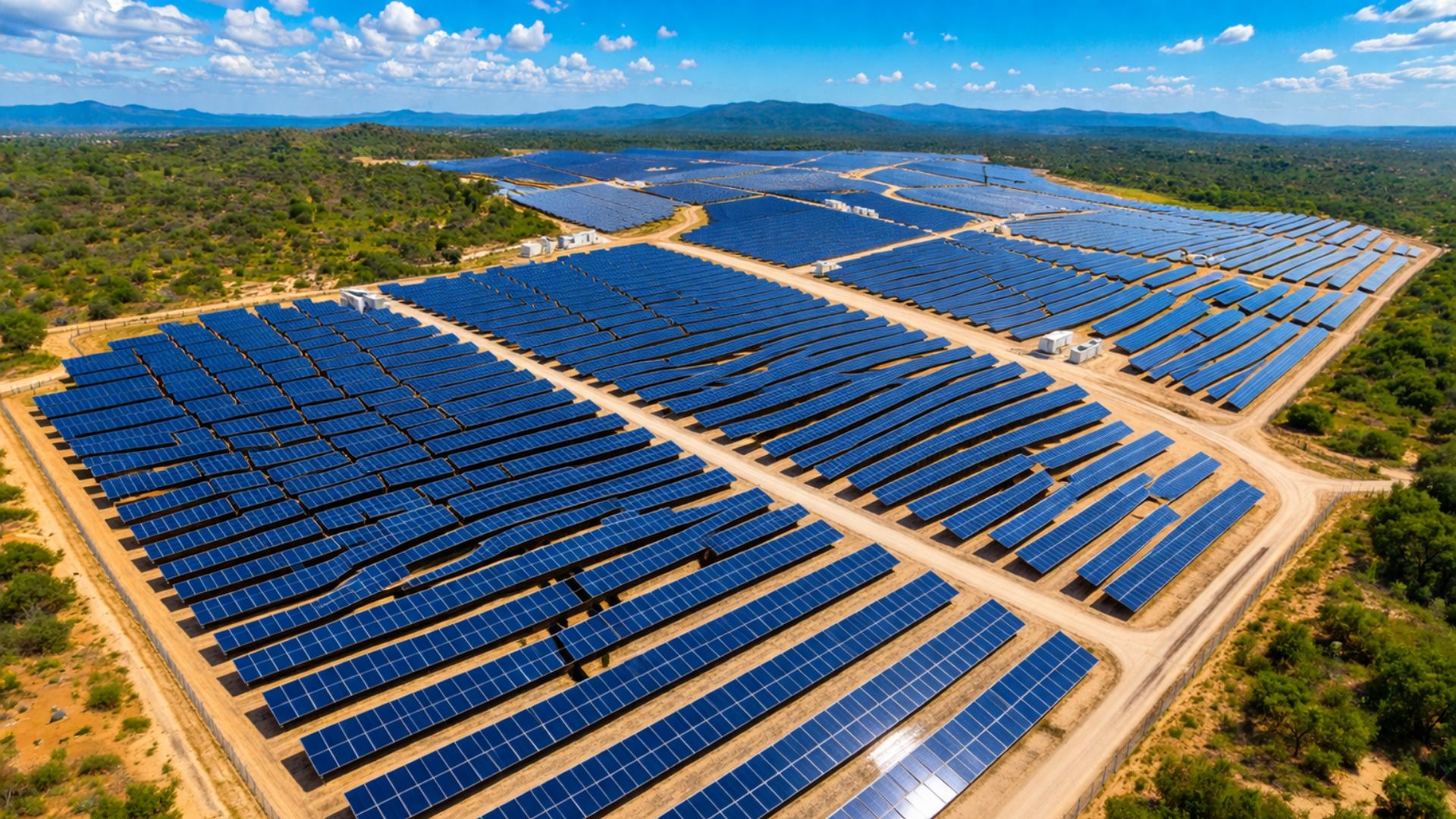
The Sol do Agreste Photovoltaic Complex begins operations in Pernambuco and accelerates the expansion of solar energy in Brazil, directly impacting the reduction of emissions and strengthening the sustainable energy matrix.
-
The Sol do Agreste Photovoltaic Complex begins operations in Pernambuco and accelerates the expansion of solar energy in Brazil, directly impacting the reduction of emissions and strengthening the sustainable energy matrix.
-
Renewable energy advances over protected areas in Brazil, and a survey by the Energy Transition Observatory reveals silent impacts that challenge environmental conservation and pressure sensitive traditional territories.

-
Rio Grande do Sul accelerates energy transition: State invests in renewable technologies and consolidates decarbonization strategies and pathways to attract billions in new industrial investments.


Regulation: Procedures and Tax Benefits
In October, the Ministry of Mines and Energy (MME) approved, sub judice, the first classification of a distributed generation project. Oasis Solar Central obtained approval after a lawsuit filed against the MME, the Union, and the National Electric Energy Agency (Aneel).
Process and Projects: Connections and Ordinance
In response to inquiries from epbr, the ministry reported, in a statement, that it held meetings with Absolar (one of the representatives of agents with impacted projects) throughout 2023 to receive contributions on the regulation of the topic and that a new and specific process will be necessary.
Classification: Secondary Phase and Law
‘The purpose of the initiative is to provide an operational solution to manage the growing number of classification requests for Reidi from distributed mini-generation projects, resulting from the thousands of connection requests made to distribution companies. This challenge requires the creation of a new and specific process, adapted to the complexity and volume of these requests’, reads the statement.
Judicial Guidance: Legal Coverage and Project Holder
In an interview with epbr at the end of November, Eduardo Evangelista, partner in the Regulatory and Energy areas at the Souto Correa law firm, explained that the delay in regulation created a barrier for the classification of distributed generation projects over the past year.
Tax Benefits: National Electric Energy Agency (Aneel) and Solar Photovoltaic Energy
Reidi has two phases for the electric sector. The first is the classification phase, in which the agent requests to Aneel, it instructs the process, recommends whether to classify or not, and sends it to the MME.
The MME completes the instruction and publishes an ordinance authorizing the classification of the project under Reidi. With this authorizing ordinance, the second phase comes, which is the forwarding to the Federal Revenue Service, which will publish an act that finally enables the project.
Denials: Legal Coverage and Process
‘Distributed generation agents could not proceed with this because they began to receive administrative denials, first at Aneel or when it reached the MME. The justification for these denials was the absence of regulation. In particular, the adaptation of the regulation’, Evangelista recounts.
According to the lawyer, one of the problems lies in the grant. To be classified under the regime, energy generation projects need to present the document. But unlike centralized generation plants, microgeneration does not have a grant.
Project Holder: Ministry of Mines and Energy (MME) and Distributed Generation (GD)
‘It’s a matter of adapting the regulation’, he notes.
The recurring denials led agents to turn to justice. Evangelista states that, up until mid-2023, the judicial guidance was to wait for regulation. After a year following the lifting of the veto, these companies began to win their cases.
Judicial Guidance: National Electric Energy Agency (Aneel) and Ministry of Mines and Energy (MME)
‘The judiciary began to become sensitive to the side of the distributed generation agents who were unable to take advantage of this incentive regime, which has a very substantial impact on the economy of the enterprise’.
Special Regime of Incentives for Infrastructure Development: Legal Coverage and Ministry of Economy
The provision that grants Reidi was initially vetoed in the government of Jair Bolsonaro (PL), due to resistance from the then Ministry of Economy regarding the extension of benefits already granted to sectors such as transportation, ports, energy, basic sanitation, and irrigation. However, the presidential veto was overturned by the National Congress in August of last year.
Legal Coverage: Regulation and Judicial Limits
‘The law did not create a condition for classification. When the veto fell, the provision became effective and agents were already covered legally to enable their projects’, explains Evangelista.
According to the lawyer, the judicial limits in favor of the agents recognize that the issue is about adapting the regulation because there is no way to present grants for microgeneration enterprises and determine to Aneel and MME the evaluation of the projects.
Cost Reduction: Reidi and Ministry of Mines and Energy (MME)
Giácomo Paro, partner in the Tax and Energy areas at the Souto Correa law firm, states that Reidi allows for a reduction of 9% to 10% in construction costs.
This occurs because, when the holder of the infrastructure project goes to purchase photovoltaic panels, for example, he informs the supplier that he is entitled to exemption from PIS and Cofins taxes. The supplier, in turn, as they will not have to pay the charges, passes this tax savings on to the final selling price.
‘What does it mean to have Reidi? It means that what I am buying in products and services, I will buy cheaper because my supplier will not pay PIS and Cofins, and he will pass this benefit on to me in the form of price reduction’.
Source: EPBR










Seja o primeiro a reagir!