





 Portuguese
  English
  Spanish
  5 min of reading
  0 comments


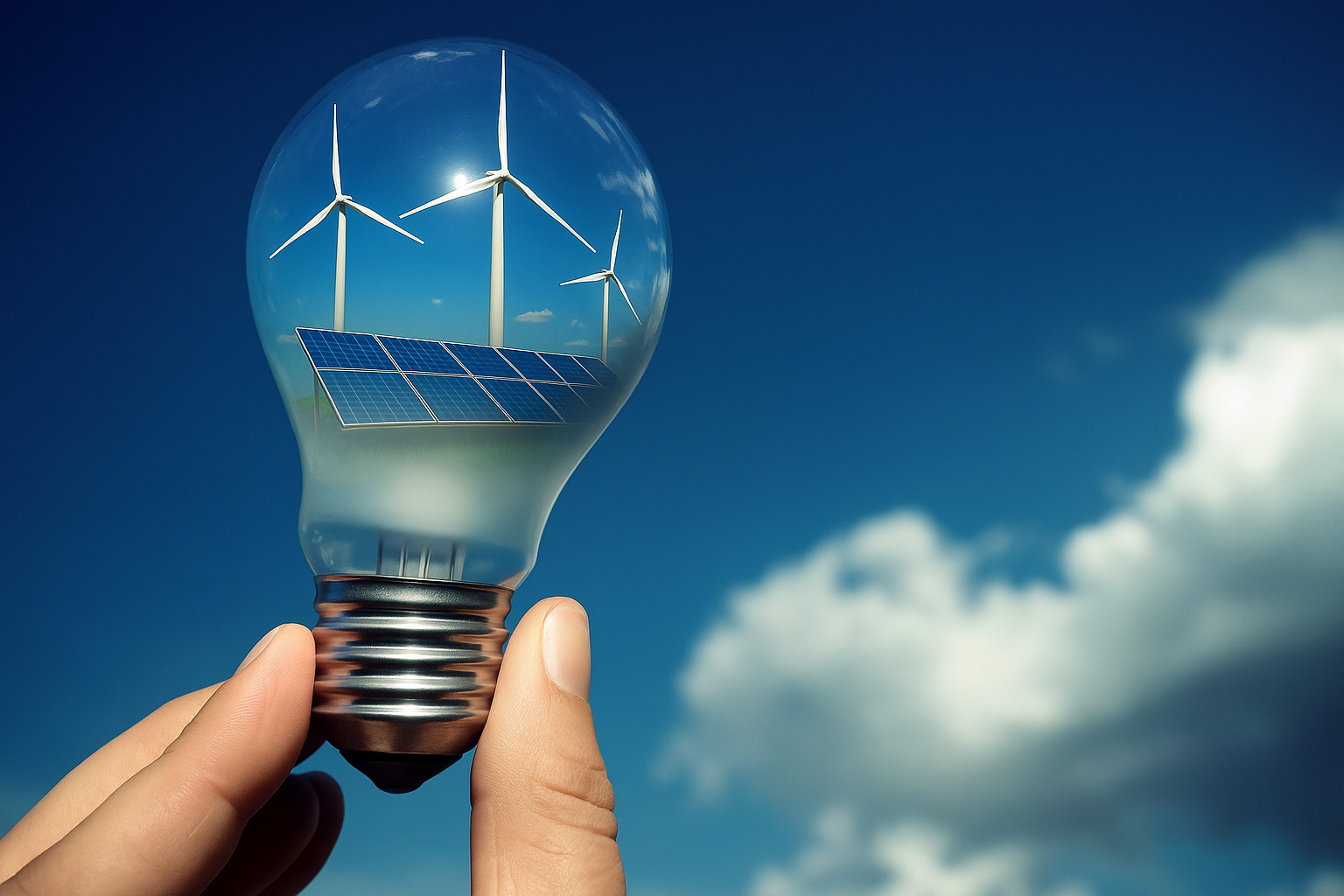
Brazil Highlights Energy Transition After G20 Focused on Social Justice, Inclusion, and International Cooperation in Countries with Limited Access to Clean Energy.
The energy transition after G20 has gained new meaning for Brazil and also for other developing countries. Since taking over the presidency of the group in 2024, Brazil has played a prominent role in global energy debates.
For this reason, the country introduced a new approach: to promote a just energy transition, inclusive, and tailored to the realities of the Global South.
At the same time, with this new strategic position, Brazil not only participated in discussions but also actively influenced the direction of the climate agenda.
-
Renewable energy advances over protected areas in Brazil, and a survey by the Energy Transition Observatory reveals silent impacts that challenge environmental conservation and pressure sensitive traditional territories.

-
Rio Grande do Sul accelerates energy transition: State invests in renewable technologies and consolidates decarbonization strategies and pathways to attract billions in new industrial investments.

-
With 160,000 m² of collectors, an area larger than 20 football fields, Silkeborg, in Denmark, hosts a solar thermal plant that heats 19,500 homes and could become the largest solar heating plant in the world.

-
A study reveals the expansion of renewable energy procurement in Brazil and shows how companies are taking advantage of opportunities to reduce expenses, ensure energy efficiency, and strengthen strategic environmental commitments.


Consequently, this change represents a historic milestone for a nation that has always produced renewable energy on a large scale, yet had rarely led the international debate.
A New Look at the Energy Transition
Traditionally, industrialized countries led the energy transition, replacing fossil sources with clean alternatives. As a result, these nations focused their efforts on innovation, efficiency, and emission reduction.
However, this logic ignored the realities of many developing countries.
Moreover, millions of people still live without energy access, facing structural inequalities and a strong dependence on polluting sources.
In light of this scenario, Brazil, upon taking over the G20, proposed a new narrative. Instead of treating the energy transition merely as a technical goal, the country began to view it as a human and social right.
According to the special advisor to the Ministry of Mines and Energy (MME), Mariana Espécie, the Brazilian proposal broadened the scope of discussions.
Consequently, Brazil introduced essential topics into the debate that had previously not received adequate attention in international forums.
This new vision also encourages the development of sustainable technologies that are adaptable to local conditions, thereby promoting a transition that is not only environmentally effective but also socially just.
G20 and the Defense of Energy Justice
Since then, Brazil reshaped the debate. Instead of that, focusing exclusively on technological goals, the country emphasized the social inequalities that hinder access to energy.
Thus, the goal became a just transition, sensitive to economic and social diversity.
Not by chance, the concept of “just energy transition“ has gained strength. After all, this approach leaves no one behind.
In other words, it takes into account populations without electricity and countries that still depend on fossil fuel exports.
Before this, the climate agenda was dominated by industrialized countries. However, under Brazilian leadership, new priorities emerged: energy poverty, sovereignty over resources, and solidary cooperation among nations.
Furthermore, Brazil has shown that addressing the climate crisis requires tackling inequalities.
For this reason, climate justice is directly linked to social justice, especially in the most vulnerable regions.
This change also requires countries to develop public policies that integrate social protection and economic inclusion measures, ensuring that the energy transition does not exacerbate existing inequalities.
The Contribution of Expanded BRICS
During the conference “Building Coalitions for Climate Action in Expanded BRICS”, held in Rio de Janeiro, authorities and experts discussed ways to adapt the energy transition to emerging contexts.
With this, the event strengthened the Brazilian vision and broadened the space for multilateral articulations.
In this context, the BRICS Energy Research Cooperation Platform, chaired by Mariana Espécie, began developing joint projects among the bloc countries.
With this objective, the initiative seeks energy solutions aligned with local realities.
At the same time, BRICS has consolidated itself as a network of political and technical support.
For example, initiatives such as the use of biofuels, green hydrogen, and renewable energies reflect this potential for cooperation.
In addition to governments, Brazil also advocates for the integration of universities, companies, and communities.
Therefore, the energy transition needs to involve all sectors of society, ensuring innovation with direct social impact.
Energy Inclusion as a Global Priority
In developing countries, millions of people live without electric power. Consequently, this situation harms areas such as health, education, and food.
Thus, it is not possible to talk about energy transition without including those who remain marginalized.
Brazil recognizes, therefore, that clean energy must be accessible and democratic.
In this sense, the G20 served as a platform to defend this vision, associating environmental goals with social urgencies.
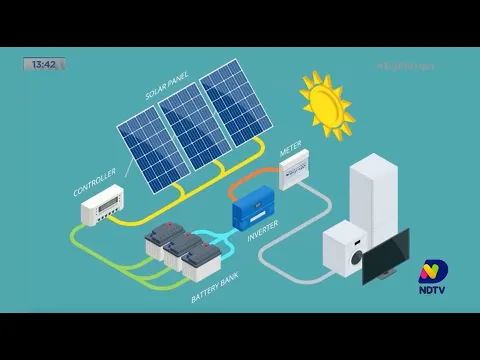
For this reason, the country bets on practical solutions, such as decentralized solar systems and technical training programs.
With this, it aims to generate jobs and stimulate green entrepreneurship.
In summary, the energy transition after G20 needs to create real opportunities for vulnerable populations.
This means not only protecting the planet, but also transforming lives through clean energy and social justice.
Moreover, this approach reinforces Brazil’s role as a leader in promoting policies aimed at reducing regional inequalities through universal energy access.
Legacy and Future Perspectives
Based on this action, Brazil is in a position to transform the international debate in the coming years.
By broadening the view on energy, it advocates a more humane, diverse, and participatory model.
Internally, the country invests in the diversification of the energy matrix and in incentives for clean sources.
Furthermore, it promotes legal frameworks that facilitate access to these technologies for small producers and cooperatives.
Externally, Brazil strengthens alliances with environmental institutions and funds.
By taking on a responsible leadership role, the country attracts investments and establishes sustainable partnerships.
More than that, this movement reinforces Brazil’s role as a global protagonist.
Therefore, transforming energy into a vector for development and social inclusion has become a national commitment.
Finally, it is important to highlight that this trajectory also requires strengthening environmental education and societal awareness about the importance of energy sustainability, to ensure that progress is lasting and widely accepted.
The energy transition after G20, under Brazilian leadership, represents a new global path.
Through this agenda, the country demonstrates that it is possible to reconcile climate responsibility with social justice.
More than just swapping sources, the challenge demands rethinking the energy model as a whole.
In other words, the transition must be clean, just, accessible, and inclusive.
Brazil has taken the first step. Now, it is up to the international community to move forward together — for only then, the future of energy will be truly sustainable for all.








Seja o primeiro a reagir!