





 English
  Francês
  Alemão
  Italiano
  Japonês
  Norueguês
  Portuguese
  Spanish
  4 min of reading


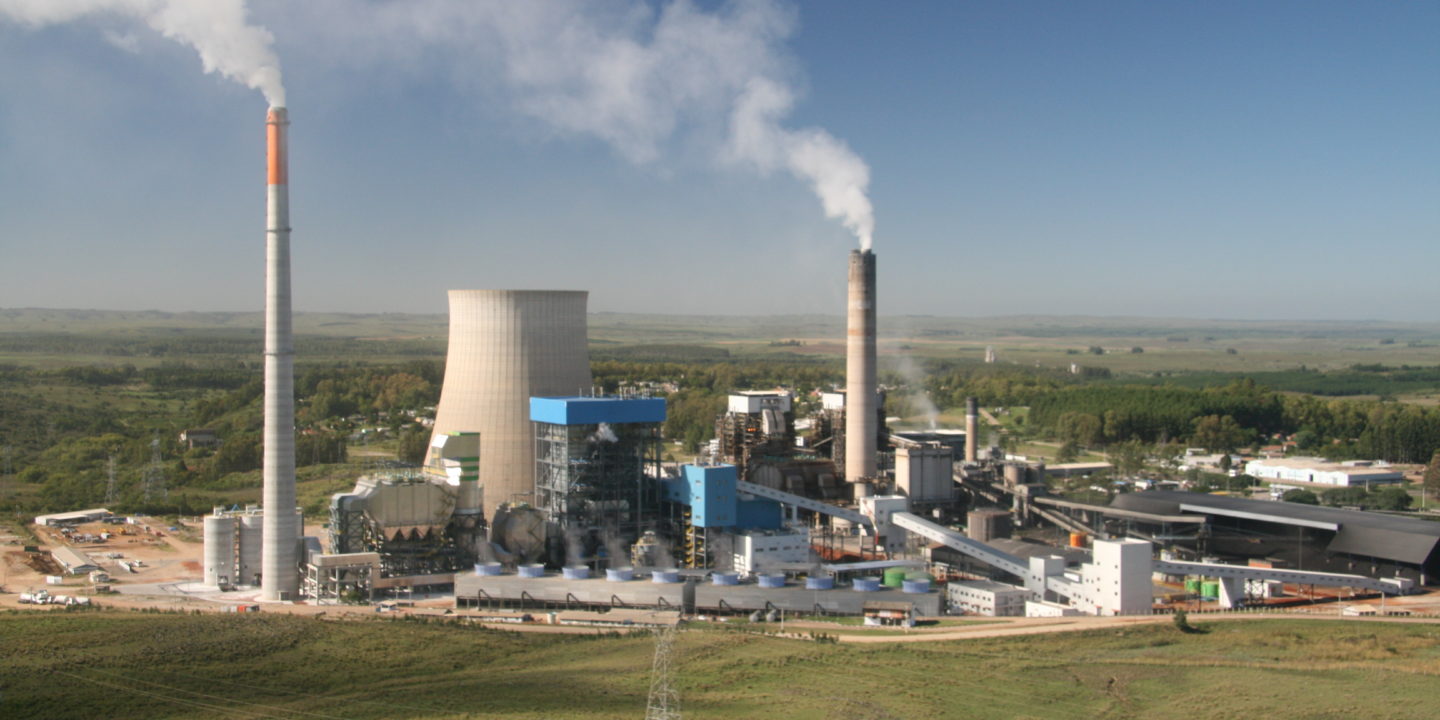
The Proposal of MME Foresees the Modernization of the Generation Park, with the Replacement of Thermoelectric Plants That Are Already Decommissioned or at the End of Their Useful Life
Yesterday, Monday (09/08), the Ministry of Mines and Energy (MME) approved the details of the Program for Sustainable Use of National Coal. The proposal involves the modernization of the coal generation park in the South of the country by contracting energy from thermoelectric plants that will replace decommissioned plants and those that are at the end of their useful life and are expected to be dismantled in the coming years. Also, check this news: Even in the Face of Water Crisis, MME Reports That There is No Risk of Energy Rationing in 2021
- New Mining Projects in Bahia Will Receive Large Investments
- Company Develops Flying Electric Car Using Fluid Propulsion That Dispensates the Use of Propellers
- Facebook and Recode Offer 10,000 Spots in Free Online and Distance Learning Courses in Programming, Game Development, Digital Marketing, and More
- World’s Fastest and Most Expensive Electric Car Promises to Dethrone Tesla’s Model S Plaid
- BMW Develops Solar-Powered Charging Station for Electric Cars in Brazil
Details on the Program That Extends the Use of Coal-Fired Thermoelectric Plants
According to MME, the Program that extends the use of coal in Brazil could mean investments on the order of R$ 20 billion over the next 10 years, but it will not be able to count, for example, on the support of the National Bank for Economic and Social Development (BNDES), which no longer finances polluting fuels.
The Program proposes the replacement of old coal thermoelectric plants with newer ones, and it is also planned to end the subsidy for the source via the Energy Development Account (CDE) in 2027. Concentrated in the South of the country, a region that holds 99.9% of the coal reserves in the country, coal mines have the potential to supply 18,600 MW of electricity for 100 years, according to MME.
-
Expansion of Federal Institutes: 38 new campuses and R$ 200 million for public education; see the cities included.

-
Lula’s government changes rule in important benefit and thousands of Brazilians will no longer receive it; see what has changed.

-
New Gripen fighter makes Argentines surrender to Brazil, and the heavy reaction exposes envy, frustration, and shock at Brazil’s technological leap.

-
This discovered deposit near the Andes could change the future of Argentina, attract billions, and even shake up the global metals market.


The Objective of the MME Program
The objective of the Program, according to MME, is to take advantage of the existing reserves in more modern and less polluting projects, while there is still time, as the entire world is moving towards reducing greenhouse gas emissions, such as carbon dioxide (CO2). However, the method of contracting this energy has not been defined in the program, but it is possible that a specific product for coal will be included in energy auctions, and inclusion in capacity reserve auctions.
According to MME, the way and price of the coal auction will still be evaluated. “The proposed electricity contracting must observe some conditions and premises: establish a minimum requirement for electricity generation efficiency; absence of burden for the State and the non-granting of new subsidies to mineral coal and also the extension of the existing ones,” explains the program, also highlighting the adoption of environmentally appropriate technologies in mining activities and coal use (including regarding environmental recovery with waste burning).
Also, check this news: Expenses with Thermoelectric Plants Rise from R$ 9 Billion to R$ 13 Billion According to MME, Due to Water Crisis
According to an estimate made by the Ministry of Mines and Energy (MME), based on simulations by the National Electric System Operator (ONS), the increased use of thermoelectric plants due to the water crisis scenario will cost consumers R$ 13.1 billion this year, compared to a previous estimate made in June that projected a cost of R$ 9 billion.
This calculation used in the MME estimate is based on simulations by the National Electric System Operator (ONS), considering the additional use of thermoelectric plants between January and November this year. The increase in energy generation costs is passed on to consumers through the tariff flag, an extra fee applied to the electricity bill.
MME and the Electric Energy Commercialization Chamber (CCEE) informed G1 that the actions taken by the government are to preserve the water in the reservoirs of hydropower plants, resulting in the activation of more thermoelectric plants, ensuring energy supply. With this activation, the cost forecast for using thermal energy this year rose from R$ 9 billion to R$ 13.1 billion, an increase of 45%.








-

Uma pessoa reagiu a isso.