





 English
  Francês
  Alemão
  Italiano
  Japonês
  Norueguês
  Portuguese
  Spanish
  5 min of reading
  0 comments


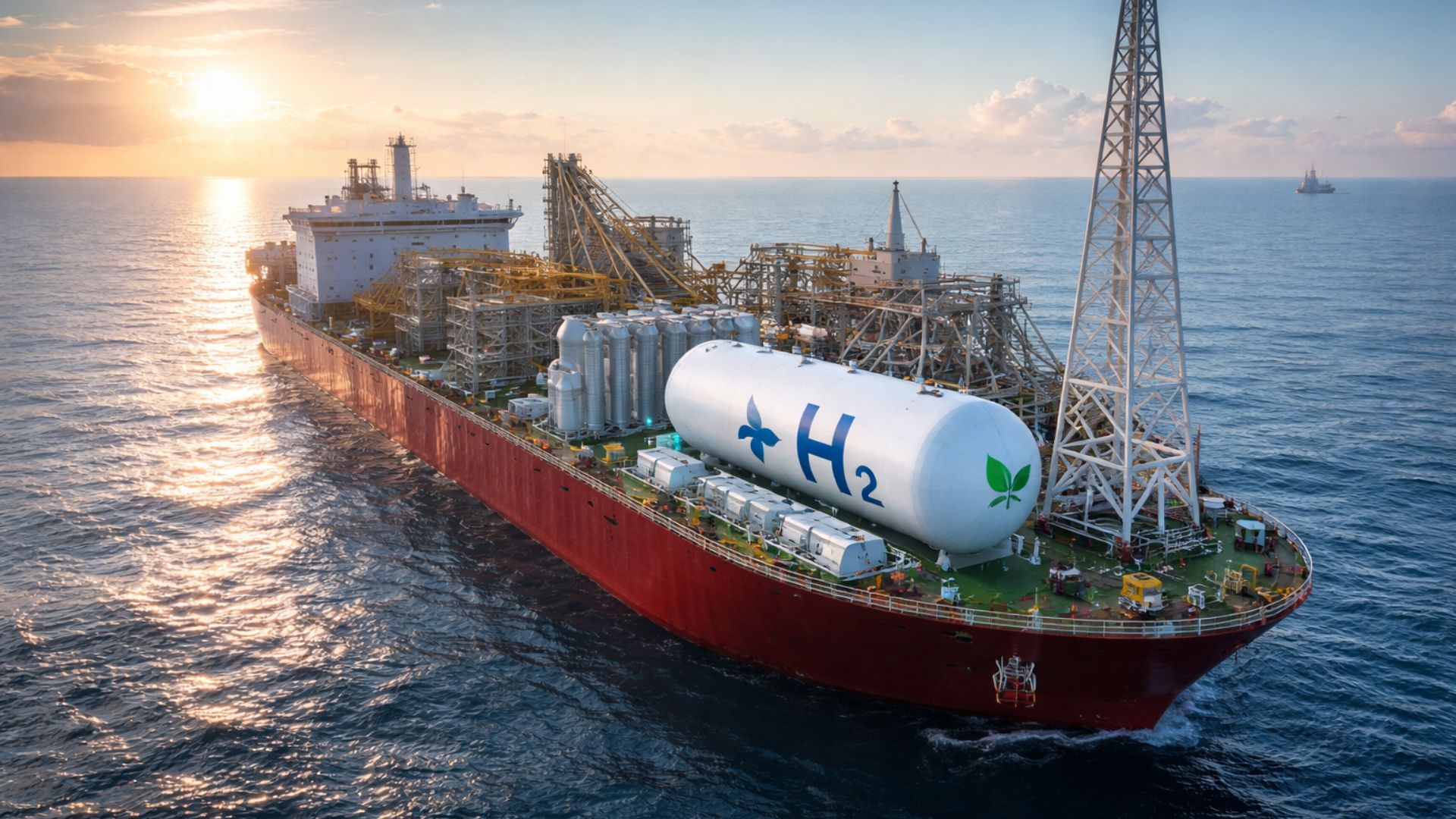
Partnership Between MODEC, ELD Energy and Delta Bets on Hydrogen SOFC System to Reduce Emissions in FPSOs. Offshore Energy Project Aims for Efficiency, Low Carbon and Testing by 2027
The MODEC, ELD Energy, and Delta signed a Strategic Intent Declaration for the joint development of a solid oxide fuel cell (SOFC) power generation system, powered by hydrogen, focusing on offshore energy applications, especially in FPSOs.
The agreement lays the foundation for a low-emission, high-efficiency, and operational reliability solution, with the potential to redefine energy standards in maritime environments. The initiative arises at a time of increasing global pressure for CO₂ emission reductions, while the offshore sector remains dependent on continuous and secure energy supply.
According to a publication from MODEC itself in January, onshore testing of the prototype is scheduled for 2027, consolidating the project as a relevant technological bet for the gradual decarbonization of FPSOs.
-
A study reveals the expansion of renewable energy procurement in Brazil and shows how companies are taking advantage of opportunities to reduce expenses, ensure energy efficiency, and strengthen strategic environmental commitments.

-
Mato Grosso do Sul excels in the sugar-energy sector: the state reaches a milestone of 22 operating mills and accelerates the production of clean energy in MS with a focus on sustainability.

-
National energy dilemma: Brazilians support clean energy but reject increases in tariff costs to finance the sustainable transition.
-
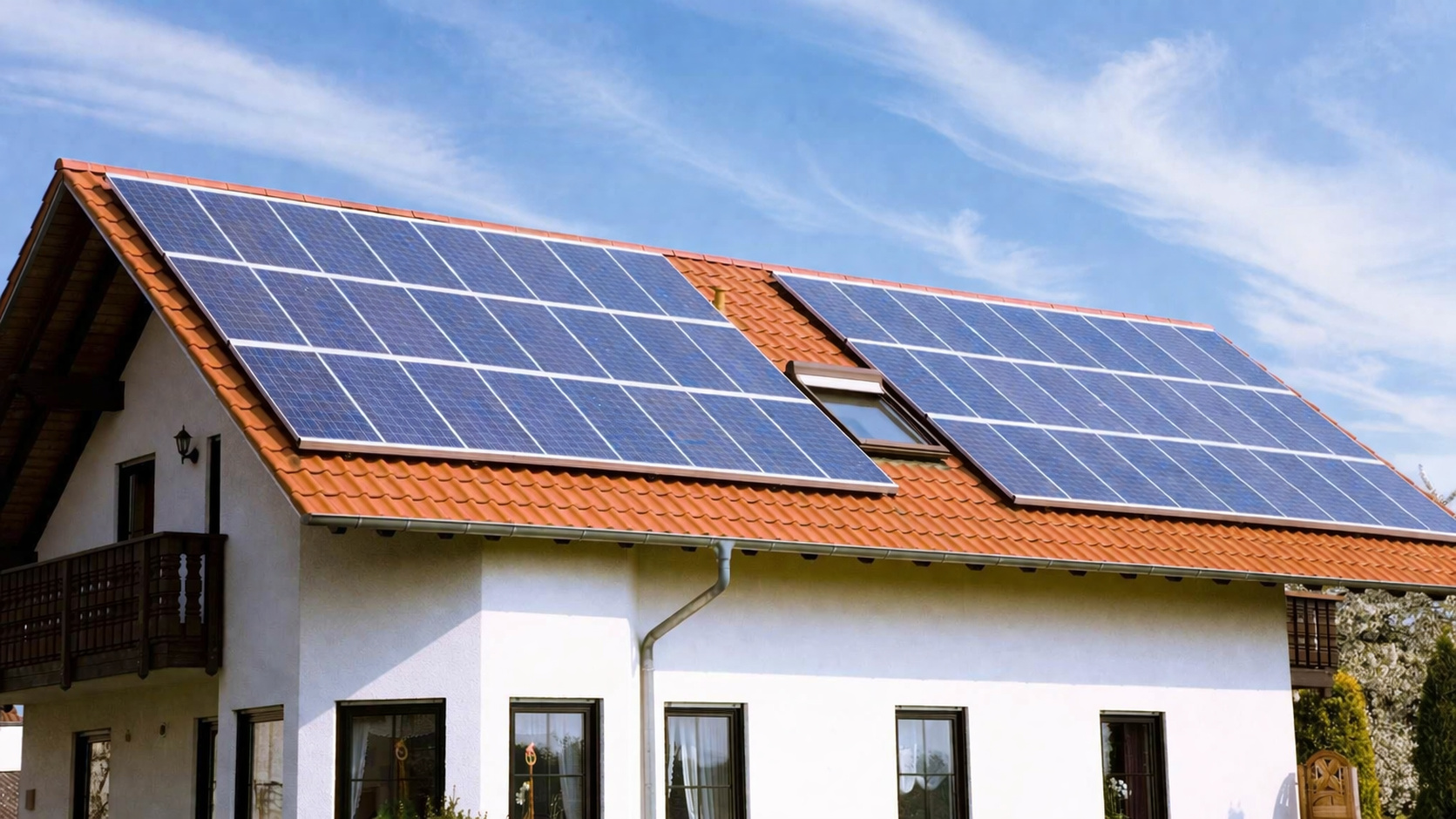
Research indicates that Brazilians support clean energy and wish to advance in the energy transition, but reject paying more on their electricity bill, showing a direct conflict between cost and sustainability.


MODEC, ELD Energy and Delta Drive Innovation in Offshore Energy
The collaboration between MODEC, ELD Energy, and Delta reflects a strategic convergence of competencies. MODEC is one of the leading global operators of FPSOs, with strong expertise in engineering, construction, and operation of offshore units. ELD Energy specializes in energy solutions for maritime and offshore applications, while Delta brings its experience in hydrogen, fuel cell technologies, and energy management systems.
This combination allows the offshore energy challenge to be addressed in an integrated manner, from electricity generation to the reliability and stability required in harsh maritime environments. The goal is not only to develop a prototype but to establish a new technological benchmark for low-emission energy systems applicable to FPSOs.
Additionally, the initiative signals a structural change in how major operators view the offshore energy transition, prioritizing viable solutions from a technical and operational standpoint.
Hydrogen SOFC System for FPSOs: Technological Basis of the Project
The first concrete step of the partnership was the initial purchase request for SOFC fuel cells supplied by Delta. These cells use a steel-supported design, a characteristic that provides high mechanical durability and reliability, essential attributes for offshore energy systems.
Based on these cells, a 120 kW SOFC module will be developed, specifically designed for use in FPSOs. The system includes a set of fuel cells and an integrated power electrical system, ensuring compatibility with the energy and operational demands of floating units.
The use of hydrogen as an energy carrier enables high electrical efficiency, as well as a significant reduction in emissions compared to conventional systems. Although the project is in the development phase, its architecture already shows adherence to the requirements of the offshore environment.
Hydrogen as a Strategic Vector in Low-Emission Offshore Energy
The adoption of hydrogen in SOFC systems represents one of the most promising approaches for the decarbonization of offshore energy. Solid oxide cells operate at high temperatures, which favors greater efficiency and flexibility in the use of fuels, including hydrogen.
According to Delta, the project expands its business model of hydrogen for maritime applications, integrating not only fuel cells but also advanced energy management systems. This comprehensive solution is essential for environments like FPSOs, where electrical stability and reliability are critical factors.
ELD Energy’s participation ensures that the technology is adapted to the real operating conditions offshore, including vibration, limited space, and integration with existing systems.
FPSOs as a Key Platform for the Energy Transition
FPSOs occupy a strategic position in global offshore production, making them ideal platforms for the introduction of innovative offshore energy technologies. Traditionally reliant on fossil fuel-based generation systems, these units face increasing challenges related to carbon emissions.
The incorporation of hydrogen-powered SOFC systems allows for emission reductions without compromising energy security, an indispensable factor for the continuous production of oil and gas. The initiative led by MODEC, in partnership with ELD Energy and Delta, demonstrates that the energy transition can happen gradually and technically feasibly. This model can serve as a reference for future units, extending the impact of the technology beyond a single pilot project.

Company Statements Reinforce Long-Term Vision
During the signing ceremony, representatives from the three companies highlighted the transformative potential of the partnership. Koichi Matsumiya, Technical Director of the MODEC Group, emphasized that the joint development of an SOFC solution with Delta and ELD Energy provides a viable path to minimize greenhouse gas emissions, balancing stable energy supply and environmental sustainability in FPSOs.
Dr. Charles Tsai, General Manager of the Hydrogen Energy Business Division of Delta, highlighted the company’s commitment to energy-efficient solutions, stating that the collaboration introduces a complete hydrogen solution for offshore and maritime applications.
Hans Fredrik Lindøen-Kjellnes, CEO of ELD Energy, affirmed that the project reinforces the technical feasibility and potential for future large-scale production of SOFC cells, accelerating the decarbonization of offshore energy. These statements demonstrate the strategic alignment between technological innovation and environmental goals.

Onshore Testing and Development by 2027
The disclosed timeline foresees that the 120 kW SOFC module onshore testing will occur until 2027. These tests will include evaluations of electrical performance, system integration, and operational reliability under controlled conditions simulating the offshore energy environment.
Although there is still no confirmation of immediate commercial deployment in FPSOs, the results of these tests will be decisive for the project’s next steps. Validation on land is a critical step before any offshore application, ensuring safety and operational predictability.
MODEC has already indicated that it will continue to invest in solutions that reduce CO₂ emissions, aligning with global demands for sustainability and energy transition.
A Milestone for the Evolution of Offshore Energy in FPSOs
The joint initiative of MODEC, ELD Energy, and Delta represents a significant milestone in the application of hydrogen and SOFC cells in FPSOs. The project demonstrates that it is possible to advance offshore decarbonization without sacrificing efficiency and energy reliability.
By combining operational experience, technological innovation, and environmental focus, the partnership establishes solid foundations for the future of offshore energy. By 2027, the results of the development and testing may influence strategic decisions throughout the maritime and offshore industry. More than a technological project, it is a concrete step towards a cleaner, more efficient, and sustainable offshore energy model.








-

2 pessoas reagiram a isso.