





 Portuguese
  English
  Spanish
 4 min of reading
  0 comments


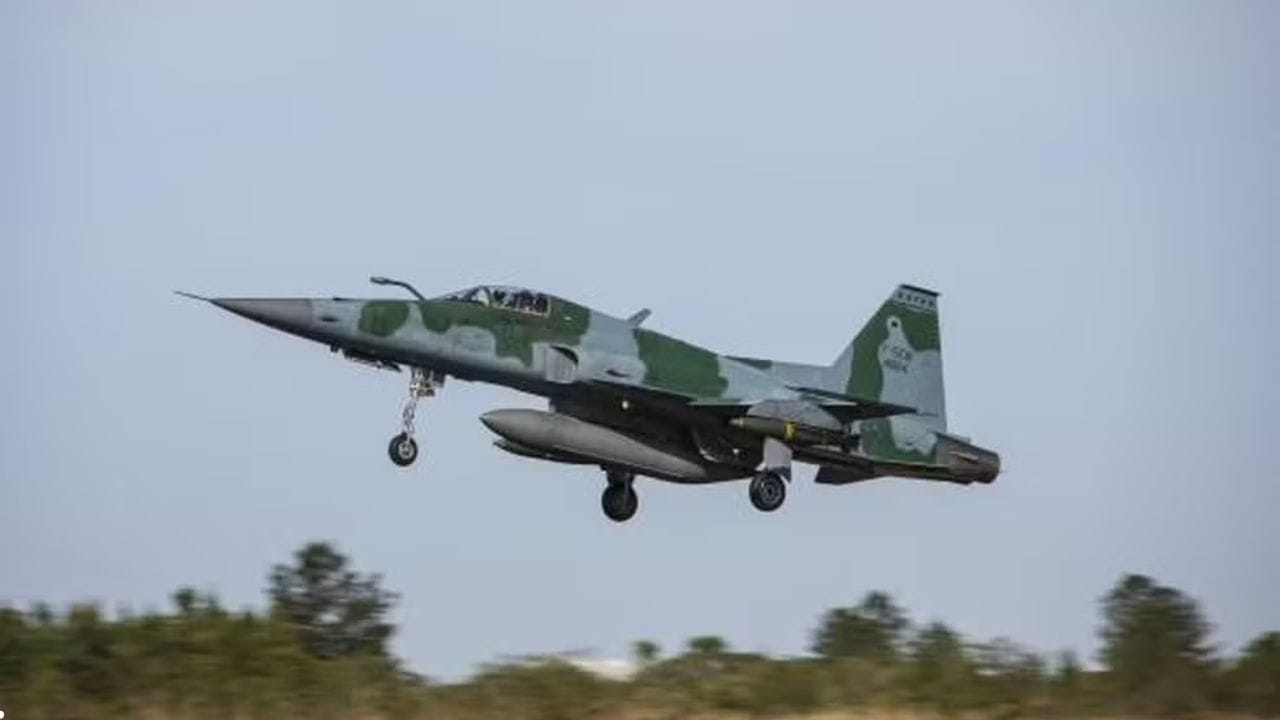
Strategic Modernization of the F5BR FIGHTER Brings Significant Gains for Combat Communication and Strengthens Brazil’s Defense in Modern War Scenarios
It may seem like a movie scene, but it is real: Brazil has just made an important leap in its defense capability with the technological modernization of the classic F5BR FIGHTER. During a military exercise in Rio Grande do Sul, three cutting-edge systems were successfully tested, integrating secure communication among aircraft, ships, and ground troops.
That’s right: what used to be a traditional combat aircraft has now taken on a central role in a highly connected digital system. The result? A more efficient, modern BRAZILIAN DEFENSE prepared for the challenges of the contemporary battlefield.
Unprecedented Tests Show the Potential of the F5BR FIGHTER in Joint Operations
In a recent simulation that brought together the three Armed Forces, Brazil put into practice a series of technologies that represent a new moment for national military strategy. The highlight was the use of the Link BR2 system, a cryptographic communication platform developed in partnership between the Brazilian Air Force (FAB) and the national company AEL Sistemas.
-
The U.S. Army receives the first Black Hawk helicopter that can fly without pilots, be controlled by a tablet, and even land on its own during high-risk missions.

-
With 11,000 tons and sensors capable of hunting submarines at long distances, the Type 055 has become one of the most feared floating arsenals of the Chinese navy.

-
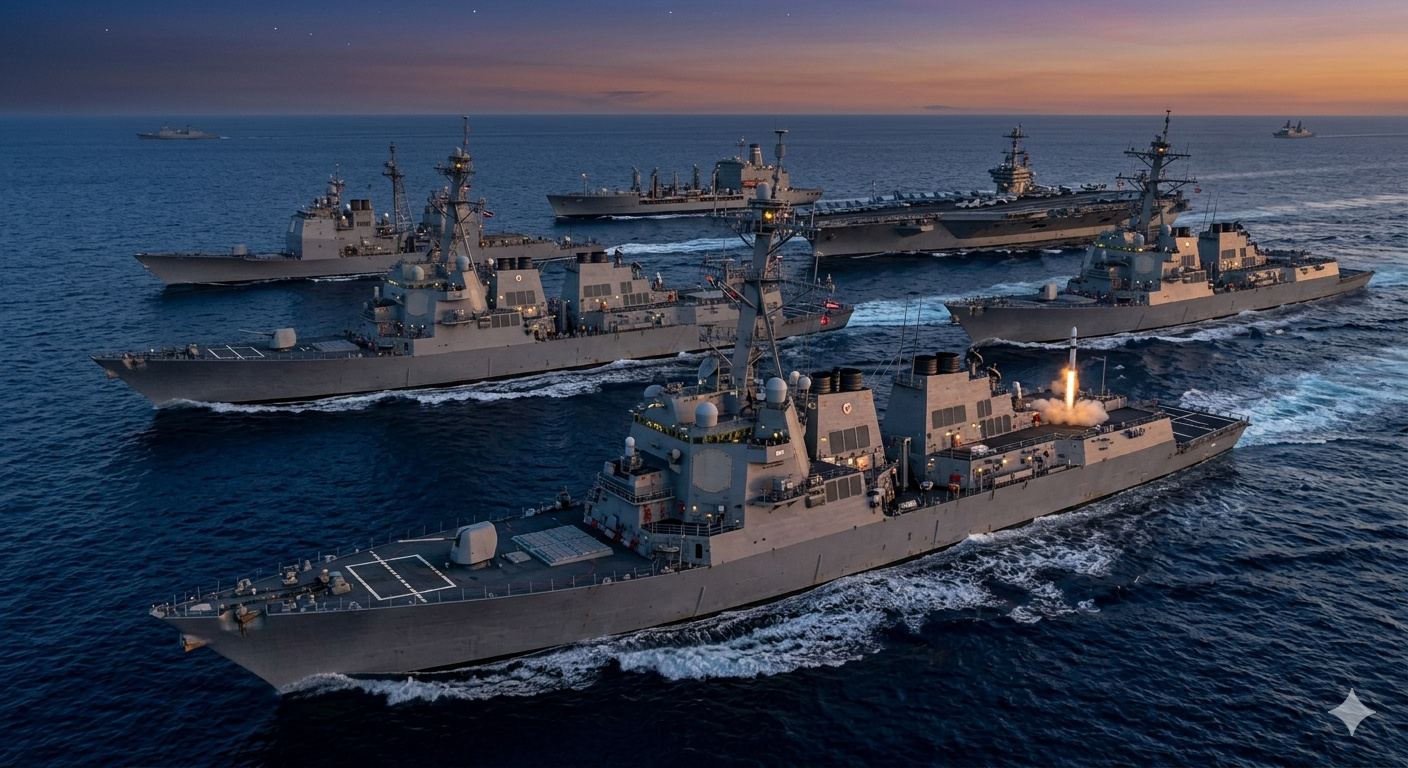
With over 15,000 tons, radars capable of tracking hundreds of targets simultaneously, and more than 120 missiles ready for launch in seconds, modern destroyers cease to be escorts and begin to dominate the naval battlefield.
-
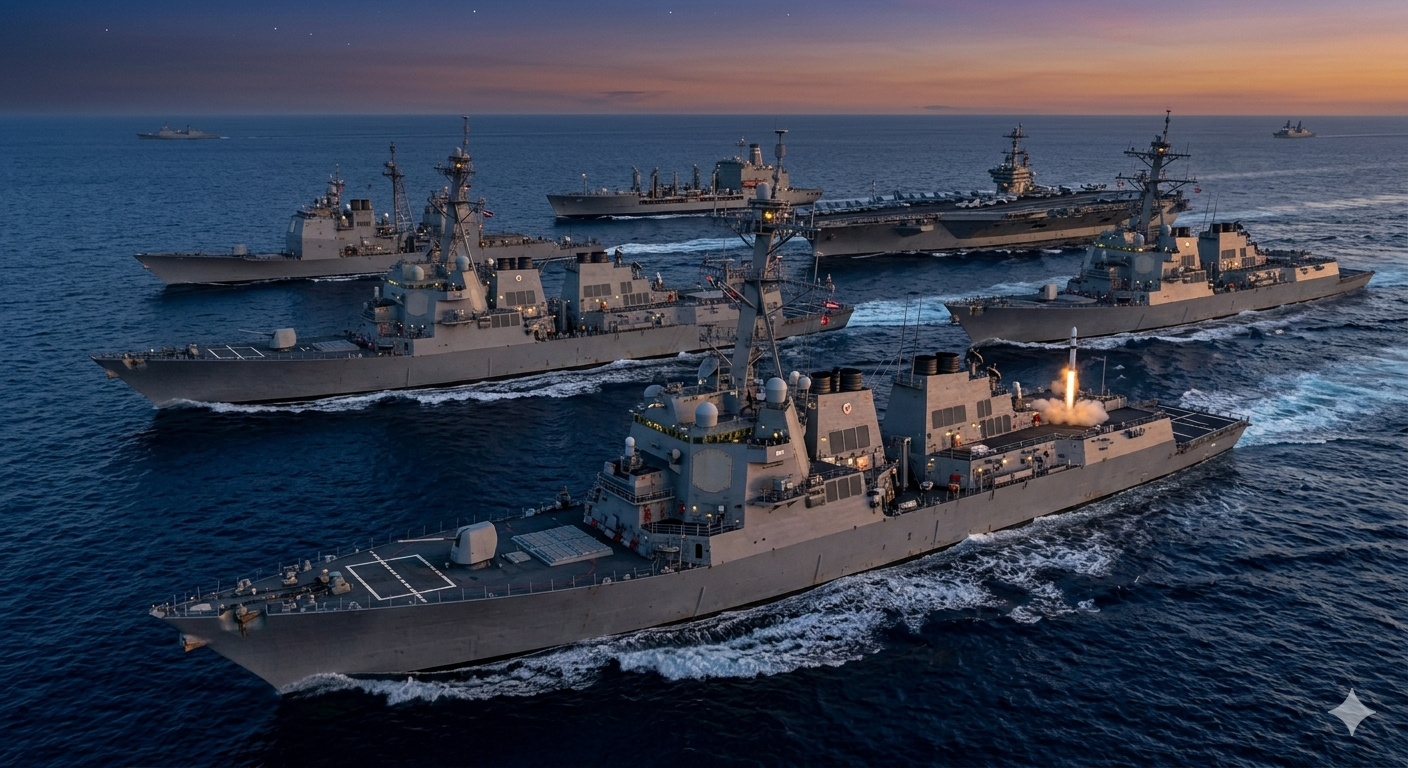
With over 15,000 tons, radars capable of tracking hundreds of targets simultaneously, and more than 120 missiles ready for launch in seconds, modern destroyers cease to be escorts and begin to dominate the naval battlefield.

What was once a distant dream is now a reality. With the Link BR2, aircraft like the F5BR FIGHTER, ground vehicles, ships, and command stations can exchange data in real time. This includes technical messages, operational commands, target data, and voice communication. In practice, this means that a pilot on a mission can receive or transmit accurate data to other military assets without relying on vulnerable or limited connections.
Total Integration: Link BR2, RDS System, and Multidata Link Processor
The tests involved not only the Link BR2 but also the RDS Defense system and the Multidata Link Processor. Together, these three components create a secure and efficient network for the BRAZILIAN DEFENSE, allowing for coordination never before seen in joint operations.
The use of these systems in the F5BR FIGHTER during training was crucial in assessing the stability and security of data transmission. In combat simulations, pilots were able to make decisions based on real-time updated data, which is fundamental for strategic superiority.
Secure communication is one of the pillars of modern warfare. It is useless to have cutting-edge weaponry if information does not flow accurately and quickly. And this is exactly what Brazil seeks to resolve with this new phase of modernization.


From Classic to Advanced: The New Phase of the F5BR FIGHTER
The F5BR FIGHTER is a modernized version of the legendary Northrop F-5, used by the Brazilian Air Force since the 1970s. Over time, it has been updated to meet the requirements of new warfare doctrines, receiving new avionics systems, smart weapons, and now, total integration with data networks.
Even with almost 50 years of history, the F5 remains a strategic asset in the BRAZILIAN DEFENSE. The introduction of technologies like the Link BR2 extends the lifespan of these fighters and ensures they remain relevant in the face of contemporary challenges.
Moreover, the ability to communicate with different combat platforms is a differentiator that enhances the FAB’s real-time response capabilities, optimizing resources and reducing operational risks.
Partnership with National Industry Strengthens Sovereignty
One of the most important aspects of this modernization is that it was developed in partnership with the national industry, specifically with AEL Sistemas. This cooperation with Brazilian companies represents an important step towards technological autonomy and the generation of strategic knowledge in the country.
The local production of communication and control systems means that Brazil does not have to rely on imported solutions, which are often restricted by international policies. This ensures that the BRAZILIAN DEFENSE is conducted with technology under our control, providing safety and autonomy.
A Step Forward for a More Connected Air Force
The implementation of the Link BR2 and other integrated systems shows that the FAB is committed to a more connected, digital, and secure strategy. The idea is to transform combat means not just into attack platforms but into nodes of a highly efficient military data network.
This strengthens the country’s ability to respond to threats swiftly, while also enabling real cooperation among the Army, Navy, and Air Force. The F5BR FIGHTER, in this context, is the spearhead of this transformation.
With the adoption of systems like the Link BR2, the F5BR FIGHTER ceases to be just a veteran aircraft and becomes the protagonist of a new era in Brazilian military strategy. The ability to exchange secure data in real time is a game changer in the way Brazil prepares for modern conflicts.
More than just technology, this is a statement of intent: BRAZILIAN DEFENSE wants to be autonomous, modern, and capable of effectively and intelligently protecting its territory. And with this, a new chapter opens in the history of national sovereignty.
Source: Giants of the Seas









Seja o primeiro a reagir!