





 English
  Francês
  Alemão
  Italiano
  Japonês
  Norueguês
  Portuguese
  Spanish
  3 min of reading


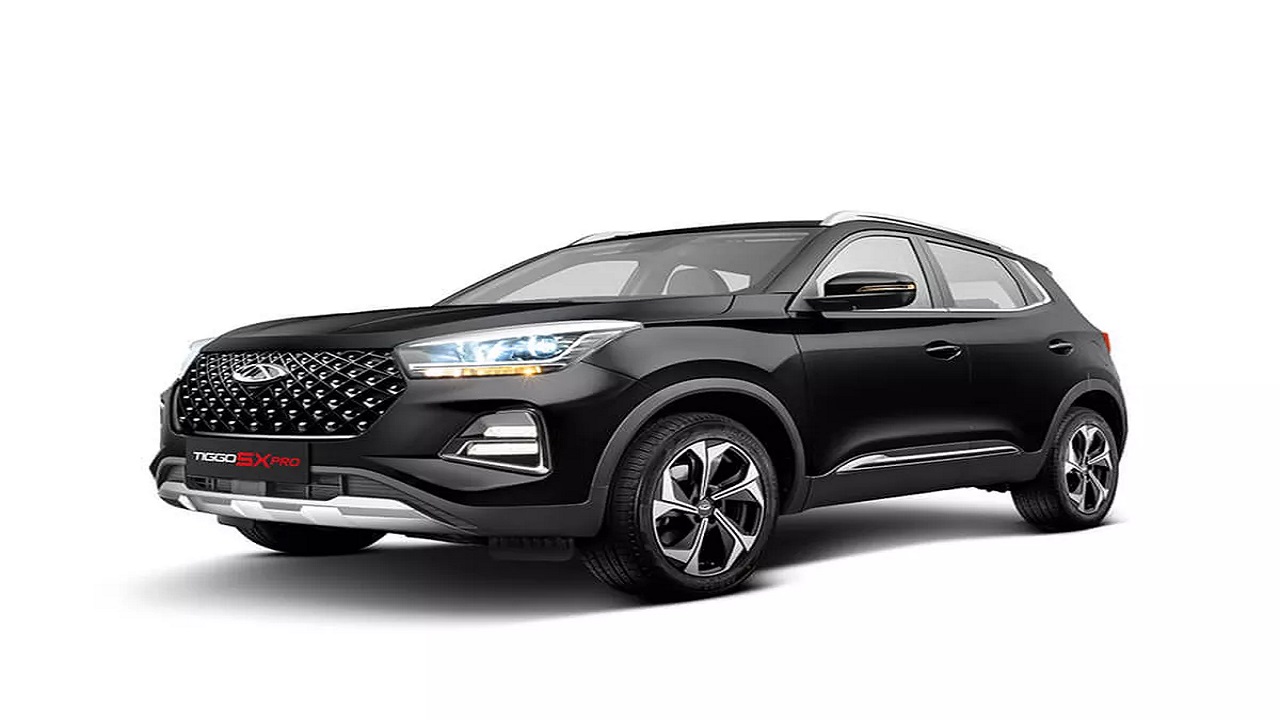
Caoa Chery Will Launch Several New Electric And Hybrid Cars, And The Most Anticipated In The Country Is The iCar, Which Promises To Take The Title Of The Cheapest Electric Car In The Country, Currently Held By The Renault Kwid E-tech.
Caoa Chery has announced its new strategic plan for Brazil, which includes the production of mild hybrid models at the Anápolis production facility and, most importantly, the launch of its urban electric car, named Caoa Chery iCar, which will arrive in Brazil this June for R$139,990. While launching one of the cheapest electric cars for sale in Brazil, Caoa Chery is developing the same Q Power strategy launched by Chery International recently in China.
Pillars Of Caoa Chery’s Strategy


The company’s strategy is based on three fundamental pillars: the Intelligence Quotient (IQ), which encompasses modern and innovative combustion engines; the Attitude Quotient (AQ), which focuses on fuel economy with hybrid technologies; and the Ecological Quotient (EQ), for electric vehicles or those powered by other types of fuels focused on sustainability.
According to the company’s official statement, Brazil is the first country outside of China to use these concepts and stands out for being a global reference in renewable and clean energy. In the statement, the company claims that, with hydropower, solar, wind, and biomass sources, Brazil has the essential scenario for developing new forms of mobility that are more economical and sustainable.
-
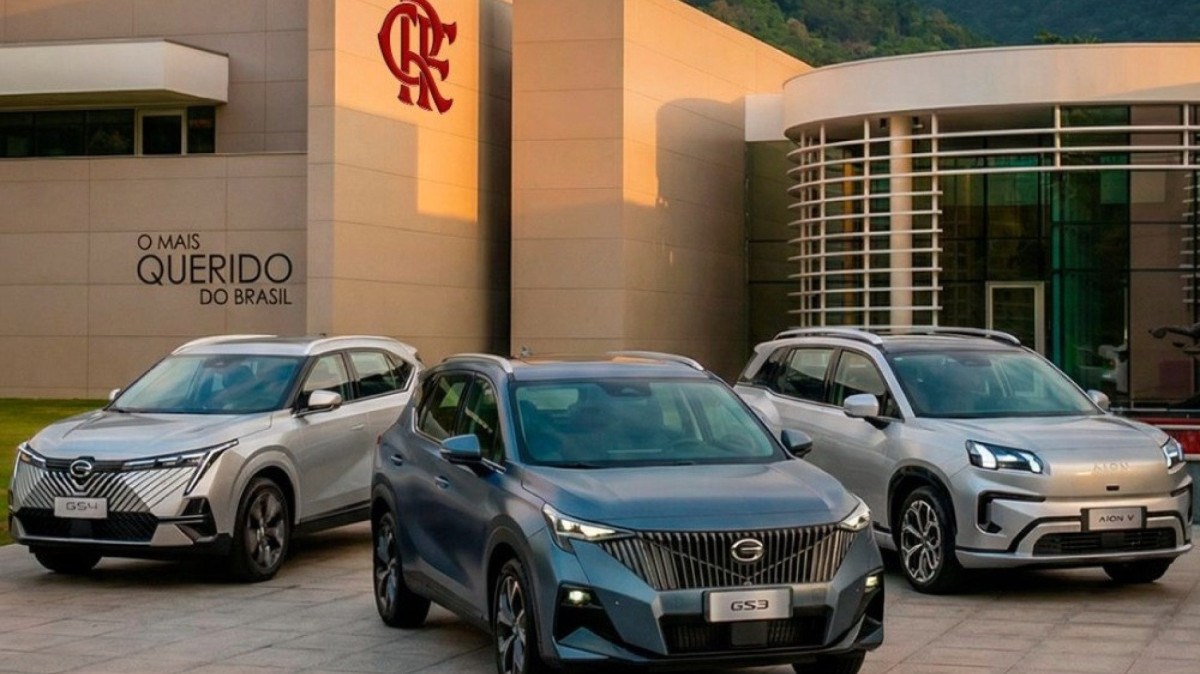
After launching the new GS3 with a 1.5 turbo engine producing 170 hp, GAC partners with Flamengo, enters the field with the largest fan base in Brazil, and accelerates an ambitious offensive to gain scale and confidence in the national market.
-
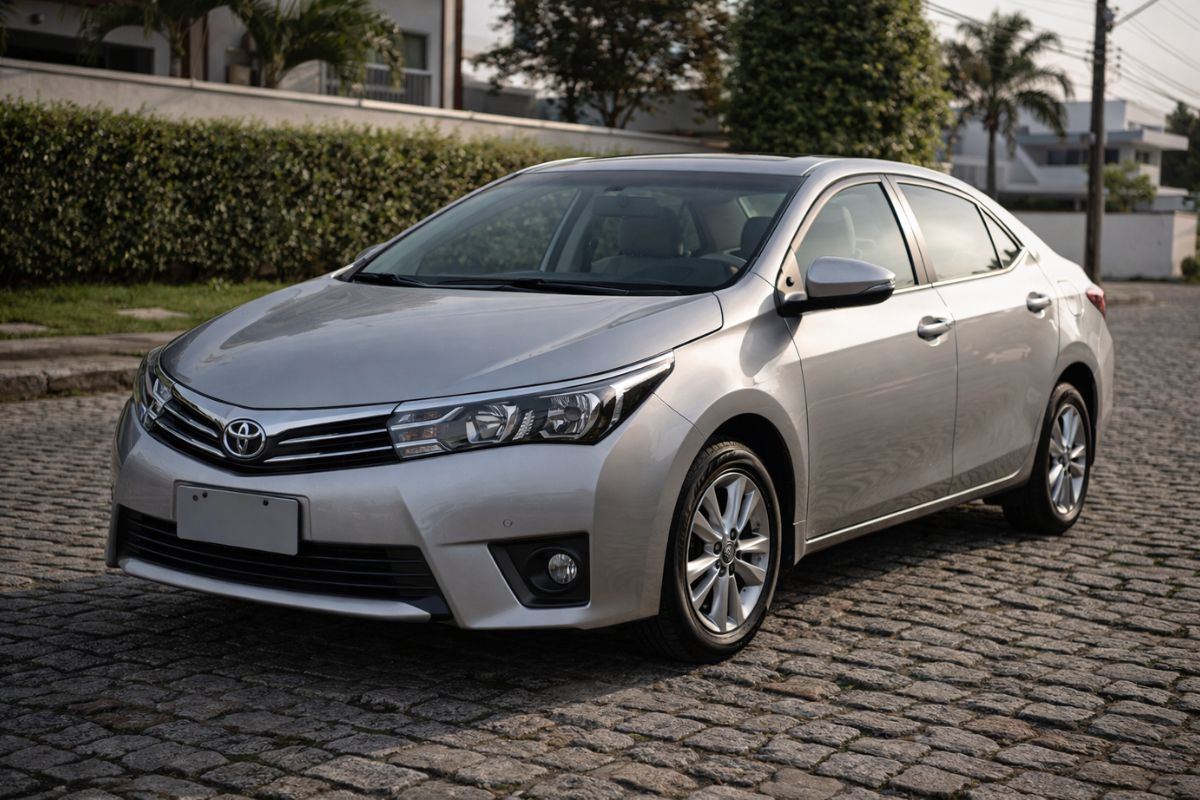
The Corolla from 2015 to 2019 depreciates so little that a 10-year-old model is still worth over 76 thousand reais, and owners treat this sedan as a safe investment thanks to its reputation for durability that no competitor has been able to match.
-
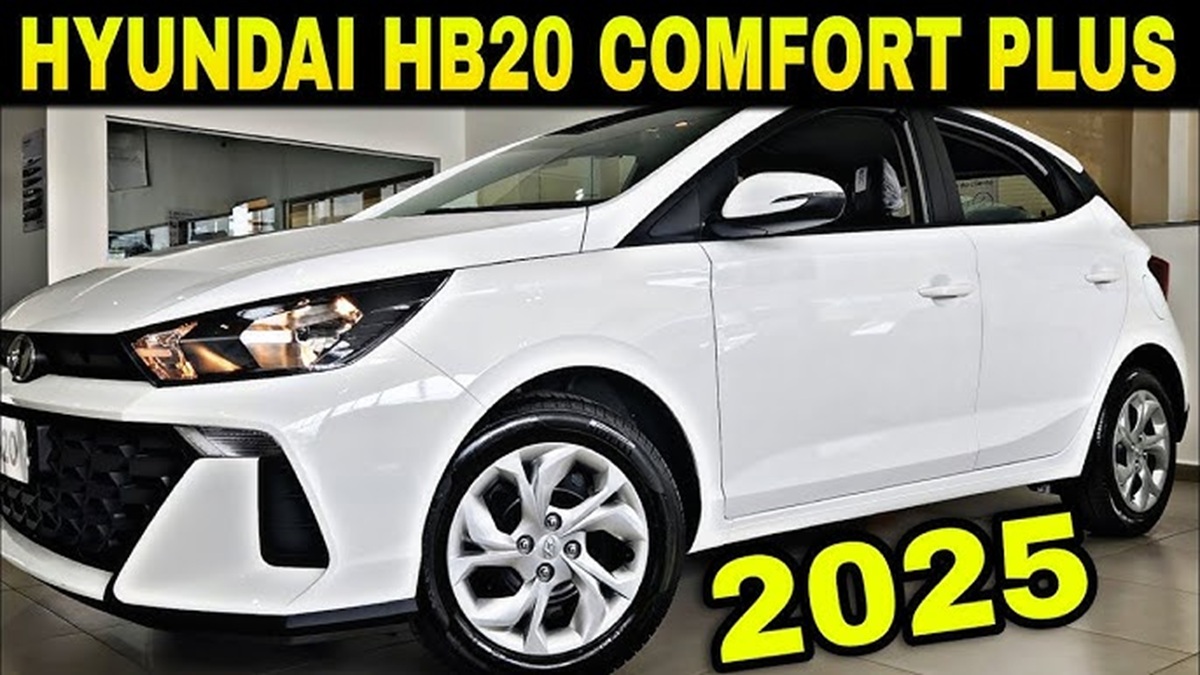
Is it worth considering a financed 2025 HB20 Comfort? A simulation with R$ 50,000 in the bank shows installments ranging from R$ 5,687 to R$ 2,365.
-
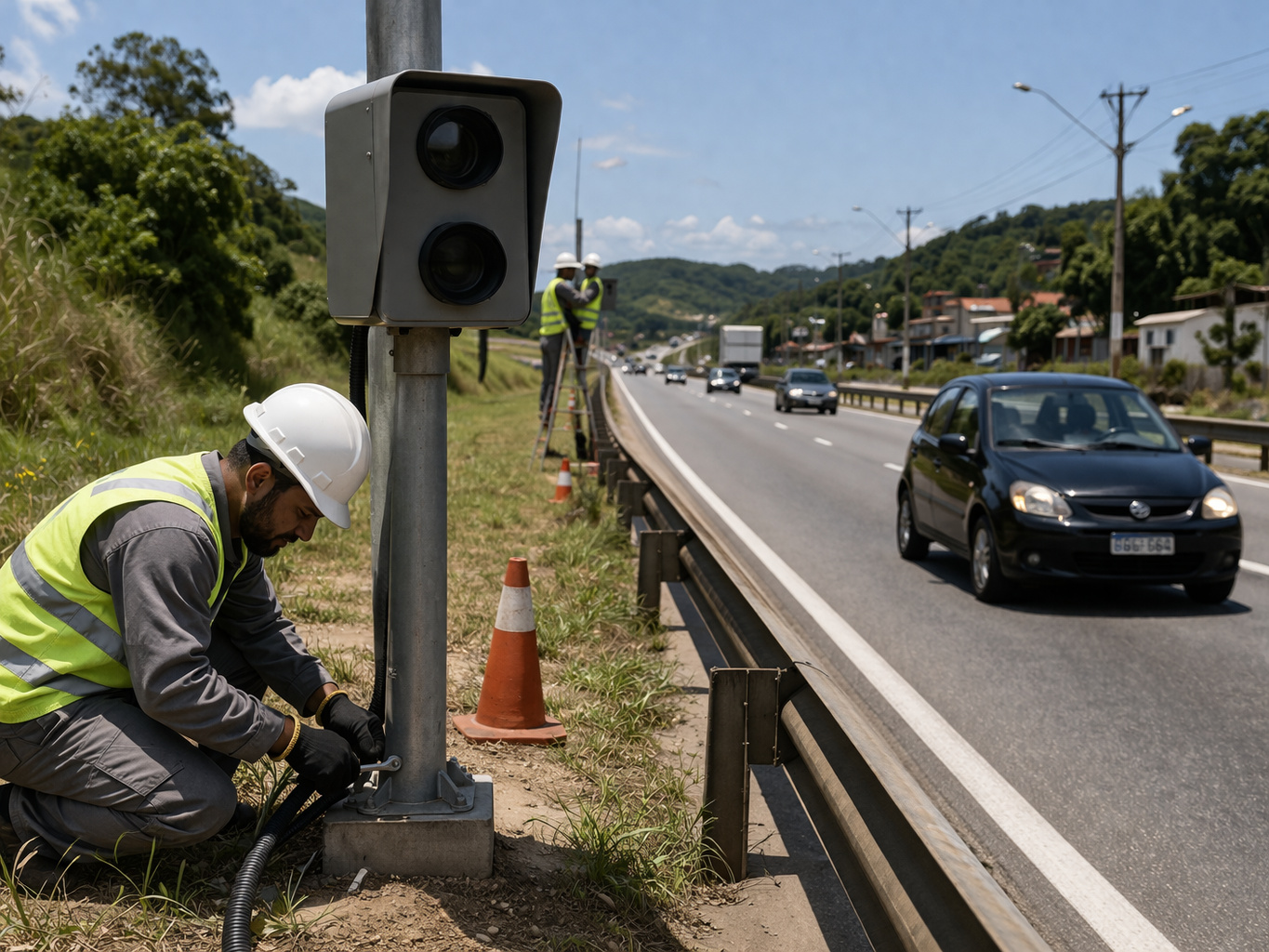
Road surveillance in Rio de Janeiro enters a new phase with the installation of more than 140 speed cameras on highways RJ-106 and RJ-104, and DER-RJ expands speed control in high-traffic areas.

With the transition, Caoa Chery’s factory in Anápolis, which received new investments and generated 800 new jobs, will begin producing, still this month, the first national models with 48V hybrid technology.
The models are the Tiggo 5x Pro Hybrid and the Tiggo 7 PRO Hybrid, which have the same propulsion as the Arrizo 6 PRO Hybrid, which starting in August will have its imported version from China.
The New Electric Car From The Automaker Is Slightly Smaller Than Its Competitor
The debut of the Tiggo 8 Plug-in Hybrid will also arrive in August; this SUV is capable of transporting up to 7 people and will be the only model of this type sold in the country that has a dedicated hybrid transmission with two electric motors.
The iCar, which will also be imported from China, is a fully electric subcompact car currently sold as the Chery eQ1 in its home country. The model weighs about 1,005 kg and measures 3,200 mm in length, which is 48 cm less than a Kwid, 1,670 mm in width, 2,150 mm in wheelbase, and 1,590 mm in height.
This is an electric car designed for urban environments that can carry four occupants, featuring a very versatile interior. The back seat of the vehicle can be split, and the model has a small trunk with a capacity of 100 liters. However, this can be expanded to 380 liters with the rear seat folded down.
The Model Offers A Range Of 282 km
For Brazil, the small electric car will be equipped with a 45 kW motor, equivalent to 61 horsepower and 15.3 kgfm of maximum torque, with a 30 kWh battery, sufficient for the vehicle to go from 0 to 50 km/h in just 6 seconds.
The electric car has a top speed of 100 km/h and a range of 282 km on a single charge. The charging power is 7 kW in alternating current and up to 60 kW in direct current. Thus, a full charge takes 11 hours with a portable 3 kW charger.









Seja o primeiro a reagir!