





 Portuguese
  English
  Spanish
  5 min of reading
  0 comments


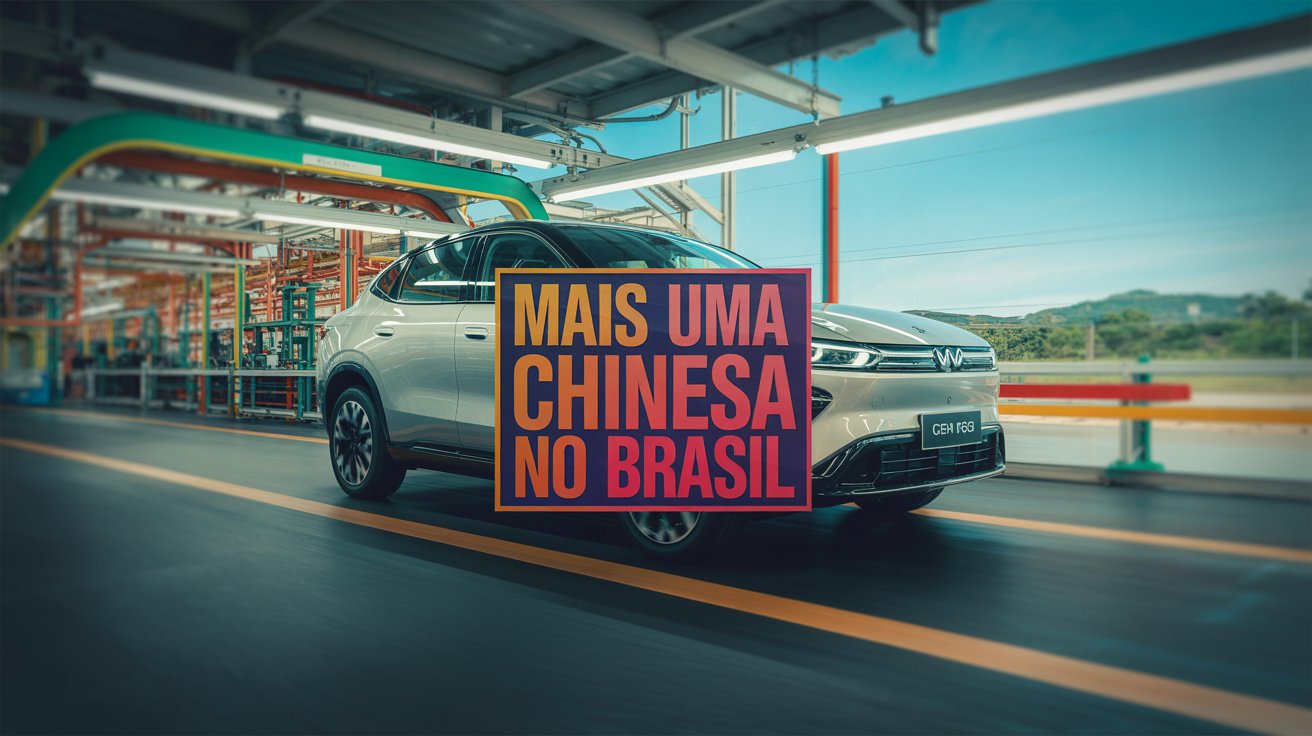
New Great Wall Motors Unit in Iracemápolis Begins Production Focusing on Hybrids and Plug-In, Projecting Expansion, Localization of Parts, and Thousands of Jobs, as well as Technological Partnership to Develop Flex Hybrid Engine with Bosch.
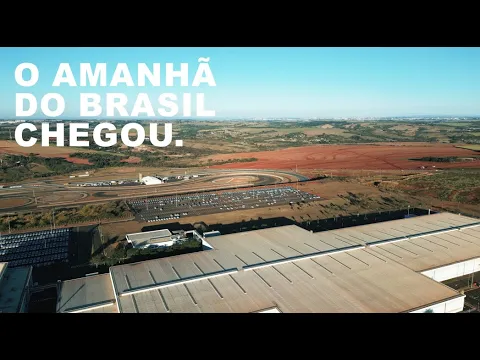
Brazil gained a new factory for vehicles this Friday (15). The Chinese Great Wall Motors (GWM) inaugurated its unit in Iracemápolis (SP), in a ceremony with the presence of President Luiz Inácio Lula da Silva and Vice Geraldo Alckmin.
The industrial plan foresees investments of R$ 10 billion by 2032, focusing on hybrids and plug-in hybrids and the ambition to reach, in stages, 100,000 vehicles per year.
The plant was acquired from Mercedes-Benz in 2021 and will operate with initial production between 20,000 and 30,000 cars/year, ready for 50,000 units in three years.
-
Unemployment rises again to 5.8% at the beginning of 2026, raising alarms about the end of temporary positions and its impact on the Brazilian job market.

-
Document organization can cut invisible costs in small businesses, a simple step that prevents waste, rework, and losses in daily operations.

-
Chinese giant worth nearly R$ 4 billion that manufactures cables for electric cars, solar energy, and robotics wants to open a factory in SC.
-
Many employers do not know, but the law guarantees domestic workers a 25% increase in salary during trips, 50% for overtime, 20% for night shifts, and 17 additional benefits that can lead to labor lawsuits if not paid.

The expansion to 100,000 vehicles will depend on the advancement of localization and demand.
The automaker claims that the project should generate between 800 and 1,000 jobs by the end of 2025; today, there are about 400 hired.
Production Begins with the Haval H6
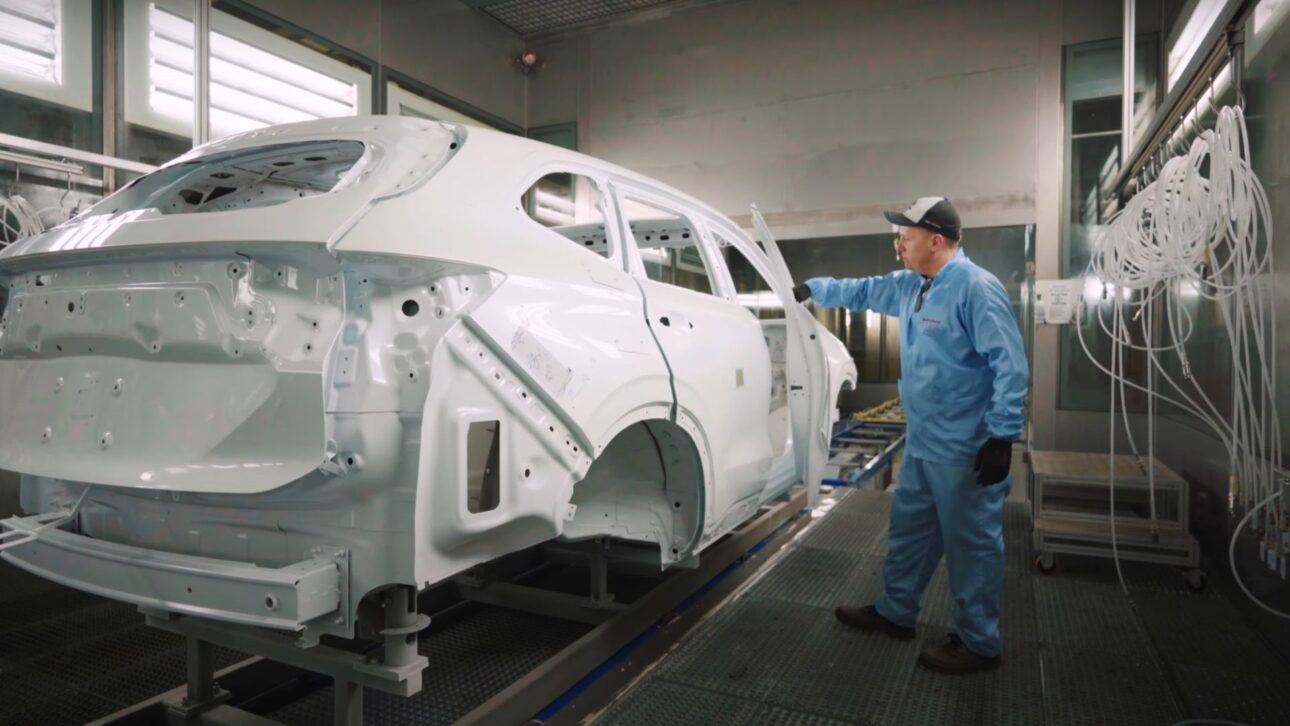
The first phase targets the SUV Haval H6, with hybrid and plug-in hybrid versions.
The assembly will start from imported components, but with local content from the outset, including tires, glass, wheels, seats, and electrical harnesses.
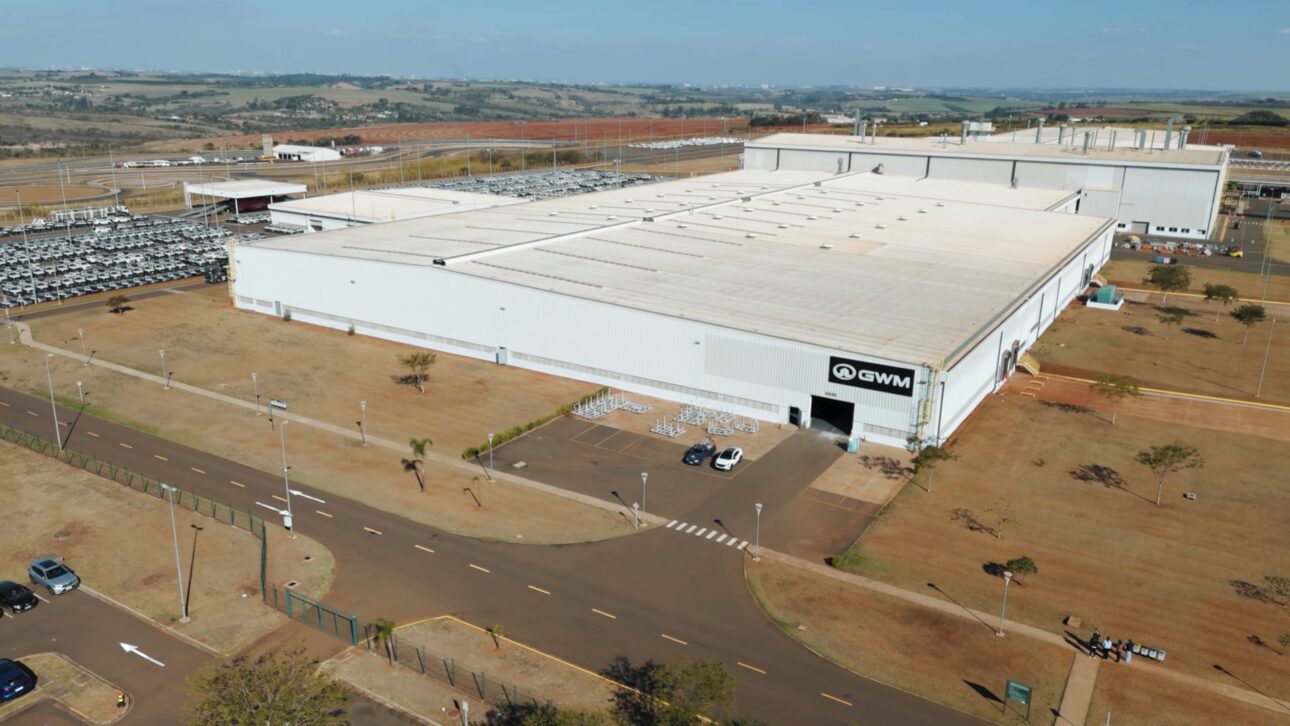
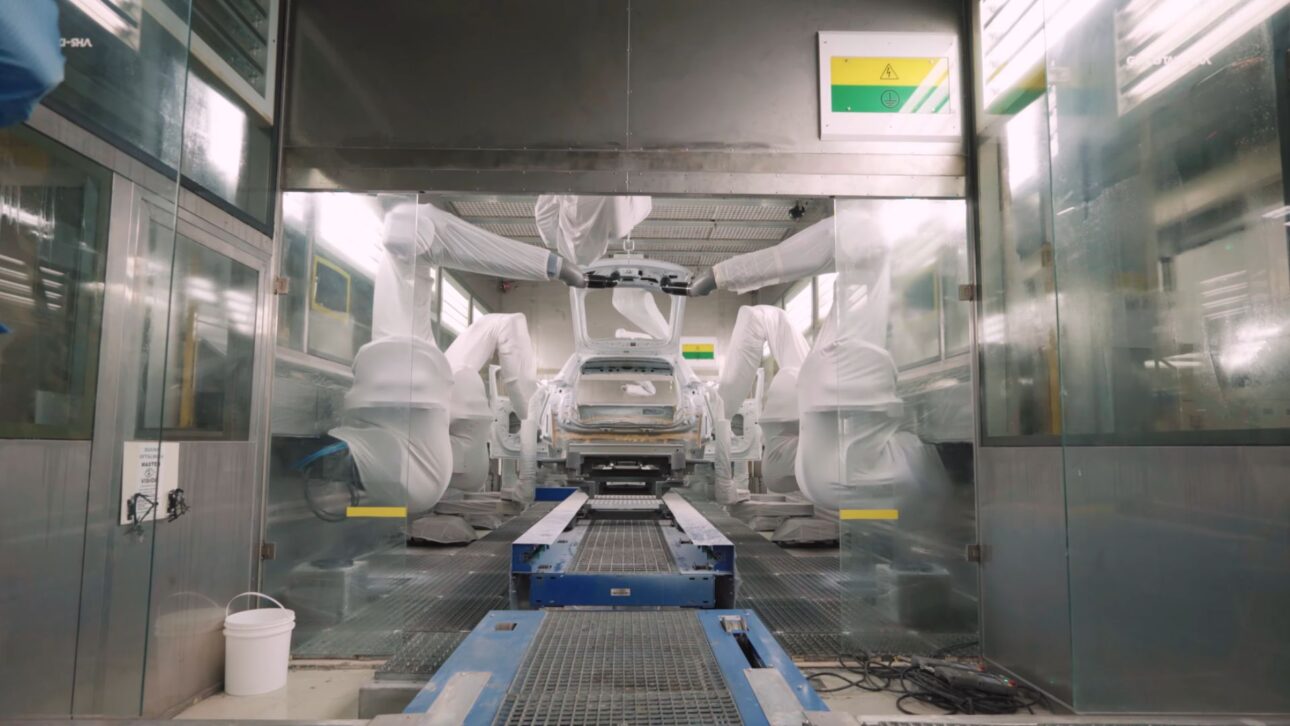
The painting will be done in the São Paulo complex itself.
GWM is working to achieve 60% localization in three years, which would allow an expanded supply to the region.
At the event, the company reiterated that 100% electric models will have a later schedule.
Before that, the Poer pickup and the SUV Haval H9 will arrive in the lineup, initially with diesel engines while the unit advances in its productive learning curve.
Local Industry and Suppliers
The plan includes the appointment of a dozen national suppliers right from the start, after rounds with over 100 auto parts manufacturers in recent months.
The company says the localization program will follow in stages, with confidentiality agreements, capacity analyses, and commercial closures.
“Brazil is the GWM headquarters in Latin America and plays a role in intensifying our presence in the region,” stated Ricardo Bastos, Director of Institutional Affairs.
The local content strategy meets the Green Mobility and Innovation Program (MoVer), a federal policy that ties tax benefits to efficiency, innovation, and sustainability goals.
GWM claims that its local engineering will work alongside global teams to meet the technical and emission requirements outlined in the program.
Flex Hybrid Under Development with Bosch
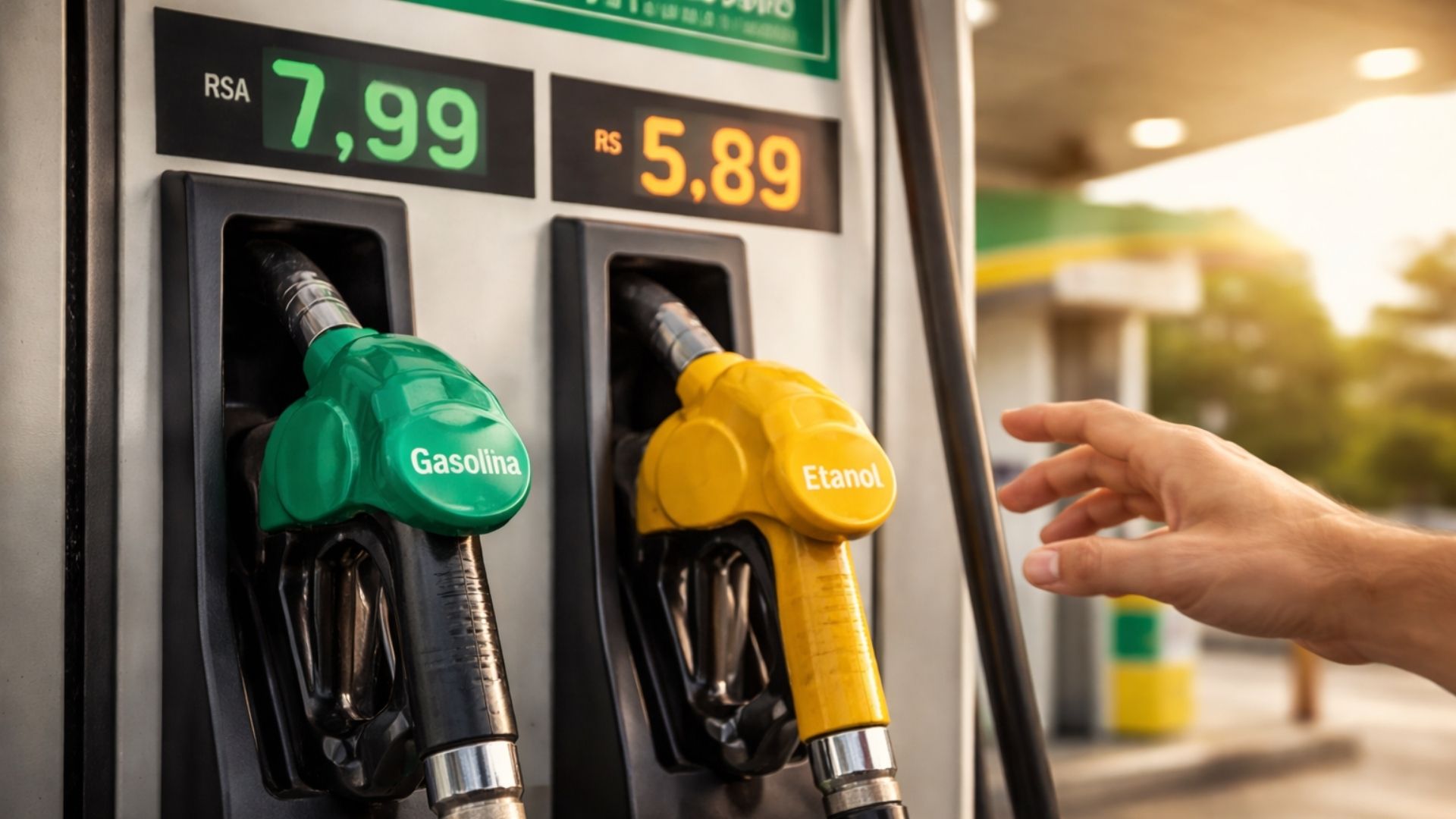
To adapt the offer to the Brazilian market, the automaker plans flex hybrid versions — capable of running on ethanol or gasoline — starting in 2026.
“Bosch Brazil is already developing the flex hybrid engine for our vehicles,” said Bastos.
According to the executive, Chinese engineers are involved in the project to absorb knowledge about biofuels.
“Our engineering does not yet dominate flex, and it is very positive that, from Brazil, we aggregate technology and knowledge back to China,” he added.
Jobs and Ramp-Up Rhythm
Production begins in one shift and, according to the company, can reach 50,000 vehicles/year “quickly” with economies of scale.
The opening of a second shift is on the horizon for 2026, depending on the progress of hiring and the supplier base.
In addition to direct jobs, GWM projects a multiplier effect in the auto parts, logistics, and services chain.
The installed capacity at the start will be close to the current sales of the brand in Brazil, supported by the imported Haval H6 itself.
The transition will be gradual: local production will supply dealerships as imported stocks are depleted.
Exports and Origin Rules
In addition to the domestic market, GWM aims for exports to countries with trade agreements with Brazil, such as Argentina and Mexico, as soon as it meets the applicable origin requirements for automotive products.
The goal of 60% local content in three years is cited by the company as a necessary step to enable this move, in line with regional requirements and current treaties.
Regulatory Environment: MoVer and Assembly Kits
The inauguration takes place amid changes in the regulatory environment.
The MoVer has raised efficiency and innovation targets and adjusted tax criteria based on the environmental performance of vehicles.
At the same time, the government has authorized, for a limited time, the import of CKD and SKD kits for electrified vehicles with zero import duty, within defined financial quotas.
The measure seeks to unlock the start of operations and accelerate subsequent localization.
GWM is assessing these logistical alternatives while structuring its supplier network in the country.
Competitive Context: Expanding Chinese Presence
The advancement of GWM is part of a new wave of investments by Chinese automakers in Brazil.
BYD, for example, is advancing in Camaçari (BA) with assembly tests of the Dolphin Mini and Song Pro, while completing licenses for full inauguration.
The strengthening of Asian players intensifies competition in SUVs, pickups, and electrified vehicles, with a growing focus on technology, energy efficiency, and costs.
Authorities and Backstage
Besides Lula and Alckmin, federal and state authorities linked to industry and labor attended.
The Governor Tarcísio de Freitas was invited but did not attend.
The ceremony also served to present to the government the agenda of R&D, technical qualification, and low-emission mobility projects connected to the São Paulo ecosystem.

Next Steps
By the end of the year, GWM intends to broaden the national mix with new models, maintain the ramp-up of localization, and detail partnerships with manufacturers of batteries and strategic components.
The Haval H6 will continue as the flagship in the transition from the imported portfolio to the produced in Iracemápolis, while the projects for flex hybrid and capacity expansion mature.
In the medium term, the industrial plan aims to consolidate radiation into Latin America, as long as technical and local content goals are met.
By opening another car factory in the country and betting on plug-in hybrids with a perspective of flex engine developed in partnership with Bosch, GWM commits to a long investment cycle, with explicit job and localization targets.
Given this scenario, what will be the real pace of the Brazilian industry to transform this momentum into competitive scale and sustainable exports?








-

-

-

-

-

21 pessoas reagiram a isso.