





 English
  Francês
  Alemão
  Italiano
  Japonês
  Norueguês
  Portuguese
  Spanish
  3 min of reading
  0 comments


Structuring Program Accelerates Infrastructure, Strengthens Health with R$ 380 Million and Allocates R$ 180 Million to Urban Mobility
Montes Claros, in Northern Minas Gerais, begins a new phase of urban development. This time, the city hall announced a package of R$ 1 billion in investments. This is the largest funding in the municipality’s history. In addition, the resources cover infrastructure, health, mobility, and education.
This information was disclosed by the Diário do Comércio, which interviewed Mayor Guilherme Guimarães (União Brasil). According to him, the program “Montesclarear”, created in 2025, marks a more ambitious stage. Prior to this, the municipality had completed the Citizen Investment Program (PIC).
Since then, the administration organized resources and structured executive projects. As a result, the city hall plans to deliver the main works within three years. At the same time, the package is expected to generate around 1,400 direct jobs, primarily in construction and assembly.
-
What Changed at Florianópolis Beaches? New Rule Surprises Pet Owners and Restricts Dogs on the Sand at Specific Times

-
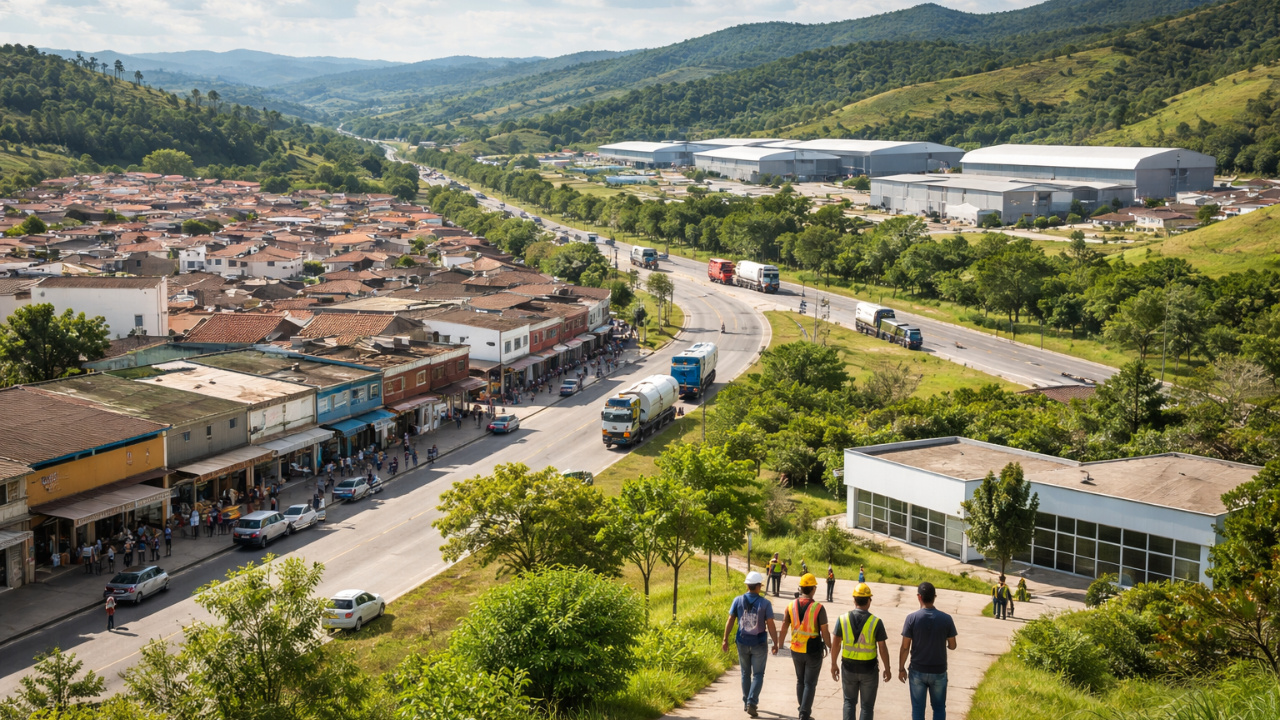
Economic Diversification Accelerates in Itatiaiuçu to Reduce Mining Dependence
-
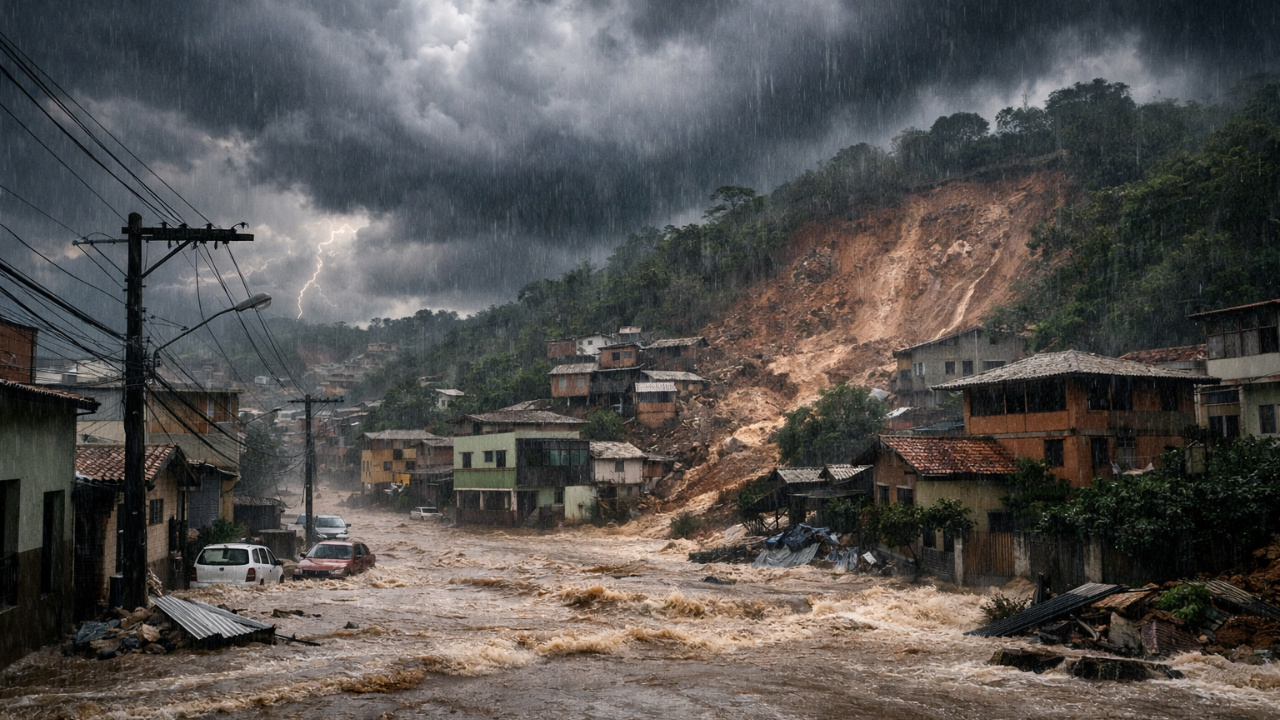
Extreme Rains: Cold Front, Supercell, and Atmospheric Trough Cause Tragedy in MG
-
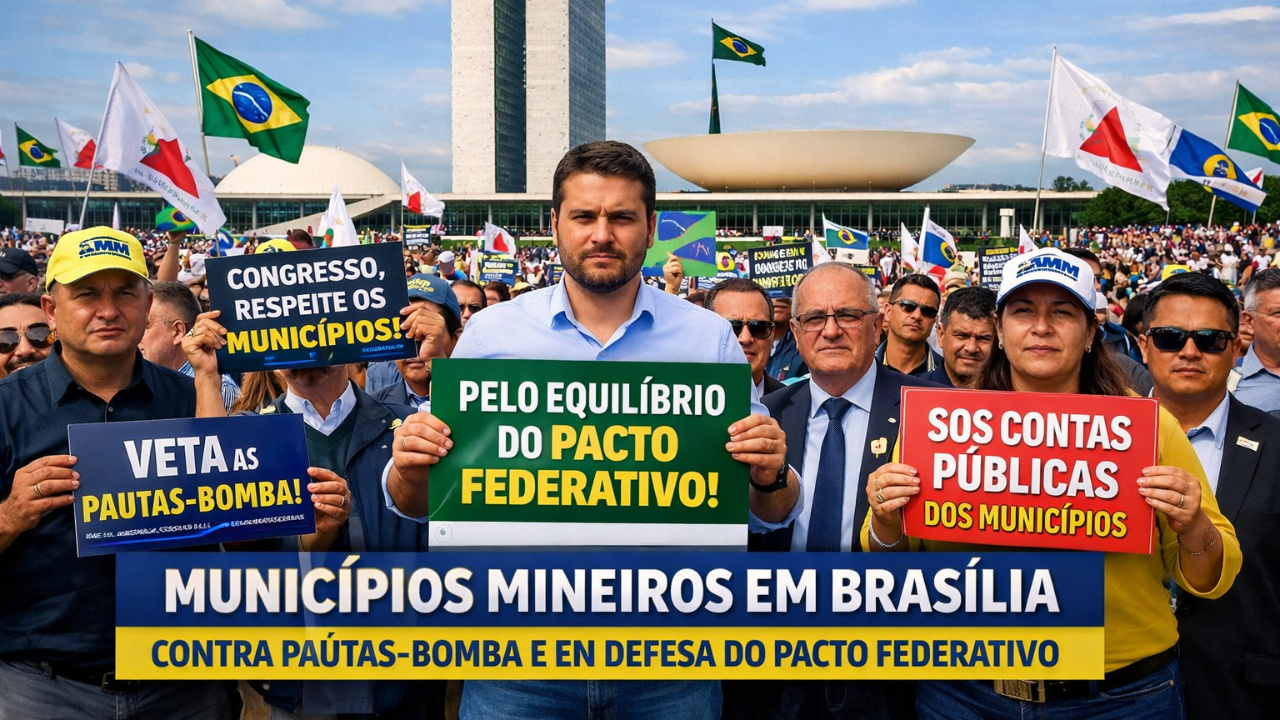
Minas Gerais Municipalities Press Congress Against Bombshell Bills and Warn of Risks to Public Finances

Consequently, local suppliers should also expand their operations. Thus, the municipal economy tends to strengthen throughout the execution of the works.
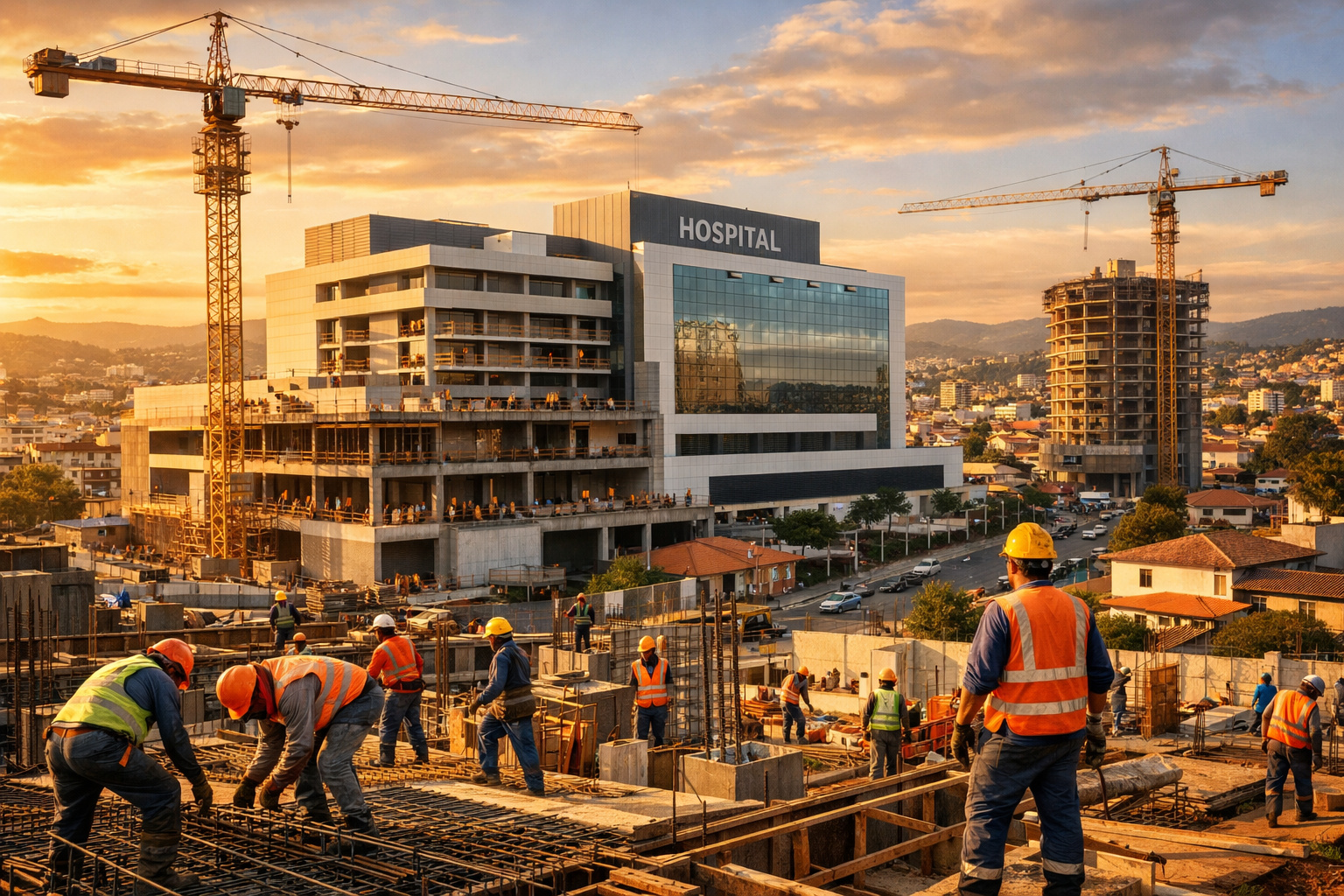
Health Receives R$ 380 Million and Hospital Will Have 220 Beds by 2029
Among all areas, health receives the largest volume of resources. In total, the city hall will allocate R$ 380 million for clinics, basic units, and a municipal general hospital.
The new hospital will feature 220 beds. Thus, the city will expand its services, especially in elective surgeries, which currently represent one of the main bottlenecks of the local public system.
After the bidding process, the construction is expected to last approximately 40 months. Therefore, the delivery forecast points to mid-2029. Meanwhile, the municipality will strengthen primary care.
In addition to the hospital, the city hall will implement more than 170 Family Health teams. This way, primary care will gain capillarity and reduce the pressure on higher complexity units.
According to the mayor, most health-related deliveries will occur by the end of 2027. In other words, the positive impacts will start before the complete conclusion of the package.
Mobility Receives R$ 180 Million and Fare of R$ 4.60 Could Drop by Up to 30%

At the same time, urban mobility enters as a strategic priority. The municipality will invest about R$ 180 million in the electrification of half of the public transport fleet. Additionally, it will install charging stations to support the operation.
Currently, the fare costs R$ 4.60. However, with the modernization of the fleet and municipal subsidies for equipment and energy, the city hall estimates a reduction of 20% to 30% of the gross value.
According to Guimarães, public transport is facing a national crisis. First, the fleet ages. Then, users decline. Subsequently, revenue falls. As a consequence, the system loses capacity to invest. Therefore, electrification emerges as a structuring solution.
Besides the fare impact, Montes Claros is already among the top 6 in Minas in the sale of electric and hybrid vehicles. Thus, the investment consolidates the city as a state reference in electromobility.
Stadium of R$ 70 Million and Favorable Environment for New Investments
Simultaneously, the city hall plans a sports and cultural complex. The investment is around R$ 70 million. In the first phase, the stadium will have a capacity for 12,000 to 15,000 people. Later, it may be expanded.
The project includes a multipurpose court, park, and other integrated structures. Thus, the municipality will create a new leisure and entertainment hub. The completion forecast also points to 2029.
Meanwhile, Montes Claros already accumulates over R$ 20 billion in investments in the chemical and pharmaceutical sector. Therefore, urban infrastructure becomes a key piece to attract new enterprises.
According to the mayor, entrepreneurs seek structured cities. Hence, the R$ 1 billion package is not limited to works. In practice, it consolidates a strategy for sustainable economic development.
In this way, Montes Claros strengthens public services, modernizes transport, and enhances its regional competitiveness. Consequently, the municipality positions itself as one of the main growth hubs in Northern Minas Gerais.
Do you believe that structural investments like this can truly transform a city’s economy in the long term?








Seja o primeiro a reagir!