





 Portuguese
  English
  Spanish
  2 min of reading
  0 comments


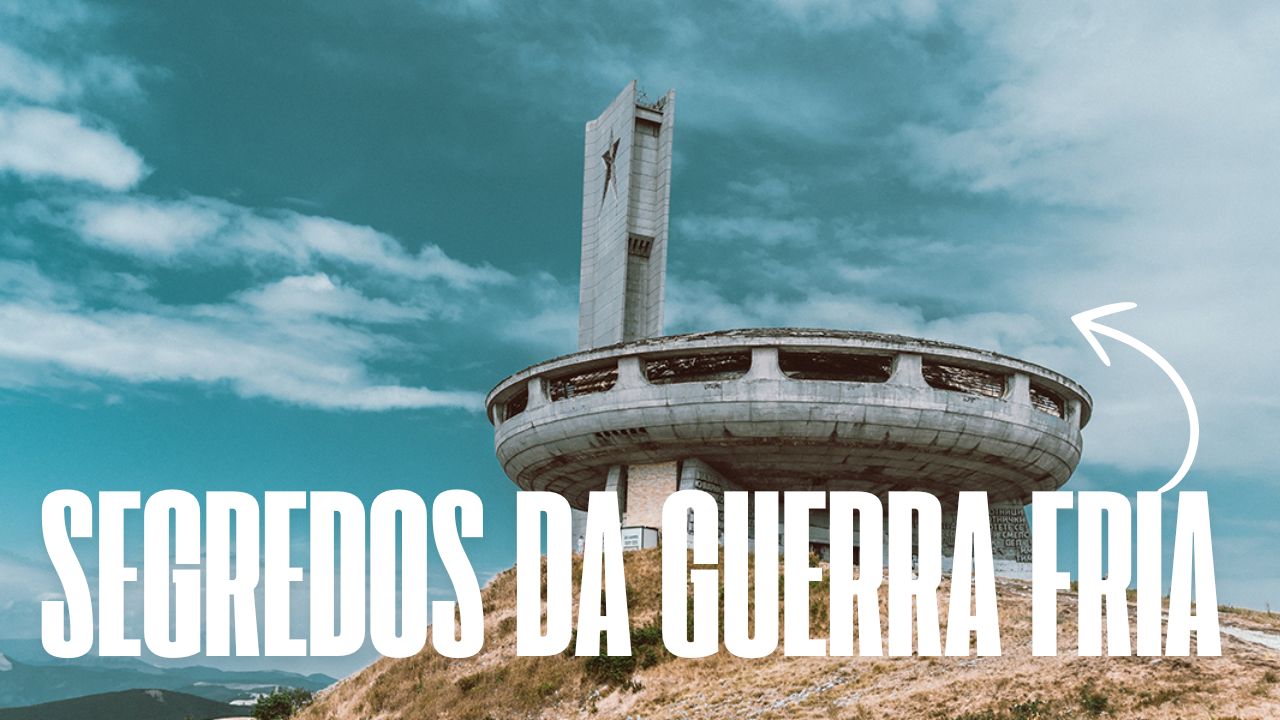
Bulgarian Communist-Era Monumental Construction, Now Abandoned, Still Intrigues Historians and Attracts Tourists Interested in Brutalist Architecture and Soviet Legacy
Located on the peak of Buzludzha in Bulgaria, the Buzludzha Monument is one of the most enigmatic and impressive structures in Eastern Europe. Designed to celebrate the Bulgarian Communist Party, the monumental building was inaugurated in 1981 and served as a symbolic space for political events. With its futuristic spaceship-like architecture, the structure became an icon of communist propaganda. However, with the fall of the regime in 1989, the site was abandoned and is now a symbol of the Soviet past, generating debates about its preservation or demolition.
The History of the Buzludzha Monument
The project for the monument began in 1974, led by architect Georgi Stoilov. The construction involved thousands of workers and artists, who created imposing murals and mosaics celebrating communist ideals. The structure, which cost the equivalent of 35 million dollars in current values, was erected to commemorate the 90th anniversary of the socialist movement in Bulgaria.
The chosen location, on the peak of Buzludzha, was the site of historical battles and became a symbol of communist power. With an internal amphitheater decorated by giant mosaics, the monument was used for party meetings and celebrations until the dissolution of the Soviet Union.
-
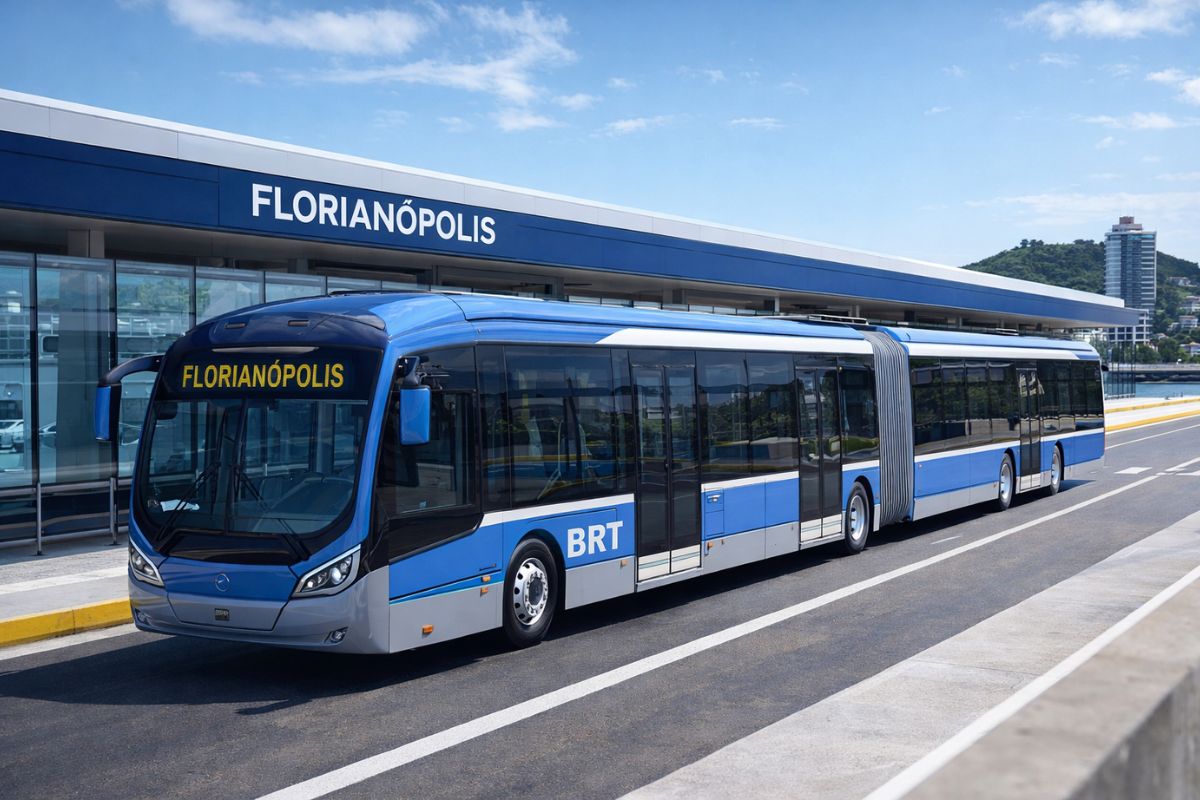
Florianópolis will receive a million-dollar BRT that will begin construction in 2026 with nearly 400 million in funding from the federal government and the Inter-American Development Bank, and the map already shows the routes for the exclusive bus corridors.
-
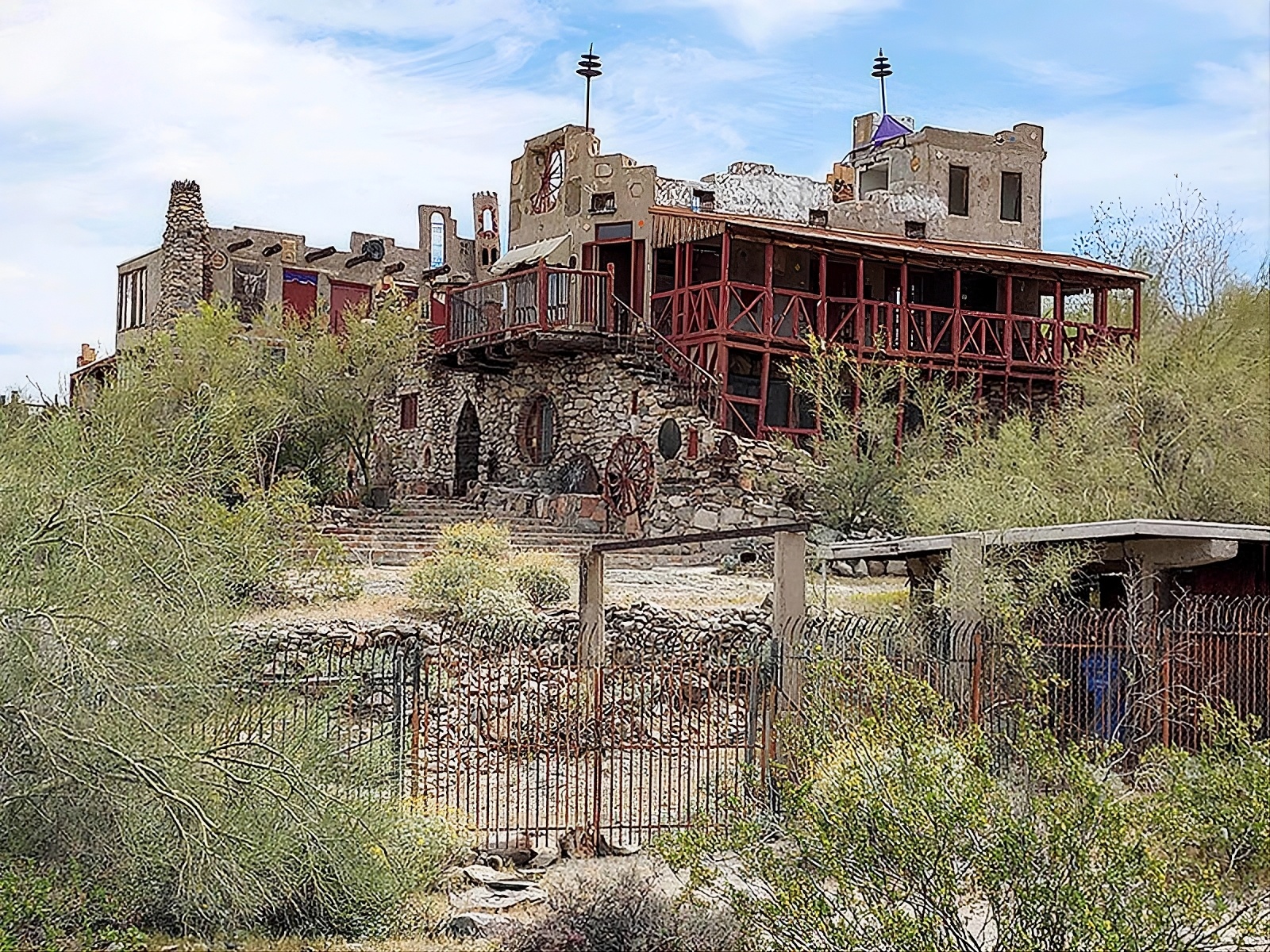
Without a blueprint, without an engineer, and using scrap from the dump, a father spends 15 years building an 18-room castle for his daughter, featuring tram tracks, 13 fireplaces, and over 700 m², which may now be demolished.
-
A megaproject worth R$ 89 billion is advancing in Iraq and promises to change the game in global trade by creating a new corridor between Asia and Europe, reducing traditional routes and repositioning the country as a logistics powerhouse.

-
Goodbye bedside table: floating shelves become a trend in 2026 by freeing up space in the bedroom, improving circulation, bringing visual lightness, and integrating technology without taking up floor space.


Abandonment and Degradation
With the fall of the communist regime in 1989, the Buzludzha Monument was decommissioned. The Bulgarian government, lacking interest in maintaining it, allowed the site to deteriorate rapidly. Without surveillance or maintenance, the building became a target for looting, vandalism, and weathering.
The stunning mosaics inside were partially destroyed, and the metal roof began to collapse due to the ravages of time. Despite the risk of collapse, the monument continues to attract adventurers and enthusiasts of brutalist architecture, becoming an underground destination in Bulgaria.
The Future of Buzludzha: Preserve or Demolish?
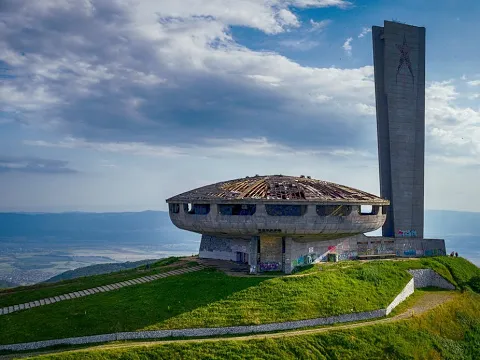

In recent years, debates about the restoration of the monument have grown. In 2018, the organization Europa Nostra included Buzludzha in the list of the seven most endangered heritage sites in Europe. In 2019, the Getty Foundation funded a project to preserve the remaining mosaics and assess possible ways of restoration.
Experts argue that the building should be maintained as a museum of the communist era, while opposing groups advocate for its demolition, considering it a symbol of repression. To date, the Bulgarian government has not made a definitive decision about the future of the structure.










Seja o primeiro a reagir!