





 Portuguese
  English
  Spanish
  5 min of reading
  4 comments


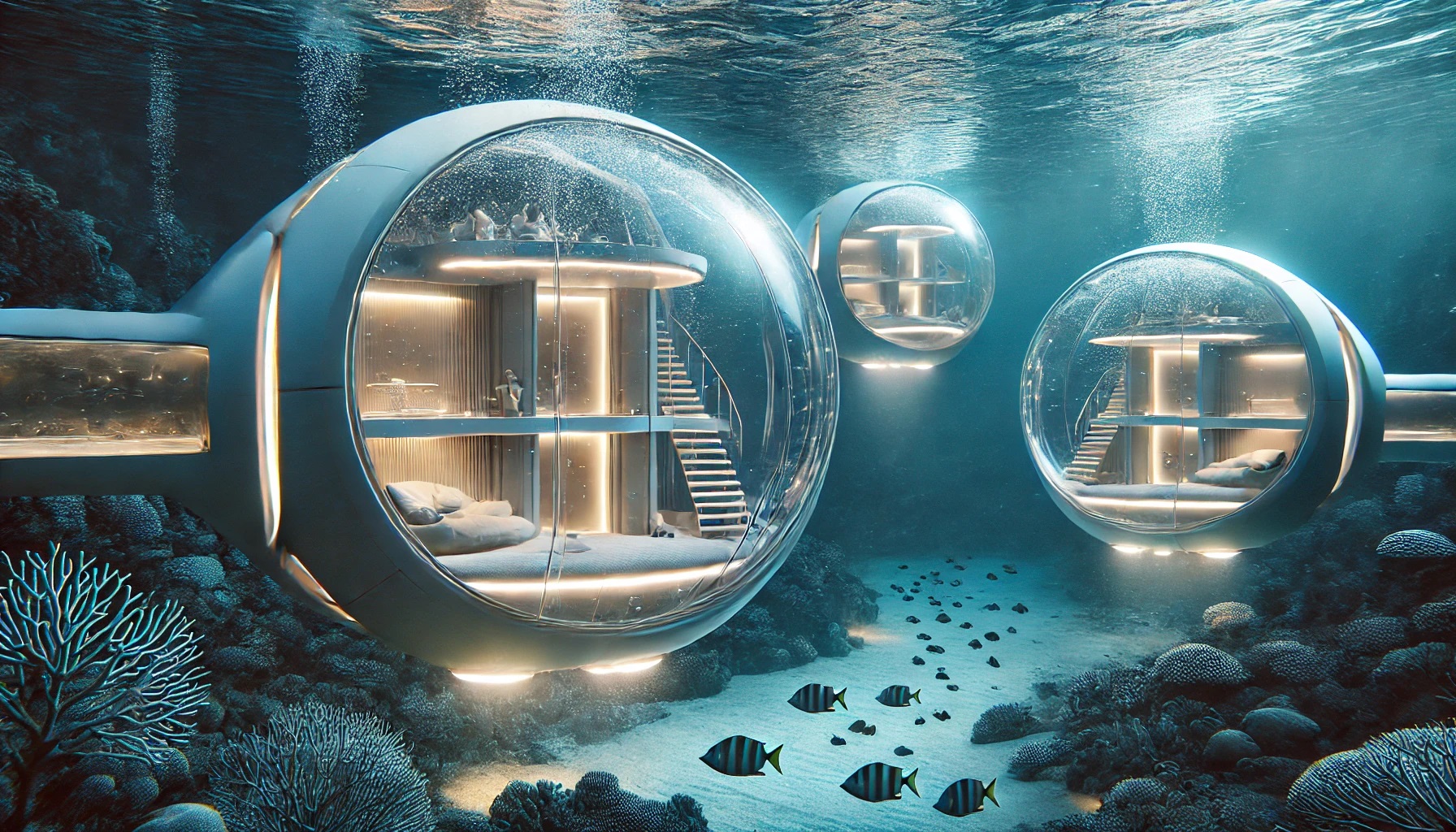


Discover The Submersible Habitat That Promises To Revolutionize Life And Research In The Ocean By Bringing Comfort And Innovation To Those Who Wish To Live At The Bottom Of The Sea.
Have you ever imagined what it would be like to live at the bottom of the sea? Well, this reality is getting closer to happening! An ambitious project called Sentinel, by the ocean technology and exploration company DEEP, aims to turn this idea into reality by 2027. The goal is to build permanent underwater residences where people can live, work, and explore the ocean floor. These submerged homes, or rather, submersible habitats, promise a complete experience, with bedrooms, bathrooms, work areas, and social spaces – everything you need to live in the ocean with comfort.
Discover The First Underwater Residence In The World
The Sentinel is the name of the submersible habitat created by DEEP. This structure is like a mini underwater city, designed to be anchored to the ocean floor and house people for extended periods. Each unit of the Sentinel will have comfortable bedrooms, flexible workspaces, social areas, and even research rooms. In short, it will be a complete submerged home, allowing scientists, researchers, and even civilians to explore and live in the ocean.
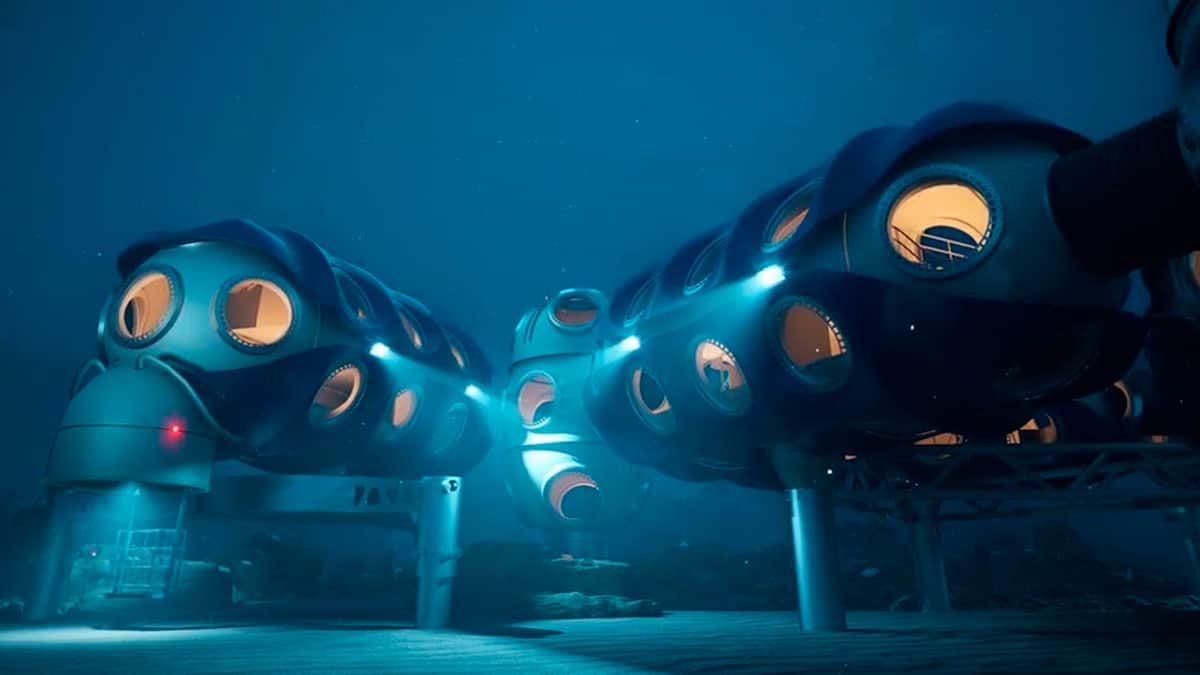
The president of DEEP, Sean Wolpert, shared a bit about the project’s purpose: “We want to bring humanity back to the ocean and raise awareness of its importance to the planet.” For him, the ocean is the “heart and lungs” of the planet, responsible for a large part of the oxygen we breathe. Therefore, the Sentinel project represents more than an adventure – it’s an opportunity to study and protect the ocean up close.
-
Millions of people have been eating yam for centuries without knowing that this humble tuber contains a compound called diosgenin, which scientists have now discovered can improve memory and help control blood sugar levels.

-
Scientists from an international project drill 1,800 meters of ice in Antarctica using hot water and discover details about one of the most intriguing places on planet Earth.
-
Seen from space, a colossal volcano nearly 5,000 meters high in Russia has released 1,600 km of smoke over the Pacific, forming “devil’s horns” of lava and revealing the brutal force of the Ring of Fire.

-
Expedition 501: Scientists drill into the ocean floor and discover a giant reserve of fresh water hidden beneath the sea, extracting nearly 50,000 liters and revealing an invisible system that could reshape the map of water scarcity.

What Will It Be Like To Live In Submerged Houses?
Imagine living at the bottom of the sea and having a bedroom with large windows facing the ocean, where you can see fish and marine life passing by while you relax. The bedrooms of the Sentinel’s underwater residences are designed to be comfortable and spacious, allowing a person up to 1.80m tall to sleep peacefully. Each team member will have their own private space, with closets and a cozy bed.
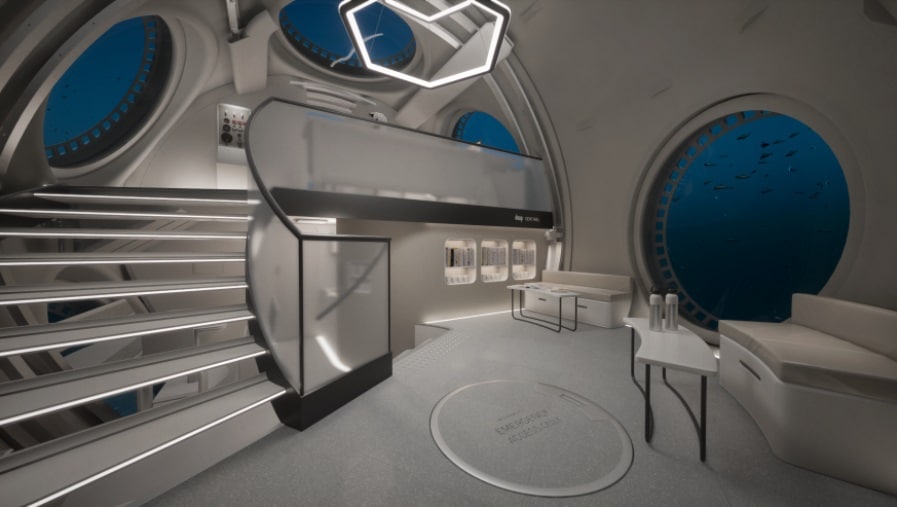
The submerged houses will also feature private and full bathrooms equipped with a shower, toilet, and storage area. Everything has been planned to provide comfort and privacy to the residents, which is essential for those who will spend days or weeks living at the bottom of the sea.
Another highlight is the kitchen. This space will offer everything you need to prepare meals, including a countertop, sink, refrigerator, and even a sous-vide machine. This shows that the Sentinel project not only wants to create a place to live in the ocean but also ensure a comfortable life for underwater residents.
What Else Does The Sentinel Offer? Work And Research At Sea
In addition to serving as an underwater residence, the Sentinel will also include flexible workspaces, ideal for researchers and scientists. These areas can be adapted for different types of missions, functioning as research laboratories or traditional workstations for educators and explorers.
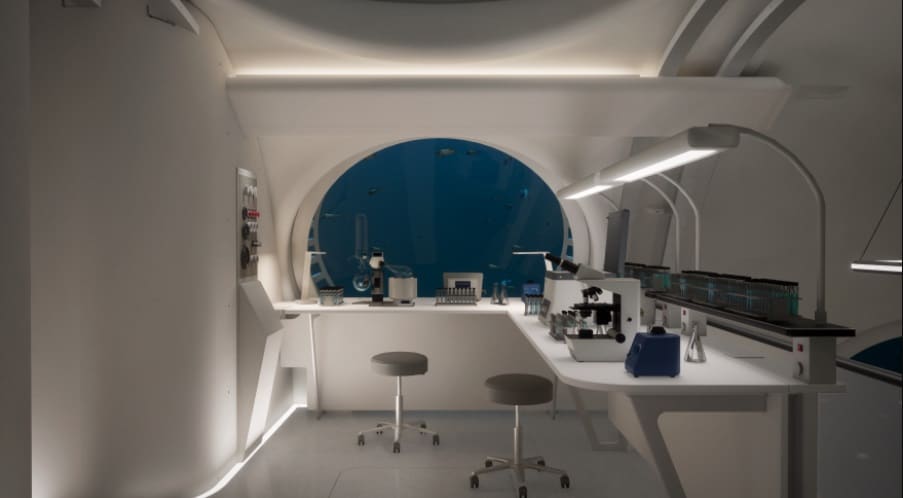
With these facilities for living at the bottom of the sea, the Sentinel will allow scientists to observe and study the ocean continuously. According to Wolpert, the project offers a unique opportunity to explore the continental shelves and the ocean’s deepest points, where about 90% of marine life is found. This means that the Sentinel’s underwater residences are not just submerged houses, but research centers that will open doors to discoveries about life and the mysteries of the ocean floor.
The Precursor To The Sentinel
Before the Sentinel, DEEP plans to launch a smaller prototype called Vanguard, expected to be operational in 2025. This underwater habitat will be a compact version of the Sentinel, measuring 12 meters long and accommodating three people. The Vanguard will be used to test the systems and technologies that will be applied in the larger underwater residences.
This prototype will already play an important role: it could be used in rescue and exploration missions. Wolpert revealed that during a shipwreck in Sicily, for example, the Vanguard could have served as a support base for divers, allowing them to stay submerged longer at a safe depth. This shows that, besides providing housing, these submerged homes have the potential to save lives and support emergency missions.
Technology And Sustainability In Underwater Residences
To build the Sentinel’s underwater residences, DEEP will use cutting-edge technology: 3D printing done by six robots that will mold the structures from steel reinforced with Inconel, a nickel-based superalloy. This material is resistant to extreme conditions, being used even in components of rockets and space shuttles, ensuring the safety and durability of the underwater habitats.
Another interesting aspect is that these submerged homes will be self-sustaining. A support buoy on the ocean’s surface will provide renewable energy, such as wind turbines and solar panels, ensuring a clean and constant power supply. The connection to the outside world for those living in the ocean will be maintained by a Starlink interface, allowing residents to communicate and access the internet while living in the ocean.
Will The Experience Of Living In The Ocean Be Exclusive?
Although the Sentinel project is exciting, living at the bottom of the sea is still a reality for a few. Wolpert mentioned that the first people to live in the Sentinel will likely be individuals with high purchasing power, comparing it to space travel that companies like SpaceX and Blue Origin promote for billionaires.
However, DEEP’s goal is to expand these underwater residences to other regions and make them accessible to more people around the world. Who knows, in the near future, living in submerged houses in the ocean may not be so exclusive but an interesting option for those looking to explore new frontiers and help care for the planet.
The Future Of The Sentinel Project And The Submerged Houses
The Sentinel and its underwater residences are on track to become the first permanent human habitat in the ocean, which opens a new era in maritime exploration. If everything goes as planned, the Sentinel will be ready for use in 2027 and could inspire other companies and countries to invest in similar technologies.
These submerged houses not only represent an innovation in living but also have the potential to drive new careers and investments in the oceanic sector, creating jobs and fostering research. Wolpert compares the Sentinel to the International Space Station, which brought a new perspective to space exploration. Similarly, the Sentinel could make the ocean more accessible and attractive to scientists, adventurers, and people seeking a distinctive lifestyle.









Já fizeram isso a décadas atrás e deu muito ruim, pesquisem!! Porém hoje com os novos recursos e tecnologias talvez de tudo certo.
Já fizeram toda as cagadas aqui na terra agora vão fazer nos oceanos,próxima vai ser em Marte raça (desumana)
Até o dia q afundar um Titanic na cabeça desses insanos destroem o planeta.
KRAK
Top! essa parada de “casas” no mar!