





 Portuguese
  English
  Spanish
 3 min of reading
  0 comments


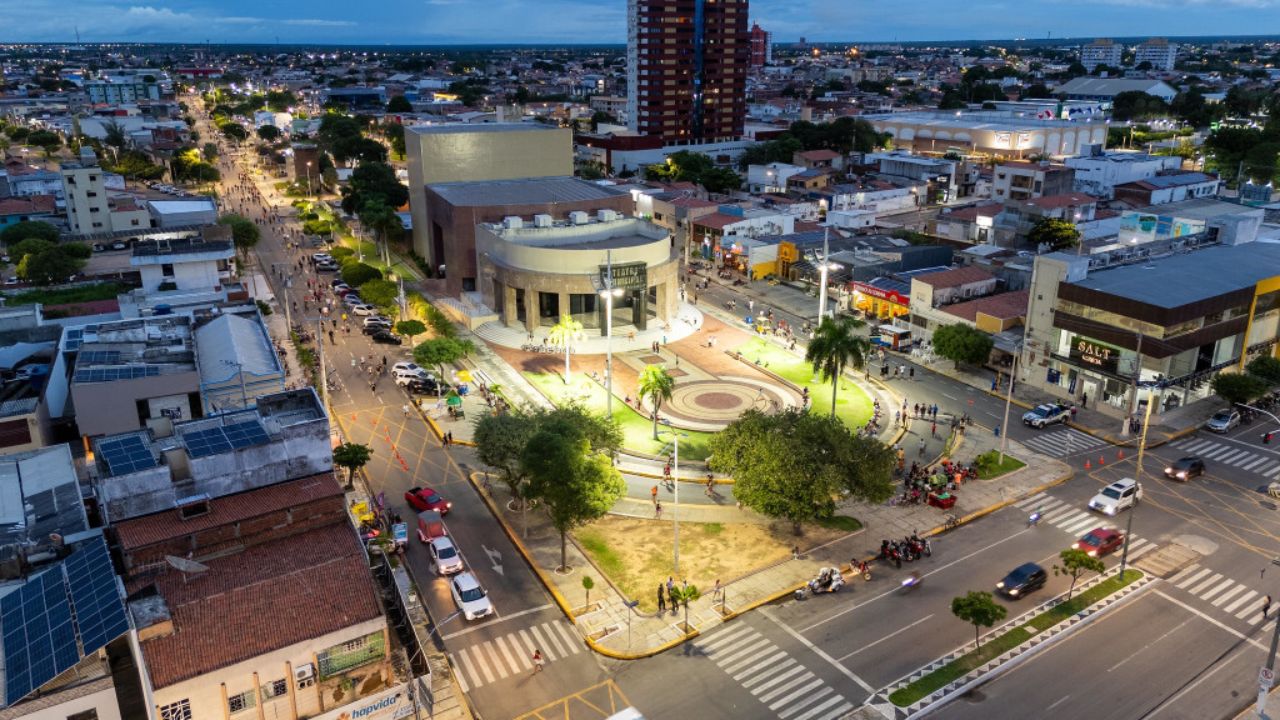
Mossoró Is A City In The Interior Of Rio Grande Do Norte, Northeast, That Brings Together Economic Strength, History, And Quality Of Life, Influencing The Entire Region.
Located in the interior of the Northeast, Mossoró consolidates itself as one of the main urban centers of the region by combining a strong economy, a remarkable history, and large-scale services.
The city was officially recognized in 2017 as the National Capital of the Semi-Arid, a title granted by federal law. This recognition came due to the strategic role the municipality plays between Natal and Fortaleza.
Today, Mossoró serves not only its population but also residents of dozens of neighboring municipalities. The continuous growth occurs because the city offers healthcare, education, commerce, and job opportunities in a single territory.
-
Friends have been building a small “town” for 30 years to grow old together, with compact houses, a common area, nature surrounding it, and a collective life project designed for friendship, coexistence, and simplicity.

-
This small town in Germany created its own currency 24 years ago, today it circulates millions per year, is accepted in over 300 stores, and the German government allowed all of this to happen under one condition.

-
Curitiba is shrinking and is expected to lose 97,000 residents by 2050, while inland cities in Paraná such as Sarandi, Araucária, and Toledo are experiencing accelerated growth that is changing the entire state’s map.

-
Tourists were poisoned on Everest in a million-dollar fraud scheme involving helicopters that diverted over $19 million and shocked international authorities.


Interior City With Influence Beyond State Borders
The geographical position makes Mossoró a fundamental link between Rio Grande do Norte and Ceará. Therefore, the city serves as a shopping center, business hub, and specialized services for the entire region.

Hospitals, clinics, universities, and shopping centers attract daily those who live in other interior cities. Thus, Mossoró expands its influence and strengthens the regional economy.
History Of Mossoró Shapes Identity Of Freedom And Resistance
The history of Mossoró is marked by episodes that helped build its collective pride. The city abolished slavery in 1883, five years before the Golden Law. This pioneering act reinforced the sense of freedom among its residents.
Another historical landmark occurred in 1927 when the population resisted the invasion by Lampião’s gang. This victory is still remembered today as a symbol of courage and popular organization.
Cultural Heritage Preserves The Memory Of The Northeastern Interior
The historical legacy is present in the Cultural Corridor of Mossoró. The space gathers preserved buildings, monuments, and cultural facilities that narrate the local trajectory.

Among the highlights are the Memorial of Resistance and the Municipal Theater Dix-Huit Rosado. These places keep the memory alive and strengthen the cultural identity of the Northeastern interior.
Diversified Economy Sustains City Growth
The economic rhythm of Mossoró is intense and constant. The city stands out for its oil exploration on land and salt production, activities that drive the local economy.
These sectors attract professionals from different regions, especially to neighborhoods like Nova Betânia. As a result, hotels, restaurants, and corporate services grow alongside the job market.
Mossoró Combines Work And Leisure In The Northeast Interior
Despite the fast-paced routine, Mossoró also stands out for leisure. Mossoró Cidade Junina is the biggest example of this. The event transforms the city for weeks and attracts tourists from all over the country.
The festivities take place at the Estação das Artes Poeta Elizeu Ventania. In addition, dance troupes, shows, and popular performances reinforce Northeastern culture.

Interior Climate Requires Adaptation And Influences Daily Life
Known as the “City of the Sun,” Mossoró presents a hot and dry climate for most of the year. The intense brightness favors irrigated agriculture and solar power generation.
The seasons follow well-defined patterns. Summer is marked by extreme heat, while the rainy season makes the landscape greener and moderates the temperatures.
Quality Of Life Combines Urban Structure And Social Bonds
Living in Mossoró means having access to services of a medium-sized city without losing the welcoming atmosphere of the interior. The population already exceeds 278 thousand residents, according to official estimates.
The city offers well-established higher education, comprehensive commerce, and economic autonomy. Thus, Mossoró establishes itself as a reference for the interior of the Northeast, combining development, history, and quality of life.
Source: Revista Oeste









-

-

5 pessoas reagiram a isso.