





 Portuguese
  English
  Spanish
  6 min of reading
  1 comment


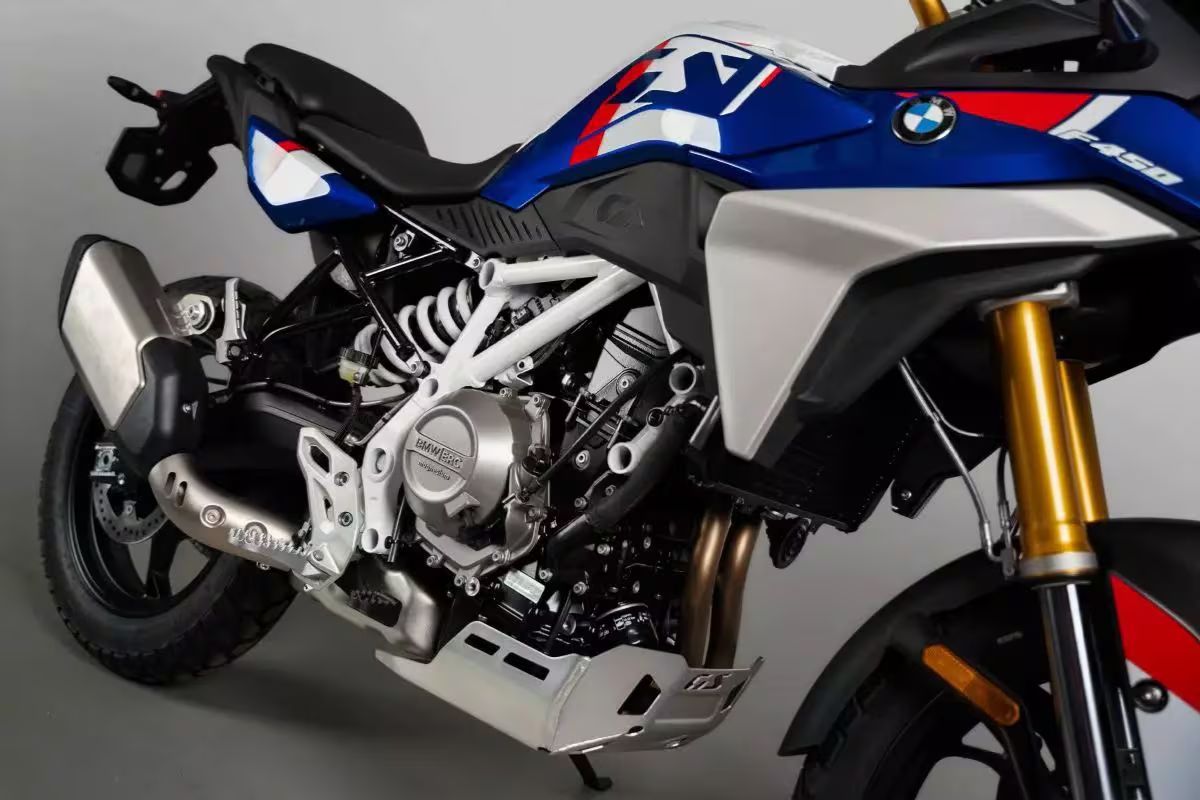


Premium Emblem Motorcycle Became a Global Label: Part Comes From Hosur or Chakan, Another Receives Engine From Chinese Suppliers, and the Brand Centralizes Calibration, Finishing, and Homologation. The Result Mixes Engineering, Costs, and Origin, Changing What “Made By” Means in the Two-Wheeler Market in Brazil and Abroad
The idea that a premium emblem motorcycle necessarily “comes from” the same country as the logo has lost ground in industrial practice. What arrives at the dealership can bring engineering from a European parent, production in an Asian plant, and, along the way, a supply network that includes local partners and joint ventures.
This arrangement is not an exception; it is a method. Instead of concentrating everything in a single factory, brands like BMW, Triumph, and Harley distribute stages, from platform development to engine supply, and leave the final signature for calibration, quality control, adjustments, and the badge on the chassis.
What Changes When the Premium Emblem Motorcycle Becomes a Global Project
When a premium emblem motorcycle goes through outsourcing or industrial partnerships, the focal point shifts from “where it was made” to “who defined the project and who guarantees the standard.”
-
Engineers propose a fourth traffic light for intersections – the change promises to affect crossings, queues, and waiting times.

-
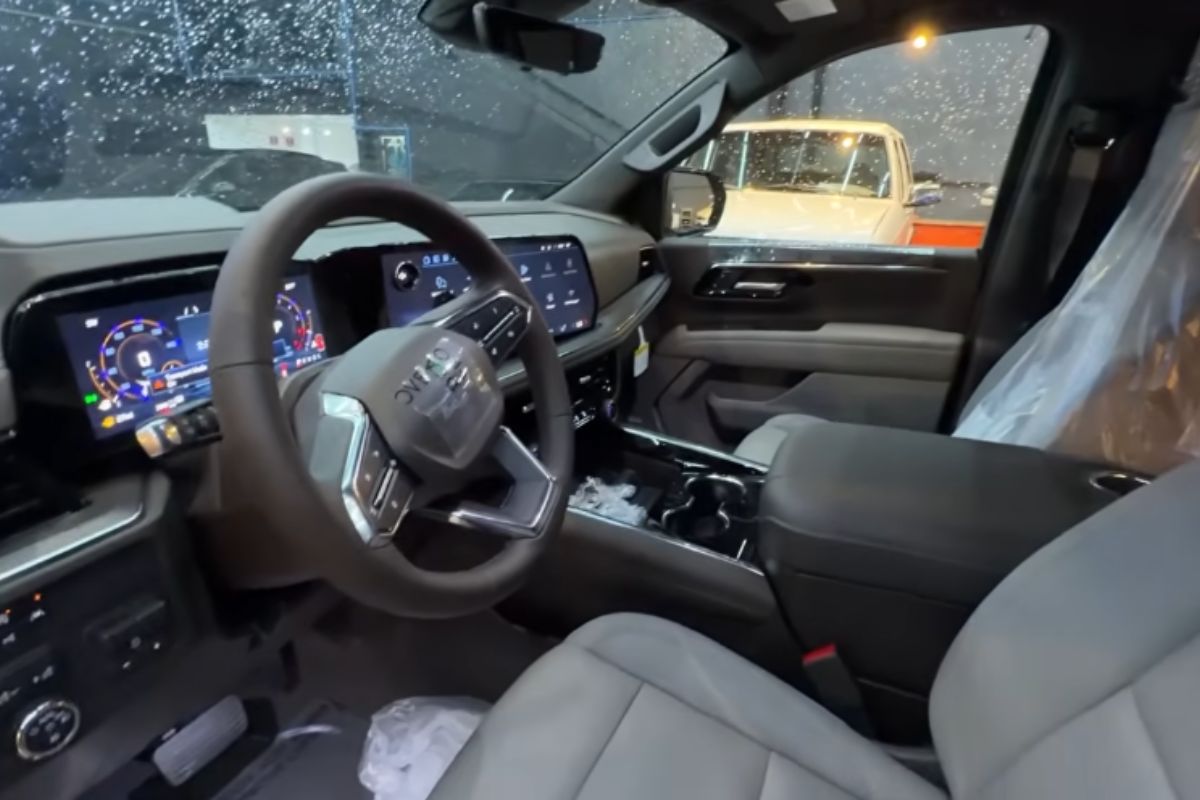
Chevrolet Suburban Z71 lands in Brazil with a V8 engine, off-road design, air suspension, seven seats, and colossal size, a rare version imported for around R$ 1.3 million with luxury and exclusivity.
-
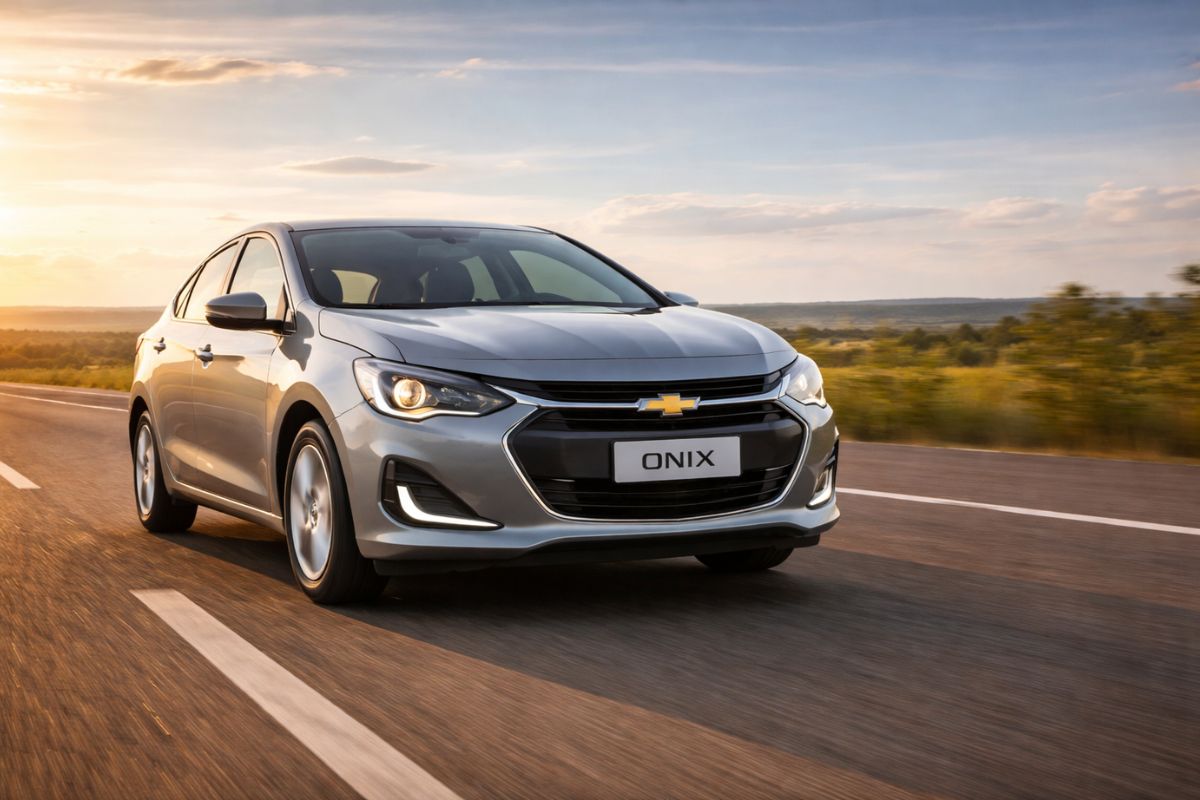
The Chevrolet Onix 1.0 turbo achieves 17.7 km per liter on the highway and ranks among the three most economical cars in Brazil in 2026, alongside two more expensive Toyota hybrids available at dealerships.
-
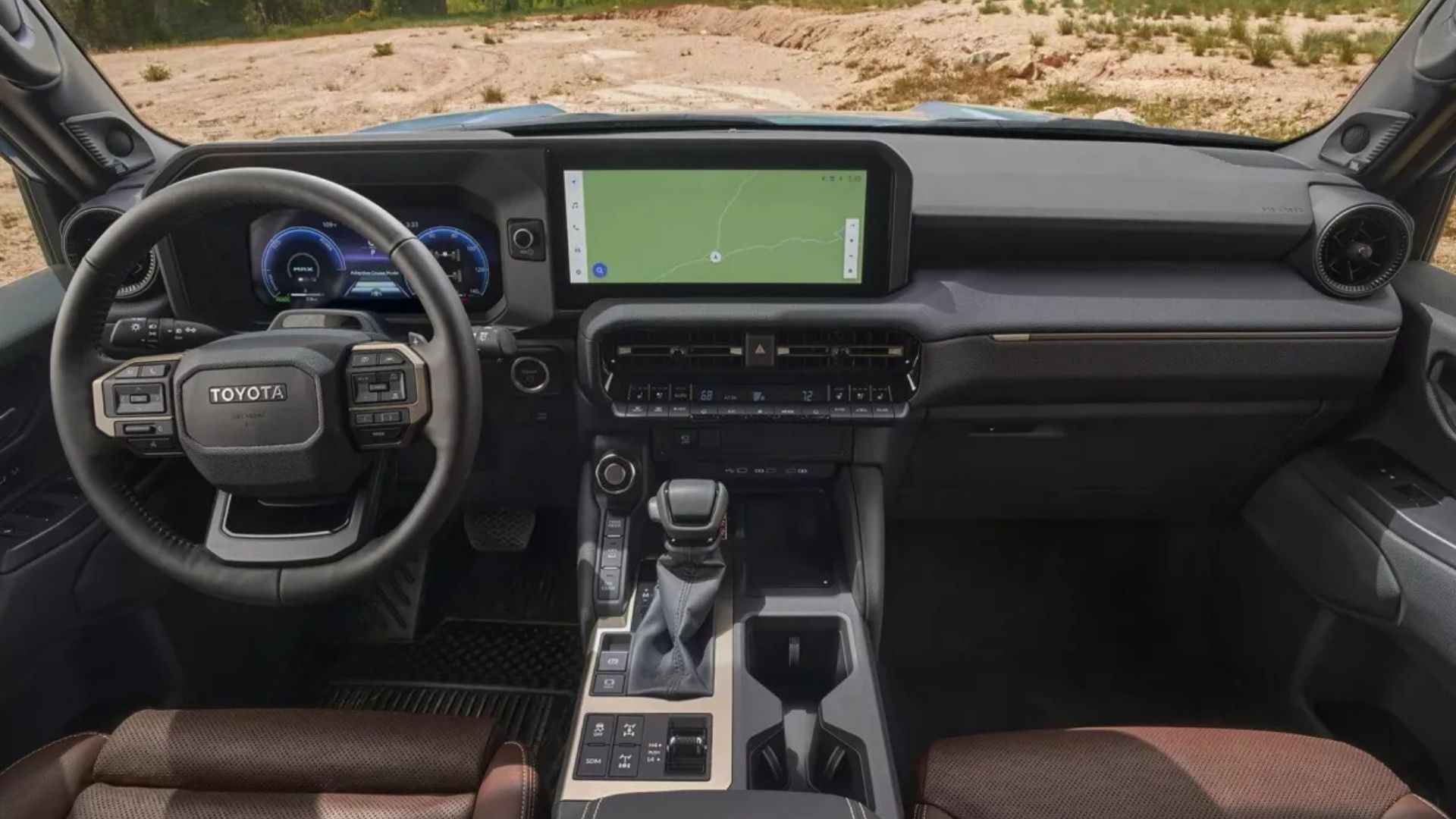
Little sister of the Hilux: Toyota launches Land Cruiser FJ with 4 radical versions, 2.7 engine with 166 hp and 4×4 traction with locking.

This includes architectural design, performance targets, tolerances, critical components, inspection criteria, and the final validation that upholds the brand’s reputation.
In practice, the consumer faces an information dilemma: manufacturing origin, assembly location, and engineering origin can point to different countries.
That’s why, in lower displacement or high-volume models, it is common to see production in partner factories in India or China, while the brand maintains the narrative of engineering, adjustment, and standardization.
BMW and the Logic of Partnerships at the Base and in the Engine
BMW approaches this model from two fronts. The BMW F 450 GS, described as a awaited mid-range adventure bike, appears as a mixed project between Indian TVS and the German, with manufacturing at the Hosur plant.
In this design, the expectation of “pure German engineering” gives way to a shared development and production arrangement.
The same path already existed for the brand’s low-capacity motorcycles.
The BMW G 310 R, G 310 GS, and G 310 RR were manufactured in Hosur by TVS, within a partnership cited as long-lasting, with over a decade, and which is not limited to the line itself: it extends to the development of new platforms, precisely the kind of detail that alters the reading of what a premium emblem motorcycle truly is.
Moreover, outsourcing is not limited to the chassis or assembly line.
In the case of intermediaries and scooters, there is the aspect of engine supply: the scooter C 400 X and the touring bikes F 800 and F 900 have engines supplied by the Chinese Loncin, while assembly takes place in BMW factories. The “where” changes by component, complicating any simple definition of origin.
Triumph and KTM: India as a Platform for Volume and Industrial Survival
Triumph also appears on this map through India, with Bajaj as a partner.
The Triumph Speed 400 and the Scrambler 400X are manufactured in Chakan, and the cooperation is described as a project-sharing agreement that arose in 2020, gaining visibility in Brazil with the arrival of the 400 models in 2023.
In this type of industrial architecture, the country of production becomes a tool for scale and cost, not necessarily an indicator of product “level.”
This is a significant shift for the concept of premium emblem motorcycle: the brand preserves its positioning but shifts production to where it makes industrial sense.
The result can be a motorcycle with project and calibration signatures aligned with the parent, but manufactured outside the traditional axis that many consumers imagine.
In KTM, India appears even stronger. Bajaj is described as the main partner and shareholder, and it would have acquired 74.9% of the company in 2025, a move seen as decisive to prevent bankruptcy.
Regardless of the value judgment, the industrial fact is that Bajaj has been responsible since 2007 for the production of small and medium KTM motorcycles, with shared engineering in engines reaching up to 790 cm³ and technical similarities between Indian and Austrian engines.
The arrangement extends to China with CFMoto. The CFMoto-KTMR2R joint venture has existed since 2017 and includes the manufacture of medium-displacement models like 790 Duke and 790 Adventure in Hangzhou.
Here, the “who” and the “where” multiply, and the notion of a single origin becomes even more fragile for any motorcycle that carries the traditional brand shield.
Harley-Davidson, Suzuki, and the Weight of Joint Ventures in Asia
Harley-Davidson enters the discussion through two axes.
In China, Qianjiang Motorcycle, QJ Motor, appears as a manufacturing base for the X350 and X500 lines, with support in development but eastern production.
It is a direct example of how a premium emblem motorcycle can have its name associated with an American imaginary and, at the same time, emerge from an Asian production chain.
In India, the cited partnership is with Hero MotoCorp, responsible for the Harley-Davidson X440, designed for the Indian market and launched in 2023.
Besides manufacturing, Hero also handles distribution and brand services in the country. This practically answers who operates the product on a daily basis, from after-sales to support, in a market where scale and local network weigh as much as the logo.
Suzuki brings another type of partnership, more structural.
The Chinese Haojue emerged in 1992 as a joint venture with the Japanese company, aiming to take over smaller models.
Over time, it effectively became practically independent but still shares projects and infrastructure with Suzuki.
In this model, outsourcing is not just “a contracted factory,” but rather a production ecosystem that sustains itself for decades.
The Brazilian Case: Dafra, TVS, and SYM as a Local Mirror
In Brazil, Dafra appears as a local reading of the same phenomenon.
Founded in 2007, it had Indian TVS as its main partner in an agreement that lasted from 2010 to 2024, marketing models like the Apache RTR 150 and the Apache RTR 200 in different periods.
The dynamics are similar to those of global brands: production and design can be outside, while positioning and local operation are built here.
Currently, Dafra continues with the Chinese SYM, described as responsible for the main line from 150 cm³ to 400 cm³.
For the consumer, this reinforces the most sensitive point of the debate: there is no “purity” in industrial terms as a rule, but rather production and supply arrangements molded by cost, scale, factory capability, and portfolio strategy.
In this context, the question “where was it made?” loses some of its usefulness if posed alone.
A premium emblem motorcycle can have outsourced manufacturing and still carry design and validation criteria defined by the brand.
Similarly, there can be models that use the strong name and rely more on the partner for the complete industrial package.
How to Read Origin, Assembly, and Engineering Without Falling Into Simplifications
To understand what is behind a premium emblem motorcycle, it is worth separating three layers.
The first is engineering, which involves decisions on architecture, performance targets, and calibration parameters.
The second is manufacturing, which includes plant, suppliers, and the level of local integration.
The third is the final signature, which involves adjustments, finishing, homologation, and inspection standards.
The practical effect is that the consumer may be paying for a combination of factors, not for a single “country of origin.”
Outsourcing is not automatically a loss of quality, but it changes the transparency: when communication highlights only the emblem, many assume a manufacturing process that does not match the actual path of the product.
In the end, what defines trust is not an address on the map but rather clarity about partnership, components, process, and after-sales responsibility.
When this information becomes diffuse, it creates a feeling of “disguise,” even though the practice is common in the industry.
Industrial globalization has turned the emblem into a summary of decisions that consumers rarely see, and that is why the premium emblem motorcycle can carry India and China in its origin without this appearing in the first reading of the buyer.
What is at stake is not just manufacturing but how brands explain who designed, who produced, and who is responsible for the whole.
If you discovered that your premium emblem motorcycle was manufactured in Hosur, Chakan, or Hangzhou, would that change your perception of value, or would you only evaluate the final product? Which brand, in your opinion, should better explain these partnerships at the time of sale? And what would weigh more for you: country of manufacture, brand history, or transparency about engine, platform, and after-sales?








Como mecânico e dono de algumas marcas.(todas nipon) convém lembrar de alguns fatos.inicialmente e logo no seu retorno.as triumph faziam peças made in japan. O ceticismo inicial foi vencido pelo tempo e pela fama de boa qualidade. Mas hj vemos as triumph partindo virabrequim de manhã ao ligar! Outras quebrando eixo de câmbio ao mudar a marcha.! Outra: as BMW : bigtrail. Em 2017 começaram a ter a fama de quebrar o Cardan. Bastava uma aceleradinha. Na terra e o Cardan abria o bico.foram inúmeros casos aqui e lá fora. Era até cômico o cabelo do sertão subindo uma ladeira íngreme com sua pop100 carregada e ver um piloto de GS1150 1250 subindo ao lado de fora da moto “empurrando” pra poupar o Cardan. Ou nas cordilheiras.viajantes de biz125 ultrapassando GS1250 andando pelo acostamento na casca do ovo.e seus donos com o fiofó na mão. Pela ma fama dos Cardan da safra 2017. Essa semana chegou uma GS310R no guincho parou do nada.dizia o infeliz propriotario. Ao abrir advinha! O virabrequim. partido em 2 ( preço 9 mil) talvez isso explique que até no inconsciente os viajantes/ aventureiros estejam se sentindo mais seguros em estar a bordo de uma moto anos 80/90 a engenharia daquela época não estava priorizando tanto a absolecencia industrial como hoje. Logo a resposta estava sempre ai.ainda que nas entrelinhas.