





 Português
  Inglês
  Espanhol
  4 min de leitura
  0 comentários


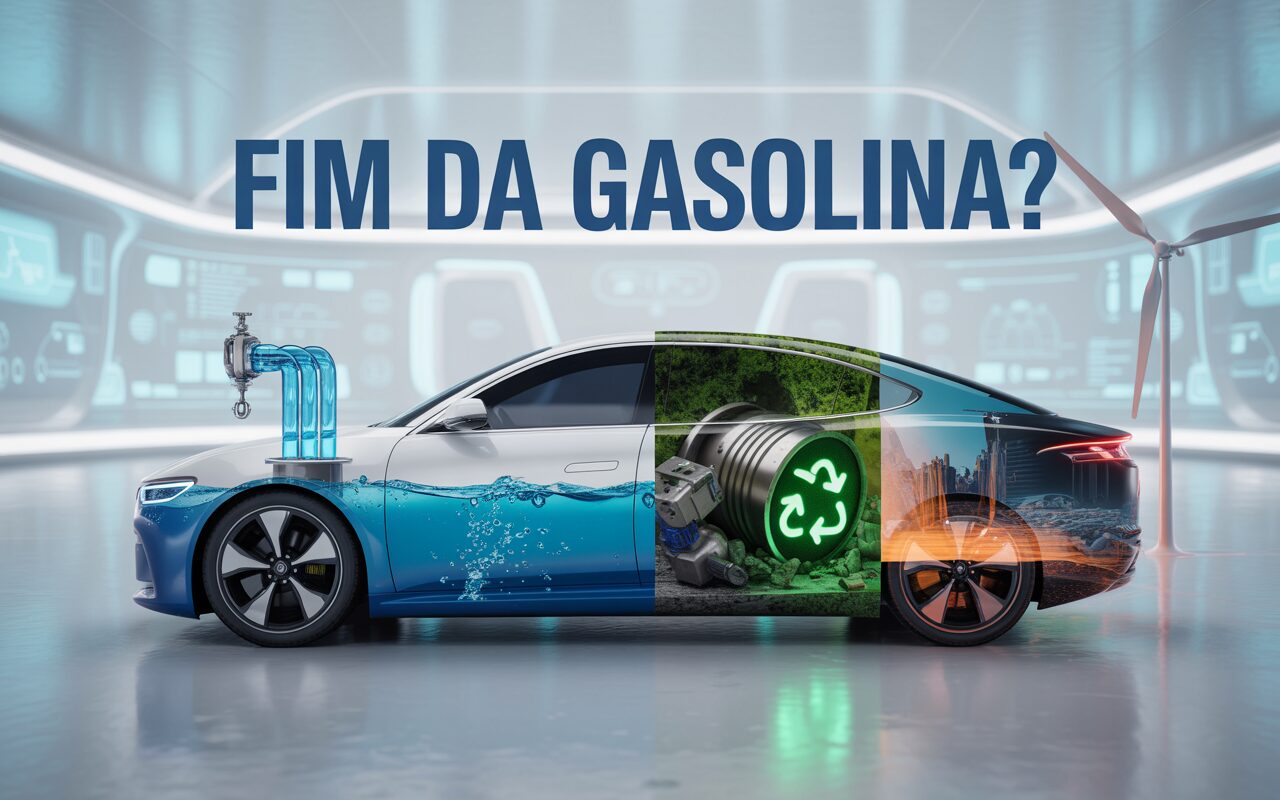
Discover The Amazing Technologies That Use Saline Water, Waste, And Wind To Replace Gasoline And Revolutionize Mobility In A Sustainable And Innovative Way!
In recent years, various technologies have emerged with the aim of replacing gasoline as the energy source for vehicles. Some proposals stand out for their creativity in utilizing unconventional resources, such as saline water, waste, and even wind, in an effort to make transportation more sustainable and accessible. Although still not in large-scale production, these alternatives pique the interest of engineers, researchers, and those curious about solutions that eliminate dependence on fossil fuels. Keep reading and discover all about the vehicle powered by saline water, waste, and even wind.
Vehicles Powered By Water And Waste: Argentine Engineer’s Project Gains International Attention
The Argentine engineer Edmundo R. shared an initiative that uses two unusual elements as an energy source: water and waste. The proposal involves a system that generates gas through the decomposition of organic waste, such as food scraps, mixed with water. This gas replaces gasoline and powers engines of generators, pumps, and even vehicles without the need for deep modifications to the original system.
The low-cost water and waste-powered vehicle caught attention for its range. According to the creator, a vehicle adapted with the system can travel up to 1,000 km on a single load of materials. The system manual has been made available for free to anyone interested, aiming to stimulate the application of the idea in regions with limited access to traditional fuels.
-
OMODA & JAECOO grows in Europe in 2026 with an integrated strategy of sales, innovation, local production, and technological advancement in the United Kingdom, Italy, and Spain.
-
OMODA & JAECOO expands after-sales service in Brazil with competitive maintenance, a 7-year warranty, and high availability of parts for technological SUVs.

-
OMODA & JAECOO appoints Alessandra Souza as executive marketing director in Brazil and accelerates brand expansion with a focus on innovation, networking, and hybrid portfolio.

-
Jaecoo 7 with super hybrid SHS system exceeds 1,200 km of combined range with a 1.5 turbo engine, high-density battery, and intelligent energy management.

The water and waste-powered engine has been tested in countries in Latin America and Europe, broadening the discussion on alternative energies in engines and waste repurposing solutions.
Ocean Energy: Vehicle Powered By Saline Water Is A Reality In Germany
In Germany, an electric vehicle that runs on saline water as fuel has traveled over 150,000 km in tests. The model, developed by the company NanoFlowcell, utilizes flow cell technology that transforms liquids with electric charges (positive and negative) into electrical energy. The vehicle, named Quantino, operates without emitting harmful gases and uses tanks with two different types of saline-based electrolytes.
The system eliminates the need for traditional batteries and powers the electric motor with the energy generated during the chemical reaction between the liquids. The water-powered vehicle has become an example of how abundant natural elements can be repurposed to fuel vehicles. This proposal falls among technologies seeking to eliminate the use of gasoline while retaining autonomy and performance.
Wind-Powered Vehicle Attempts To Break Land Speed Record
Another invention that deviates from traditional standards is the wind-powered vehicle, developed by the Emirates Team New Zealand. The vehicle is designed to reach speeds exceeding 200 km/h using only the force of the wind. It features three wheels, a carbon fiber structure, and a rigid sail approximately eight meters long, similar to that of competitive sailing boats.
The team’s goal is to break the world record for land speed powered by wind, set in 2009. Tests are scheduled to occur in flat and desert areas of Australia, where conditions favor the utilization of constant winds. The innovation reinforces the quest for gasoline-free vehicles, employing natural resources as the primary source of propulsion.
Advances And Limitations Of New Technologies
Despite the innovative proposals, the technologies presented still face limitations. The current refueling infrastructure, production costs, motor adaptations, and the need for regulation hinder immediate large-scale adoption. However, the tests and projects already in operation demonstrate that the automotive sector is open to new pathways, focusing on alternative energies in engines and solutions that replace conventional fuels.
The variety of approaches—from using waste and water to harnessing wind—shows that there is room for different solutions to coexist. While some of these initiatives are still experimental, others are approaching commercially viable and sustainable models.
Gasoline-Free Vehicles: A Nearer Future?
With advancements in research and technology, interest in vehicles that utilize clean and renewable sources is growing. The quest for gasoline-free vehicles reflects the global demand for less polluting and more economical alternatives. The use of saline water, organic waste, and wind broadens the possibilities and reinforces the idea that different paths can lead to the same goal: the replacement of fossil fuels in transportation.
The inventions highlighted demonstrate how simple ideas can transform into functional projects. Even if still far from mass production, these initiatives point toward a future with more options for sustainable mobility. The water-powered engine, the wind vehicle, and the system that converts waste into energy are examples of how creativity combined with engineering can open up new possibilities in the automotive sector.









Seja o primeiro a reagir!