





 English
  Francês
  Alemão
  Italiano
  Japonês
  Norueguês
  Portuguese
  Spanish
  5 min of reading
  2 comments


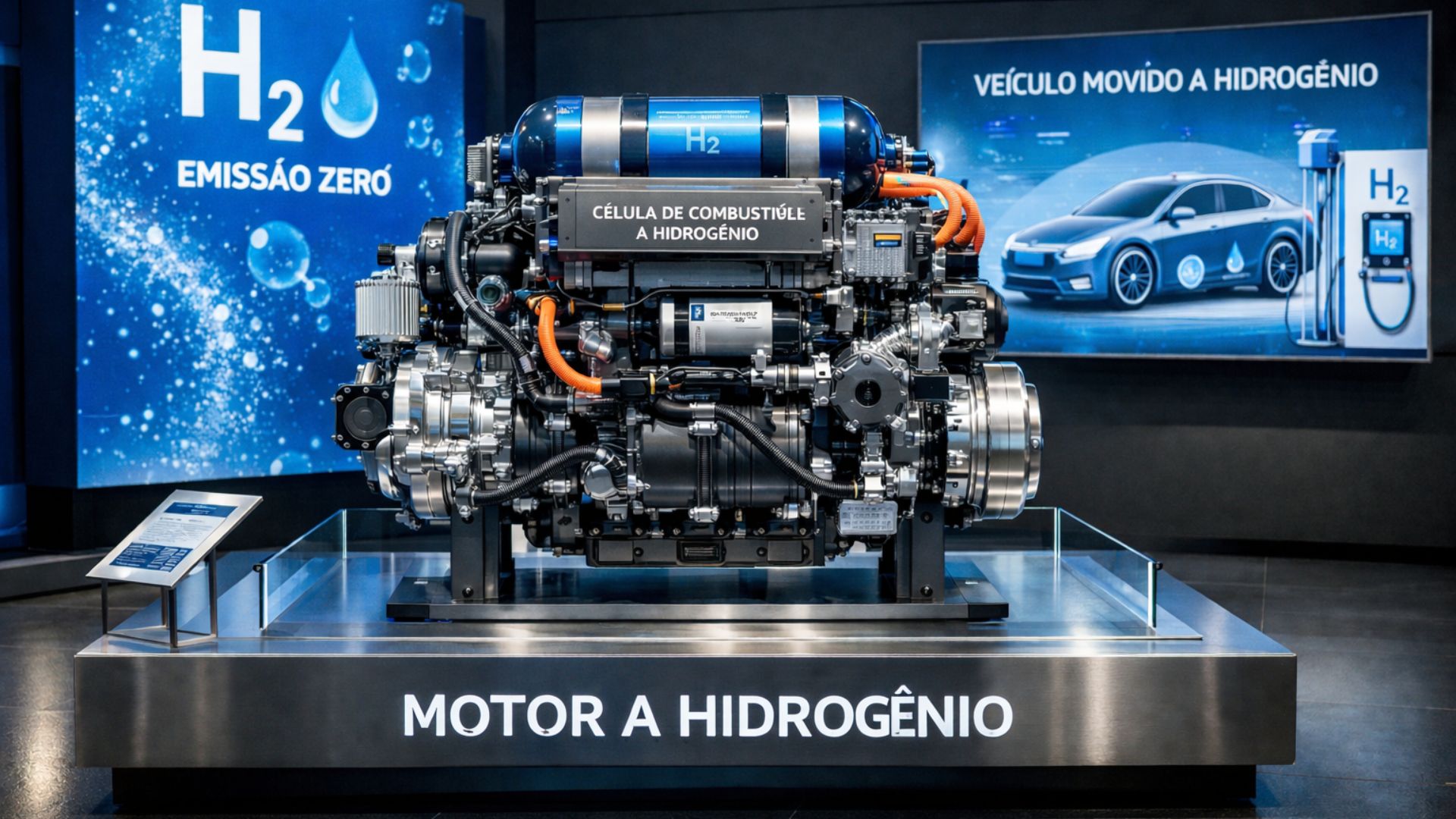


The Hydrogen Engine Emerges As A Low-Emission Alternative In The Automotive Market, But Manufacturers Still Face Economic Challenges, High Costs, And Lack Of Infrastructure To Expand The Technology Globally.
The hydrogen engine has returned to the center of discussions about the decarbonization of the global automotive market. According to an article published by the Portal 6 site on February 17, the technology is often presented as a solution capable of uniting clean mobility, high autonomy, and rapid fueling, while maintaining an experience similar to that of conventional vehicles. In the exhaust, when using a fuel cell, the result is only water vapor.
Still, more than two decades after the first commercial models emerged, the presence of this technology remains restricted to a few countries and low production volumes. The contrast between technical potential and limited adoption reveals a scenario marked by economic challenges, structural bottlenecks, and cautious strategic decisions by manufacturers.
How Does The Hydrogen Engine Work And Why Is It Of Interest To Manufacturers?
In the early 2000s, the enthusiasm was evident. Honda introduced the FCX Clarity, one of the first commercially available fuel cell vehicles. The proposal was clear: generate electricity from hydrogen and eliminate local emissions associated with fossil fuels.
-
The Federal District bets on innovation and sustainability by launching a hydrogen-powered bus on a new tourist route, promising to reduce emissions and transform the urban experience for residents and visitors.

-
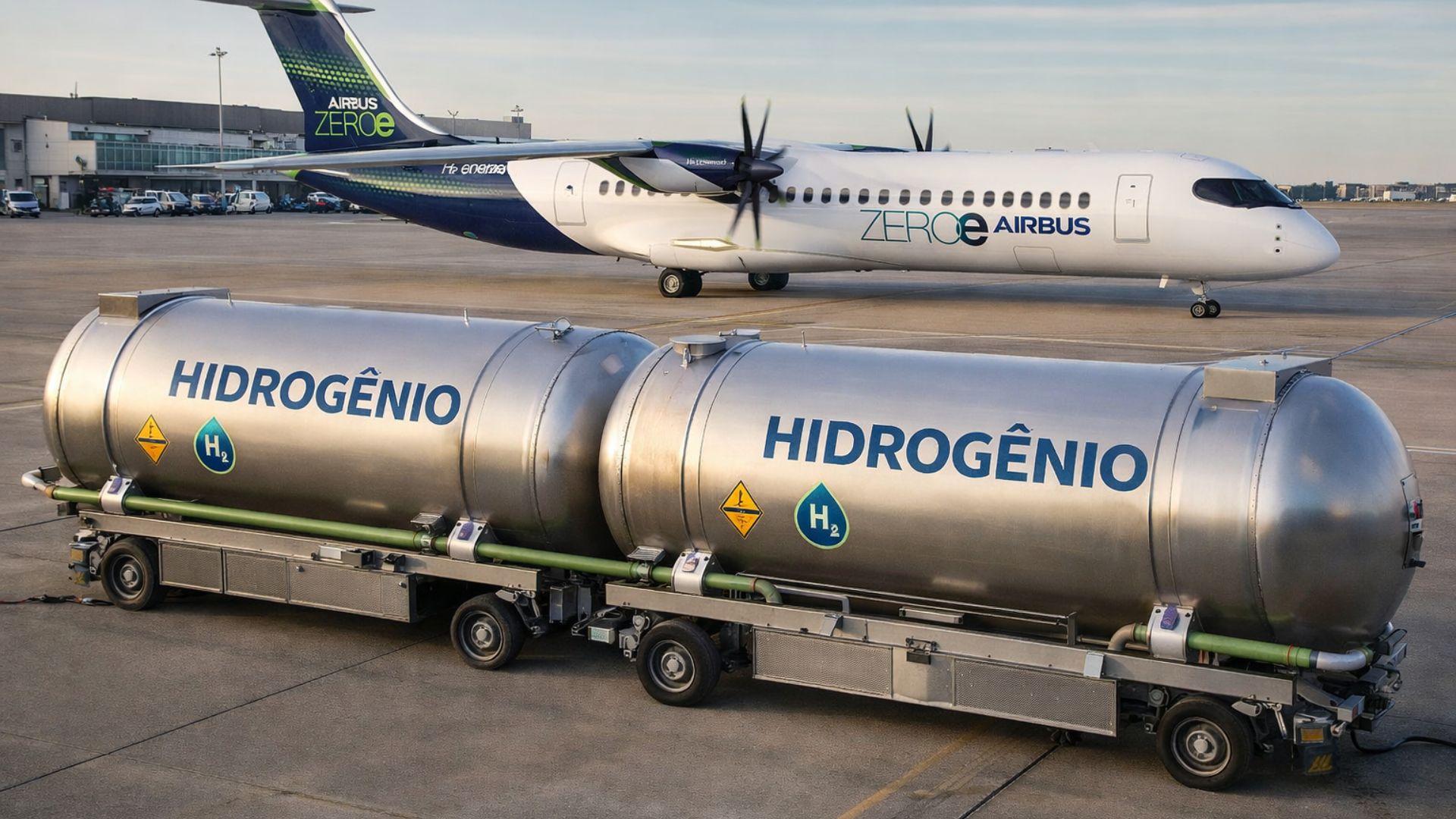
Hydrogen gains strength in aviation with Airbus and its fuel cell aircraft, potentially paving the way for sustainable flights, reduced environmental impact, and a new energy era in global air transport.
-
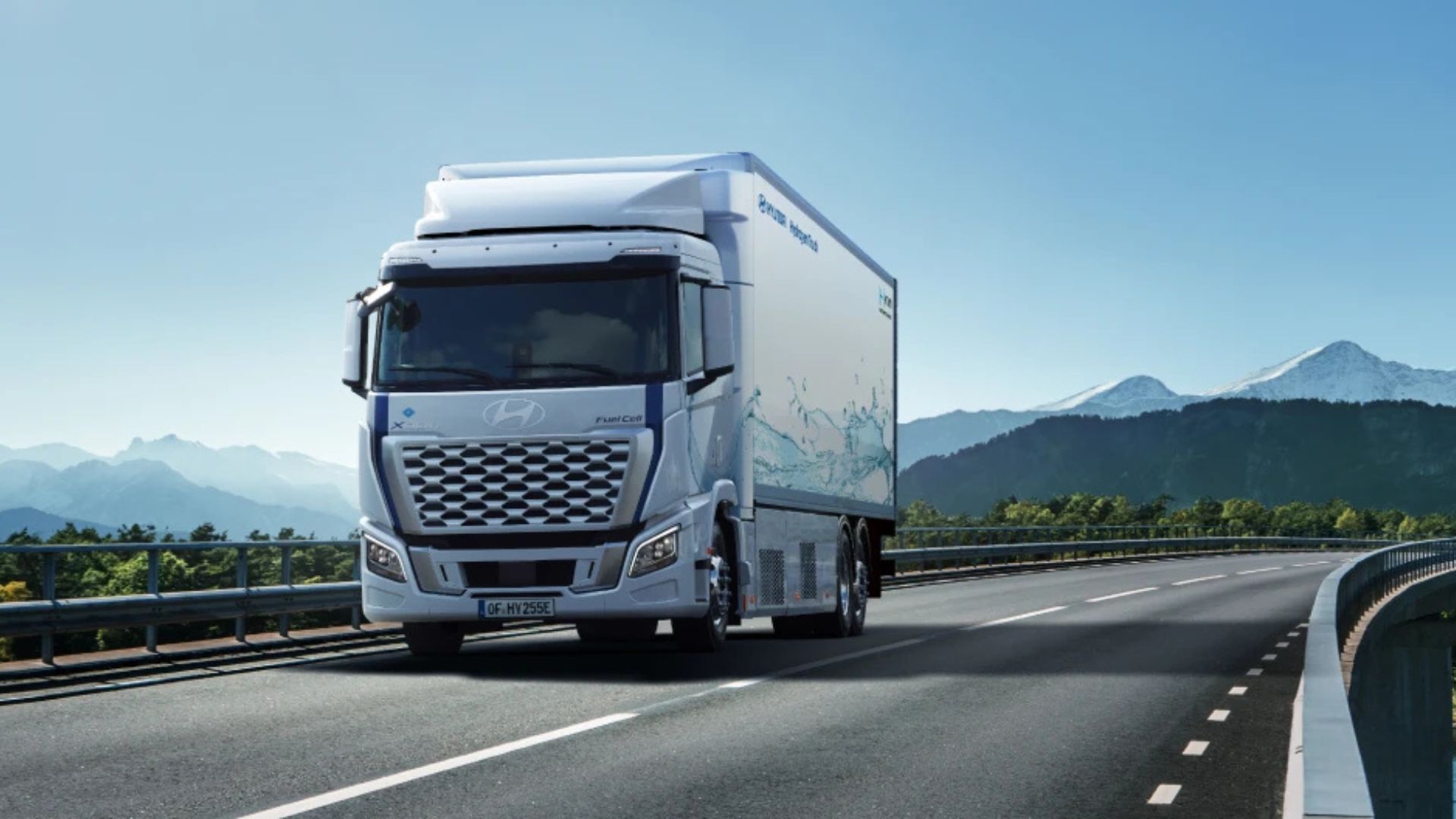
Hyundai XCIENT Fuel Cell Reaches 20 Million Km in Europe in Sustainable Logistics: Historic Milestone for Hydrogen Truck Fleet and Advancement of Global Clean Mobility
-
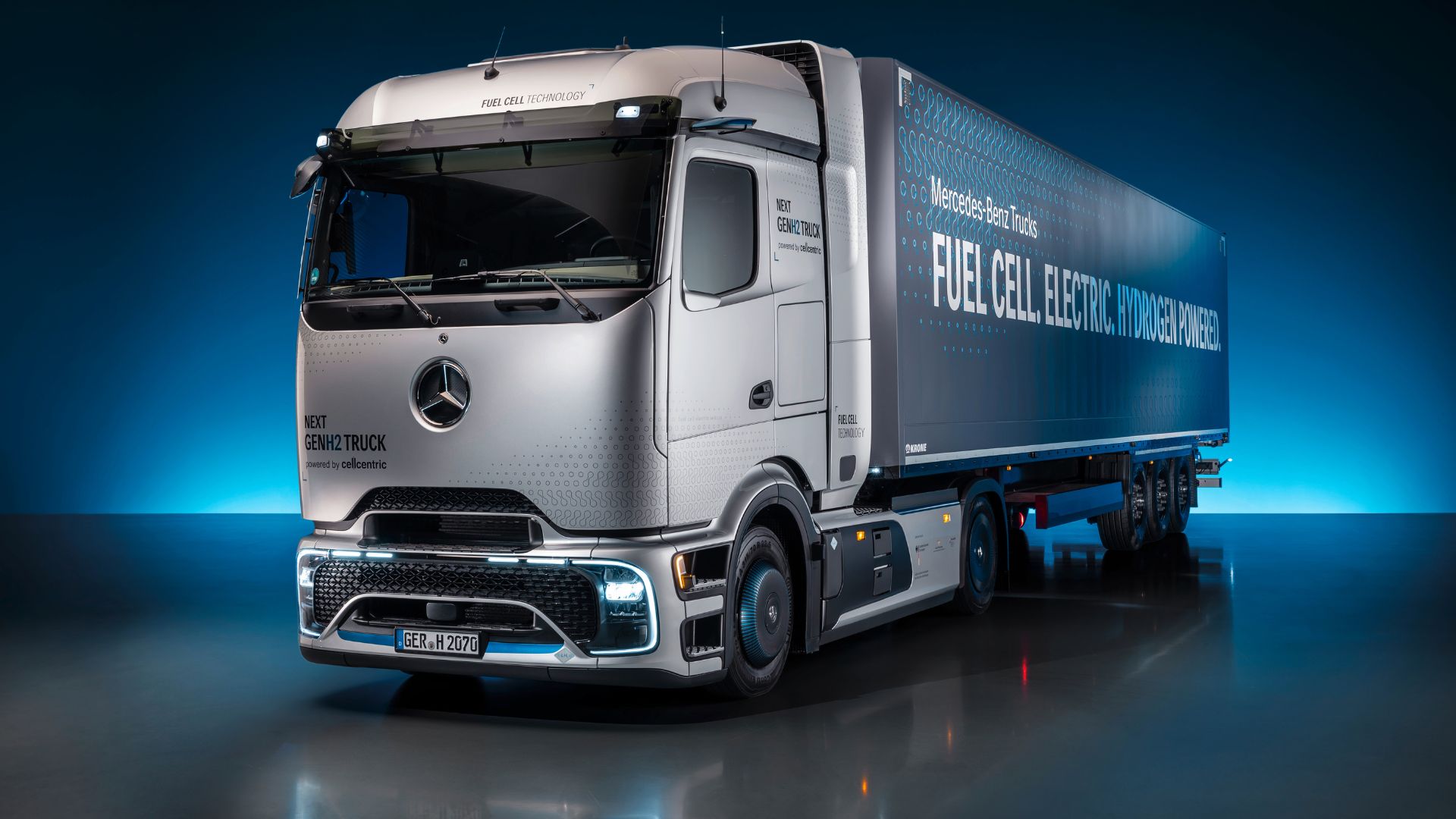
Mercedes-Benz NextGenH2: New Hydrogen Truck with 100 Units in 2026, Range of 1,000 Km, and Fuel Cell Technology for Sustainable Transport

Despite the innovation, the project did not achieve scale and was discontinued after years of limited sales. This history helps explain why the hydrogen engine, despite its promise, has not yet consolidated itself in the global automotive market.
The concept of the hydrogen engine can be applied in two ways. The most widespread in the automotive market is the fuel cell. In this system, hydrogen reacts with oxygen in an electrochemical process that generates electricity to power an electric motor.
There is no traditional combustion, and the only byproduct in the exhaust is water. There is also the alternative of direct combustion of hydrogen in adapted engines, but this approach is less common in passenger vehicles.
The interest of manufacturers can be explained by clear advantages. Refueling takes a few minutes, similar to refueling with gasoline or diesel. The autonomy can be comparable to that of conventional vehicles. Moreover, the usage logic is familiar to consumers, without the need for long recharging periods.


Economic Challenges Of The Hydrogen Engine Limit Expansion In The Automotive Market
Economic challenges are at the center of the discussion. Producing vehicles with fuel cells involves high costs, primarily due to the complexity of the system and the use of materials such as platinum in the catalysts.
Another critical point is the cost of the fuel itself. The production of hydrogen consumes a lot of energy. When obtained from natural gas, a process still predominant in the world, some of the environmental benefits are reduced by the emissions associated with the extraction and reforming of fossil fuel.
These combined factors help explain why the hydrogen engine remains restricted to specific niches of the automotive market, even after more than 20 years of commercial development.
Scarce Infrastructure And Direct Impact On Manufacturers’ Decisions
Infrastructure is another significant obstacle. Hydrogen refueling stations are rare in most parts of the world. In countries like Japan, South Korea, Germany, and the United States, the network exists but is concentrated in certain regions.
Without a broad refueling network, consumers face uncertainties regarding the viability of daily use. This reduces demand, which in turn discourages manufacturers from increasing production. A difficult cycle to break forms.
In the automotive market, scale is essential to reduce costs. Without significant sales volume, economic challenges remain high, and the competitiveness of the hydrogen engine is compromised.
Energy Efficiency And Comparison With Electric Vehicles In The Automotive Market
The efficiency of the energy cycle also influences the debate. For the hydrogen engine to be considered environmentally advantageous, hydrogen must be produced with low carbon emissions, preferably through electrolysis powered by renewable sources.
However, the complete process involves losses at several stages: production, compression, transportation, storage, and reconversion to electricity within the vehicle. This set of losses reduces the overall efficiency of the system.
In comparison, battery electric vehicles use electricity more directly. At the current technological stage, this has favored the expansion of electrics in the automotive market, especially with government incentives and the expansion of the charging network.
For many manufacturers, the cost-benefit analysis indicates that prioritizing battery investments offers a more predictable return, reducing risks associated with the economic challenges of hydrogen.

Strategic Applications Where The Hydrogen Engine Can Gain Ground
Despite the barriers, the hydrogen engine is still considered promising for heavy vehicles, such as trucks and buses. In these cases, high autonomy and fast refueling are clear competitive advantages.
In logistics operations, downtime represents a direct cost. Large-capacity batteries increase weight and require prolonged recharges. Hydrogen can offer a viable alternative on long-distance routes.
Hyundai has already implemented projects with hydrogen trucks in Europe. Other manufacturers are evaluating similar initiatives, especially in markets with policies to encourage the decarbonization of heavy transport.
Moreover, hydrogen plays a strategic role in industrial sectors such as steelmaking and fertilizer production. The expansion of these chains could help reduce some of the economic challenges, creating integrated demand and greater production scale.
Perspectives For The Hydrogen Engine Given Global Economic Challenges
The debate about the future of the hydrogen engine is not limited to technological potential. The central issue is competitiveness. As long as production, infrastructure, and fuel costs remain high, progress in the automotive market will be gradual.
Manufacturers adopt diverse strategies. Some advocate for multiple portfolios, combining hybrids, battery electric, and hydrogen. Others focus investments on traditional electrification, considering the economic challenges of hydrogen still significant.
More than two decades after the launch of pioneering models like the FCX Clarity, the scenario is one of strategic caution. Hydrogen remains a relevant technological bet, but parallel.
If there is consistent cost reduction, infrastructure expansion, and growth in low-carbon hydrogen production, the hydrogen engine could increase its share in the automotive market. Until then, it will remain a complementary alternative, especially in specific segments where its characteristics offer a real advantage.
The technological horizon exists. However, the speed of transformation will continue to be defined by the economic challenges and by the strategic choices of global manufacturers.








Mas e o hidrogênio de etanol brasileiro não seria mais barato!?. Ou aquilo não vingou, era feik!?. 👎
Gostei disso. Compraria!!