





 English
  Francês
  Alemão
  Italiano
  Japonês
  Norueguês
  Portuguese
  Spanish
  5 min of reading
  0 comments


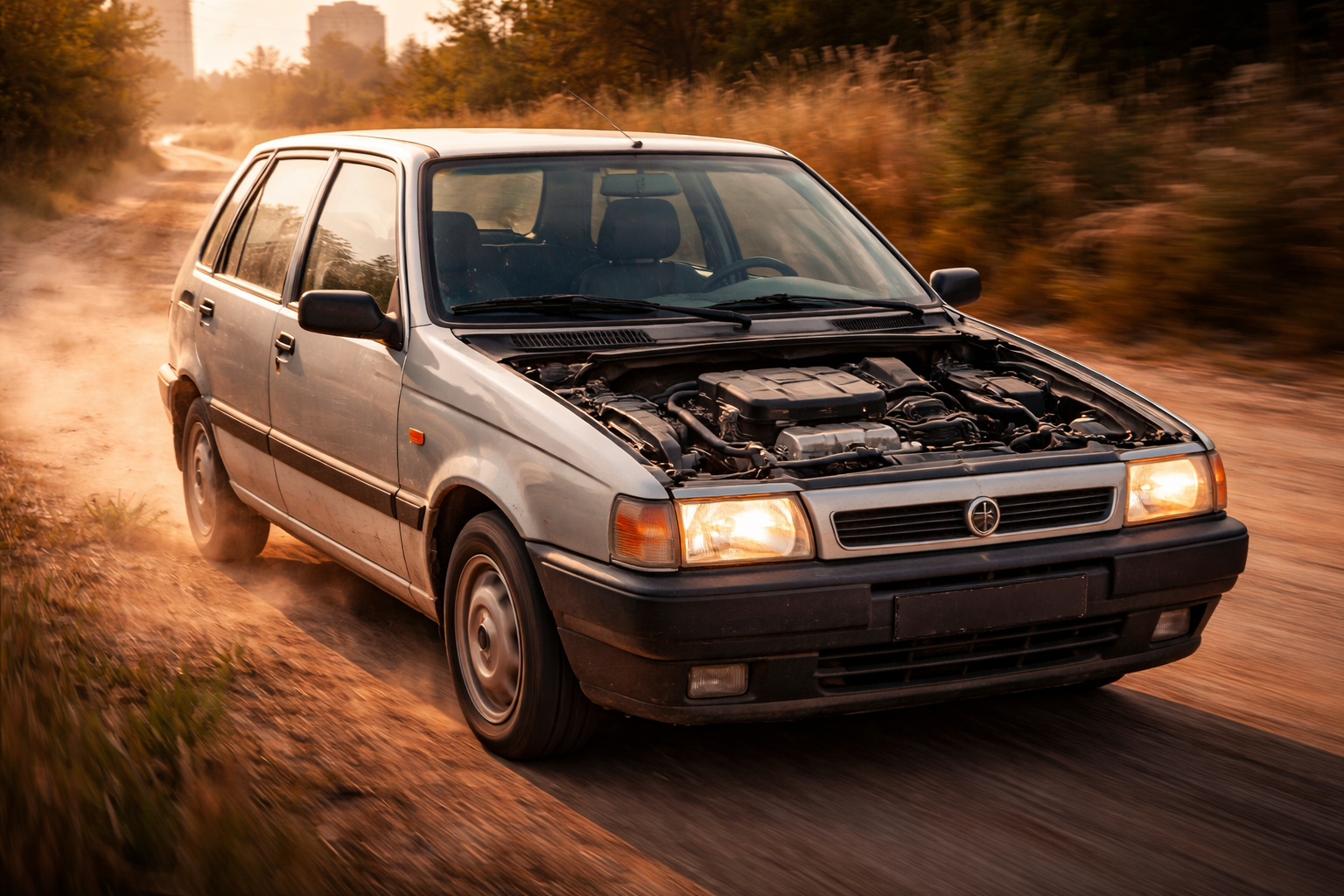
Fire 1.0 Engine of the Fiat Uno Runs Over 300,000 km, Requires Simple Maintenance and Maintains Low Cost, Consolidating the Model as a Reference in Brazil.
Launched in Brazil in the early 2000s with the popularization of the Fire engine, the Fiat Uno has established itself as one of the longest-lasting projects in the national automotive industry and helped define the segment of popular cars. According to historical market data compiled from records by Fenabrave and analyses of the automotive sector, the model continues to have a strong presence even after the end of production, being one of the best-selling cars in the used market, with over 417,000 units sold in 2023 alone, occupying the top positions in the national resale ranking.
Furthermore, data from Kelley Blue Book Brazil itself shows that the model has accumulated around 4 million units produced in the country, consolidating itself as the best-selling car in Fiat’s history in the Brazilian market.
This performance helps explain why the mechanical set of the Uno has become synonymous with durability. Over decades, the model has maintained a strong presence among the best-selling vehicles in the country at different times, even appearing among the most marketed in historical rankings of the Brazilian market. This context reinforces the model’s reputation for robustness, especially in intense urban use or in severe conditions, where it is not uncommon to find units that exceed 200,000 or even 300,000 kilometers with basic and regular preventive maintenance.
-
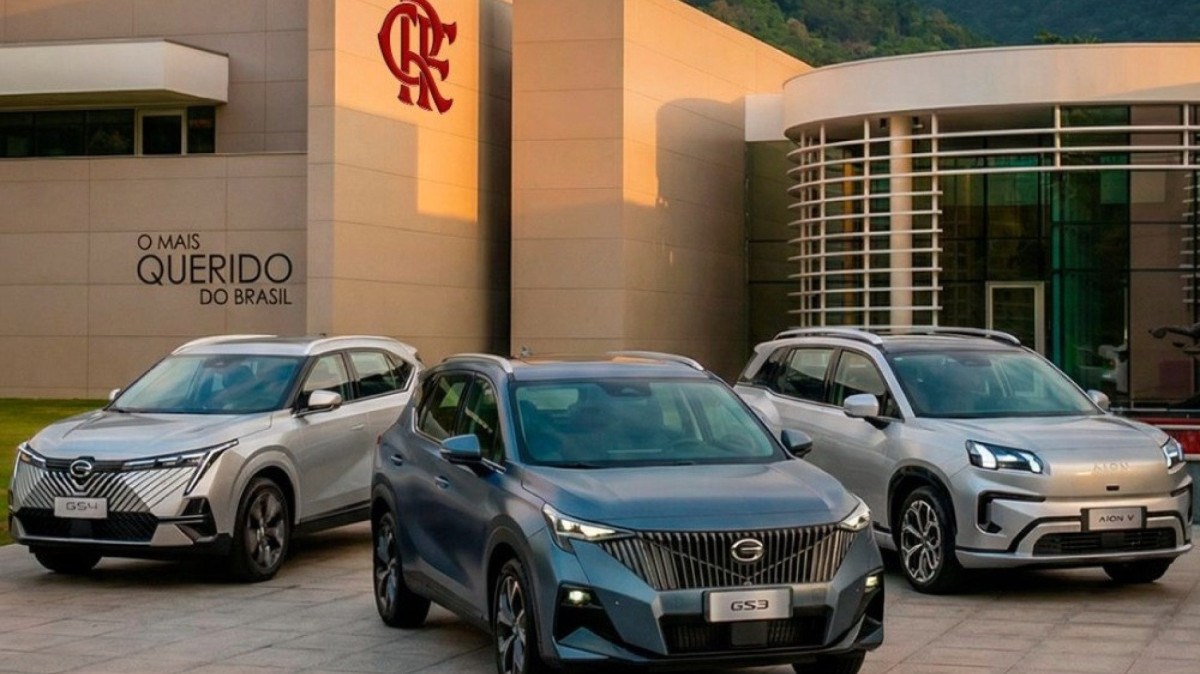
After launching the new GS3 with a 1.5 turbo engine producing 170 hp, GAC partners with Flamengo, enters the field with the largest fan base in Brazil, and accelerates an ambitious offensive to gain scale and confidence in the national market.
-
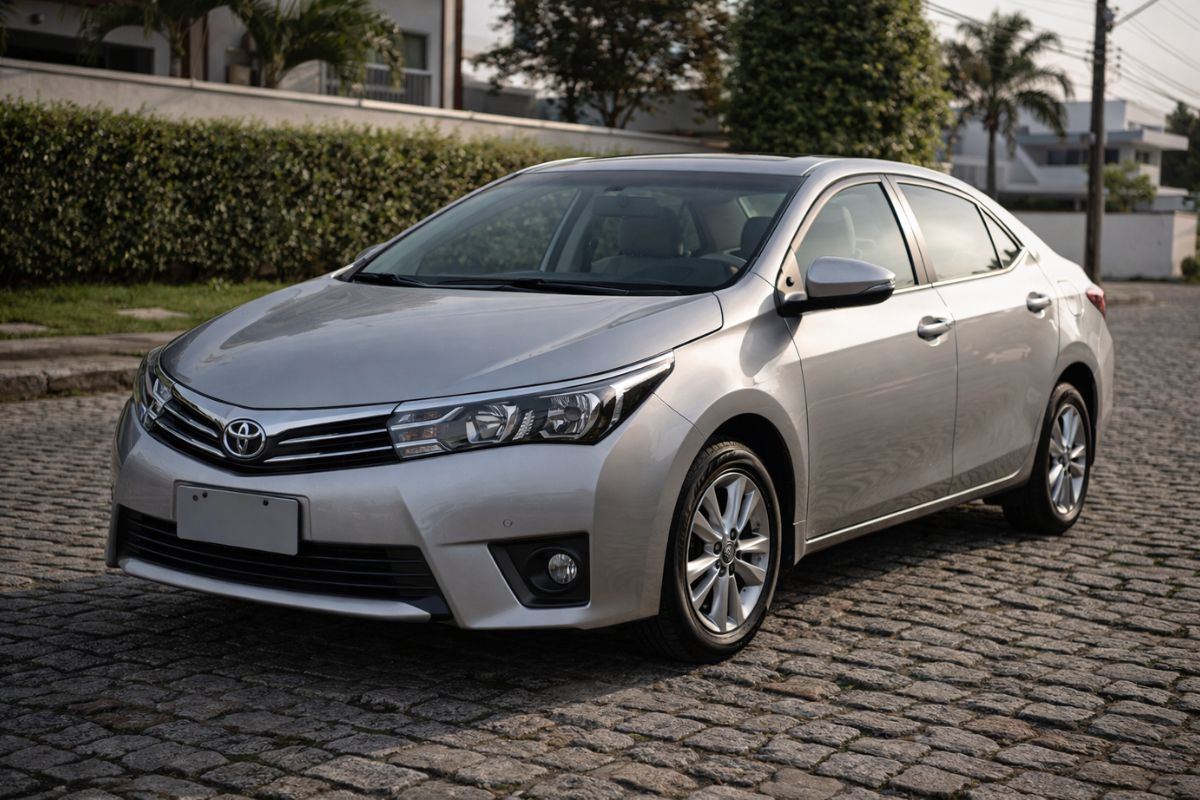
The Corolla from 2015 to 2019 depreciates so little that a 10-year-old model is still worth over 76 thousand reais, and owners treat this sedan as a safe investment thanks to its reputation for durability that no competitor has been able to match.
-
Is it worth considering a financed 2025 HB20 Comfort? A simulation with R$ 50,000 in the bank shows installments ranging from R$ 5,687 to R$ 2,365.

-
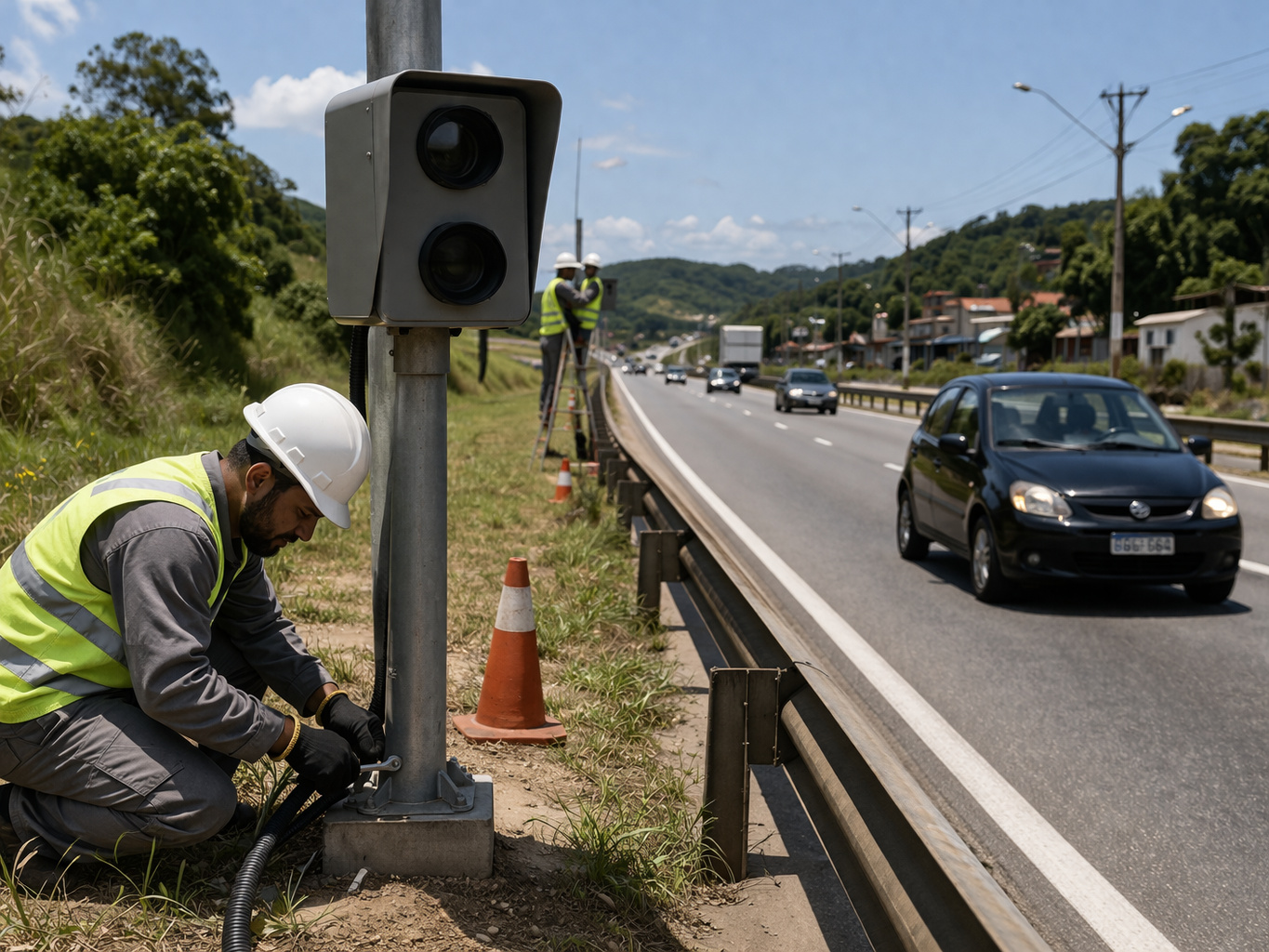
Road surveillance in Rio de Janeiro enters a new phase with the installation of more than 140 speed cameras on highways RJ-106 and RJ-104, and DER-RJ expands speed control in high-traffic areas.

Simple and Robust Engineering of the Fire 1.0 Engine Explains Why It Runs Hundreds of Thousands of Kilometers Without Major Failures
The Fire 1.0 engine, developed by Fiat, follows an engineering concept focused on mechanical simplicity and operational reliability. It is a four-cylinder inline engine, with a simple overhead cam and construction aimed at reducing complexity and costs.
This type of architecture has fewer components subject to complex failures, which significantly reduces the risk of serious problems over time. Additionally, the engine was designed to operate with various fuels, including gasoline and ethanol, which is essential for the Brazilian market.
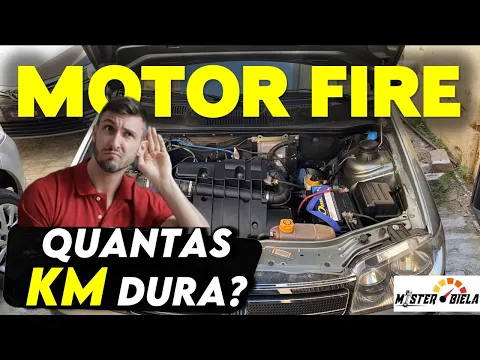

Another important point is the internal sizing of the set, which prioritizes strength over extreme performance. With power ranging from about 65 hp to 75 hp in the latest versions, the Fire 1.0 does not operate at structural limits, which directly contributes to its longevity.
This combination — low mechanical demand, simple construction, and operational tolerance — is one of the factors that allow the engine to achieve high mileage without the need for complex interventions.
Cheap Maintenance and Wide Availability of Parts Help Keep the Fiat Uno as a Reference for Low Cost in Brazil
One of the main differentiators of the Uno with the Fire engine is the reduced maintenance cost. Being a project widely disseminated over decades, there is a large supply of parts in the market, both original and aftermarket.
Wear items, such as belts, spark plugs, filters, and suspension components, are easily found and have affordable prices. This reduces the cost of periodic revisions and facilitates maintenance even outside major urban centers.
Moreover, the mechanical simplicity of the model allows a large number of independent workshops to carry out repairs without the need for advanced equipment. This further increases the accessibility of the vehicle.
This set of factors makes the Uno frequently cited in ownership cost surveys as one of the cheapest cars to maintain in the country, especially when compared to more modern models with greater electronic load.
Fiat Uno Remains Valued in the Used Market Thanks to the Combination of Durability and Liquidity
Even with the advancement of new models in the market, the Uno continues to be one of the cars with the greatest ease of resale in Brazil. The high demand is directly linked to the reputation built over the years.
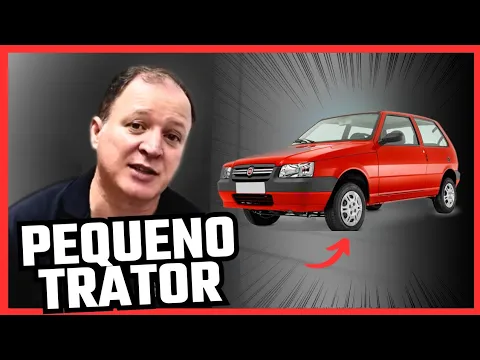
Models with the Fire engine are frequently sought after by app drivers, small entrepreneurs, and consumers looking for a reliable vehicle for daily use without high costs.
Liquidity is reinforced by the consolidated perception that the car offers low mechanical risk. In a market where maintenance costs can directly impact the budget, this predictability becomes a decisive factor.
Additionally, the history of large-scale production contributes to maintaining stable prices in the used market, avoiding sharp depreciation compared to other vehicles in the same range.
Urban Use, Road, and Even Severe Conditions Show the Versatility of the Mechanical Set Over Time
The Fiat Uno with the Fire engine has been widely used in different scenarios, from intense urban commuting to use in rural areas and dirt roads. This versatility has helped consolidate its image as a resilient vehicle.
In urban centers, the car stands out for its fuel economy and ease of maintenance. In regions with limited infrastructure, the robustness of the suspension and mechanical simplicity allow the vehicle to continue operating even in adverse conditions.
This history of diverse use reinforces the model’s reputation as a practical solution for different driver profiles, especially those who prioritize reliability over embedded technology.
Mechanical Simplicity of the Fiat Uno Contrasts with More Complex and Expensive Modern Cars to Maintain
With the advancement of the automotive industry, many vehicles have started to incorporate more sophisticated electronic systems, turbo engines, and technologies aimed at efficiency and performance.
Although these advancements bring benefits in terms of consumption and emissions, they also increase the complexity of the systems and, consequently, the maintenance cost.

In this scenario, the Uno with the Fire engine positions itself as a simpler and more predictable alternative. The absence of complex systems reduces the likelihood of electronic failures and makes repairs more accessible.
This contrast helps explain why, even after being discontinued, the model continues to be valued by consumers who prioritize reliability and low cost.
Fiat Uno with Fire 1.0 Engine Consolidates as a Symbol of Resistance and Economy in the Brazilian Market
Over more than two decades, the combination of the Fiat Uno and the Fire 1.0 engine has built a reputation based on durability, simplicity, and low cost.
The ability to run hundreds of thousands of kilometers with basic maintenance, combined with the wide availability of parts and ease of resale, has transformed the model into a reference in the entry segment.
Even with changes in the automotive market and the arrival of more advanced technologies, the Uno remains an example of how simple and well-executed engineering can yield consistent results over time.
This legacy explains why the model is still widely sought after in the used market and continues to be remembered as one of the most resilient and economical cars ever produced in Brazil.









Seja o primeiro a reagir!