





 English
  Francês
  Alemão
  Italiano
  Japonês
  Norueguês
  Portuguese
  Spanish
  4 min of reading
  0 comments


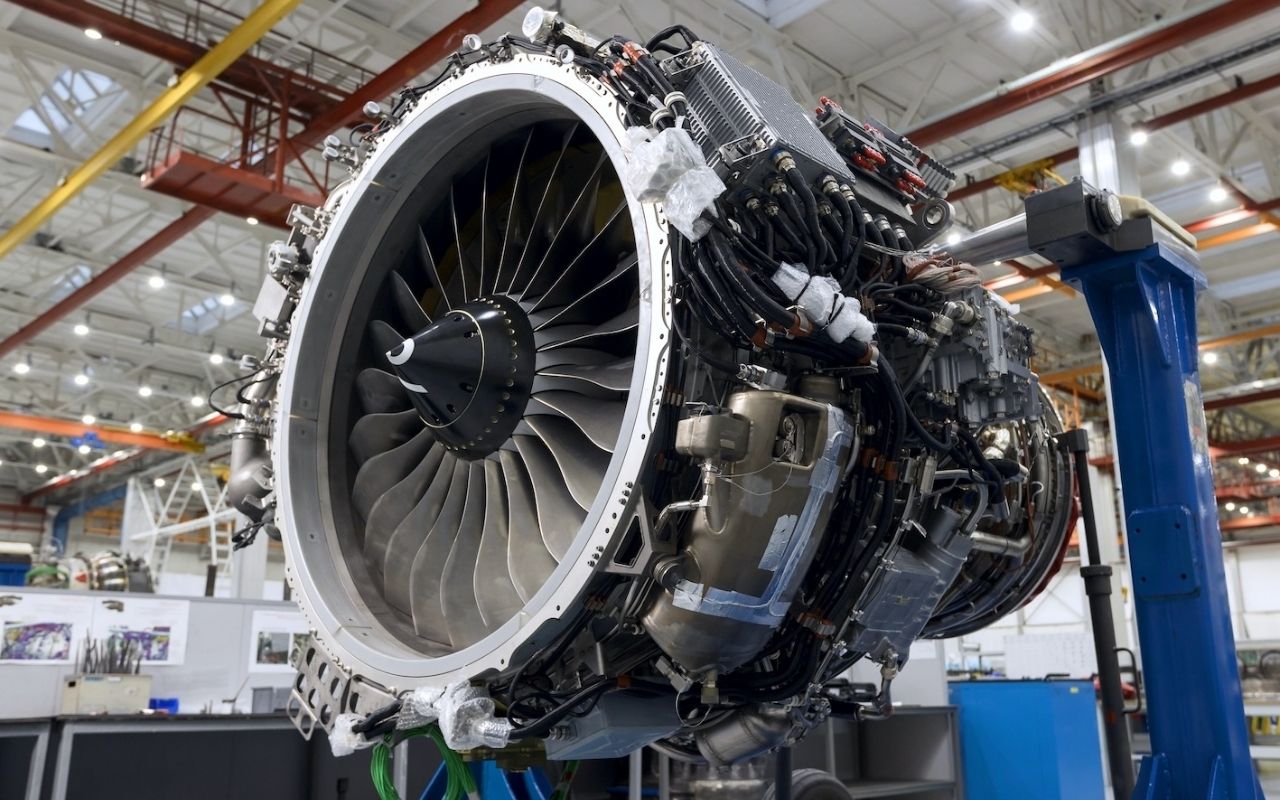
PD-8 Engine Achieves Certification of Electronic Regulators and Protection Units, A Key Step to Start Series Production and Equip New Russian Aircraft.
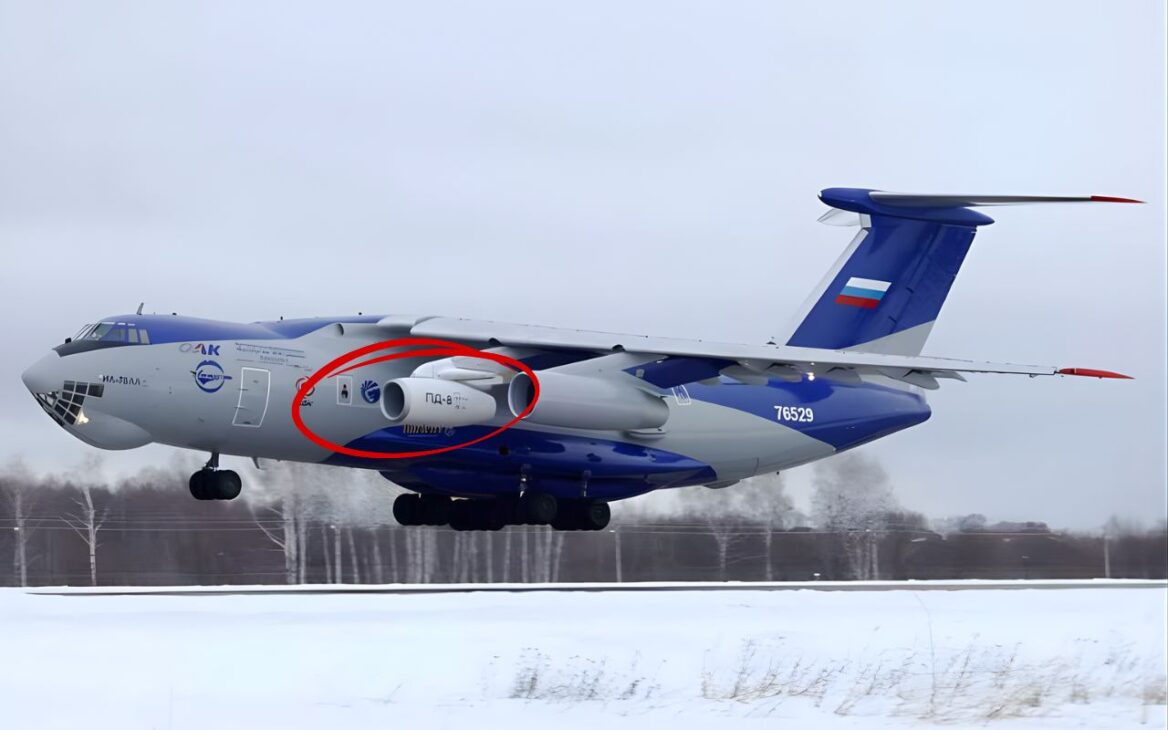
The PD-8 engine, developed to equip new generation Russian aircraft, has taken an important step towards series production following the certification of essential electronic components for its operation.
The approval was granted by the Russian civil aviation authority, which validated the engine’s electronic regulators and protection units.
The process occurred after a series of rigorous technical tests conducted to ensure performance and safety under various flight conditions.
-
Brazil presents the first national F-39 Gripen fighter and redefines air defense with technological advancement, job creation, and strengthening of the defense industry on the global stage.
-
The construction of the Polar Ship Almirante Saldanha is progressing ahead of schedule and strengthens Brazil’s presence in Antarctica; the vessel will be 93 meters long, have a two-month autonomy, and technology to face ice.

-
The United States Army has an armored vehicle that reaches speeds of up to 100 km/h, capable of operating normally on different types of terrain and also on asphalt without causing damage; equipped with a 350 hp engine, it can transport up to 9 soldiers — meet the Stryker.

-
Gepard 1A2: the armored vehicle that fires 1,100 rounds per minute and became a shield against drones in Brazil.

The certification confirms that the electronic systems responsible for controlling the PD-8 engine meet the required specifications for use in commercial aircraft.
These components were developed by ODK-STAR, responsible for the engineering of the automatic system that manages the engine’s operation.
With this, the project advances to the next stage of the industrial program: preparation for series production and integration into aircraft that are set to enter service in the coming years.
Electronic Components of the PD-8 Engine Undergo Rigorous Testing
Before receiving official approval, the equipment underwent intensive technical testing.
During these evaluations, the systems were subjected to extreme conditions, including simulations of atmospheric discharges similar to lightning striking aircraft in flight.
The tests replicated intense electromagnetic fields, classified at the most rigorous level of the certification category.
Even under these severe conditions, the components maintained full functionality, demonstrating resilience and reliability.
This performance was considered crucial for the approval of the electronic set of the PD-8 engine, as aircraft must operate safely in varied climatic scenarios.
Automatic System Controls All Phases of Flight
The electronic heart of the PD-8 engine is the automatic control system known as SAU-8. It integrates different units responsible for monitoring and adjusting the engine’s performance during all stages of flight operation.
Among the main elements is the electronic regulator RED-8. This component receives data sent by sensors installed on the engine and uses this information to control the operating modes, such as takeoff, cruise, and landing.
In addition, the system also acts as a protection mechanism.
It prevents, for example:
- excess rotation of the low-pressure turbine
- risk of compressor stall
- overheating during engine start
These functions are essential to ensure stability and safety throughout the flight.
Protection Unit Reinforces Safety of the PD-8 Engine
Another core component of the system is the BZD-8 unit, responsible for protecting critical parts of the engine.
It acts directly on the high-pressure compressor and the fan rotors, preventing these structures from operating at speeds above the safe limit.
This protection mechanism is important because jet engines operate at extremely high rotations.
Any variation outside the standard can compromise the integrity of the equipment.
With the BZD-8 integrated into the electronic system, the PD-8 engine gains an additional level of monitoring and operational safety.
Integration with the Aircraft and Communication with the Cockpit
The electronic systems of the PD-8 engine were designed to communicate directly with the aircraft’s systems.
The integration occurs through certified data channels that connect the engine to the cockpit.
This means that information about performance, operation, and potential alerts is transmitted in real-time to pilots and the aircraft’s control systems.
Furthermore, the software that controls these functions was entirely developed in Russia.
According to the engineers responsible for the project, this approach allowed the system to be customized to the specific characteristics of the aircraft under development.
During testing, the system was also integrated into the testing bench known as the “Electronic Bird,” used to simulate the aircraft’s behavior and validate systems before real flights.
Complete Structure of the PD-8 Engine System
The electronic set of the PD-8 engine includes several modules responsible for different functions within the engine.
Among the main components are:
- electronic regulator RED-8
- protection unit BZD-8
- data storage module
- fuel dosing unit
- engine mechanization module
- fuel pump and valve diversion assembly
According to the project’s developers, all these elements utilize components and materials produced in Russia.
This factor is strategic as it reduces dependency on foreign suppliers and strengthens the national aerospace industry.
Next Step: Industrial Inspection and Start of Production
Following the technical certification of the electronic systems, the PD-8 engine program now enters a new phase.
The Russian aviation authority will conduct inspections of the production facilities of the company responsible for the electronic components.
The goal is to verify whether the industrial processes meet the necessary standards for large-scale manufacturing.
Only after this evaluation will the production of the engine be officially authorized.
PD-8 Engine to Equip New Russian Aircraft
When production begins, the PD-8 engine is expected to be used in different Russian aircraft. Among the anticipated models are the regional jet SJ-100 and the amphibious aircraft Beriev Be-200.
These aircraft are part of strategic programs of the Russian aerospace industry and directly depend on the availability of the new engine.
With the certification of the electronic systems, the PD-8 engine is nearing an important milestone: becoming one of the main jet engines produced in Russia for the next generation of civil aircraft.
Source: Poder Aéreo









Seja o primeiro a reagir!