





 Português
  Inglês
  Espanhol
  4 min de leitura
  0 comentários


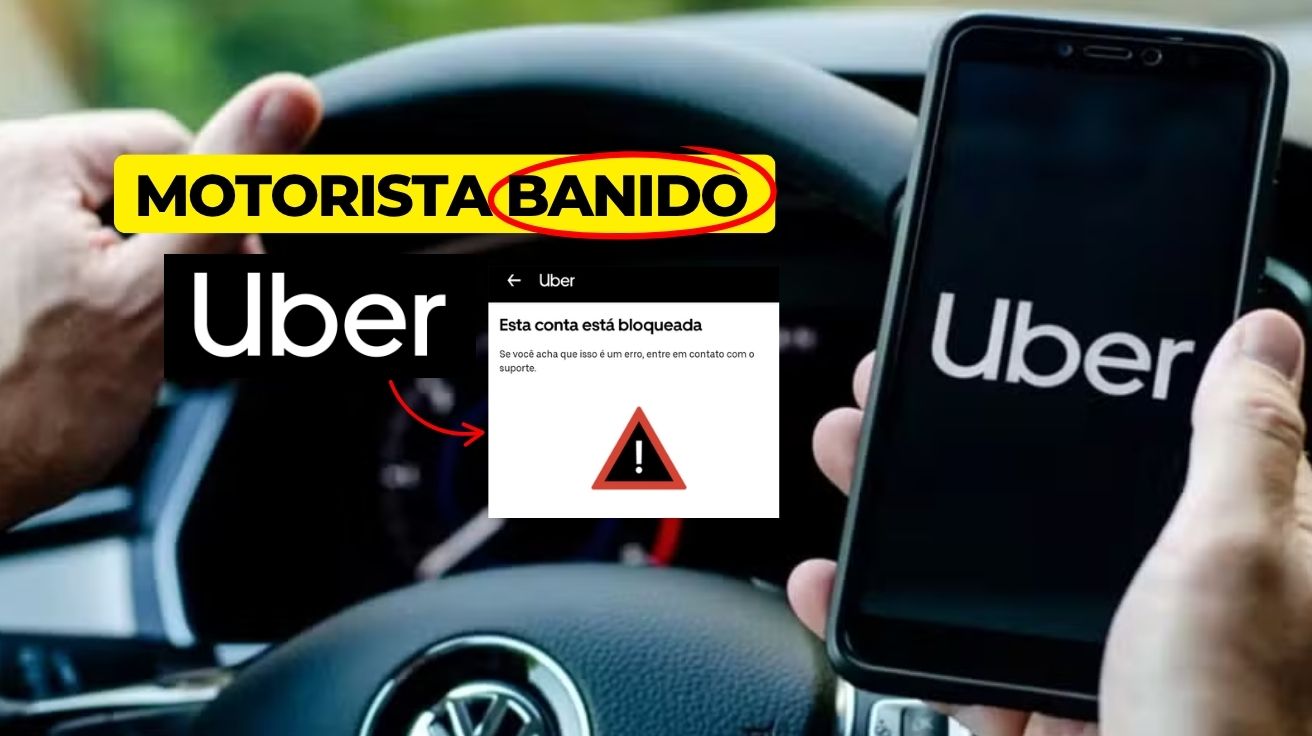
Reports of Mass Suspensions Raise Questions About Safety and Internal Rules at Uber, Which Reinforces Its Verification and Conduct Control Systems.
Uber’s partner drivers and delivery people are being banned en masse in Brazil.
Several factors have led to immediate suspensions of profiles within the platform, according to official alerts from the company.
The activity has increased amid reported inconsistencies in documentation, risky behaviors, and poor performance.
-
Brazilian city gains industrial hub for 85 companies that is equivalent to 55 football fields.

-
Peugeot and Citroën factory in Argentina cuts production by half and opens a layoff program for more than 2,000 employees after Brazil drastically reduced purchases of Argentine vehicles.

-
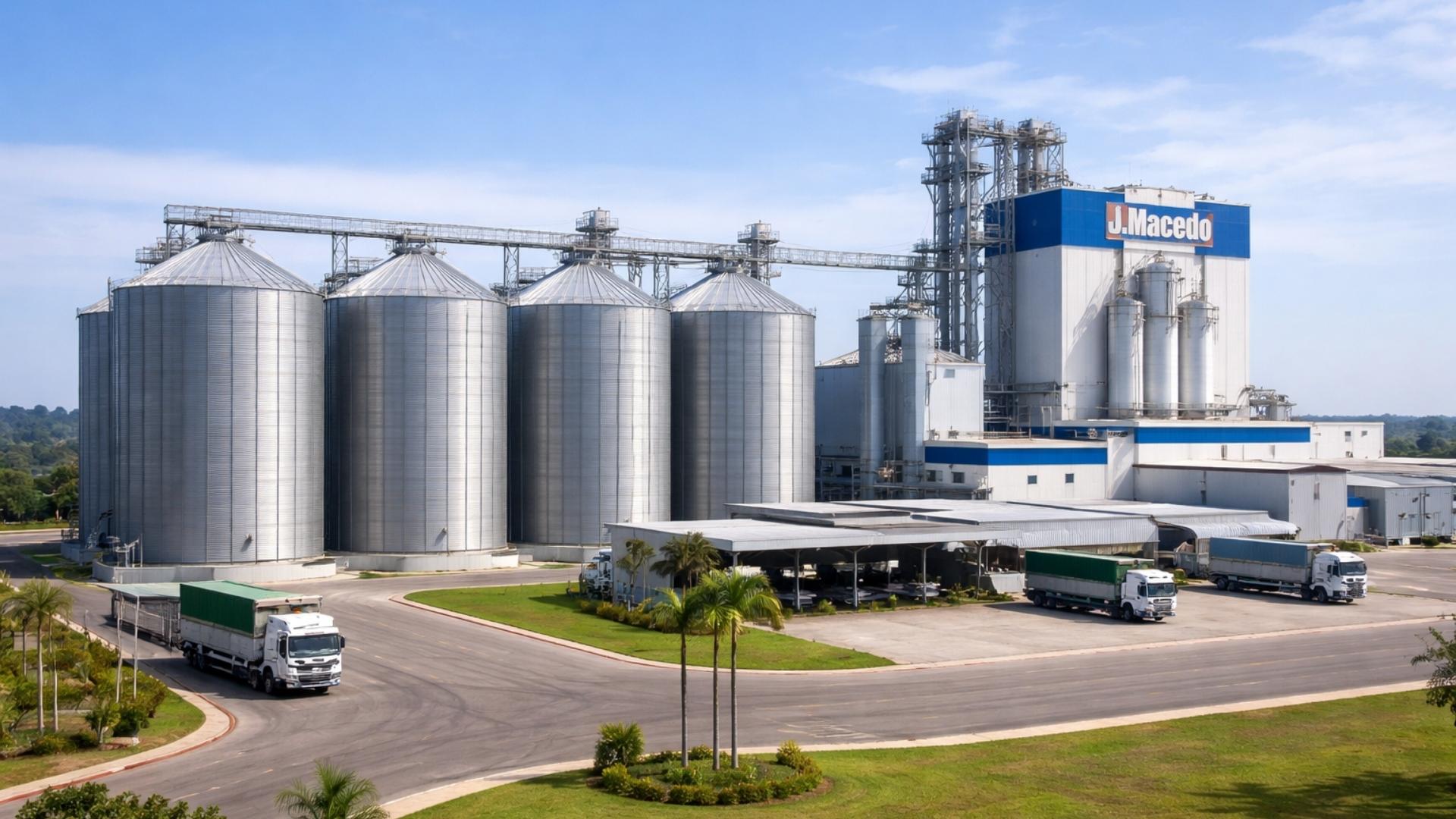
A Brazilian city gains a factory worth R$ 300 million with the capacity to process 200 thousand tons of wheat per year, a mill of 660 tons/day, silos for 42 thousand tons, and an industrial area of 276 thousand m².
-
Havan will leave the shopping mall in Blumenau to inaugurate something that the chain has never done before: a megastore in half-timbered style in the Historic Center of the city, which is expected to be completed in May and change the landscape of local retail.


Understand the main reasons behind these punishments and the impacts of this measure below.
Expired Documentation and Irregularities
Uber immediately suspends profiles that present expired or irregular documentation.
This includes the National Driver’s License (CNH), Vehicle Registration Certificate and Licensing (CRLV), or criminal background check.
The system operates with the expectation that these will be updated before the expiration date.
If not, there is a suspension until regularization.
An expired document is considered a risk to the service and causes immediate account suspension, without prior notice.
The platform warns that even a simple failure, such as a lack of up-to-date verification, can prevent access to the app.
Biometrics and Identity Verification Failures
Another criterion that results in bans is failure in real-time biometrics (Real-Time ID Check).
When logging in, the partner receives a photo request.
If the face does not match the registered profile, or if there is an indication of use by another person, access is blocked immediately.
This procedure was implemented to prevent fraud, unauthorized access attempts, or account sharing.
According to Uber, the technology aims to protect the integrity of the service and everyone involved.
Unsafe or Unacceptable Behavior
Uber monitors the behavior of drivers through technology and direct reports.
Among the main triggers for immediate suspension are:
- Reckless driving, with sudden accelerations, hard braking, or excessive speed.
- Use of alcohol or drugs, with any indication resulting in a ban.
- Harassment, discrimination, or offensive content, with formal reports or telemetry complaints.
- Passenger reports trigger an investigation by Uber.
The automated detection system evaluates telemetry parameters. A rate above acceptable limits results in immediate blocking.
Fraud and Data Manipulation
The manipulation of the system is another villain for the account.
Creating fake accounts, sharing profiles, simulating rides, and using fake documents are considered serious violations.
These actions involve similarities to financial fraud, scams, or data laundering.
As soon as detected, they result in immediate suspension, without notice.
Low Performance and Negative Assessment
Even without direct infractions, drivers can face bans due to low operational performance.
Among the main reasons are:
- Average rating below 4.6 in evaluations.
- High cancellation rate, with frequent ride dropouts.
- Few active rides, with prolonged inactivity leading to temporary blocking for re-registration.
These indicators are monitored in real-time.
When they reach risk levels, the algorithm signals suspension until the partner resumes minimum standards.
Safety Measures or Unjust Exclusion?
According to the company, such measures aim to ensure safety, trust, and quality in the service, protecting passengers and drivers.
The intention is to avoid situations that put users at risk or undermine the platform’s reliability.
Drivers report sudden and unannounced blocks, causing severe impacts on income.
This has sparked debates about procedural justice and transparency in the process.
Pressure for More Transparency
The pressure for clearer processes is increasing among Uber’s partners.
They request:
- Prior warnings before suspension.
- Reasonable deadlines to regularize documents.
- Efficient appeal channels.
- Detailed communication, including justifications for exclusions.
Without this, the driver community feels vulnerable and without access to due process.
Comparison with Other Mobility Platforms
Apps like 99 and iFood adopt similar rules, but differ in the approach to reactivation.
At 99, for example, there are notifications and deadlines before suspension.
In iFood, drivers receive online instructions for re-registration.
These solutions mitigate immediate income impact.
Uber, however, reinforces the need for immediate suspension against serious risks.
Recent Numbers and Financial Impacts
Between January and May 2025, hundreds of Uber driver accounts were banned due to documentation.
Company data indicates a 45% increase in suspensions due to biometric verification failures.
Reports of harassment grew 30% in the same period.
The blocks primarily affect independent professionals whose main income depends on the platform.
Immediate suspensions lead to the cancellation of scheduled rides and compromise the ability to meet financial obligations.
What Is at Stake for Drivers and Passengers?
The dynamic of Uber massively banning drivers raises dilemmas between safety and livelihood.
The company defends strict processes, but the community demands more transparent and reasonable mechanisms.
Do you think the immediate account suspension policy is effective in protecting users or unfairly harms partners? How could Uber balance safety and fairness without compromising the protection of its drivers?








Seja o primeiro a reagir!