





 Português
  Inglês
  Espanhol
  5 min de leitura
  0 comentários


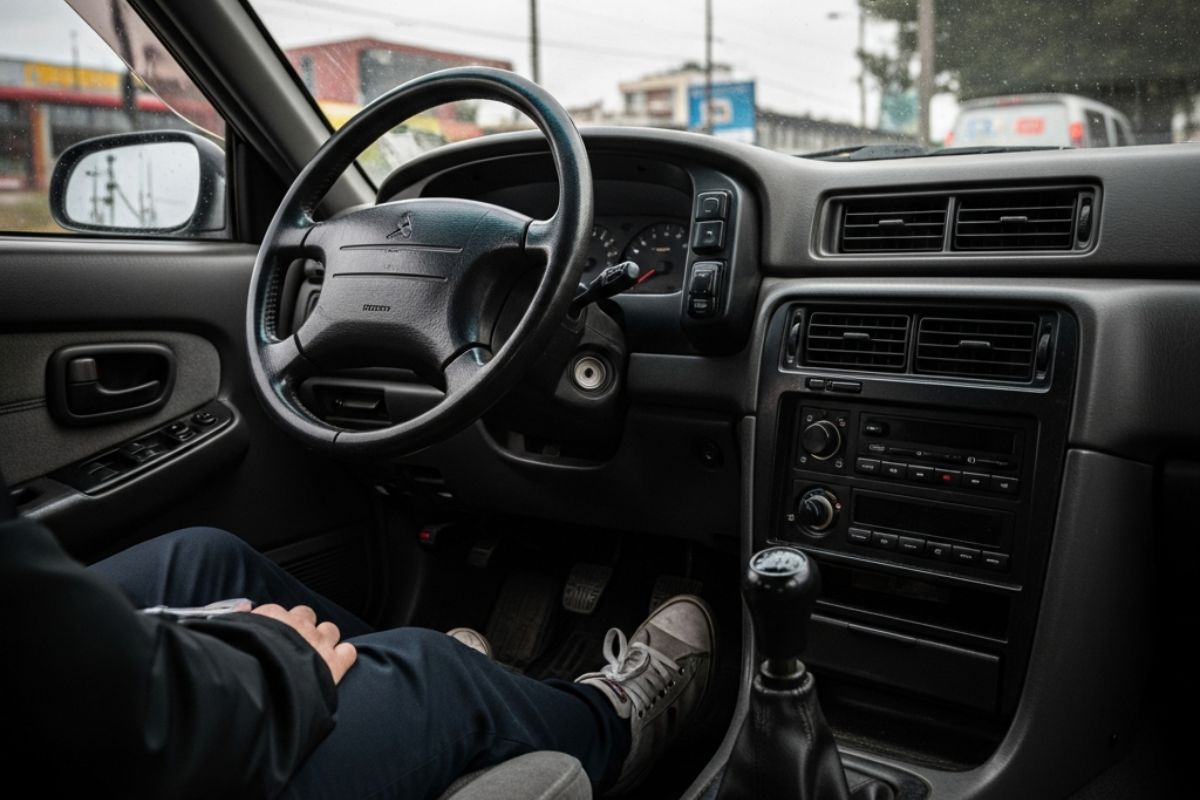
With Fuel Prices Rising in 2025, Experts Show That Small Changes at the Wheel Can Reduce Gasoline Expenses by Up to 20%, Cut Invisible Waste from Heavy Pedal Use, and Extend the Life of the Engine, Brakes, and Tires, Without Changing Cars or Investing in Expensive Technology, in Urban Traffic and on Brazilian Highways Today
In December 2025, after years of successive fuel price increases and tight family budgets, driving style has shifted from a technical detail to a central variable of gasoline expenses. Mechanics and defensive driving experts indicate that bad habits behind the wheel can raise consumption by up to a fifth, even in modern cars with electronic fuel injection.
At the same time, tests with compact cars that have tanks close to 38 liters show that correcting simple habits can increase fuel efficiency by dozens of kilometers per tank, without any mechanical changes. The difference between an aggressive driver and a careful one is reflected at the pump, in the wear of parts, and in monthly expense planning.
How Driving Style Affects Gasoline Expenses
The first critical point is the way to accelerate.
-
OMODA & JAECOO grows in Europe in 2026 with an integrated strategy of sales, innovation, local production, and technological advancement in the United Kingdom, Italy, and Spain.

-
OMODA & JAECOO expands after-sales service in Brazil with competitive maintenance, a 7-year warranty, and high availability of parts for technological SUVs.

-
OMODA & JAECOO appoints Alessandra Souza as executive marketing director in Brazil and accelerates brand expansion with a focus on innovation, networking, and hybrid portfolio.

-
Jaecoo 7 with super hybrid SHS system exceeds 1,200 km of combined range with a 1.5 turbo engine, high-density battery, and intelligent energy management.

Stretching gears beyond necessary causes the engine to rev at high RPMs, requiring more fuel injection to deliver power.
Under these conditions, the car responds quickly, but gasoline expenses increase silently with every kilometer.
In economical driving, the recommendation is to shift gears when the engine delivers good torque at lower RPMs, without “screaming.”
Smooth acceleration, with gentle increases in speed, reduces RPM spikes and stabilizes consumption.
Sudden starts at traffic lights, toll exits, or urban U-turns are among the biggest budget villains.
Another common mistake is driving for too long in the wrong gear. Operating in a high gear at low speed makes the engine “choke” and generates more internal effort to maintain revs.
The result is a cycle of vibration, discomfort, and waste that translates into higher gasoline expenses, without a real performance gain.
Neutral, Engine Braking, and the Myth of Coasting in Neutral
One of the most persistent myths among drivers is using neutral gear while coasting downhill as an economy strategy.
In modern cars with electronic fuel injection, the fuel cut-off system shuts off fuel supply when the vehicle is in gear, at a compatible speed, and without acceleration.
In practice, going downhill in gear, without pressing the accelerator, allows the engine to rev “for free,” driven by the wheels, with the injector closed.
In neutral, the engine is no longer dragged by the transmission and needs a continuous fuel supply just to stay running, which increases gasoline expenses on stretches that could be traveled with virtually no consumption.
Besides being inefficient, coasting in neutral eliminates the ability to use engine braking, overloads brakes, and increases risk in emergencies.
Anticipating traffic, lifting off the accelerator early, and letting the car decelerate safely reduce harsh braking, save brake pads, and help keep consumption under control.
Practical Example: What Changes in Fuel Efficiency with the Same Mechanics
In a practical scenario with a compact hatchback with a tank around 38 liters, the differences in driving style become clear.
In traditional city use, with stronger accelerations and little attention to RPMs, the consumption is close to 15.3 km per liter, ensuring a range of about 581 kilometers with a full tank.
On the highway, maintaining the same driving style, the average slightly increases to 15.7 km per liter, with an approximate range of 596 kilometers.
When the driver adopts a light, efficient driving style, with a more progressive foot and gear shifts at the right moment, the average can rise to 16.3 km per liter, increasing the range to 619 kilometers.
In moderate efficient driving, with greater focus on smoothness and constant speed, the average reaches 17.1 km per liter, representing a range of around 649 kilometers.
The difference between the worst and best scenarios, while keeping the same car and tank, approaches a 12 percent gain, directly alleviating gasoline expenses in daily use.
Tires, Weight, and Aerodynamics: The Invisible Villains of Fuel Consumption
Even with good techniques at the wheel, simple maintenance adjustments can lower or raise gasoline expenses.
Under-inflated tires increase the contact area with the ground, increase friction, and require more effort from the engine to maintain the same speed.
Checking tire pressure at least once a week, following the value indicated in the manual, is one of the interventions that yields the highest immediate financial return.
Excess weight is another underestimated factor.
Carrying too many tools, forgotten bags in the trunk, or unnecessary accessories turns the car into a permanently overloaded vehicle.
Each extra kilo forces the engine to work harder, multiplying over hundreds of kilometers and directly impacting gasoline expenses throughout the month.
Aerodynamics also plays a role.
In urban use, open windows may be acceptable at low speeds.
On highways, however, turbulence caused by open windows creates air resistance and makes the car consume more to combat the wind.
Above about 80 km per hour, it tends to be more efficient to drive with windows closed and the air conditioning on at a moderate setting.
Smooth Driving Pays Off and Protects the Entire Car
Changing behavior affects not only fuel consumption.
Defensive and smooth driving reduces the risk of accidents, protects suspension, brakes, and transmission components, and extends the interval between costlier maintenance.
Instead of only thinking about the pump, the driver begins to see the car as a system of integrated costs.
Last-minute braking and aggressive acceleration concentrate stress on the same points, causing uneven tire wear and prompting earlier component replacement.
When the driver gets accustomed to reading traffic, maintaining safe distances, and avoiding jolts, the sum of small savings on parts, services, and fuel becomes noticeable in monthly planning.
Monitoring the onboard computer, recording averages before and after applying a smoother driving style, is an objective way to verify gains.
In many cases, the first results appear right at the next refueling, and, if sustained for a few months, represent a consistent reduction in gasoline expenses without any investment in additional technology.
Driver as Manager of Their Own Gasoline Expenses
From a strictly financial standpoint, the driver is the only link in the system with the power to adjust gasoline expenses in the short term.
The pump reflects taxes, exchange rates, and the international scenario, but the way to drive, inflate tires, plan routes, and avoid unnecessary car use is directly under the driver’s control.
The most efficient approach does not rely on isolated tricks, but rather on a combination of attitudes: progressive acceleration, attention to RPMs, coasting in gear, properly inflated tires, eliminating excess weight, and adhering to preventive maintenance.
When these elements become part of the routine, any ordinary vehicle practically becomes a daily savings machine.
In your experience, what driving habit do you perceive as having the most impact on your gasoline expenses today, and what concrete change have you tried or intend to try to truly save on your next trips?










-

2 pessoas reagiram a isso.