





 Portuguese
  English
  Spanish
  6 min of reading
  0 comments


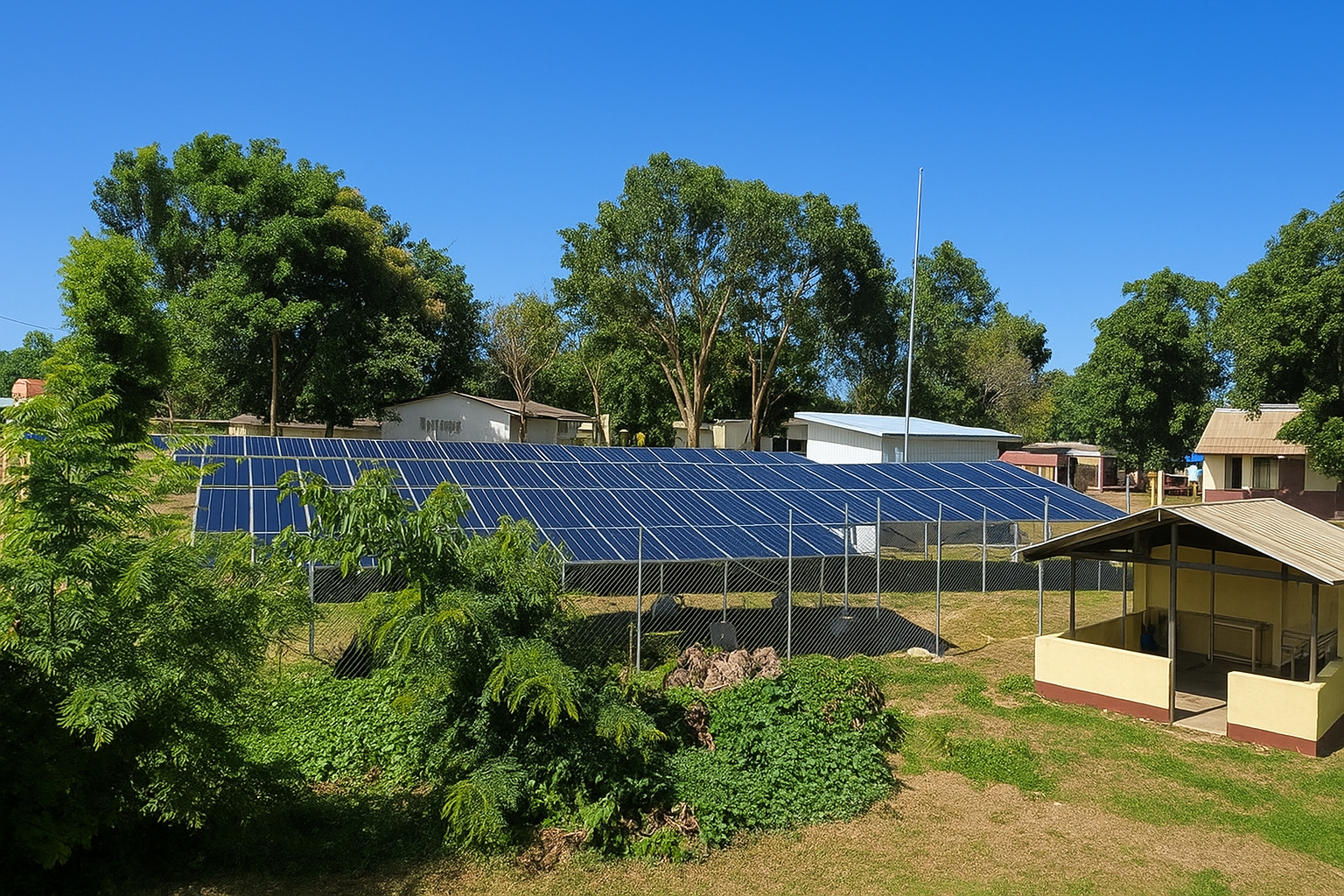
MSF Brings Solar Energy to RCA Hospitals, Ensuring Continuous and Sustainable Medical Care Even in Remote Areas.
In the Central African Republic (CAR), access to electricity has always been a major challenge. Therefore, it has profoundly affected the quality of life and essential services in the country. Among the most affected sectors is health. Hospitals and medical centers often face power outages that compromise treatments and put lives at risk.
For this reason, the MSF initiative brings solar energy to hospitals in various regions, offering a sustainable, efficient, and transformative solution.
Historically, the electrical infrastructure of the Central African Republic has suffered from years of conflict, political instability, and underfunding. Before the installation of solar systems, most medical units relied solely on diesel generators, which are costly and complex to maintain. Furthermore, in many rural areas, electricity simply did not reach, limiting basic services and hindering the proper functioning of essential medical equipment.
-
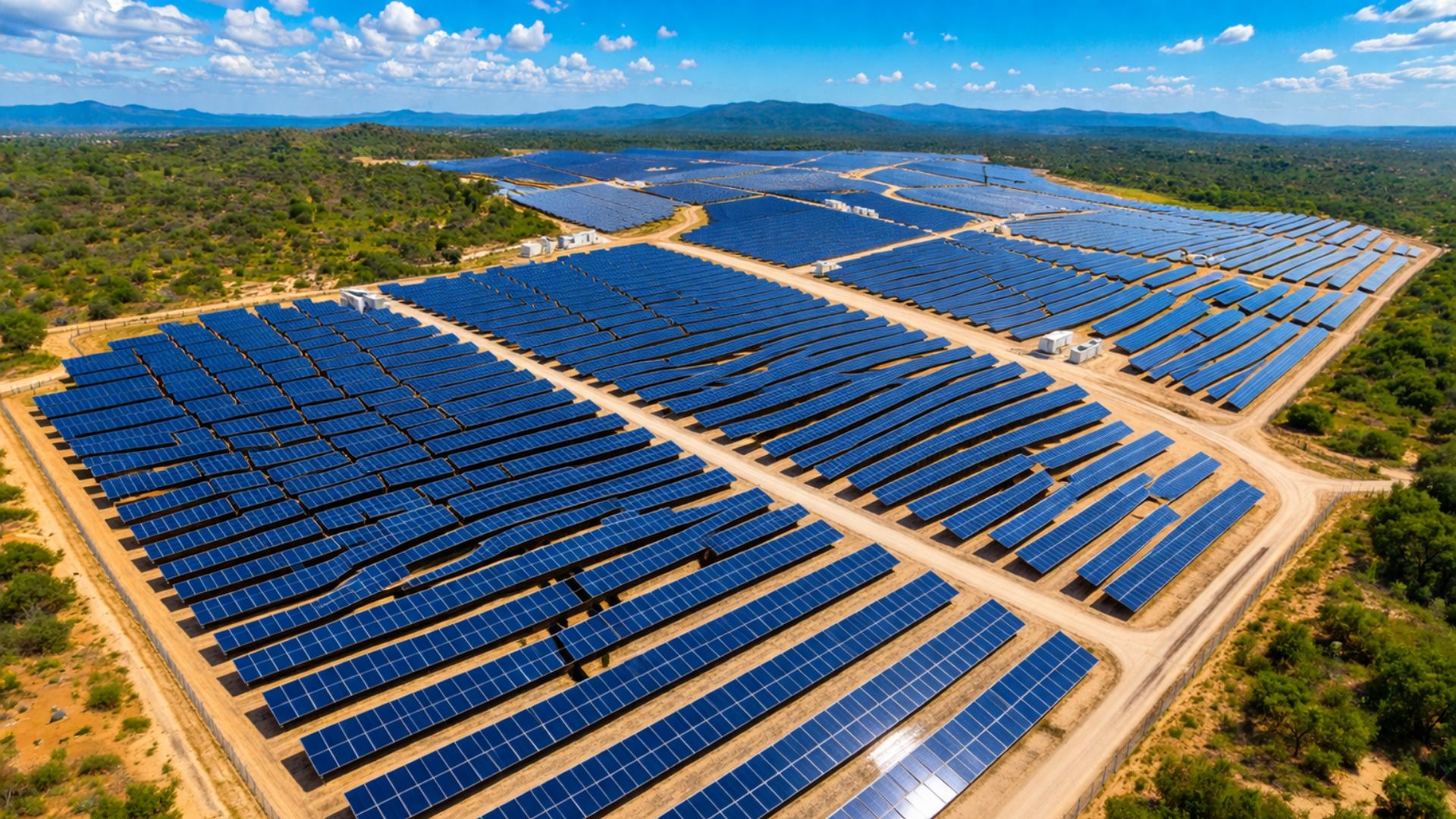
The Sol do Agreste Photovoltaic Complex begins operations in Pernambuco and accelerates the expansion of solar energy in Brazil, directly impacting the reduction of emissions and strengthening the sustainable energy matrix.
-
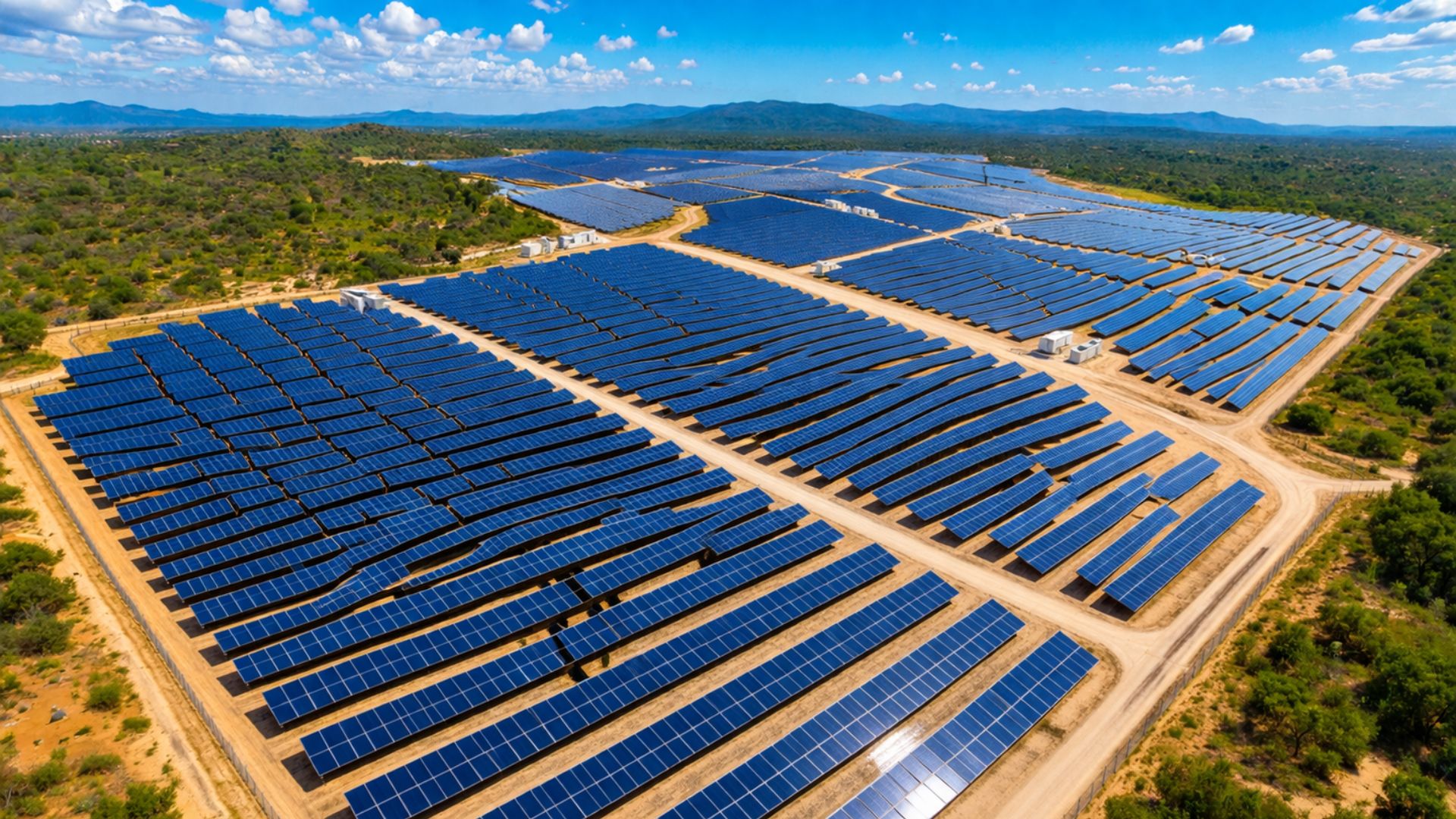
The Sol do Agreste Photovoltaic Complex begins operations in Pernambuco and accelerates the expansion of solar energy in Brazil, directly impacting the reduction of emissions and strengthening the sustainable energy matrix.
-
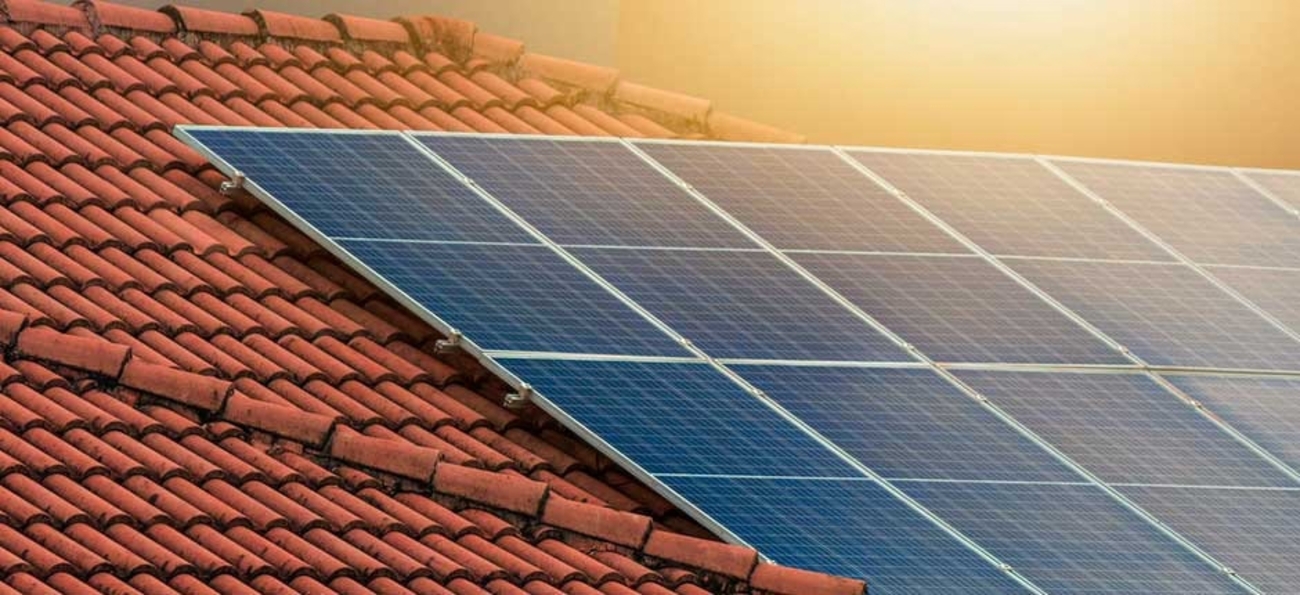
Roraima bets on the sun to escape high tariffs: Amid the energy crisis and price hikes, solar energy is growing in Roraima and transforming consumption in the North region.
-
Copel boosts solar energy in Paraná and brings innovation to public schools, promoting savings on electricity bills, energy efficiency, and a direct impact on the quality of education.
Only in Bangui, the capital, about 35% of the population had access to electricity, while in rural areas this number dropped to an alarming 0.4%, according to World Bank data. Therefore, this scenario highlighted the urgency for innovative solutions that ensure reliable energy for the health sector.
In addition to structural limitations, the Central African Republic faces economic and social challenges that reinforce the importance of accessible and stable energy. As a consequence, hospitals often lack sufficient financial resources to keep diesel generators running continuously, leading to interruptions in essential medical services.
For this reason, MSF brings solar energy as a way to tackle these difficulties, promoting not only technology but also social transformation and autonomy for health professionals operating under adverse conditions.
Solar Energy for Autonomy and Cost Reduction
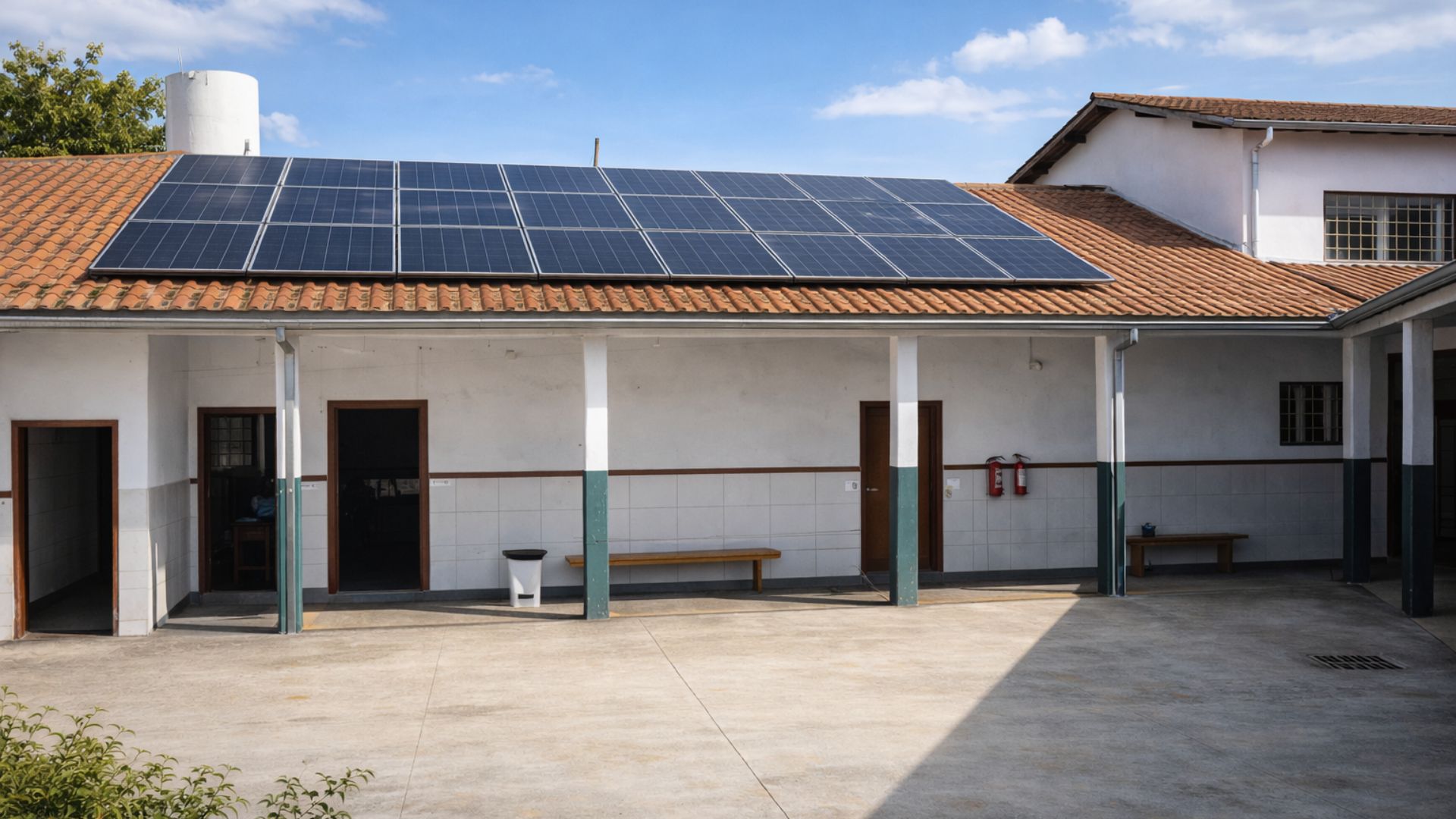
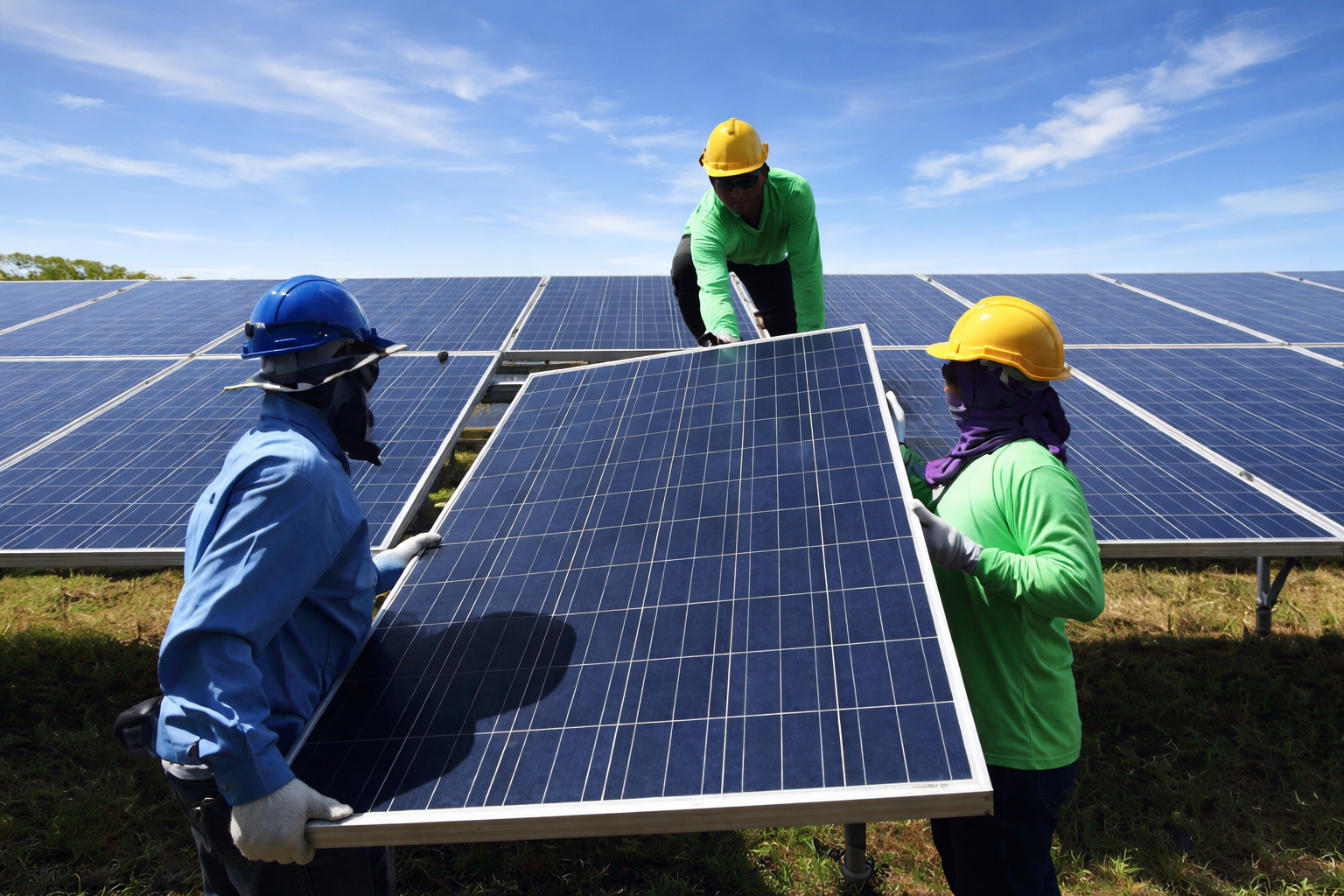
With the aim of bringing solar energy and reducing dependence on diesel, MSF began installing hybrid solar panel systems in hospitals and health centers. Thus, this action ensures energy autonomy and provides economic, logistical, and environmental benefits. Diesel, besides being polluting, is expensive and faces transportation difficulties in remote areas.
Therefore, by reducing the consumption of this fuel, hospitals are able to direct their financial resources toward medical care, improving patient care and strengthening the operation of health units.
At the Batangafo and Bossangoa hospitals, for example, the monthly diesel consumption, which previously reached over 3,000 and 5,500 liters respectively, dropped drastically after the implementation of hybrid systems. Consequently, the financial savings became significant, but the impact on the environment is also noteworthy: CO₂ emissions decreased considerably, contributing to sustainability and global carbon reduction goals.
Thus, MSF brings solar energy not only to solve immediate problems but also as part of a long-term environmental and humanitarian responsibility strategy.
Moreover, the installation of solar energy allows hospitals to better plan their medical services without relying on fluctuations in diesel prices or delays in delivery. This way, this energy predictability helps in hospital management, scheduling surgeries, and the continuous operation of emergency rooms, crucial factors for preserving life in a country marked by infrastructure challenges.
Continuity of Care and Patient Safety
Therefore, solar energy ensures continuity in medical care. Operating rooms, laboratories, refrigeration units, and emergency services now function stably, without interruptions.
In Bangassou, for example, solar panels cover nearly half of the energy needs of the regional hospital, and an ongoing expansion is expected to raise this coverage to 80%. Additionally, in Bangui, at the Community University Hospital Center (CHUC), a 120 kWh system powers the gynecology and internal medicine departments, ensuring continuous and reliable energy supply, essential for high-demand procedures and critical care.
MSF brings solar energy with a perspective of social transformation. Consequently, stable electricity allows health professionals to perform deliveries and surgical interventions at night, maintaining the quality of care. Vital equipment operates without interruptions, ensuring that patients receive care even in emergency situations.
Furthermore, the reliability of solar energy strengthens the maintenance of the cold chain for vaccines, protecting public health and enabling communities in remote areas to receive essential immunizations.
Moreover, solar energy improves the patient experience by providing bright and safe environments. Thus, constant lighting in waiting rooms, hallways, and hospital beds contributes to a sense of care and safety, reducing stress for patients and families, especially in emergencies or prolonged treatments.
Solar Energy and Humanitarian Innovation
Therefore, the adoption of solar energy in humanitarian contexts represents a significant advancement. Before the popularization of these technologies, regions affected by conflict or with limited electrical infrastructure faced constant difficulties in operating health services. In this sense, MSF, by bringing solar energy to hospitals, demonstrates that sustainable solutions can be applied practically, with a direct impact on people’s lives.
Thus, this approach combines technological innovation with social and environmental responsibility, creating a model that can be replicated in other countries in similar situations.
The human impact of the initiative is also profound. Patients perceive the difference in safety and quality of care, while health professionals work under more stable and reliable conditions. Consequently, the reduction of energy interruptions allows treatments and surgeries to occur within planned schedules, avoiding risks associated with failures in electricity supply.
Thus, solar energy transforms not only the technical operation of hospitals but also the experience of those who depend on these services daily.
Another relevant aspect is local technical training. Accordingly, MSF trains hospital teams to operate and maintain the solar systems, ensuring that technical knowledge remains within communities and strengthens local autonomy. This creates opportunities for skill development, specialized jobs, and greater energy independence for the country.
Economic and Environmental Benefits
From an economic standpoint, investment in solar energy allows for resource optimization. By reducing diesel consumption and generator maintenance costs, hospitals can redirect resources toward improving care, purchasing medications, and hiring specialized staff.
Thus, this financial reorientation strengthens the local health system and directly improves the lives of the communities served. Additionally, the decrease in CO₂ emissions contributes to addressing the climate crisis, aligning humanitarian actions with global sustainability goals.
MSF brings solar energy as part of a broader environmental responsibility strategy. The organization has set a goal to reduce its global carbon emissions by 50% by 2030, compared to 2019 levels. Therefore, the installation of hybrid solar systems in the Central African Republic fully aligns with this goal, demonstrating that it is possible to reconcile operational efficiency, social impact, and environmental preservation.
In addition, the presence of reliable solar energy encourages other sustainable development initiatives, such as refrigeration projects for food, community lighting, and even nighttime education in isolated regions. Therefore, solar energy becomes a catalyst for social progress, expanding its impact beyond the hospitals.
Resilience and Sustainable Future
The use of solar energy in hospitals strengthens the resilience of communities. Remote regions, historically isolated due to lack of infrastructure, now benefit from more reliable health services.
In this way, clean energy ensures that critical treatments occur without interruptions, that vaccines remain stored under proper conditions, and that medical emergencies receive attention at any hour of the day or night. Thus, this transformation reinforces the role of sustainable energy as an instrument of social and humanitarian development.
In summary, MSF brings solar energy to hospitals in the Central African Republic as a response to multiple challenges: ensuring energy autonomy, reducing costs and carbon emissions, strengthening the operation of health services, and transforming patient care.
Thus, the initiative highlights that the integration of sustainable and innovative solutions is essential to address historical problems of energy access and improve the quality of life for the most vulnerable communities. More than just technology, solar energy represents hope, efficiency, and ongoing care for human life.
The history of the Central African Republic shows that investing in solutions such as solar energy is essential to overcoming decades of difficulties in the health sector. MSF’s experience demonstrates that it is possible to unite humanitarian action, environmental responsibility, and technological innovation, creating a sustainable and replicable model.
Consequently, ensuring reliable energy for hospitals means providing health, safety, and dignity for millions of people who depend on essential medical care every day.










Seja o primeiro a reagir!