





 English
  Francês
  Alemão
  Italiano
  Japonês
  Norueguês
  Portuguese
  Spanish
 7 min of reading
  0 comments


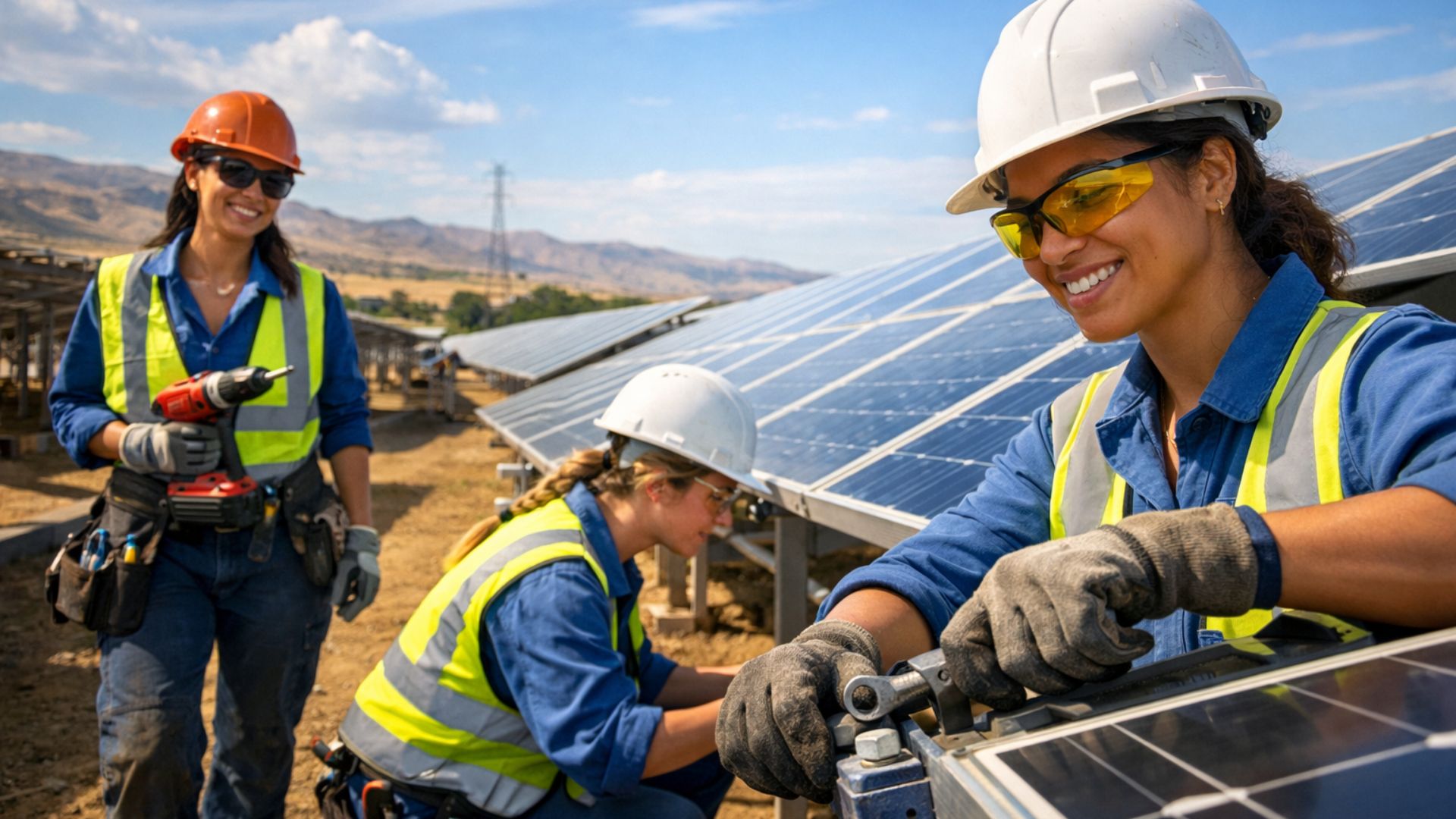
Women’s Participation Grows in Solar Plant Projects, Breaking the Historical Male Domination in the Solar Energy Sector, Creating Jobs and New Professional Opportunities.
The expansion of solar energy is creating new professional opportunities in different regions of Brazil and the world. At the same time that the energy transition accelerates, an important social movement begins to gain strength within the sector: more and more women are occupying technical and operational roles in solar plant projects, areas historically marked by male domination.
According to an article published by the website Um Só Planeta on March 8, this advancement is still occurring gradually, but it already reveals important changes in the energy job market. Companies and international organizations indicate that increasing female participation is essential to ensure a qualified workforce in a rapidly growing sector.
A recent example comes from the Vale do Jequitinhonha, in northern Minas Gerais. In rural communities in the region, women have started working on the construction of a solar energy plant, taking on technical roles at the construction site. The initiative marks a symbolic transformation in a sector that for decades maintained a strong male dominance.
-
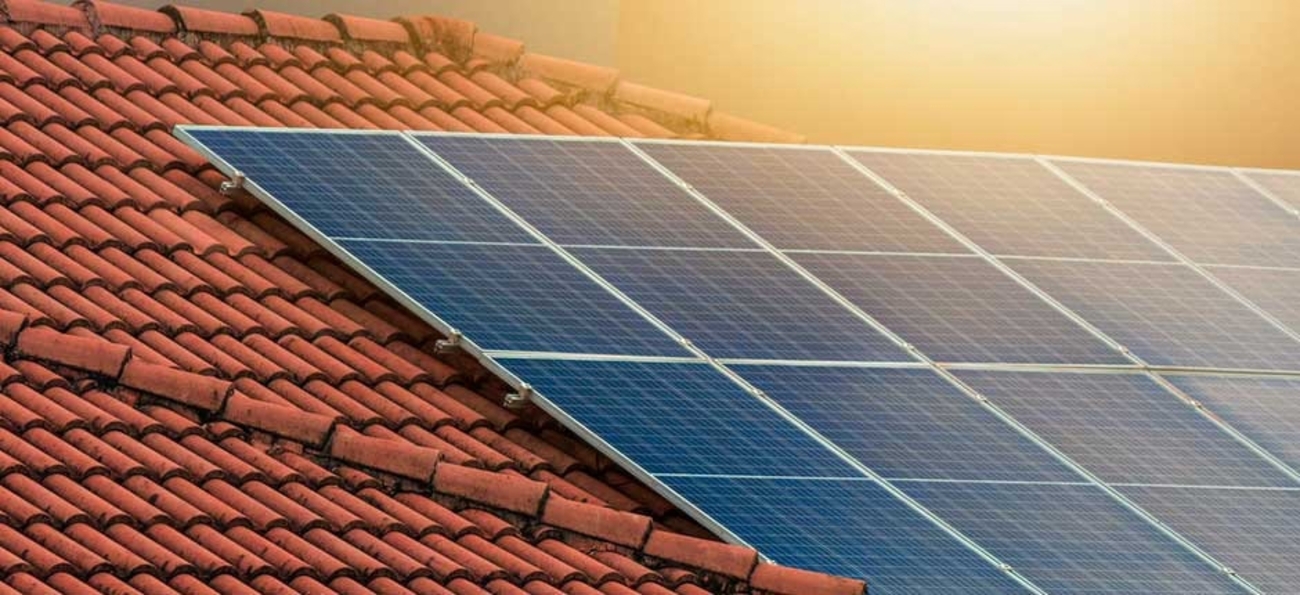
Roraima bets on the sun to escape high tariffs: Amid the energy crisis and price hikes, solar energy is growing in Roraima and transforming consumption in the North region.
-
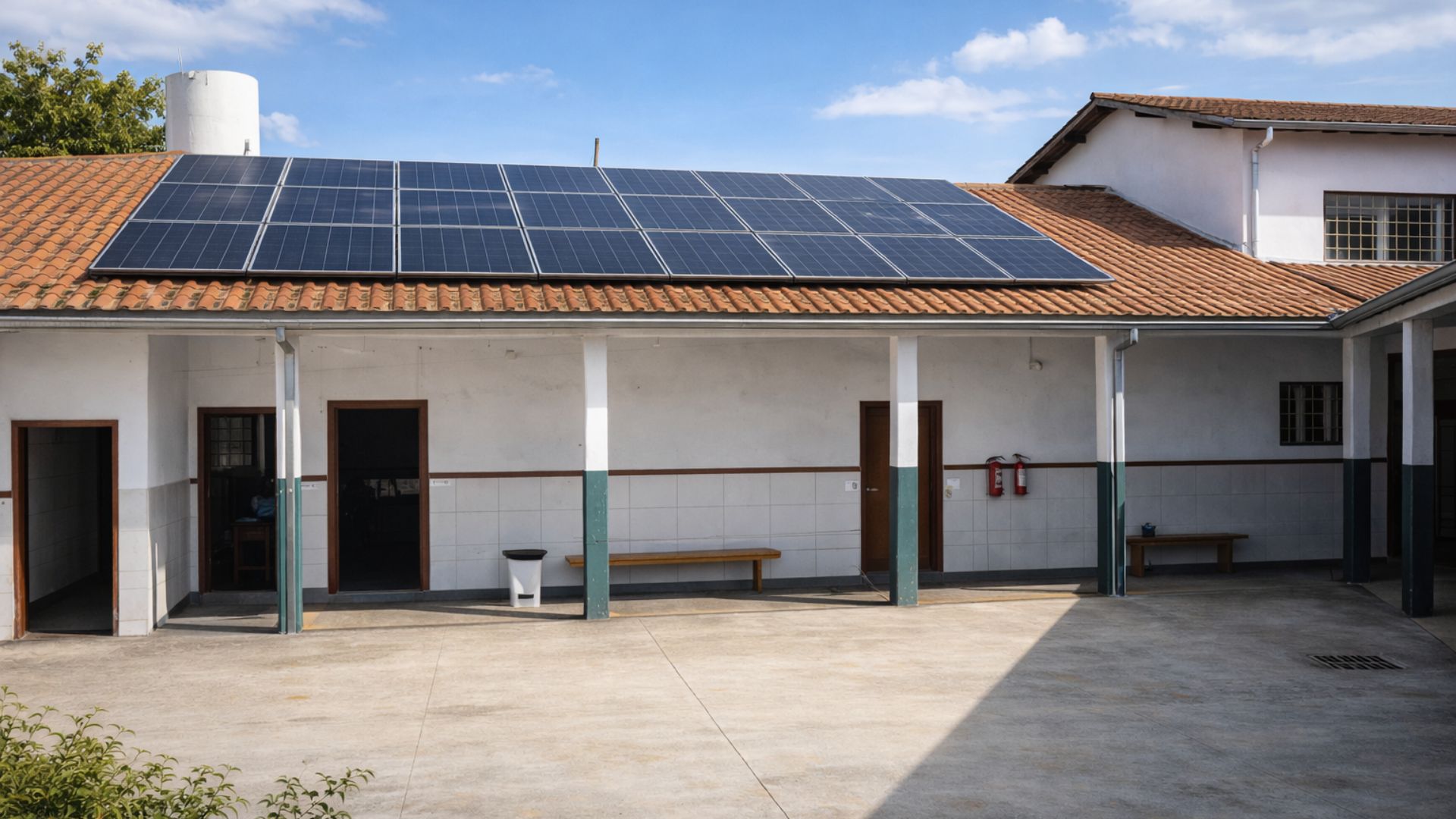
Copel boosts solar energy in Paraná and brings innovation to public schools, promoting savings on electricity bills, energy efficiency, and a direct impact on the quality of education.
-
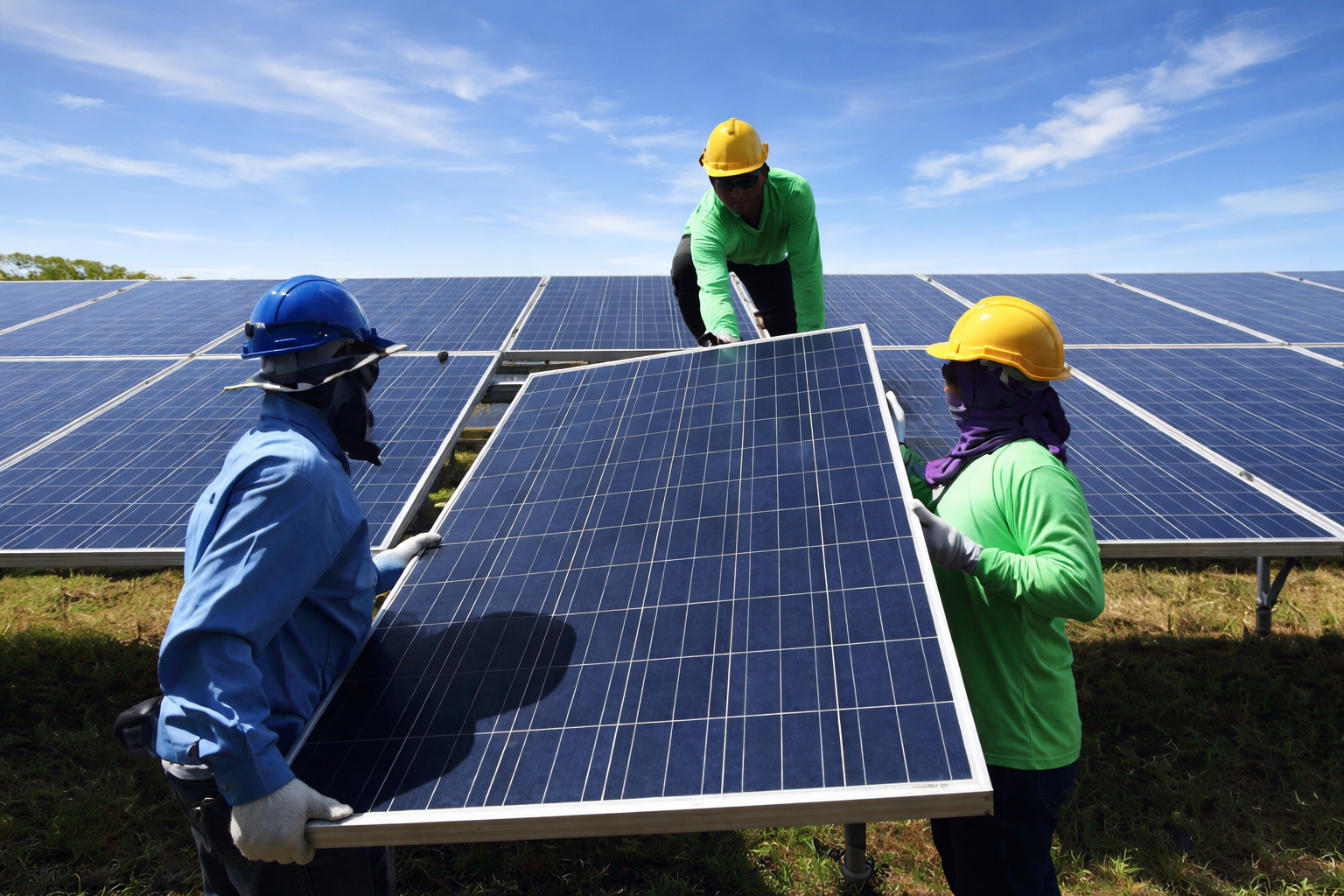
Brazil reaches historic milestone in solar energy: Sector surpasses 2 million accumulated green jobs and generates billions in the national economy even under market pressure.
-
Minas Gerais takes the lead in renewable energy: State surpasses historic mark of 14 GW in solar energy generation in MG and consolidates dominance in the Brazilian electric sector.
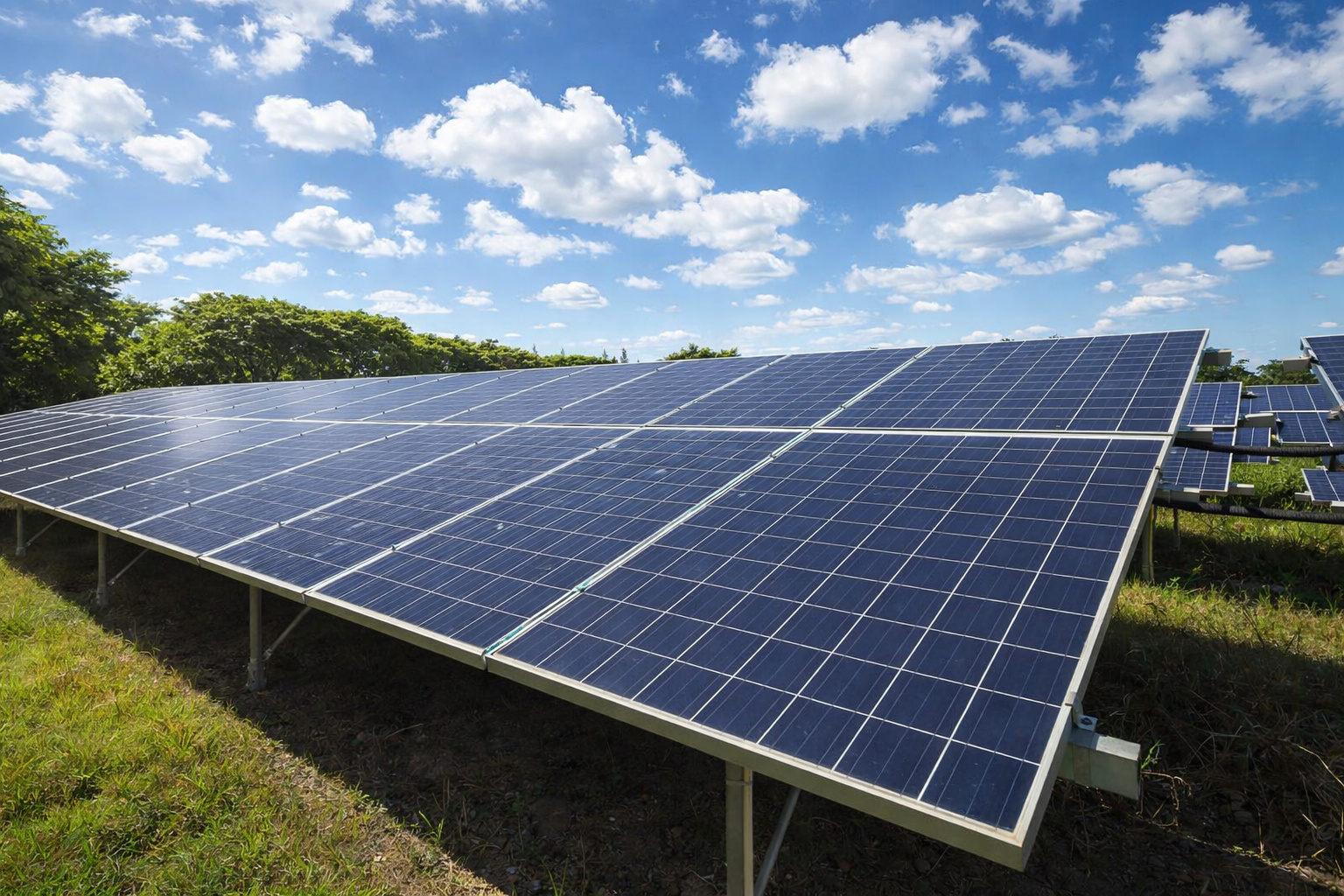
The project demonstrates how the expansion of solar plants can generate job opportunities, social inclusion, and regional development, as well as open new professional paths for women who have historically been excluded from these activities.
Global Expansion of Solar Energy Increases Demand for Workers
The growth of renewable sources is changing the global energy landscape. According to the International Renewable Energy Agency (IRENA), the number of global jobs in the sector has already surpassed 16 million workers.
A large part of these positions is related to the installation and operation of solar plants, one of the fastest-growing clean energy sources on the planet. The decline in the cost of photovoltaic technology and the increase in climate targets set by governments are driving new investments in solar energy.
Despite this accelerated growth, female participation is still limited. IRENA data indicates that women represent approximately 32% of jobs in the renewable energy sector worldwide.
When observing technical roles — such as construction, installation, and operation of solar plants — female participation is even lower. In these positions, women occupy approximately 22% of the roles.
In leadership positions, female presence is also reduced, with about 19% of roles occupied by women. These numbers show that male domination is still a strong characteristic within the global energy sector.
Experts warn that maintaining this inequality could become a problem for the growth of solar energy itself, as the energy transition requires an increasingly large workforce.
Project in Minas Gerais Shows Transformation in Solar Plants
In northern Minas Gerais, a solar energy project demonstrates how inclusion policies can change this reality. Residents of the communities of Vereda Grande and Bonito participated in the construction of the Rio Urucuia plant, a project valued at around R$ 439 million.
In total, 85 women were trained to work on the assembly of the photovoltaic modules of the enterprise. During the peak of the construction work, around 66 women were working simultaneously at the solar plants construction site.
The female participation surprised even the project organizers. The presence of female workers helped break a historical paradigm marked by male domination in engineering and construction activities.
When it starts operating, scheduled for the first half of 2026, the plant will have an installed capacity of 142 megawatts. This production will be sufficient to supply a city with approximately 120,000 inhabitants.
In addition to generating clean electricity, the solar energy project also contributes to local economic development, creating jobs and expanding professional opportunities for women in the region.
Technical Training Opens Doors for Women in Solar Plants
One of the main factors that allowed for female inclusion in the project was the investment in professional qualification. The training occurred through the Força de Minas program, developed after a dialogue process with residents of the communities near the enterprise.
Before creating the course, project teams conducted door-to-door visits to understand the expectations and needs of the local population. From these conversations arose the proposal to train residents to work on the construction of the solar energy plant.
The course offered about 180 hours of theoretical and practical classes to 120 residents at the beginning of 2025. More than 70% of the slots were allocated to women, precisely to encourage female participation in a sector still dominated by male domination.
During the training, participants learned fundamental activities for the construction of solar plants, including the assembly of metal structures, installation of photovoltaic modules, and basic electrical system concepts.
The training also involved direct participation from employees of the company responsible for the project, who helped develop the content and conducted practical classes.
This type of initiative demonstrates that expanding access to technical training is one of the most effective ways to reduce male domination in the solar energy sector.
Cultural Change Reduces Male Domination in the Solar Energy Sector
The presence of women at the construction site also required adaptations in the organization of the project. To ensure a safe working environment, internal policies for preventing harassment, both verbal and physical, were reinforced.
Additionally, the company held meetings with workers and residents of the region to discuss issues such as gender-based violence and parental responsibility. These initiatives help transform the organizational culture within the solar plants.
Reporting channels were also created for female workers, including a WhatsApp number and message boxes installed in different areas of the construction site. The goal was to ensure that women had a safe professional environment in a sector traditionally marked by male domination.
These measures show that female inclusion requires not only technical training but also structural changes within the companies operating in the solar energy sector.
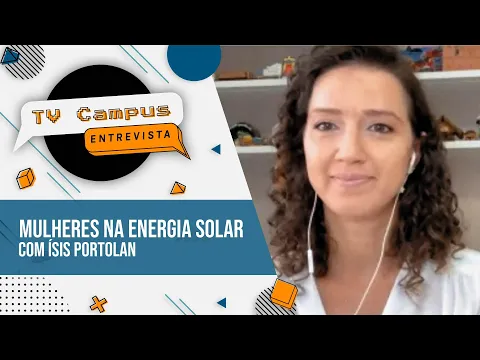

First Signed Work Card Changes Reality for Workers
For many participants in the project, working on the construction of solar plants represented a significant change in life.
One of the workers involved was Ednólia Lucílio de Souza, 41 years old, a resident of the Vereda Grande community. Before participating in the solar energy work, her income came from informal activities linked to extractivism.
She produced babassu oil and also cracked baru nuts to sell. Her monthly income varied greatly, depending on the amount sold. In some months, she managed to sell two liters, while in others four liters, making it difficult to maintain a stable income.
The job in constructing the plant represented her first experience with a signed work card. For seven months, Ednólia received a fixed salary working on the assembly of photovoltaic modules and in tasks related to the electrical part of the project.
With the income obtained during this period, she was able to complete the construction of the house where she lives with two of her three children. The experience also brought new professional perspectives.
Now, with experience in assembling solar energy systems, Ednólia believes she is better prepared to secure new job opportunities at other solar plants.
Diversity Strengthens Innovation in Solar Energy
Experts emphasize that increasing the presence of women in the energy sector is not just a matter of social equality. Diversity can also bring direct benefits to team efficiency.
Studies and corporate experiences indicate that more diverse work groups tend to have greater capacity for innovation and problem-solving. In the context of expanding solar plants, this diversity may contribute to improving installation, operation, and engagement processes with local communities.
Another important point is that women working in field teams often facilitate dialogue with residents of the areas where solar energy projects are installed. This can increase the social acceptance of the enterprises. Furthermore, reducing the historic male domination in the sector helps broaden the number of professionals available to work in the energy transition.
Inclusion of Women Can Accelerate Growth in the Energy Sector
The growing presence of women in solar plants indicates an important transformation within the solar energy industry. Although male domination is still a reality in many areas of the sector, training and inclusion initiatives demonstrate that this structure can change.
Projects like the one carried out in Minas Gerais show that the expansion of renewable energies can yield benefits that go beyond the generation of clean electricity. Job creation, strengthening local communities, and including women in technical activities help build a more diverse and resilient energy sector.
With the rapid growth of solar energy expected in the coming years, increasing female participation is not only a matter of social justice but also an essential strategy to ensure a qualified workforce and sustain the advancement of solar plants in Brazil and worldwide.








Seja o primeiro a reagir!