





 Portuguese
  English
  Spanish
  3 min of reading
  0 comments


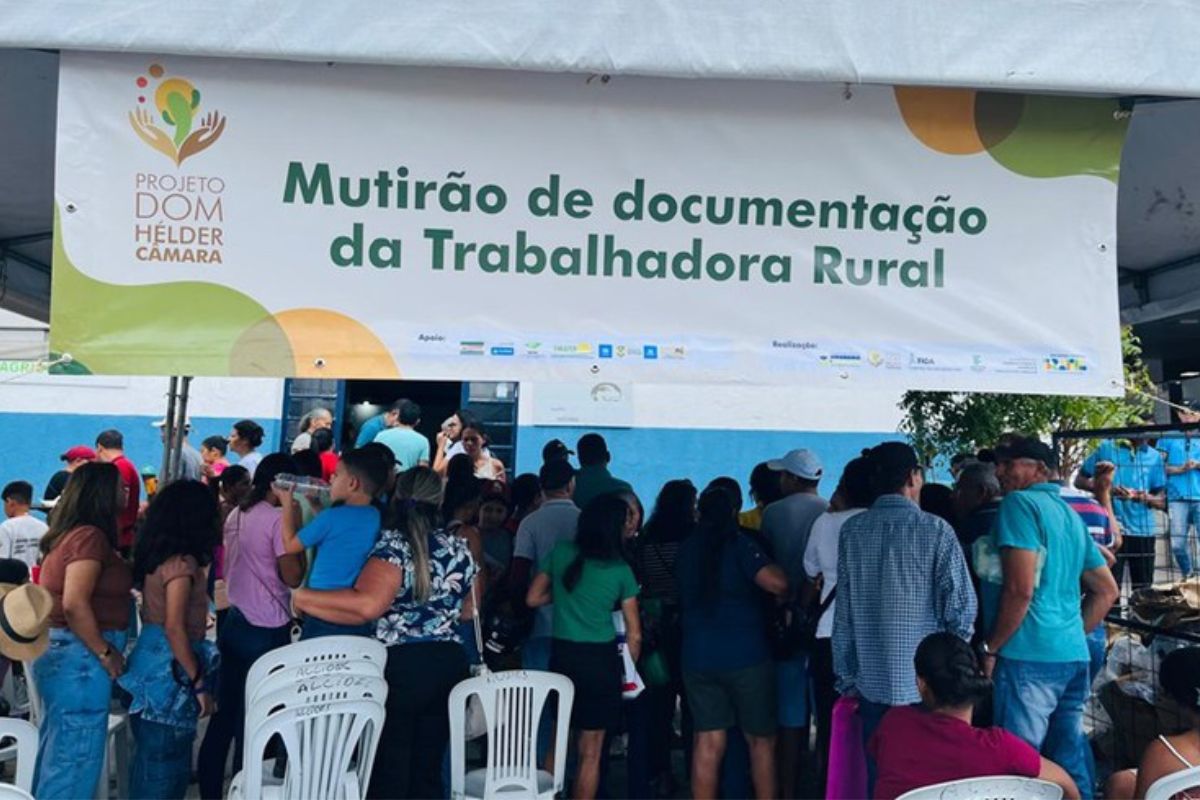
The MDA Massive Efforts Strengthen the Citizenship of Rural Women with Document Issuance, Access to Rural Credit, and Public Policies That Promote Inclusion and Sustainable Development
Rural women are at the center of an important initiative by the Ministry of Agrarian Development and Family Agriculture (MDA), which has launched a broad mobilization focused on issuing essential documents, according to a report published.
The third phase of the Dom Hélder Câmara Project, conducted in partnership with the International Fund for Agricultural Development (IFAD) and the Federal Institute of Piauí, promises to transform realities in 30 territories of the Northeast and Minas Gerais.
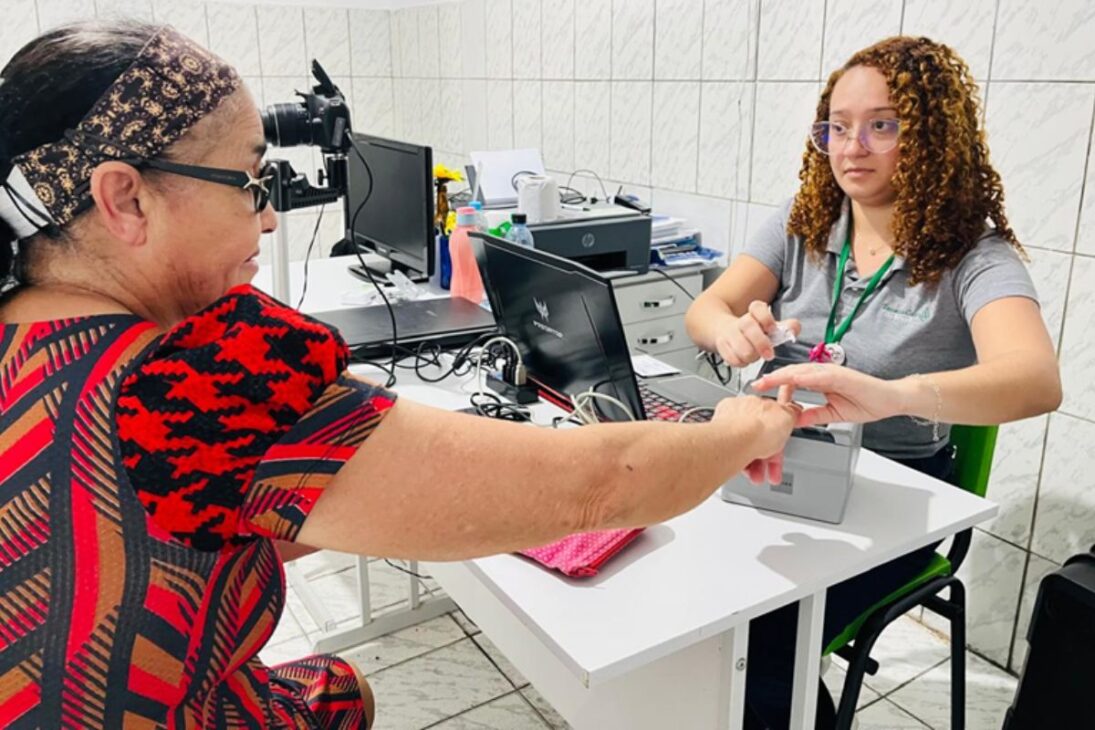
By 2026, the goal is to process 24,000 documents, including ID cards, CPF, CAF, and birth certificates, during 60 mass events that aim to ensure these women access to public policies and opportunities for economic and social development.
-
China banned the export of 22 tons of meat from Argentina.

-
While Russia dominates the global wheat market, Brazil emerges as an unexpected competitor in the Cerrado, offering grain available in July and August when stocks in the Northern Hemisphere are at their lowest point of the year.

-
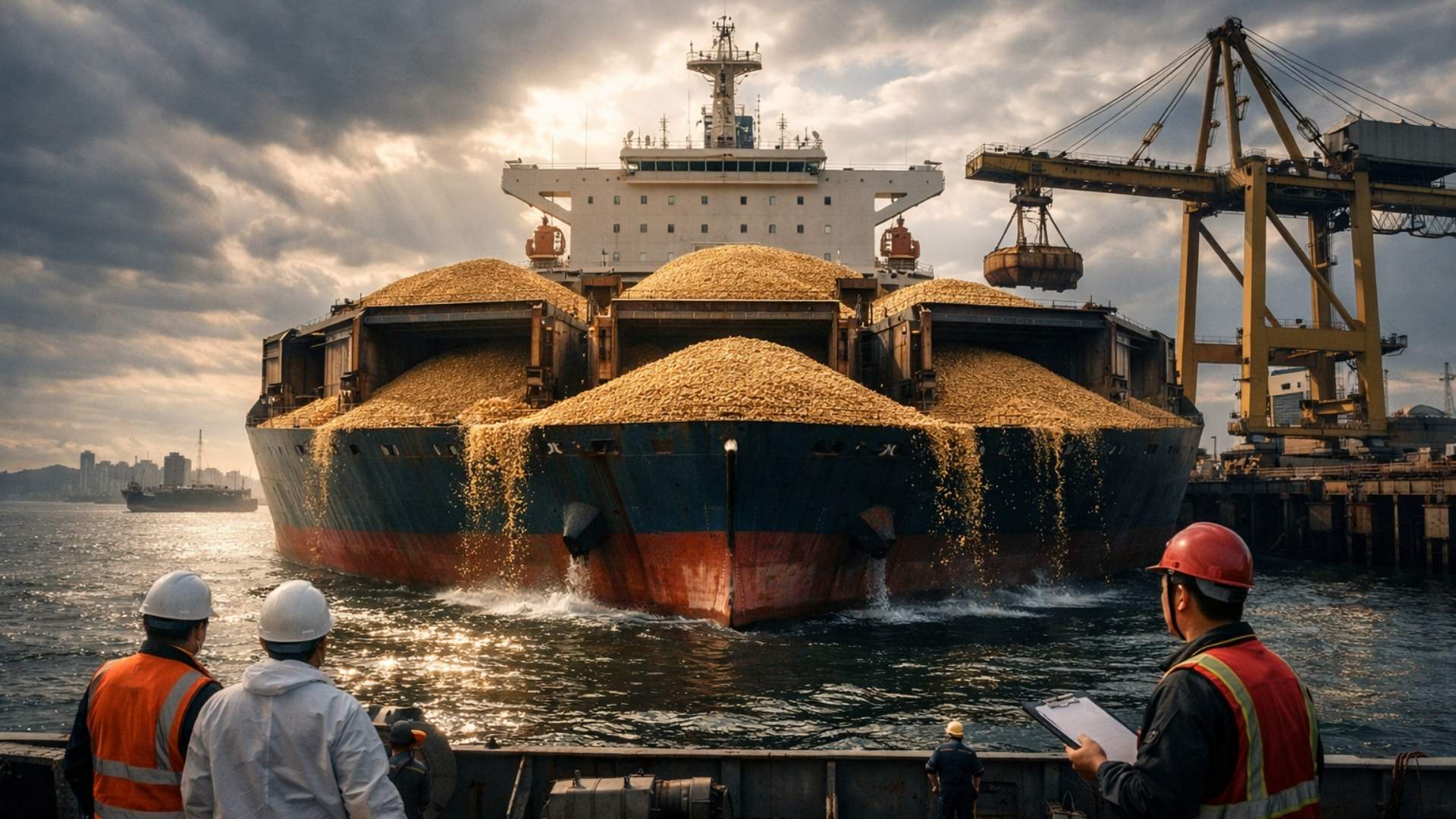
China returned almost 20 Brazilian ships with soybeans, but now everything could change: the country that buys 80% of the grain is considering relaxing regulations after impurities held up shipments of thousands of tons and caused million-dollar losses.
-
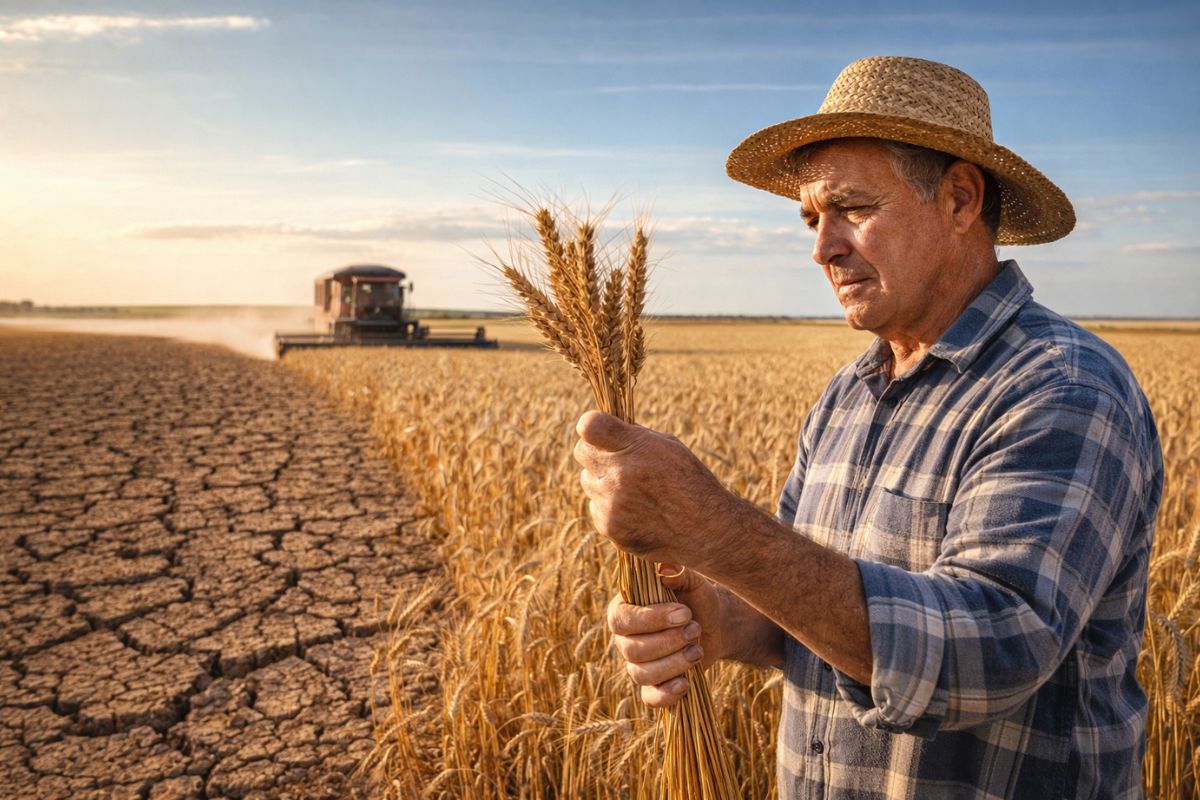
The drought of the cerrado was considered an enemy of wheat, but Brazilian scientists turned the lack of rain into a competitive advantage by creating a grain with quality that is already attracting the attention of international mills around the world.

With an investment of over R$ 4 million, the action is consolidated as one of the most relevant inclusion policies in the country.
In addition to document issuance, the mass events promote lectures on rural credit, productive support, combating domestic violence, and workers’ rights.
This is a decisive step for Brazilian agriculture to advance in building a fairer and more equal society.
Access to Documentation and Social Inclusion of Rural Women
The mass events organized by the MDA are an integral part of the Citizenship and Well-Being Program, coordinated by the Women’s Secretary.
For many rural women, they represent the first step towards full citizenship.
The Undersecretary for Rural Women at the MDA, Viviana de Mesquita, emphasizes that this initiative breaks historical barriers of exclusion and ensures that thousands of workers can finally access social and productive benefits.
During the actions, there are also lectures on programs such as PRONAF and Bolsa Verde, guidance on the Safra Insurance, and legal support provided by the Public Defender’s Office and the Specialized Women’s Ombudsman.
The presence of these services in the same space allows each participant to have their needs met in a practical and integrated way, strengthening the female role in family agriculture.
Rural Credit, Income Generation, and Strengthening Family Agriculture
Another highlight of the mass events is the encouragement of rural credit and economic support policies.
According to the Secretary of Land Governance, Moisés Savian, the partnership with IFAD was essential for the resumption of actions that involve federal and state public agencies in a large joint effort.
The investment of R$ 4 million ensures conditions for the project to achieve the established goals by 2026.
The Dom Hélder Câmara Project has a proven track record of significant results. In the previous phase, the program lifted 83% of beneficiaries out of extreme poverty, reaching over 101,000 families with technical assistance and rural extension.
Now, focusing on the documentation of rural women, the proposal is to consolidate a new cycle of sustainable development and productive inclusion in the Brazilian semi-arid region.
Sustainable Development and Public Policies in the Field
The General Coordinator Ana Luíza Pupe emphasizes that the mass events consider the specificities of more isolated populations, bringing documentation and citizenship services to hard-to-reach communities.
In addition to administrative assistance, there are recreational activities for the children accompanying their mothers, creating a more welcoming and human environment.
This strategy reinforces the MDA’s commitment to social inclusion and strengthening rural women as protagonists of sustainable development.
By ensuring civil regularization and access to credit, the government expands the conditions for these workers to achieve financial autonomy, economic security, and greater representation in public policies aimed at the rural sector.
The mass events, therefore, are more than just an administrative action: they represent a milestone in the history of family agriculture and gender equality in Brazilian agriculture.
Rural women now find, in documentation and integration into government programs, a real opportunity for transformation and social belonging.






Seja o primeiro a reagir!