





 Portuguese
  English
  Spanish
  4 min of reading
  1 comment


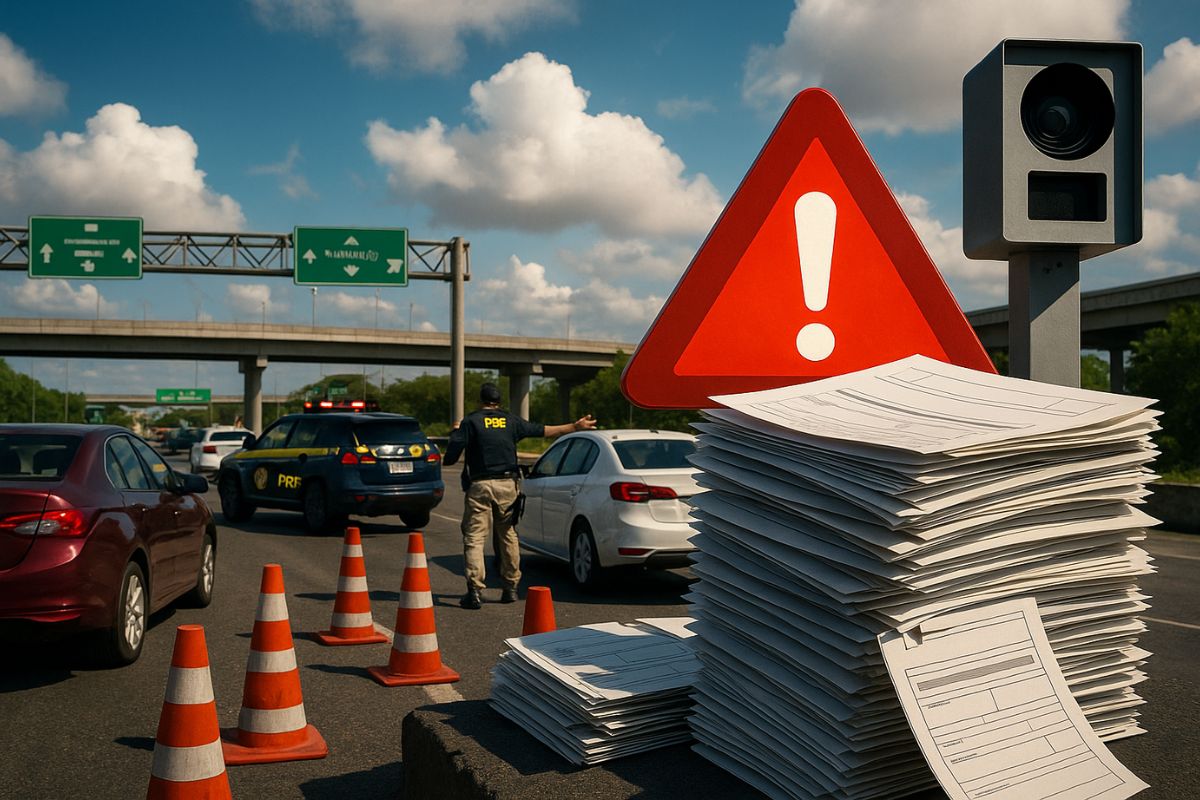


The Highest Fine Expected in the Brazilian Traffic Code Exceeds R$ 17 Thousand in 2025 and Can Reach R$ 35,216.40 in Case of Recidivism, Affecting Drivers Who Block Roads Without Authorization and Accumulating Penalties That Go Far Beyond the Amount in Money.
The rules of the CTB also provide for other high fines for refusing the breathalyzer, driving under the influence, participating in street racing, or performing dangerous maneuvers, which shows that the driver’s wallet is increasingly exposed when there is disrespect for traffic rules.
Traffic fines continue to be one of the harshest mechanisms for punishing violations in Brazil. In 2025, the most expensive fine in the country remains tied to Article 253-A of the Brazilian Traffic Code, which addresses blockages and interferences on public roads without authorization. The base value for a serious violation is R$ 293.47, but, with the multiplier of 60 times, this type of conduct leads to a penalty of R$ 17,608.20, which can still double and reach R$ 35,216.40 in case of recidivism, directly affecting those who insist on disregarding the law.
Moreover, the scenario shows that it is not only the fine amount that weighs. In various situations, the driver also faces suspension of their National Driver’s License (CNH), vehicle seizure, and even the possibility of imprisonment, depending on the conduct.
-
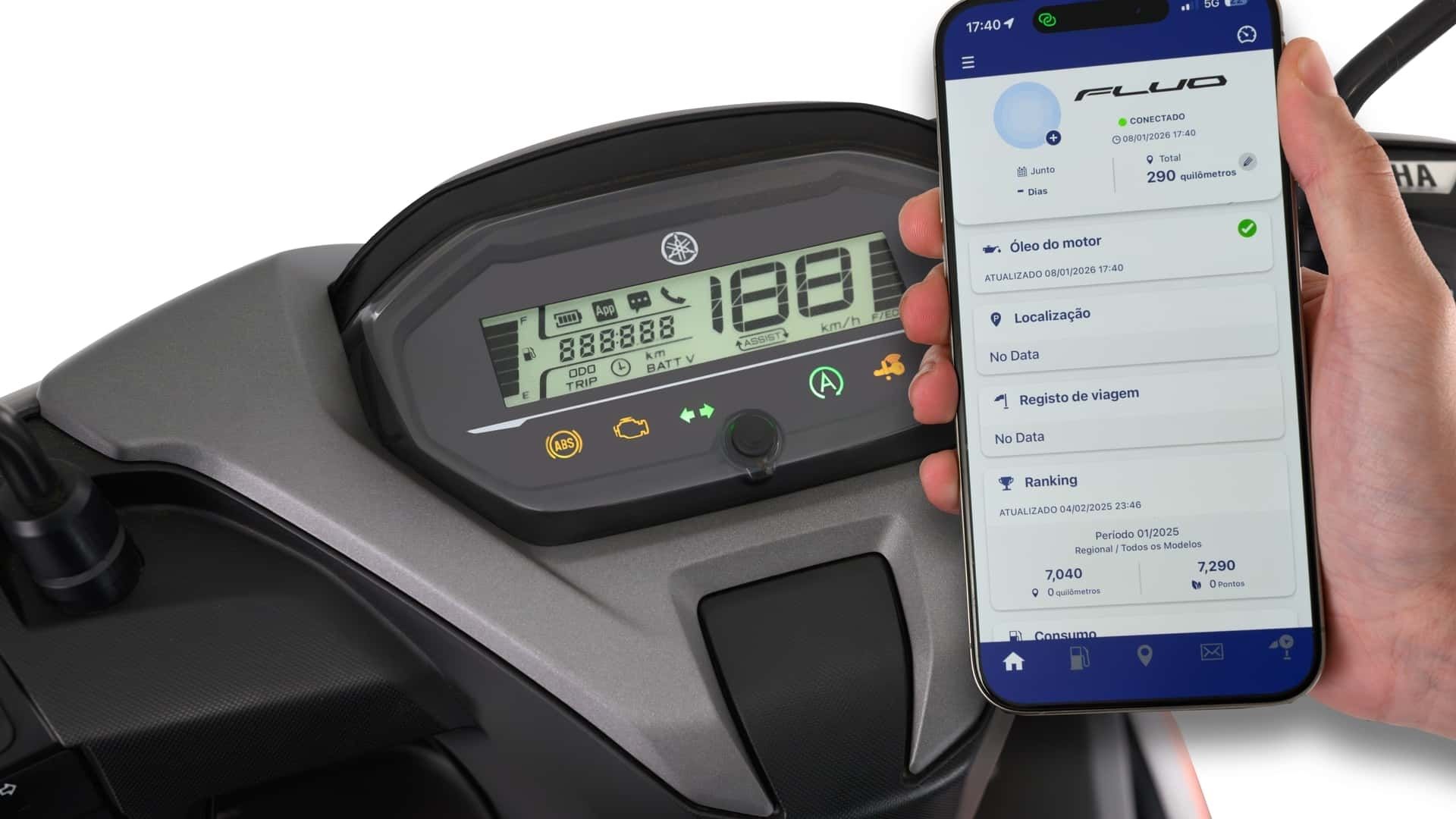
Costing R$ 16,000, the new Yamaha features a 125 cc hybrid engine with electric assistance, delivers 8.3 hp, includes ABS, optimized fuel consumption, Y-Connect connectivity, 25 liters of storage space, and a surprising 4-year warranty in the urban segment.
-
OMODA & JAECOO grows in Europe in 2026 with an integrated strategy of sales, innovation, local production, and technological advancement in the United Kingdom, Italy, and Spain.

-
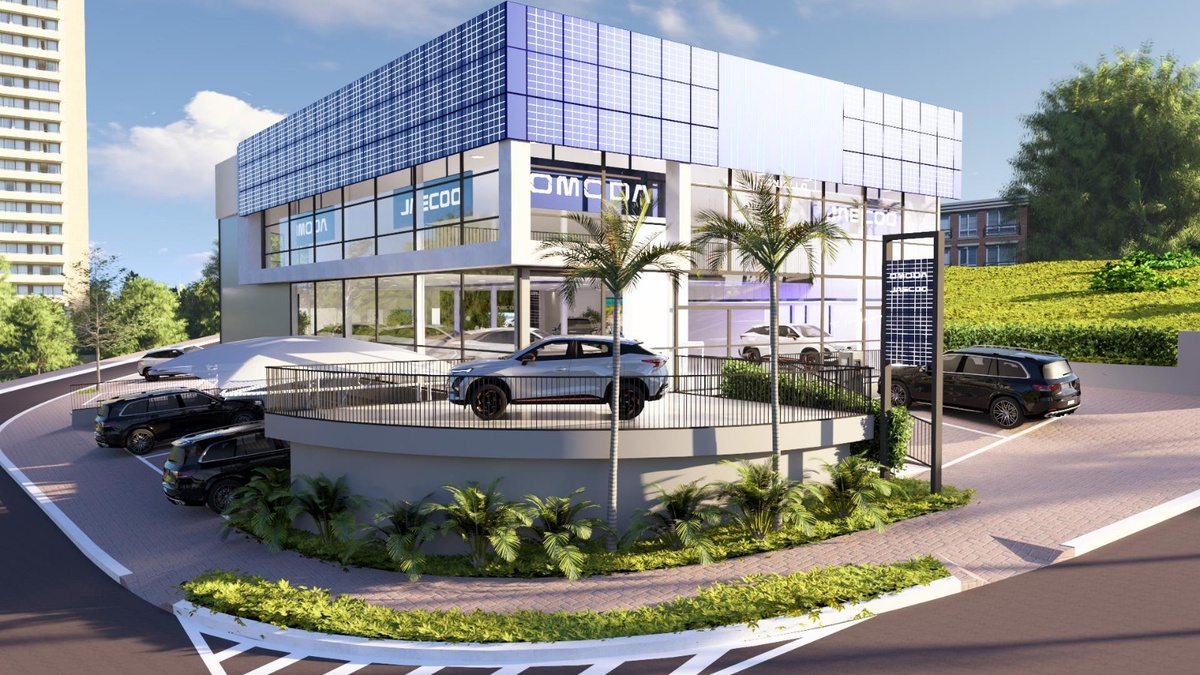
OMODA & JAECOO expands after-sales service in Brazil with competitive maintenance, a 7-year warranty, and high availability of parts for technological SUVs.
-
OMODA & JAECOO appoints Alessandra Souza as executive marketing director in Brazil and accelerates brand expansion with a focus on innovation, networking, and hybrid portfolio.


Fine of Up to R$ 35 Thousand: What Does Article 253-A of the CTB Say
The highest fine in Brazil in 2025 is stipulated in Article 253-A of the CTB. The rule targets those who organize, promote, or participate in blockages or interferences on public roads without authorization from the competent authority. In these cases, the violation is classified as very serious, with a maximum multiplier.
The calculation works like this: the base value for a very serious violation is R$ 293.47. Applying the 60 times multiplier, the fine amounts to R$ 17,608.20. In the event of recidivism, this amount is doubled, reaching R$ 35,216.40.
In addition to the financial impact, the offender may have their CNH suspended and the vehicle seized, which makes this fine one of the most severe penalties in the Brazilian traffic system.
In this context, the fine is not just a number on a ticket, but a pressure tool to curb behaviors that jeopardize the mobility and safety of all, especially when involving blockages on highways and strategic routes.
Other Fines That Burst the Wallet in 2025
In addition to road blockages, the CTB provides for other high-value fines that directly affect drivers who disregard basic safety rules. Among them are:
- Refusing the breathalyzer test results in a fine of R$ 2,934.70, accompanied by a 12-month suspension of the CNH.
- Driving under the influence of alcohol or drugs also results in a fine of R$ 2,934.70, along with the risk of imprisonment, depending on the case.
- Participating in street racing, unauthorized competitions, or dangerous exhibitions incurs a fine of R$ 2,934.70, with a suspension of the right to drive.
- Performing dangerous maneuvers, such as rapid accelerations, intentional skidding, and other risky actions, can also lead to fines in the same range and vehicle seizure.
- Behaviors such as overtaking on the shoulder or against traffic in prohibited areas result in a fine of R$ 1,467.35, reinforcing that illegal overtaking is treated as serious behavior.
At an intermediate level, violations such as driving without a license or allowing an unlicensed person to drive the vehicle cost R$ 586.94, in addition to points on the responsible driver’s CNH.
Even without reaching the most extreme values, these fines represent significant weight on the budget of a large number of drivers.
How Fines Are Defined in the CTB
To understand why some violations generate such high fines, one must look at the classification structure of the violations provided in the CTB.
The fines are divided into four main categories, each with a specific value:
- Light: R$ 88.38
- Medium: R$ 130.16
- Severe: R$ 195.23
- Very Severe: R$ 293.47
Based on these amounts, the CTB allows the application of multipliers for very severe violations, which can vary from 3 to 60 times the original value.
This mechanism is where more dangerous behaviors come in, such as road blockages, street racing, and driving under the influence, which explains fines that easily exceed thousands of reais.
As a result, the system creates a sort of “ladder” of punishments: the greater the risk to traffic, the higher the fine and the more severe the administrative and, in some cases, criminal consequences.
Why Understanding the Value of the Fine Matters to the Driver
Given this scenario, it is clear that knowing the value and consequences of each fine is part of the responsibility of those who drive. It is not just about avoiding an unexpected expense of a few thousand reais, but understanding that high fines are generally associated with behaviors that put lives at risk.
At the same time, the debate on forming new drivers shows that the topic is not limited to the amount charged for the violation.
The way the driver is trained, informed, and made aware tends to directly influence the number of fines imposed and the level of safety on the roads.
Looking at these amounts and the weight of each fine, do you think that the strictness of the CTB is sufficient to change drivers’ behavior, or should the rules be even tougher for those who insist on disregarding traffic?







Fui diagnosticada com doença de Parkinson há quatro anos. Por mais de dois anos, dependi da levodopa e de vários outros medicamentos, mas, infelizmente, os sintomas continuaram piorando. Os tremores se tornaram mais perceptíveis e meu equilíbrio e mobilidade começaram a declinar rapidamente. No ano passado, por desespero e esperança, decidi experimentar um programa de tratamento à base de ervas da NaturePath Herbal Clinic.
Sinceramente, eu estava cética no início, mas, poucos meses após o início do tratamento, comecei a notar mudanças reais. Meus movimentos ficaram mais suaves, os tremores diminuíram e me senti mais firme ao caminhar. Incrivelmente, também recuperei grande parte da minha energia e confiança. Tem sido uma experiência transformadora. Me sinto mais eu mesma novamente, melhor do que me sentia há anos. Se você ou um ente querido está lutando contra a doença de Parkinson, recomendo muito que você considere a abordagem natural deles. Você pode visitar o site deles em www. naturepathherbalclinic .com.