





 Portuguese
  English
  Spanish
  3 min of reading
  136 comments


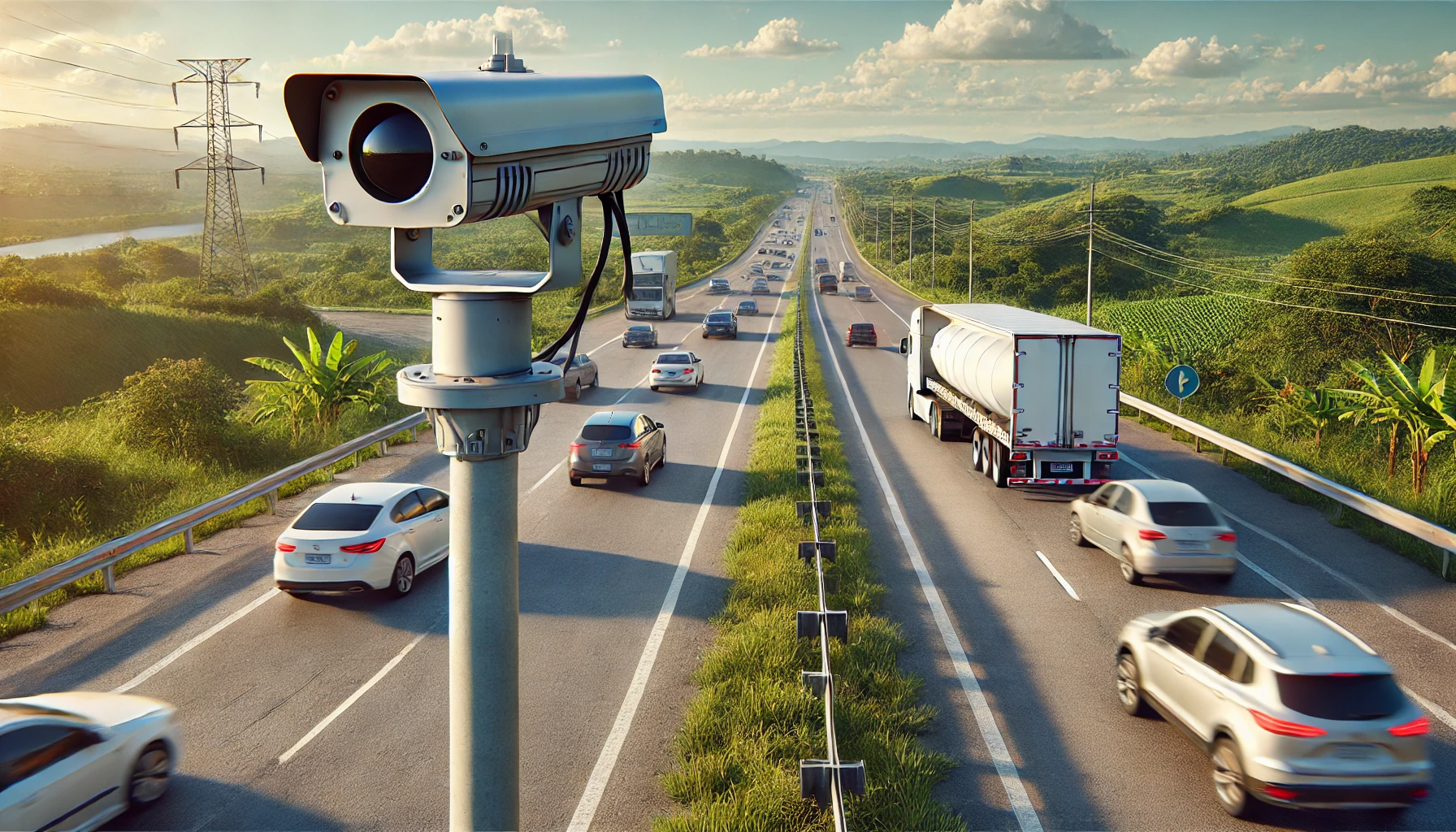

The New Smart Radars Promise to Revolutionize Safety on Brazilian Highways, with Strict Surveillance That Monitors Every Dangerous Overtaking and Promises to Deter Imprudent Practices.
Brazilian roads have never been a place for reckless drivers, but now, more than ever, driving dangerously can hit your wallet hard.
With the installation of new smart radars, the monitoring of the country’s highways is at a strict level, aiming to reduce dangerous overtakes and save lives.
The scenario for drivers has changed, with the introduction of technologies that record every risky maneuver, forcing those who challenge safety to think twice before breaking the law.
-
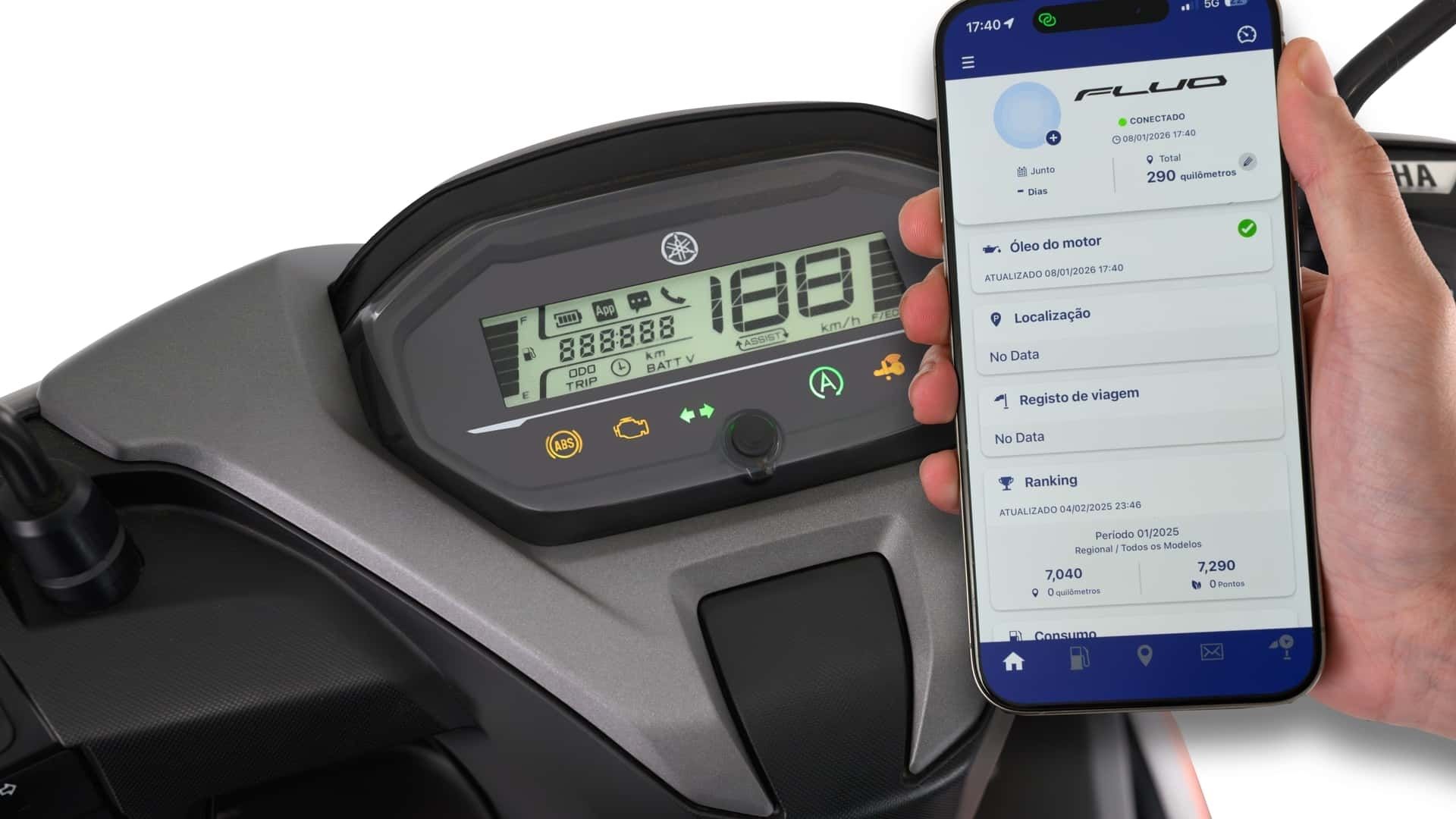
Costing R$ 16,000, the new Yamaha features a 125 cc hybrid engine with electric assistance, delivers 8.3 hp, includes ABS, optimized fuel consumption, Y-Connect connectivity, 25 liters of storage space, and a surprising 4-year warranty in the urban segment.
-
Larger than entire cities in Brazil: BYD is building a 4.6 km² complex in Bahia with a capacity for 600,000 vehicles per year, but the discovery of 163 workers in conditions analogous to slavery has shaken the entire project.

-
With an investment of R$ 612 million, a capacity to process 1.2 million liters of milk per day, Piracanjuba inaugurates a mega cheese factory that increases national production, reduces dependence on imports, and repositions Brazil on the global dairy map.
-
Brazilian city gains industrial hub for 85 companies that is equivalent to 55 football fields.


The proposal is clear: curb excesses and reduce the alarming rates of accidents on Brazilian roads.
With the presence of these advanced radars, road safety gains an ally that promises to deter dangerous practices and reinforce drivers’ commitment to traffic laws.
How Do Smart Radars Work?
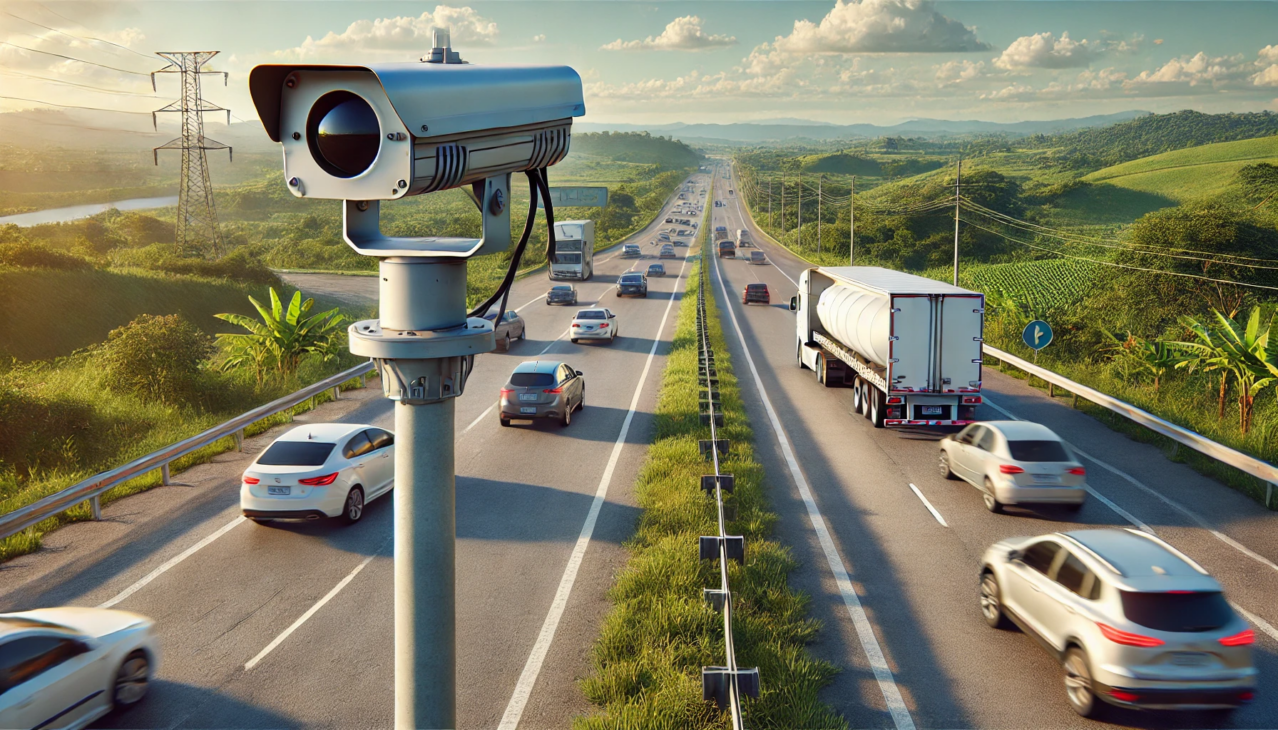
The new devices installed on the highways feature cutting-edge technology, composed of motion sensors and high-precision cameras.
According to the National Traffic Department (Detran), these radars can capture every detail of irregular overtaking.
A specific model, the continuous lane radar, was designed to record the position of vehicles in relation to signage, accurately identifying each illegal overtaking and speeding up the imposition of fines.
These violations are automatically reported to the system, allowing drivers to be quickly notified about the fines.
This agility in monitoring represents a revolution in Brazilian traffic, ensuring a constant and relentless presence of oversight on the roads.
The Challenge of Dangerous Overtakes
In Brazil, overtaking in prohibited areas is a chronic problem. According to the Brazilian Traffic Code (CTB), overtaking in areas such as sharp curves, inclines, and declines remains among the most dangerous offenses, increasing the rates of fatal accidents.
These low-visibility and high-risk areas, often ignored by hasty or reckless drivers, pose a danger not only to those committing the offense but to everyone around.
According to traffic experts, the adoption of smart radars is a fundamental advancement to reverse this situation.
The intention is to force drivers to reconsider their actions on the roads, aware that each dangerous overtaking can result in a fine and, worse, a real risk of accident.
Are They the Definitive Solution?
Although the arrival of smart radars represents an important milestone in oversight, the question many raise is whether this will be a definitive solution for reducing accidents.
According to analysts, the radars are an effective measure, but it is necessary to go further, promoting driver awareness and continuous education about traffic rules.
The change in driving behavior, experts say, is an indispensable element to ensure the safety of Brazilian roads.
To consolidate the effectiveness of these measures, traffic education must go hand in hand with technology, encouraging respect for the laws and reinforcing the importance of prudent actions.
After all, as much as the radars act as a deterrent, the true change occurs in the mindset of those who drive.
Impact on Road Safety
Since the implementation of smart radars, accident statistics on Brazilian highways show a significant decline, according to Detran reports.
These devices have played an important role in deterring risky practices, making drivers think twice before executing dangerous overtakes.
The result is a reduction in severe accidents and, consequently, a safer traffic environment for everyone.
However, analysts state that continuous investment in modernizing oversight will be essential to maintain this progress.
To ensure long-term safety, authorities and drivers must work together, integrating technology and commitment to safer traffic.
Will enforcement be enough to change drivers’ behavior?








Aí invés de punir metendo a mão no no l lado do cidadão porque não incentiva com oferecendo vantagens para quem não tem infrações? Porque em lugar de impor o medo, não incentiva a consciência, a ética? Aqui só tem leis para punir, como se fossem todos milionários e pudessem arcar com os valores das multas.
Fazem barbaridade porque podem e ninguém reclama, e se reclamar ou raxa com ele se for grande b,o,s,t,a se e Zé Mané e calado a força ,
Nós estamos na contramão com o conde de assumir , leiam história
Por que não fazem as balanças rodoviárias funcionarem 24/7 ?
Treminhões com absurdo excesso de peso em estradas que não foram construidas para esse tipo de transporte. > Vide descida da Serra das Araras no RJ.
Há anos não vejo rodovias que possuem balanças rodoviárias (Municipais, Estaduais ou Federais) funcionando quando passo por elas. Tenho pensado muito o porque di$$o acontecendo.
Percebe-se o excesso de peso quando um cavalo desses veículos vai a 20/kmh sem força alguma para subir.
Polícias Rodoviárias? Fiscalização? Alguém sabe o que é isso?