





 Portuguese
  English
  Spanish
  4 min of reading
  0 comments


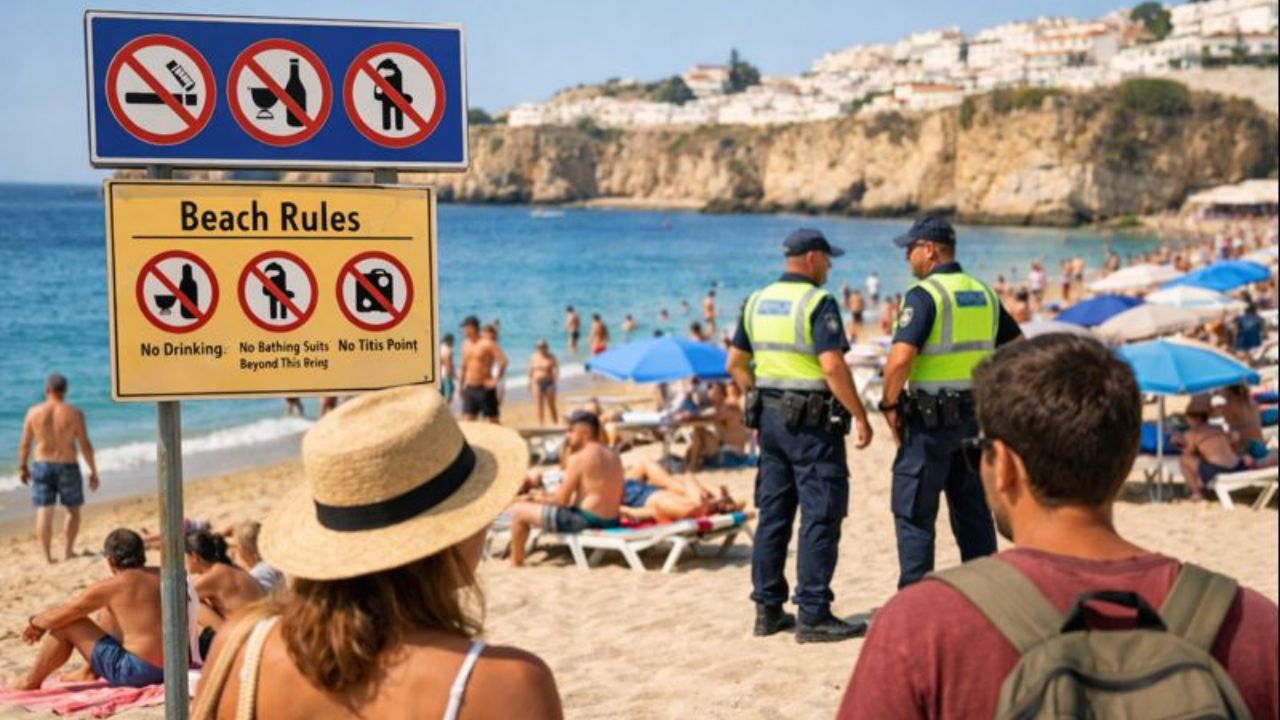
Fines for Tourists Spread Across Europe and Affect Those Who Smoke on Beaches, Drink in Public or Ignore Rules While Traveling.
The Europe began adopting, in 2025, a strict set of fines for tourists aimed at curbing abuses, reducing conflicts with residents, and slowing down the excesses of mass tourism.
Local governments, transport authorities, and municipalities in popular destinations decided to impose fines for behaviors deemed inappropriate, such as smoking on beaches, walking in swimwear outside allowed areas, and disrespecting basic rules during travel, including on planes.
The measures are in effect this European summer, primarily in coastal cities and overcrowded destinations, and reflect a clear shift in how the continent tackles tourism.
-
The Senate approves a bill that criminalizes misogyny, hatred, or aversion towards women, and includes the crime in the Racism Law with a penalty of up to 5 years.

-
Chamber Approves Bill That Allows Pepper Spray for Women Over 16 and Imposes Strict Rules for Purchase, Possession, and Use as Self-Defense

-
Chamber Approves Law to Combat Leucaena, Fast-Growing Plant That Dominates Land and Threatens Native Species in Various Regions of the Country

-
Asset Division: Know What Cannot Be Divided in Case of Divorce


Right at the start of the holidays, some visitors are already feeling the impact of these rules. In Turkey, for example, passengers who stand up from their seats before the aircraft comes to a complete stop may be fined € 62.
This case illustrates how enforcement has reached everything from air travel to behavior on the streets and beaches.
Why Did Europe Toughen Fines for Tourists Now?
Although tourism generates billions of euros every year, local authorities claim that tolerance for bad behavior has reached its limit.
In saturated destinations, residents report recurring problems such as excessive noise, litter, excessive alcohol consumption, and disrespect for basic coexistence norms.
“The rules, while they may seem rigid and punitive when listed, aim to encourage responsible and empathetic travel,” said Jessica Harvey Taylor, press chief of the Spain Tourism Office in London. “They were created to protect the holiday experiences of the vast majority of people who behave responsibly during their vacations.”
Thus, fines for tourists emerge as a tool for social, environmental, and cultural protection, and not merely for revenue generation.
Tourist Cities Lead Enforcement and Increase Penalties
In the Portuguese city of Albufeira, famous for its nightlife, wearing a bikini or swim trunks outside the beach can result in a fine of up to € 1,500.
Additionally, the city council has implemented a code of conduct that prohibits public nudity, urinating in the streets, and even abandoning shopping carts. The police have begun to visibly patrol the busiest areas.
Meanwhile, in Spain, cities like Málaga have launched educational campaigns combined with penalties.
The initiative “Improve Your Stay” lists expected behaviors, such as dressing appropriately, avoiding litter, and respecting noise limits. Those who fail to comply may receive a fine of up to € 750.
Smoking, Drinking, and Even Driving in Flip-Flops Can Result in Fines
Among the new fines for tourists that most surprise visitors are those related to common habits during travel.
In France, smoking on beaches and in public parks can now result in an immediate fine of € 90. Meanwhile, in regions of Spain, Italy, Greece, and Portugal, driving in flip-flops, sandals, or barefoot can cost up to € 300.
In the Balearic Islands, which include Majorca and Ibiza, consuming alcohol in public places can lead to penalties of up to € 3,000.
This measure seeks to reduce incidents of violence, vandalism, and accidents associated with alcohol tourism.
Examples of Fines That Are Already in Effect in Europe
The list of penalties is rapidly growing and affects highly sought-after destinations:
Venice: swimming in the canals can result in a fine of € 350;
Cinque Terre: hiking with inappropriate footwear can cost up to € 2,500;
Greece: removing shells or stones from the beach can lead to a fine of € 1,000;
Airlines, such as Ryanair, are considering penalties of over € 500 for unruly passengers.
These actions demonstrate that enforcement is not limited to beaches and urban centers, but extends to natural parks, historical areas, and modes of transport.
Residents’ Reaction and Impact on Travel
“The residents are fed up,” said Birgitta Spee-König, an advocate for responsible tourism. “These fines signal that communities want to reclaim their space. It’s not that tourists are worse, but that tolerance has run out. And it’s important to consider that not every fine is a repressive measure: some are appeals for respect.”
Protests against overtourism have been ongoing for years in Europe, but now authorities show a willingness to confront the problem, even at the risk of displeasing visitors.
For experts, the message is clear: traveling does not mean having total freedom to ignore local rules.
Will Fines Change Tourist Behavior?
It is still early to measure concrete results. Robert Allard, director of Go2algarve, noted an increase in cameras and policing in Albufeira, but emphasizes that many tourists still remain unaware of the rules, despite signs and informational brochures.
Experts believe that educational campaigns need time to take effect. Nevertheless, the new fines for tourists signal an important turn: European destinations make it clear that sun, beach, and leisure remain available, as long as they are accompanied by respect, awareness, and common sense during travel.










-

Uma pessoa reagiu a isso.