





 English
  Francês
  Alemão
  Italiano
  Japonês
  Norueguês
  Portuguese
  Spanish
 4 min of reading


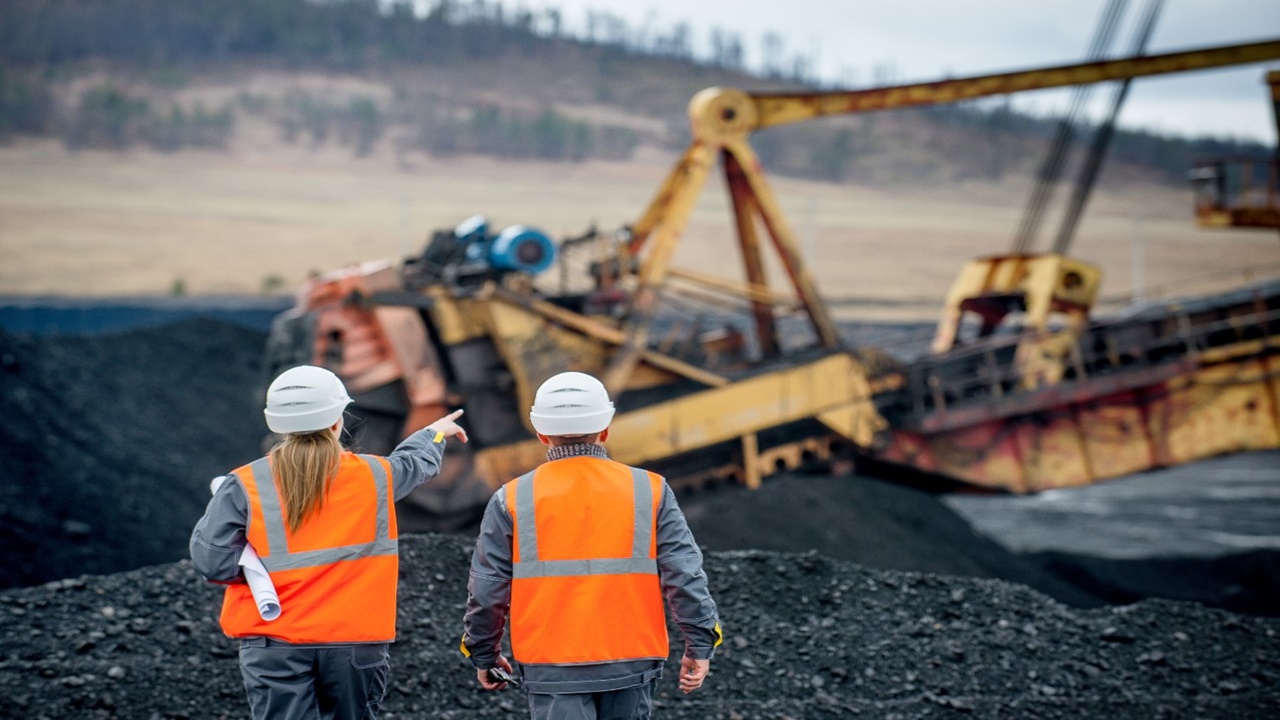
Tabuleiro Mining Company in Bahia Has More Than 25,000 Hectares and Is in Negotiation to Acquire More Areas for the Exploration of Rare Earth Minerals, Graphite, Lithium, Barite, Among Others.
Umyne, a North American mining and investment company, will invest US$ 5 million for research and facilities by 2022 in Bahia, which will make Tabuleiro Mining Company part of the medium miners in the state.
Read Also
- WEG Integrates the Unique Production System in the World and Revolutionary for Electric Mobility Created by Global Leaders Volkswagen, Bosch, ABB, and Siemens
- Completely Free and Online Data Engineering Training Course in Python Programming, a Language Used by Google and NASA
- Increase in Gasoline, Diesel, Ethanol, and Rubber Prices Hits Consumers Hard in Gas Stations and Shelves and Triggers a Warning Signal for Transport Companies
- Enel Multinational, in Partnership with SENAI, Offers Free Course for Energy Distribution Network Designer; Professionals Who Stand Out Compete for Job Opportunities in Partner Companies of the Distributor
- Chinese Vehicle Manufacturer Making Luxury SUVs as a Brazen Copy of Volkswagen’s Beetle and Kombi and Other Manufacturers Acquires Mercedes Factory in SP and Heavily Invests in the Brazilian Market
The Rare Earth Project, a unique initiative involving technology and innovation to enable the extraction of rare earth minerals in Bahia, also confirms the feasibility of utilizing tailings from copper, lithium, quartz, and other mines that leave behind a significant environmental liability.
Umyne Partners with Tabuleiro Mining Company to Apply Own Resources and Distribute American Investments in Brazilian Soil
With the impact of the announcement regarding the development of a rare earth separation plant, in partnership with Senai-Cimatec, which utilizes proprietary technology, Umyne partners with Tabuleiro Mining Company to apply its own resources and distribute American investments in Brazilian soil, directed towards various mining projects in Bahia.
-
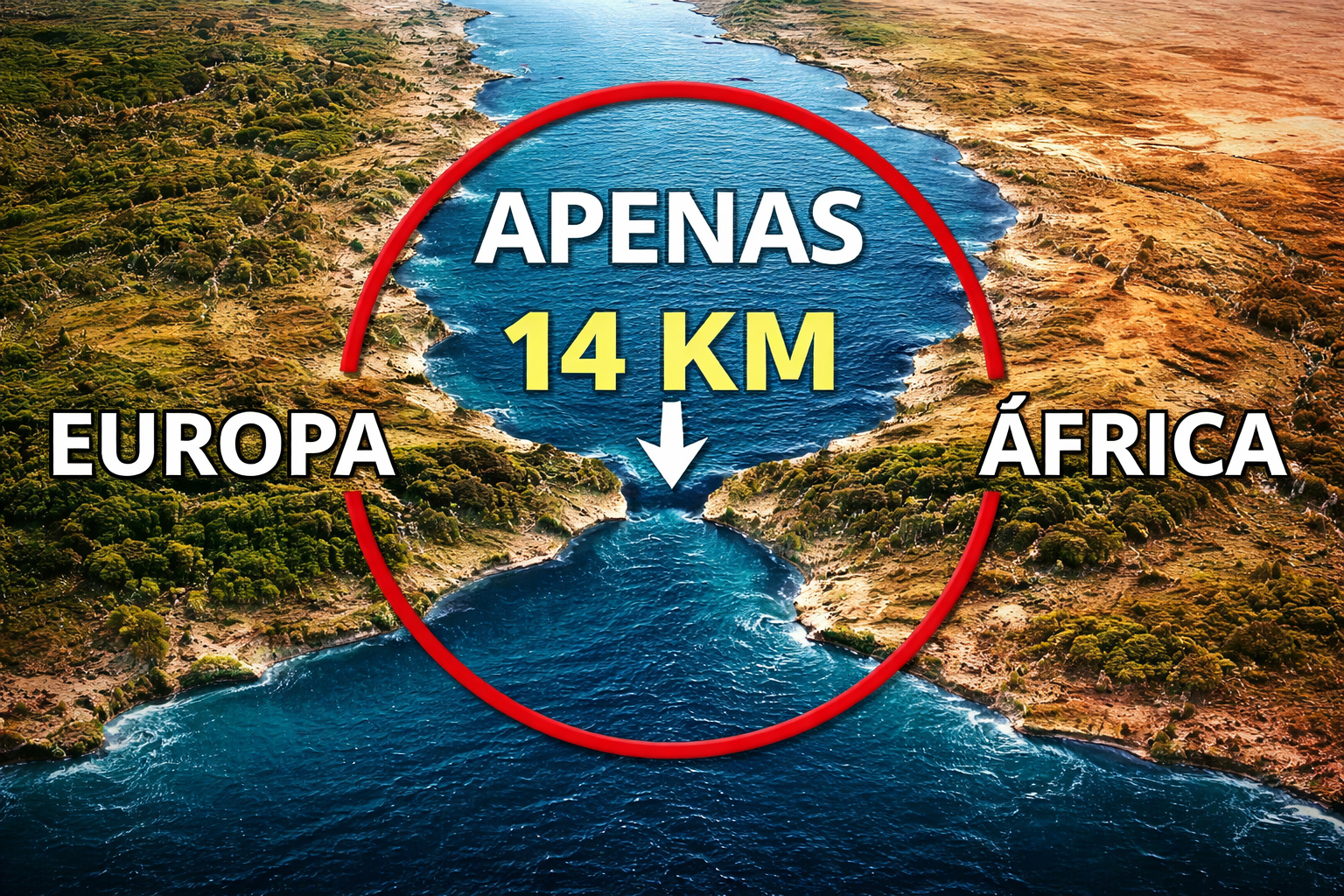
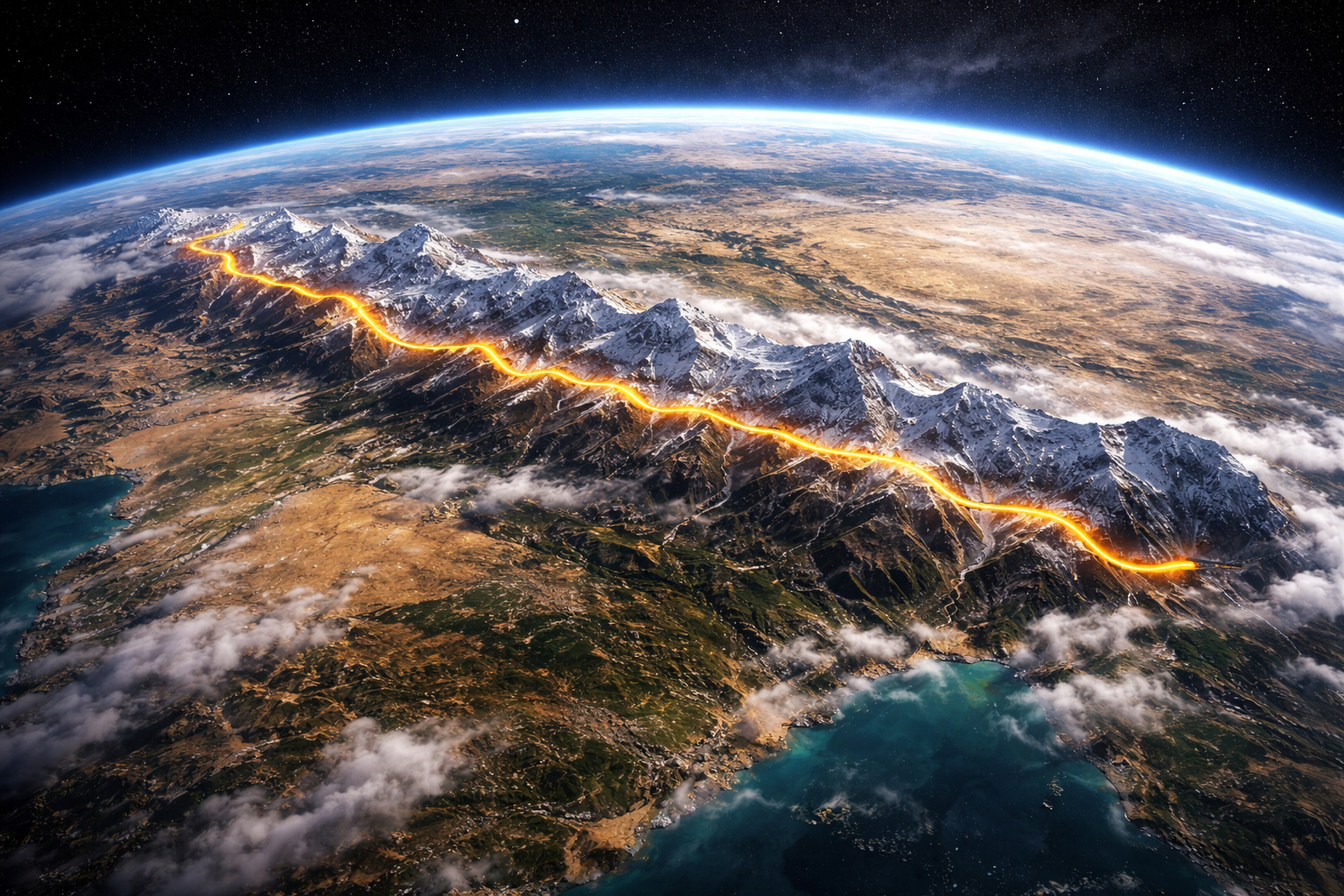
For 45 years, Spain and Morocco have been trying to connect Europe to Africa through a project of just 14 kilometers in the Strait of Gibraltar, and an active tectonic fault on the seabed continues to make the project nearly impossible.
-
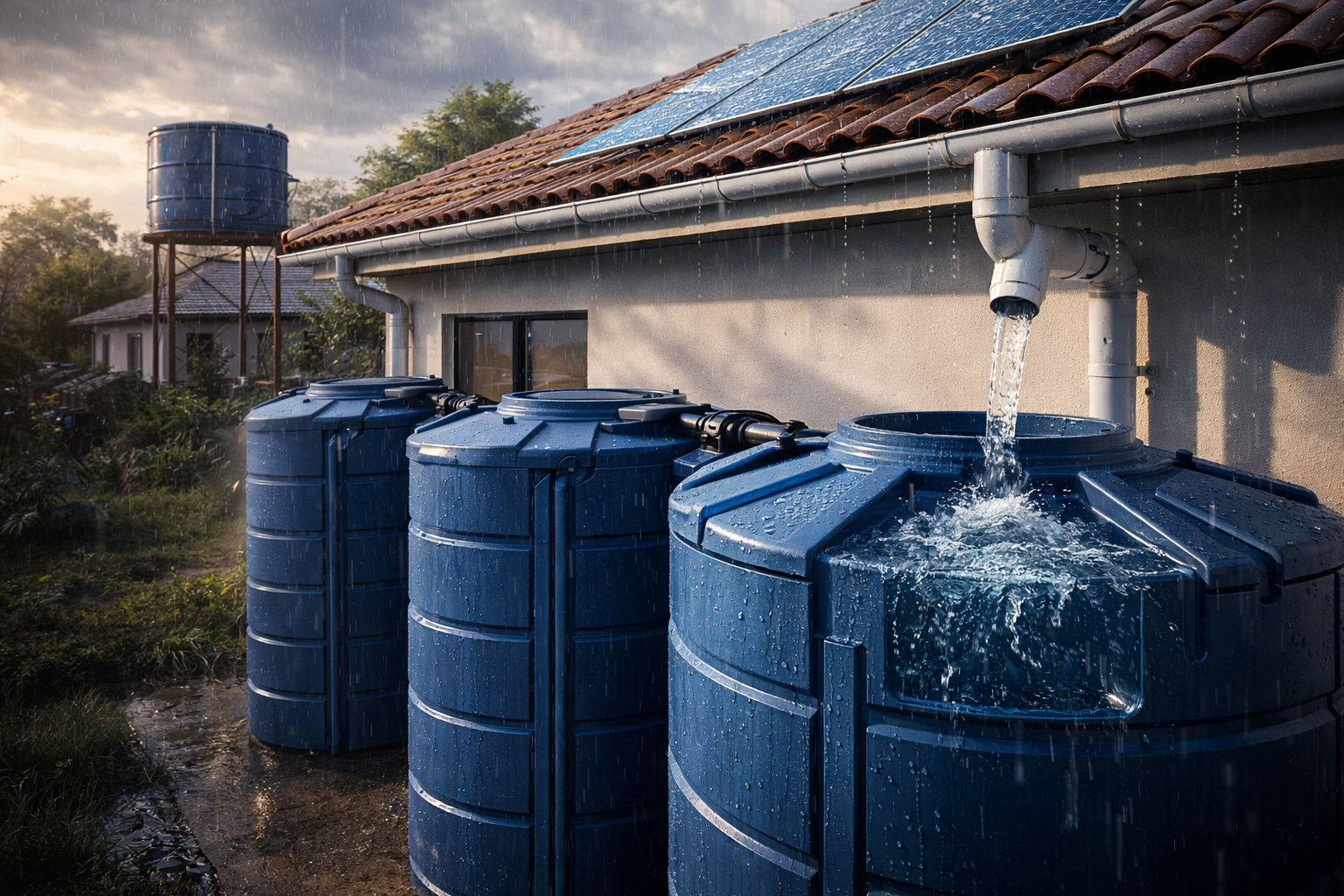
Goodbye expensive water tank: residents replace traditional system with a cheaper and more efficient solution that reduces water consumption and reuses rainwater.
-
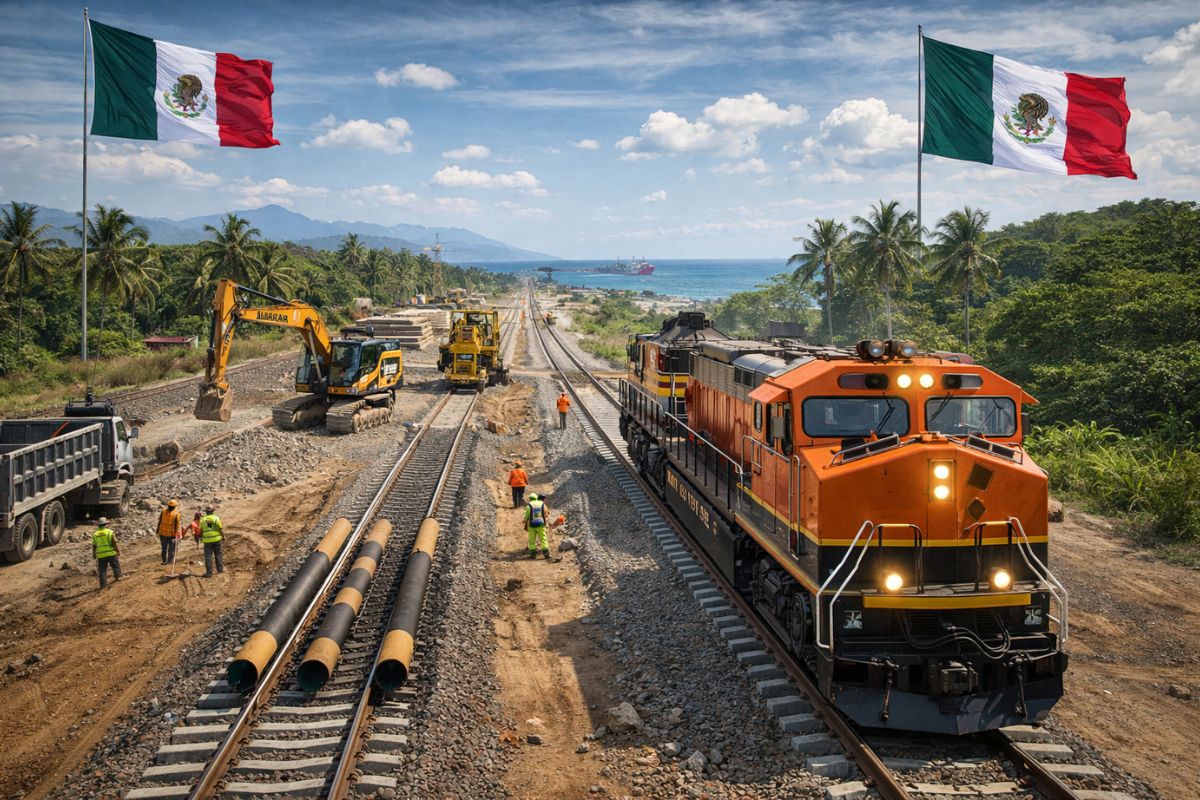
Mexico is building a 300-kilometer railway corridor that connects the Pacific to the Atlantic in just seven hours and wants to compete directly with the Panama Canal, which is already facing water scarcity issues.
-
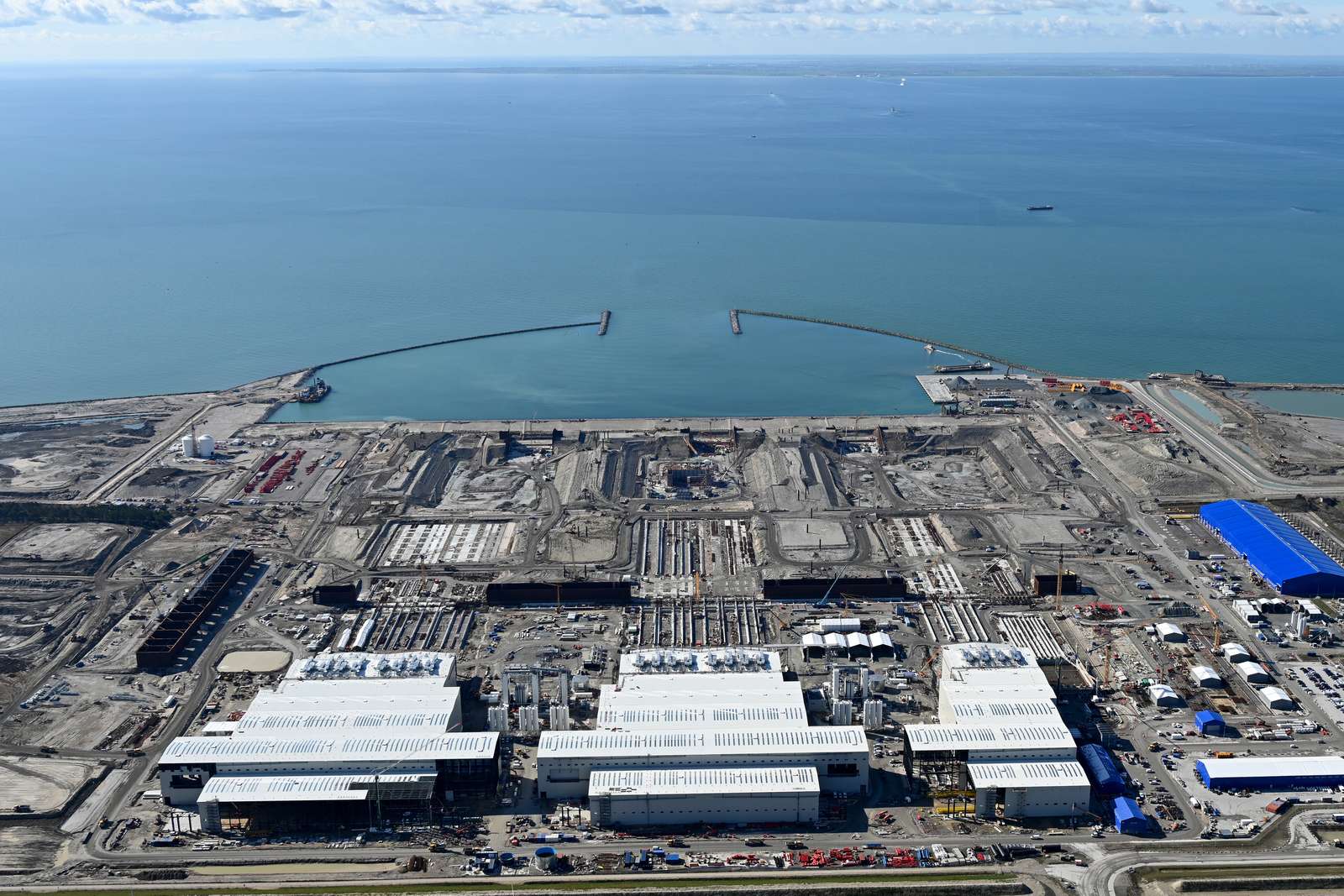
The largest tunnel module factory in the world was built from scratch on a beach in Denmark to produce 89 concrete blocks and will be demolished after the project: each structure weighs up to 10 times the Eiffel Tower and will be installed on the bottom of the Baltic Sea with an accuracy of 12 millimeters in a tunnel that will halve the travel time between Hamburg and Copenhagen.
The startup focuses on the research and extractive feasibility of critical and special minerals, from extraction to the development of projects with applications for these substances. Sustainability, use of technology, innovation, and best practices guide the foundations of Tabuleiro Mining Company, as well as those of Umyne, which facilitated the swift establishment of the partnership.
The mining company’s actions also aim at a material that is currently treated as waste, colloquially referred to by miners as “turtle liver.” The silica combined with titanium, aluminum, and niobium could replace vehicle bumpers, aircraft parts, and spacecraft components due to its lightweight and high impact resistance.
Technological Revolution Responsible for Mineral Extraction and Processing in Bahia
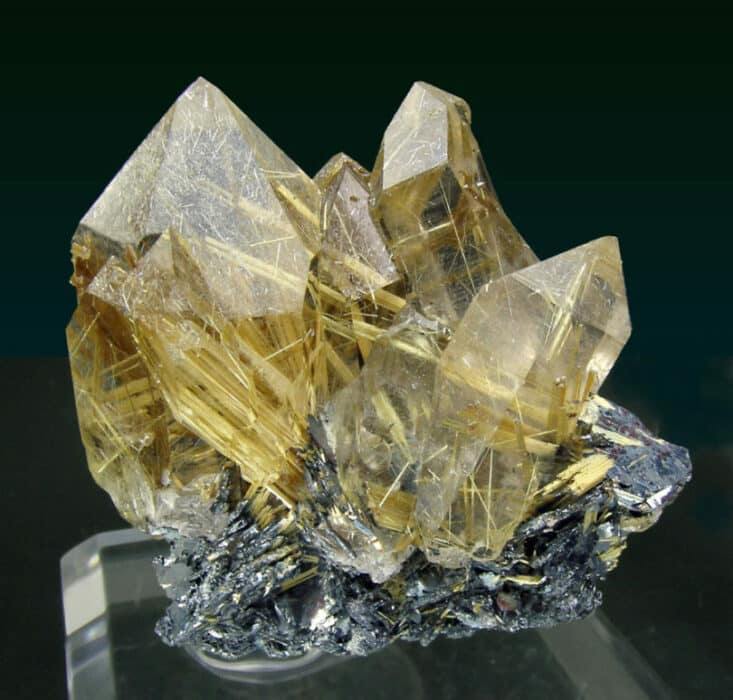
Both companies are currently focusing on special or critical ores, considering the possibility of operations with social responsibility in Mining 4.0, which represents a complete technological revolution responsible for mineral extraction and processing, such as the use of autonomous trucks and excavators, along with the implementation of an intelligent system for recovering tailings. “With the advancement of technology, new prospecting methods have been developed to optimize operational costs and provide conditions for new discoveries of deposits, minimizing environmental impact,” says Janaina Marques, managing partner of Tabuleiro Mining Company.
For the Garimpo 4.0 Project, US$ 1.5 million will be invested in a municipality that is yet to be chosen. “Since we have various mining requests in the state, we will highlight areas where there is the possibility of permission for garimpeiro mining in our requests, following the legal protocols to initiate the project in the municipality that is most capable, considering quantitative points of alluvial and eluvial minerals, legality, best practices, and technology applied to garimpo, which is currently viewed so poorly, precisely because of the precariousness of the current system,” said managing partner Sandro Santos.
The mining company has more than 25,000 hectares and is in negotiation to acquire more areas for the exploration of rare earth minerals, graphite, lithium, barite, among others. Currently, the company has technical-scientific and commercial partnership contracts with Senai-Cimatec and Mackgraphe (Mackenzie) in pursuit of innovation and sustainability.
Brazil Is the Largest Holder of Rare Earth Reserves in the World
But what are rare earths? Rare earths are raw materials used in the production of super magnets, electronics, defense equipment, aerospace industry, energy, among other sectors. They are called rare because they are difficult to extract, as the challenges of removal and processing are considerable, primarily due to the limited availability of technical knowledge for separating the mineral-ore containing rare earth elements.
Brazilian rare earth reserves can reach 3.5 billion tons. Although it positions itself as the largest holder of rare earth reserves in the world, Brazil still has low production, according to data from the United States Geological Survey (2015).









Seja o primeiro a reagir!