





 English
  Francês
  Alemão
  Italiano
  Japonês
  Norueguês
  Portuguese
  Spanish
  4 min of reading


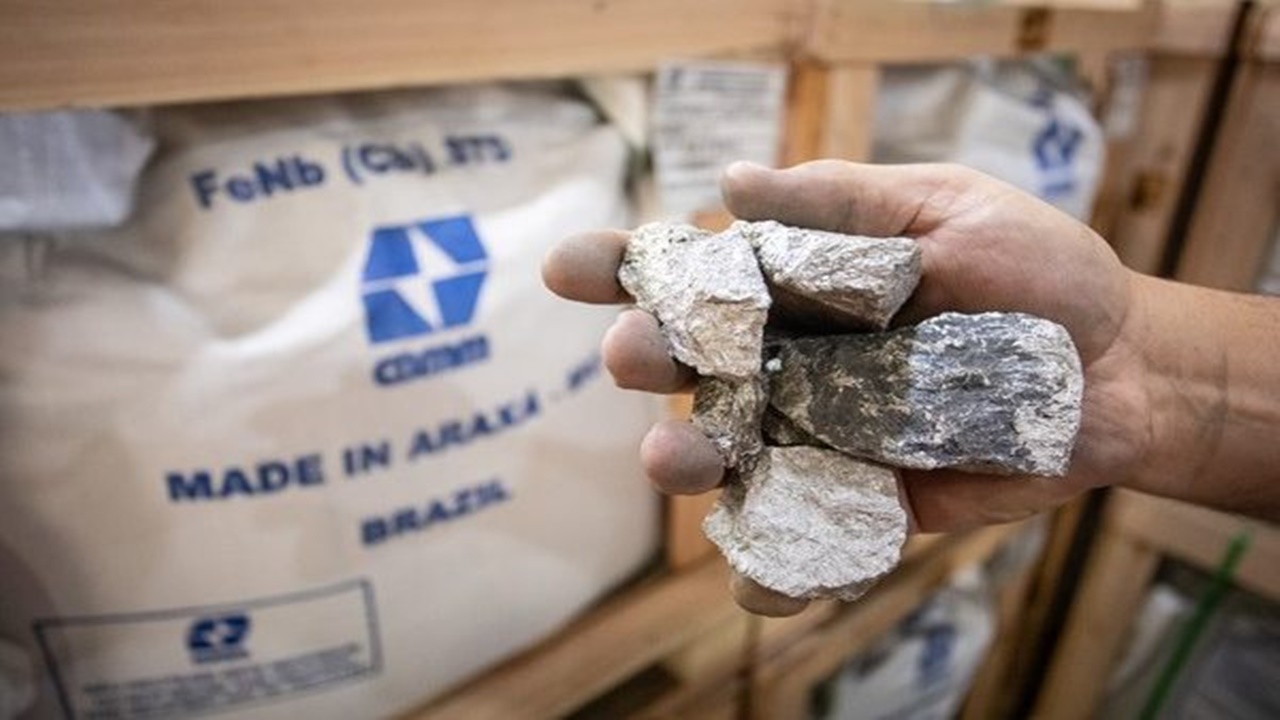
Brazil Has 1/3 of Graphite Reserves and Approximately 97% of Niobium, Which, When Combined with Graphene, Will Revolutionize Humanity’s Future
The Brazilian Company for Metallurgy and Mining (CBMM) announced a new round of investments for the expansion project of its unit in Araxá, in Alto Paranaíba, Minas Gerais. The investment plan of R$ 7 billion, recently announced by the Company, according to the Reuters news agency, is focused on increasing niobium production capacity. Additionally, the company is developing new technologies with graphene oxides at the unit.
Also Read
- Leader in Manufacturing Heavy Machinery, Engines, and Vehicles, Caterpillar, Has Job Openings at Its Factories
- Volkswagen, the Largest Vehicle Manufacturer on the Planet, Offers 3718 Positions in Free Professional Qualification Courses in Partnership with SENAI
- Mini Wind Turbine Priced Like a Smartphone, Produces Energy at Home, Functions Like Large Wind Farms, and Promises to Revolutionize Renewable Energy Generation Worldwide
CBMM has invested R$ 3 billion over the last eight years and continues to expand. Today, around 85,000 tons of niobium are produced and sold annually, and according to Rodrigo Amado, executive manager of strategy and new business at the company, the investment will allow the company to more than double its production capacity. The goal is to reach up to 185,000 tons per year by 2030.
Brazilian Company for Metallurgy and Mining, CBMM, Is Developing New Technologies with Niobium and Graphene Oxides
“We are talking not only about expansion but also about diversification, as the expectation is that applications for niobium outside the traditional steel industry will comprise 25% related to the battery segment,” said Amado.
-
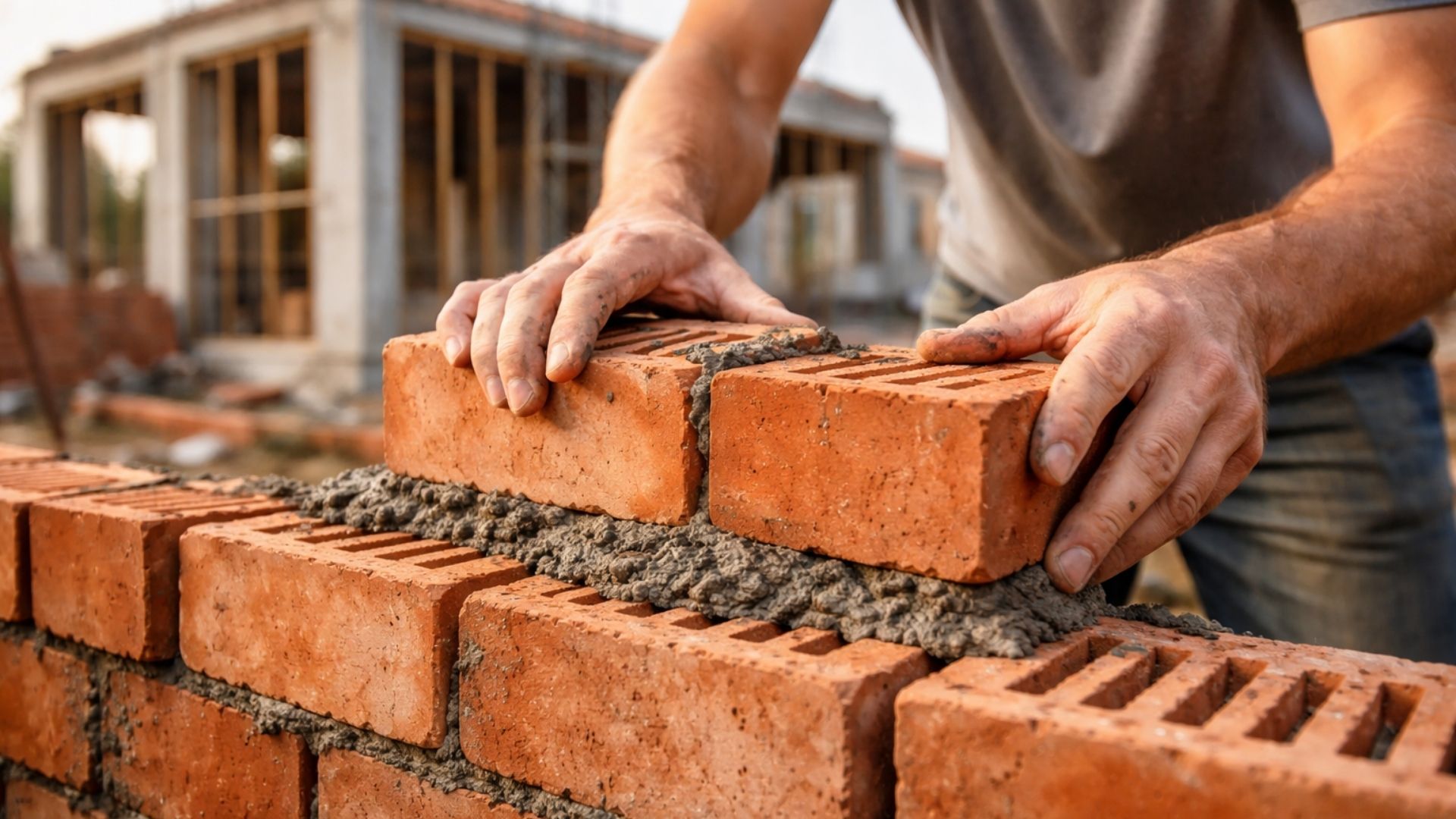
‘Interlocking brick’ made of earth arrives in the construction industry with cost reductions of up to 40% on the project.
-
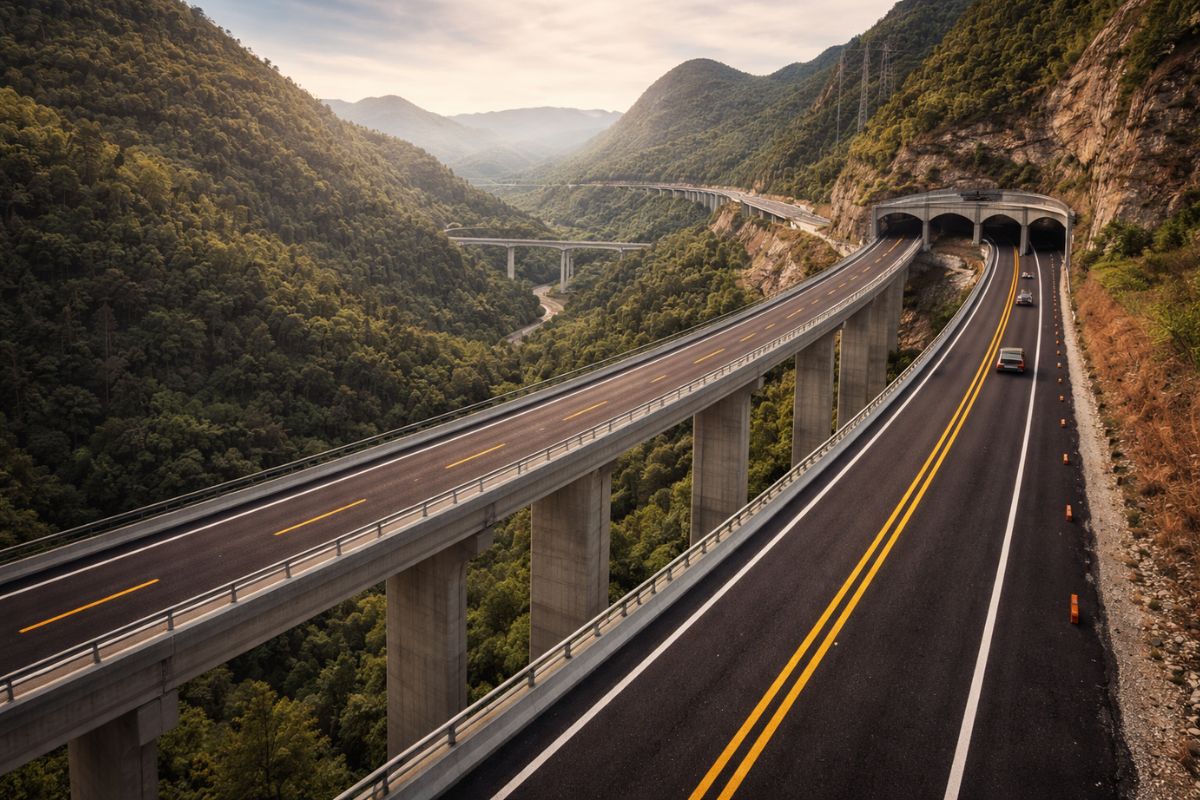
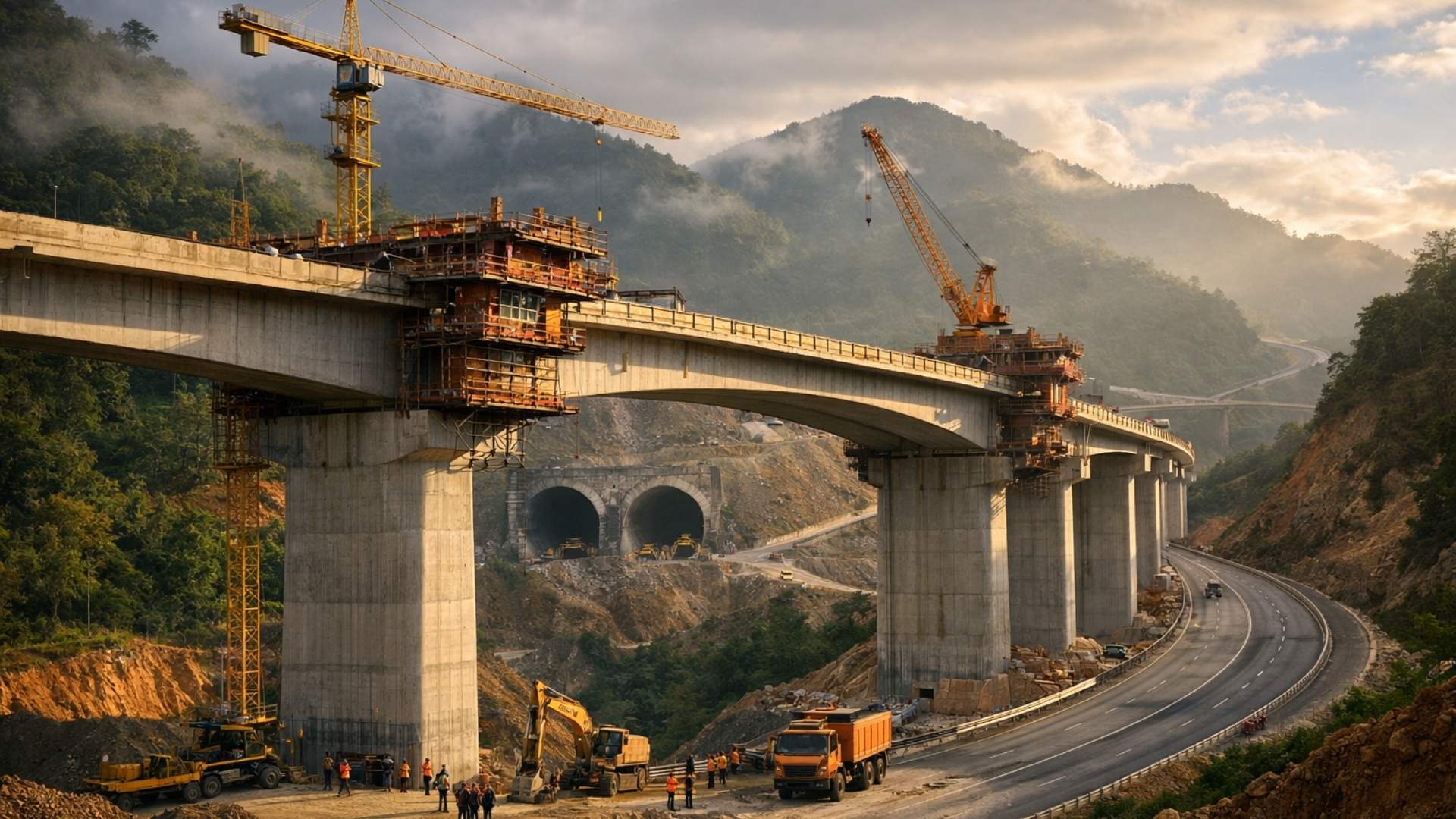
Espírito Santo will receive the largest engineering project in its history with the duplication of BR 262, which will have 50 viaducts, 28 bridges, and 2-kilometer tunnels cutting through the most challenging mountainous region of the entire state.
-
A project of nearly 9 million reais already has the first kilometer paved in Santa Catarina and promises to completely transform the access between Jaraguá do Sul and Rio dos Cedros in an area where tourism is growing at a rapid pace.

-
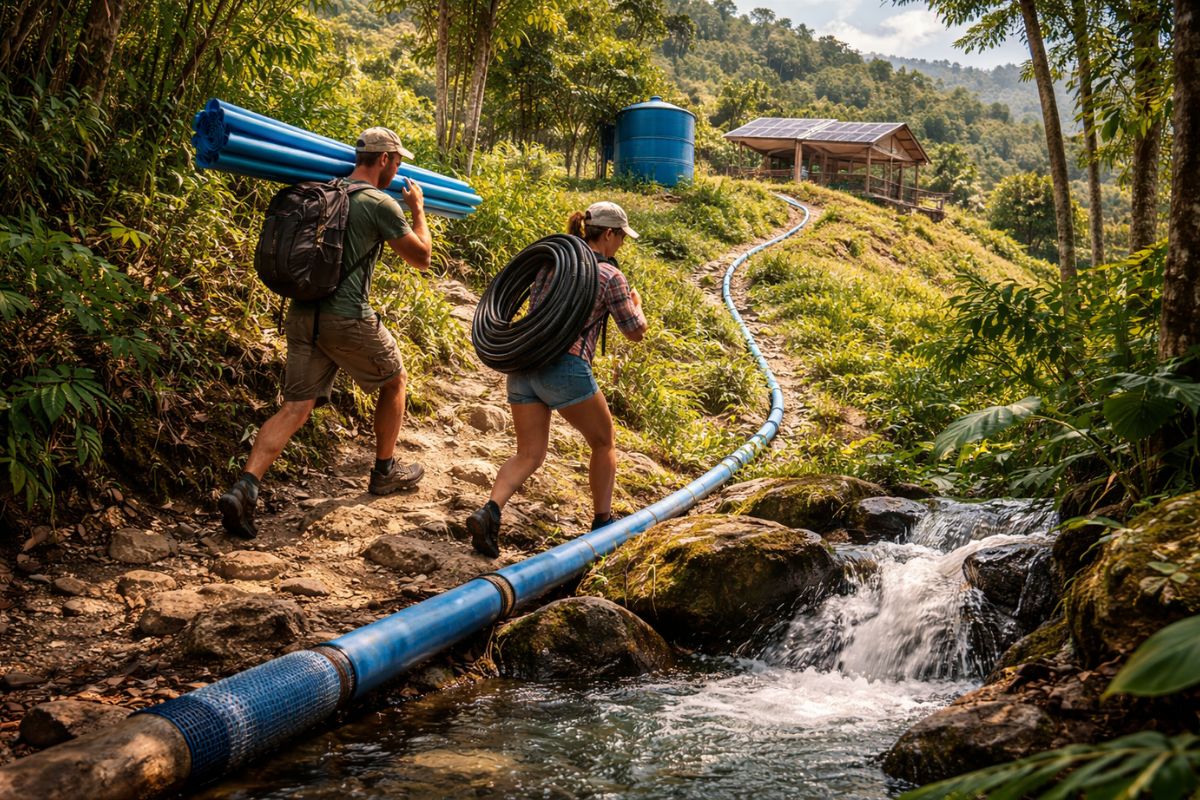
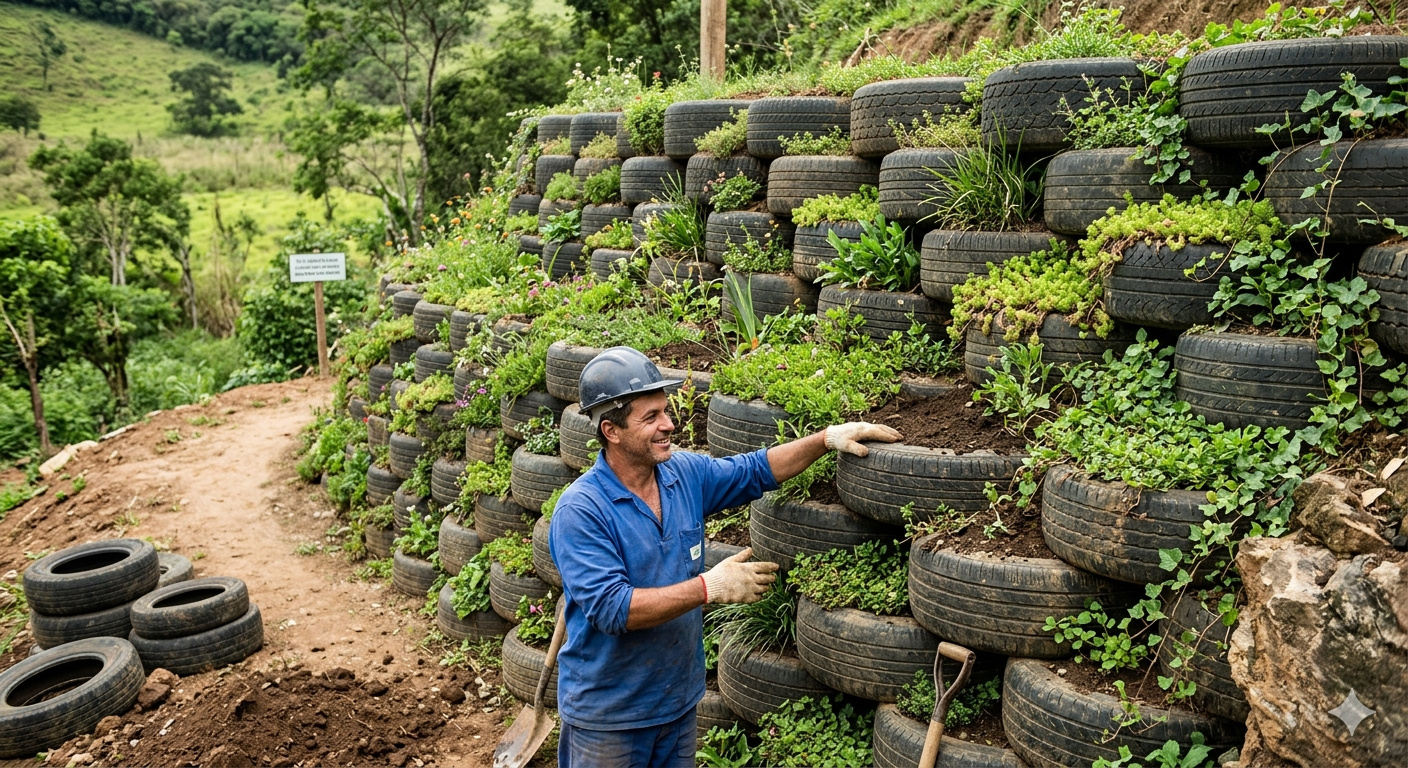
A couple builds a system to bring water from the spring to their land, climbs a hill with materials on their backs, and creates a simple, cheap, and sustainable solution to ensure their own water supply.

“CBMM has always been a developer of new materials and applications. And, looking to the future, it has started investing in the modernization and diversification of niobium applications through special alloys. Electrification, for example, is one of the uses that has most impacted and will continue to impact the business, which is why it is fundamental to our growth strategy,” he explains.
In the mobility sector, there are investments in technologies for electric batteries and other advanced materials for the automotive segment, for example. Furthermore, the company is developing new technologies with niobium and graphene oxides, elements that have great synergy in applications for this segment.
“But the applications don’t stop there. Niobium is also a relevant metal for global energy transition, contributing to the construction of smarter cities, being a fundamental element for alternative energy sources,” he adds.
In the niobium market for over 60 years, CBMM has more than 400 clients in Brazil and worldwide, and 90% of its revenue currently comes from the steel industry. The other 10% comes from applications in special alloys, such as aerospace, medical industry, and electronics, highlights Reuters.
Brazil Opens First and Largest Graphene Production Factory in South America, Capable of Producing Up to 5000 Kg Per Year, Which, Along with Niobium, Will Revolutionize Humanity’s Future
The inauguration of the first and largest industrial-scale graphene production factory in South America, which took place on July 9, was attended by the President of the Republic, Jair Bolsonaro, the Chief Minister of the Civil House, Luiz Eduardo Ramos, and the Minister of Science, Technology, and Innovations, Marcos Pontes. The unit will have the capacity to produce up to five thousand kilograms of high-quality graphene per year.
In his speech, President Jair Bolsonaro highlighted Brazil’s potential: “We have a blessed homeland. Looking back at the periodic table, we have all the elements here in Brazil. Including those that are rare. We have about 1/3 of graphite reserves in various states. We have approximately 97% of niobium, which, when combined with graphene, will truly revolutionize humanity’s future,” he said. Check out the video below


About the Material Recognized Worldwide for Its Incredible Physical Properties
Graphene is a material recognized worldwide for its incredible physical properties, such as high mechanical strength, lightweight, malleability, and high thermal and electrical conductivity. Brazil is the third-largest global supplier of graphite mineral and has the second-largest global reserve of this material, which is the primary raw material for graphene. It is estimated that this market will move over 3 billion dollars in 5 years.
Among the products using this raw material are: bulletproof vests, anti-corrosive paints, self-cleaning and antibacterial materials, fabrics, helmets for motorcyclists, rebar for construction, batteries, among others.
The Civil House monitors policies for advanced materials to promote the harmonization and regulation of this topic with various sectoral actions conducted by other ministries.






Seja o primeiro a reagir!