





 English
  Francês
  Alemão
  Italiano
  Japonês
  Norueguês
  Portuguese
  Spanish
  4 min of reading


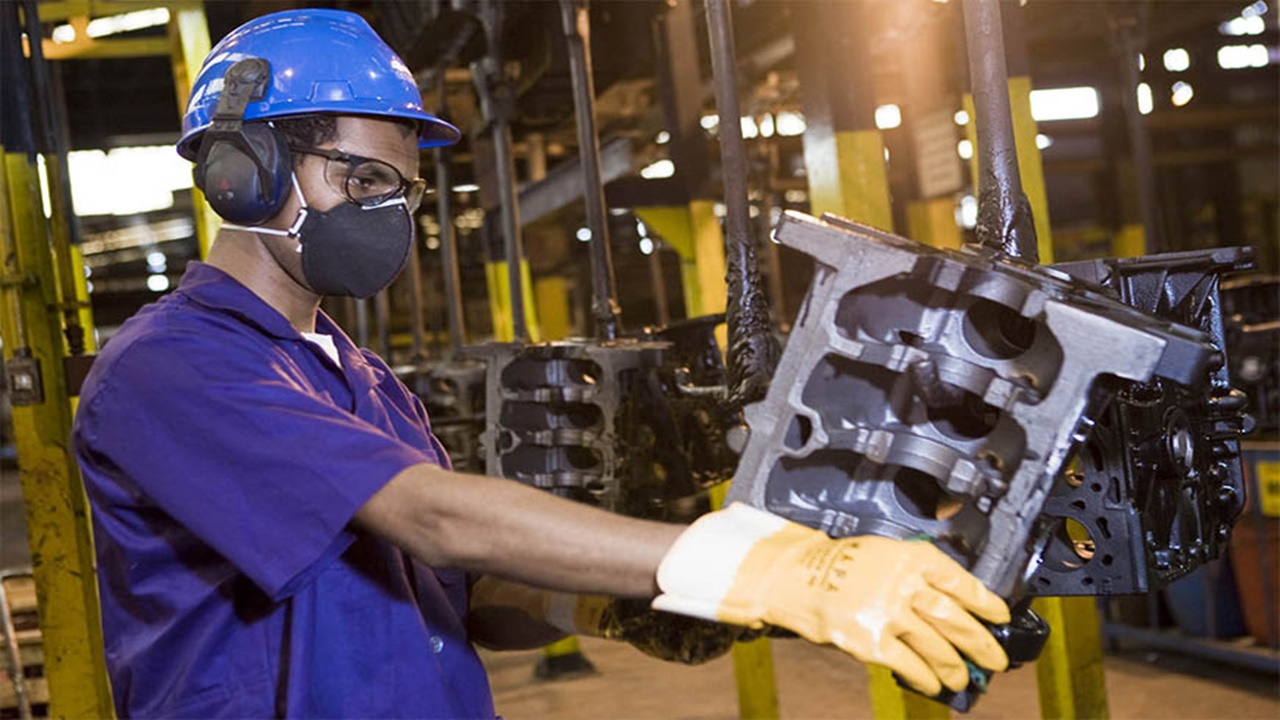
Three Global Giants Form Partnership for Construction of the Most Efficient Hydrogen Internal Combustion Engine in the World, Promising to Revolutionize Renewable Energy with Carbon-Free Transport Solutions at Viable Costs
Tupy, a world leader in casting and machining of highly complex metallurgical structural components; Westport Fuel Systems, a global leader in alternative fuels and low-emission transportation technologies; and AVL List GmbH, the world’s largest independent company for development, simulation, and testing in the automotive industry, announced today a collaboration agreement for the development of a highly efficient internal combustion engine (ICE) powered by hydrogen (H2) for cargo transport. The partnership aims to combine highly complex materials, casting technologies, and the latest H2 ICE technology, using high-pressure direct injection (HPDITM).
Read Also
- Diesel, Gasoline, and GLP Prices Surge Again, Impacting Truck Drivers and Millions of Brazilians Suffering from Disproportionate Increases Relative to Current Income
- Ceará Will Have the Largest Green Hydrogen Plant in the World, Becoming a Global Player in Production, Storage, Distribution, and Export of H2V, Generating Thousands of Jobs in the State
- Bosch, Nissan, and Volkswagen Bet on Technology That Obtains Hydrogen from Ethanol; This Fuel Will Revolutionize the Automobile Industry Worldwide
- Job Openings for Candidates of Both Sexes with High School and College Education Opened by IME; Salaries of Up to R$ 8 Thousand
- Labor Shortage for Job Openings in the United States as the World’s Greatest Power Invites Brazilians to Work
- Energy Recovery Plants Significantly Reduce Greenhouse Gas Emissions and Will Help Brazil Stop Emitting 48 Million Tons of CO2 Per Year
Hydrogen is a promising energy alternative for cargo transport applications. Besides being carbon neutral, it has the potential for quick refueling and can be used to power fuel cells and ICEs. Although both are carbon neutral, hydrogen ICEs allow the use of existing technological bases. Powertrain efficiency will be a key factor in ensuring the affordable cost of this type of solution for bus and truck engines.
In order to increase efficiency in the engine and therefore improve fuel consumption of current hydrogen ICEs, Tupy, Westport, and AVL will jointly work on the development of an HPDI H2-ICE. To handle high pressure peaks, superior casting and machining materials and technologies are required. AVL successfully completed the development of the AVL Hydrogen Engine in collaboration with Graz University of Technology earlier this year, while Westport also previously demonstrated successful ICE tests for heavy vehicles using H2 with HPDI. The first results from this co-development between AVL, TUPY, and Westport are expected by early 2022.
-
‘Interlocking brick’ made of earth arrives in the construction industry with cost reductions of up to 40% on the project.

-
Espírito Santo will receive the largest engineering project in its history with the duplication of BR 262, which will have 50 viaducts, 28 bridges, and 2-kilometer tunnels cutting through the most challenging mountainous region of the entire state.

-
A project of nearly 9 million reais already has the first kilometer paved in Santa Catarina and promises to completely transform the access between Jaraguá do Sul and Rio dos Cedros in an area where tourism is growing at a rapid pace.

-
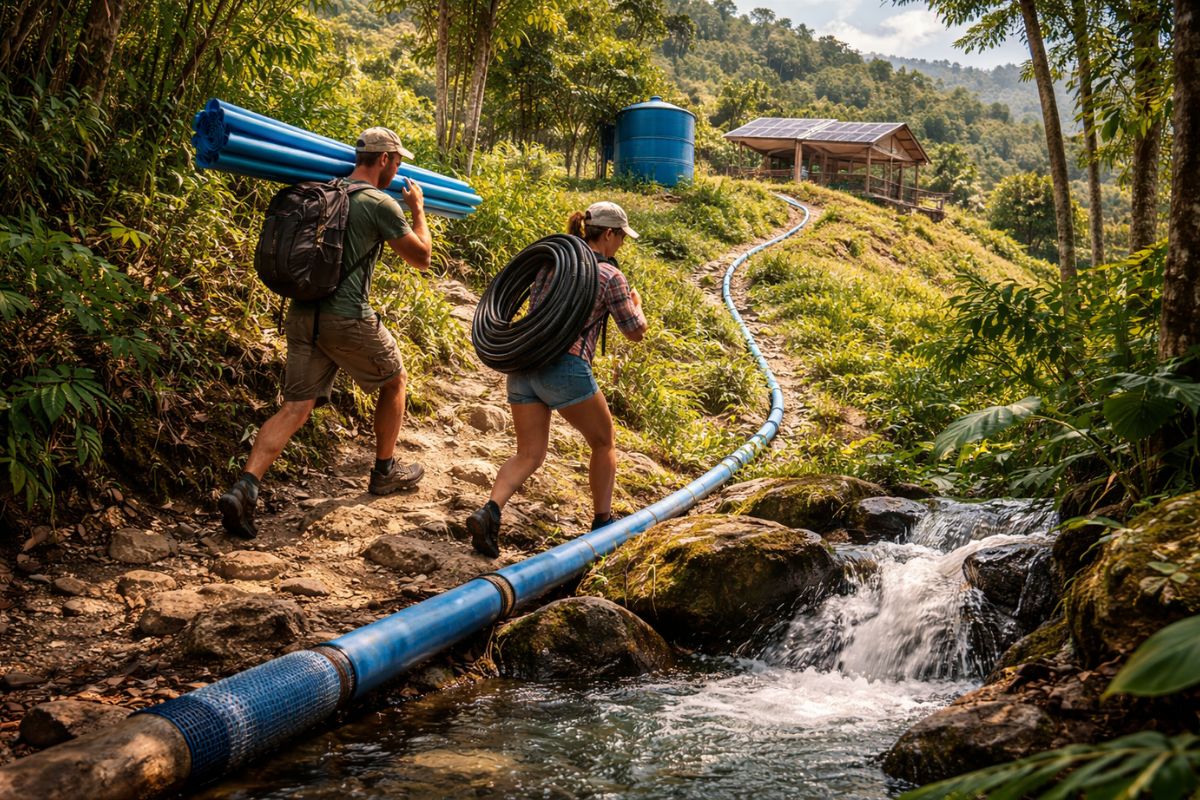
A couple builds a system to bring water from the spring to their land, climbs a hill with materials on their backs, and creates a simple, cheap, and sustainable solution to ensure their own water supply.

Construction of the Most Efficient Hydrogen Internal Combustion Engine in the World Promises to Revolutionize Renewable Energy with Carbon-Free Transport Solutions
“We believe that our technical knowledge and collaboration with customers and universities enable us to play an important role in the decarbonization process. We are studying new materials, geometries, and machining aimed at improving the performance of new low-carbon alternative fuels. In this quest for a carbon-free and economically viable transport solution, partnering with companies like AVL and Westport is rewarding,” says Fernando de Rizzo, CEO of Tupy.
“HPDI hydrogen offers automakers a fast and economical path to carbon-neutral technology without compromising performance,” says David M. Johnson, CEO of Westport Fuel Systems. “Our collaboration with AVL and TUPY aims to demonstrate that an H2 HPDI solution can meet the performance and efficiency requirements demanded by the market, leveraging billions already invested in manufacturing and engine development and existing infrastructure developed over the last century. Currently, the HPDI solution is already used in thousands of trucks, reducing and/or nearly eliminating greenhouse gas emissions based on a proven technology platform.”
“Our experts are actively working on carbon-neutral solutions that could be on the market by 2025 – among them, the hydrogen ICE. The rapid introduction of this technology will help accelerate the development of hydrogen refueling infrastructure. With our experience in the latest ICE technology, Tupy’s expertise in materials and casting, and Westport’s superior fuel system technologies, we hope to achieve exceptional energy density and efficiency levels, with competitive total ownership costs,” concludes Rolf Dreisbach, Executive Vice President of Trucks and Buses at AVL.
Hydrogen Gas Combustion Turbines and Biodiesel for Solar Backup at Siemens Energy Plant Promise to Revolutionize Renewable Energy Generation Worldwide
Siemens Energy announced on June 17th that it will supply two SGT6-5000F turbines to power the new Turtle Creek Peak Power Plant in Papillion, Nebraska. The simple cycle turbine installation will be used to modernize backup generation at the OPPD fleet, meaning that the plant will only operate as necessary to provide a resilient and reliable electricity source for the community.
The Siemens Energy turbines have the capability to operate with up to 30% hydrogen and biodiesel in support of future technological advances. They also offer quick start-up times and low emissions while helping to stabilize the transmission system rapidly to adjust for variable solar generation.
The Siemens Energy gas combustion turbines can help gradually and flexibly decarbonize operations, allowing hydrogen produced without CO2 to reduce the emissions to be mixed with the fuel mix to meet the environmental and regulatory needs of the market.









Seja o primeiro a reagir!