





 Portuguese
  English
  Spanish
 4 min of reading
  0 comments


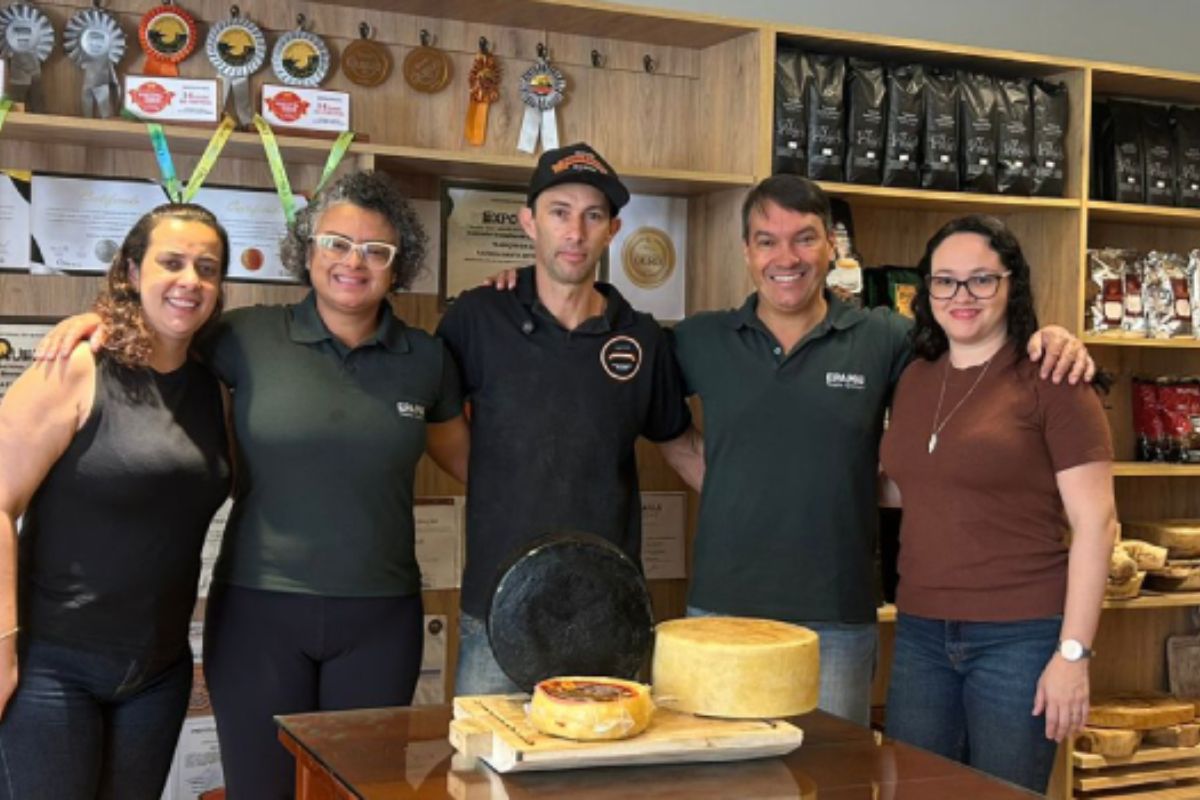
With the Support of Epamig, A Miner Producer Achieved Recognition at the World Cheese Awards in France by Improving Milk Quality and Maturation. The Producer Training Project Expanded Technical Control, Including Somatic Cell Count and Physicochemical Analysis. Scientific Initiatives Bring Together Rural Tradition and Innovation
The World Cheese Awards in France established the name of Fazenda Santo Antônio, in Alagoa, Southern Minas Gerais, as a reference among the artisanal cheeses of Minas Gerais, according to a article published.
The producer Marcos Vinícius Mendes won a Brazilian gold medal and two silver medals at the seventh edition of the World Cheese and Dairy Expo in Tours, France.
The traditional cheese, with 60 days of maturation, achieved a perfect score of one hundred points, the highest score ever received by a Brazilian in the history of the competition. The cheeses Capa Preta and Defumado, also with two months of maturation, earned the silver medals.
-
Brazil has just secured a secret route through Turkey to save agribusiness exports that were threatened by the closure of the Strait of Hormuz amid violent clashes in the Middle East.

-
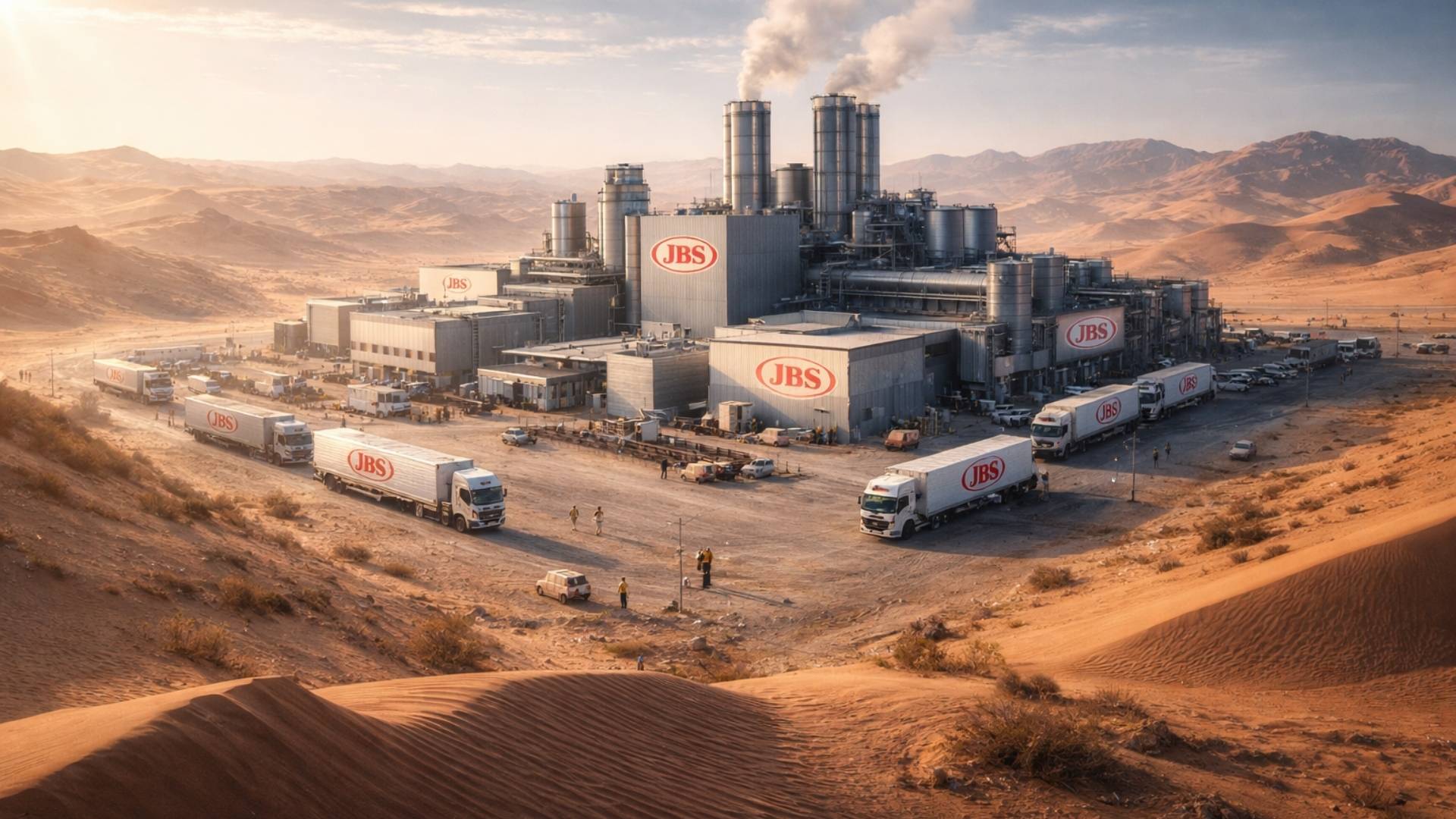
JBS, founded by the Batista brothers, continues to conquer the world: the entrepreneurs built a ‘factory in the desert’ with 3,000 jobs.
-
With only 1% of Brazilian territory, Santa Catarina has built one of the most competitive industrial parks in the country with 64,000 companies, nearly 1 million jobs, and a growth of 5.3% while the national industry is practically stagnant.

-
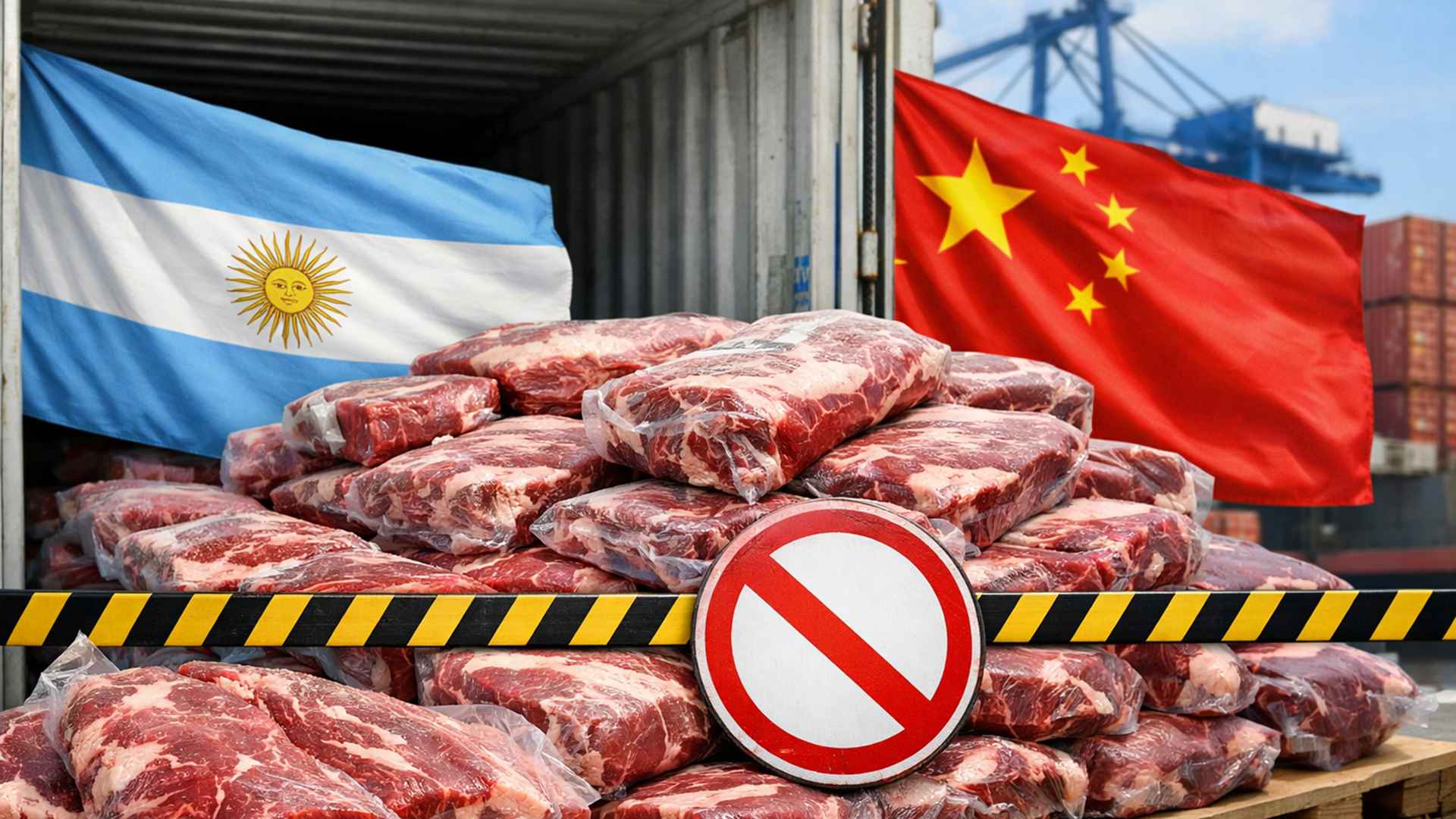
China banned the export of 22 tons of meat from Argentina.

The result is a direct reflection of a producer training project conducted by Epamig, Fapemig, and ILCT, which monitors quality and encourages improvements based on physicochemical analyses of milk and somatic cell counts.
Since 2022, the project “Monitoring the Quality of Artisanal Cheeses from Minas Gerais and Training Technicians and Producers Aiming at Value Addition and Competitiveness” has been following 91 cheese producers in the regions of Mantiqueira, Ibitipoca, Alagoa, and Campo das Vertentes.
The goal is to increase the added value of artisanal cheeses from Minas Gerais and reinforce food safety standards.
Technicians analyze milk, cheese, starter culture, brine, and water, using parameters such as acidity, moisture, fat, and pH.
The samples help identify shortcomings in production and guide practical changes that result in more balanced, flavorful, and healthy cheeses.
Artisanal Cheeses from Minas Gerais and Advances in Rural Production
For Marcos Vinícius, who started producing at a young age, the arrival of Epamig transformed his routine.
The technical assistance highlighted the importance of somatic cell counts as an indicator of hygiene and herd health.
Reducing this number meant purer milk and more uniform maturation. Additionally, brine analysis became routine. “The test results improved, the color and flavor changed completely,” the producer reported.
These changes are practical examples of the impact of physicochemical analyses of milk within the Minas Gerais production chain.
Brazilian Gold Medal and International Recognition
The highlight of the traditional cheese, awarded with a perfect score of one hundred, was historic. This Brazilian gold medal symbolizes the meeting of countryside tradition and scientific knowledge.
The miner producer emphasizes that the training from Epamig, Senar-MG, and Emater-MG was fundamental.
Small adjustments in maturation temperatures, utensil hygiene, and curing directly influenced texture and aroma.
Extensionists taught how to turn details into competitive advantages. According to the project coordinator, researcher Junio de Paula, the awards prove that “it is possible to improve what is already good, with small changes in the process.”
Producer Training Project and Economic Impact
The producer training project conducted by ILCT and supported by Fapemig and Epamig reinforces the idea that innovation and research are the engines of the Minas Gerais agro-industrial sector.
In addition to international recognition, there are visible economic reflections: participating cheese producers report increased sales and greater acceptance of products at specialized fairs and markets.
The joint work between researchers and extensionists allows scientific knowledge to reach the small producer, who learns to value hygiene, thermal control, and physicochemical monitoring.
Physicochemical Analyses of Milk and Somatic Cell Count as Differentiators
At the Cândido Tostes Institute’s laboratory, physicochemical analyses of milk identify variations in fat, protein, and minerals, while somatic cell count guides immediate adjustments in milking and herd management.
These parameters become essential tools to ensure flavor stability and food safety.
The results from the World Championship prove that science and tradition, when aligned, elevate the reputation of artisanal cheeses from Minas Gerais and consolidate Brazil as a reference in the production of excellent cheeses.







Seja o primeiro a reagir!