





 English
  Francês
  Alemão
  Italiano
  Japonês
  Norueguês
  Portuguese
  Spanish
  3 min of reading



Israel-Hamas Conflict Drives Oil Prices Up Significantly on This Day 09
The instability in the Middle East has once again stirred international oil markets, with the conflict between Israel and the militant group Hamas directly impacting oil prices, according to Infomoney. The opening of the oil market this week saw significant increases, with the price of Brent crude oil rising by 3.74% to reach US$ 87.74, while WTI crude increased by 3.94%, reaching US$ 86.05. This rise could worsen further if the conflict threatens distribution routes through the Suez Canal, Sumed pipelines, and the Persian Gulf.
The Impact of Wars on Oil Prices
The history of conflicts in the Middle East, such as the war between Russia and Ukraine in 2022, demonstrates the direct influence of these situations on the oil market. During this period, the price of oil exceeded US$ 100 per barrel. The current trend is for prices to remain under pressure due to uncertainty surrounding the duration and extent of the conflict between Israel and Hamas, as this region plays a crucial role in the global oil sector.
Challenges and Perspectives for the Oil Market
Although the war in the Middle East has the potential to significantly impact oil prices, it is worth noting that the current situation is very different from the crisis of 1973. At that time, conflicts between Israel and its Arab neighbors led to oil embargoes, tripling prices. Today, actions are being taken more cautiously, and the market has a much more abundant oil supply than five decades ago.
-
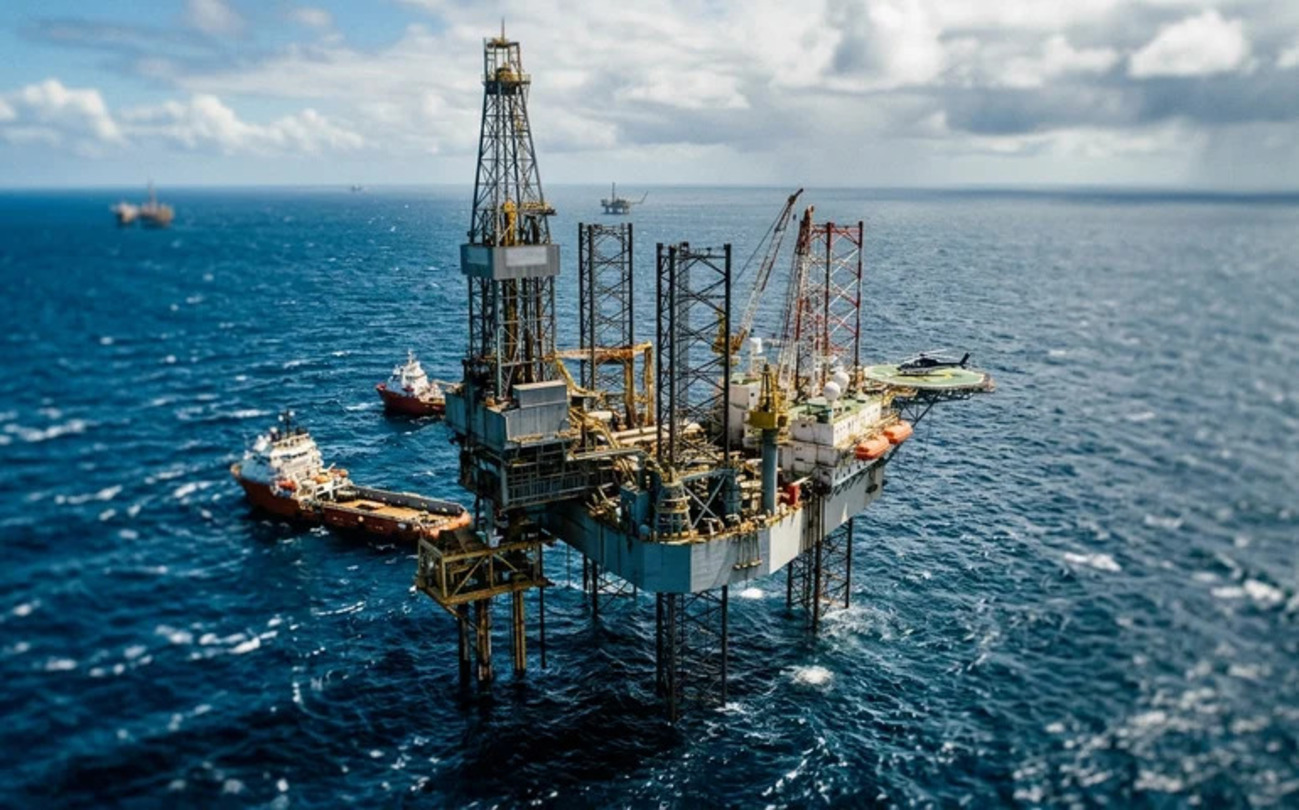
Brazilian giant expands borders in the Southeast: Petrobras confirms new oil discovery in ultra-deep waters in the pre-salt of the Campos Basin.
-
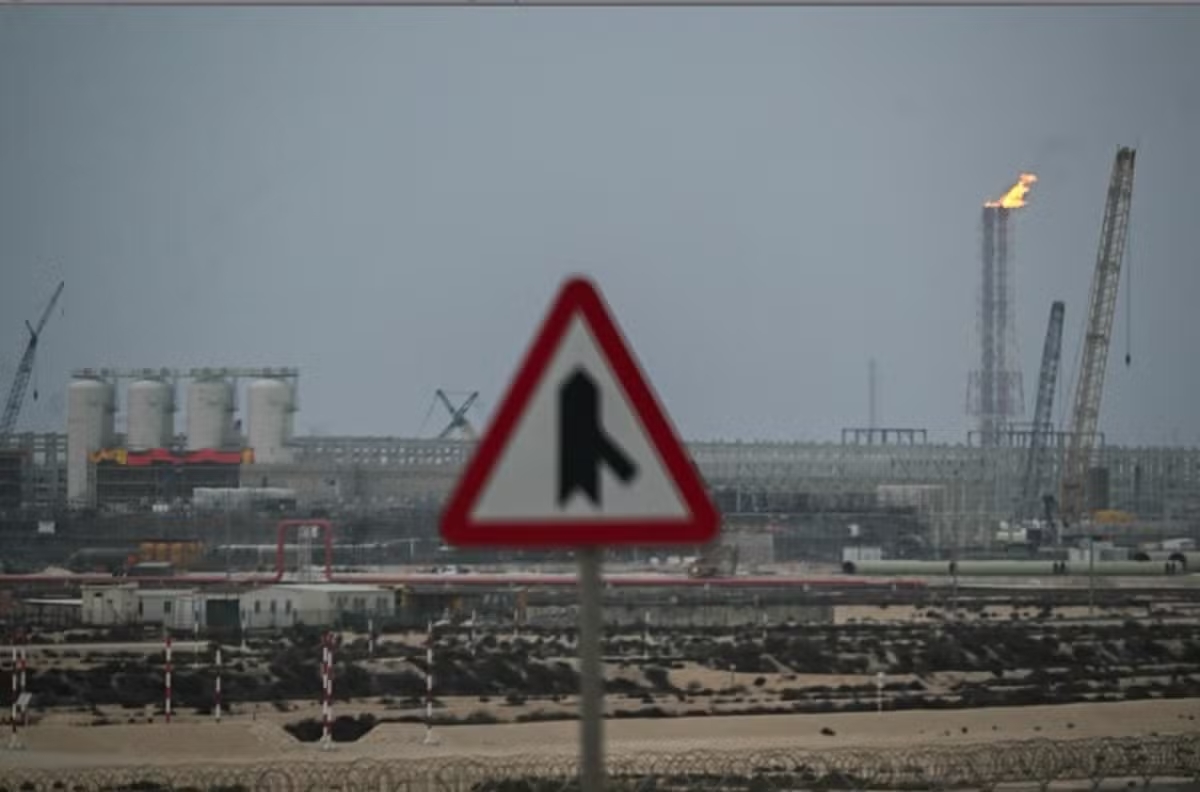
Alert in the global energy market: Severe tropical cyclone hits the coast and disrupts gas production at major plants in Australia, threatening global supply.
-
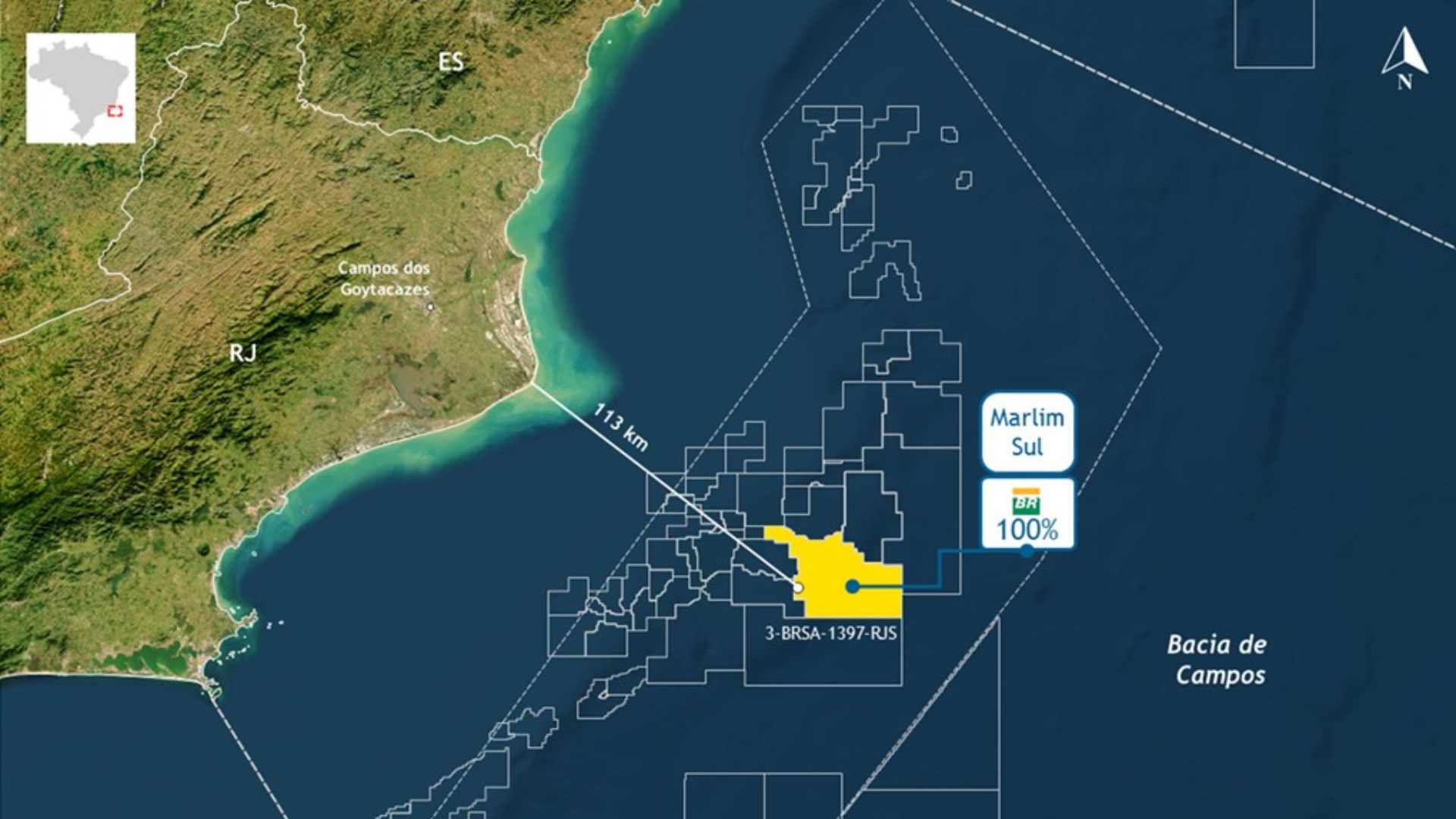
Petrobras finds high-quality oil in the pre-salt at 113 km from RJ and reignites expectations about strategic reserves in the Campos Basin.

-
Ocyan opens registrations for startups focused on innovation in the oil and gas sector and will select projects for Innovation Day with the support of Nexio.


The stance of the United States and Saudi Arabia is also crucial. President Joe Biden expressed support for Israel, while Saudi Arabia, the world’s largest oil producer, aims to stabilize the market. However, international analysts predict temporary complications in the supply and demand of oil, especially if tensions escalate.
The war in Gaza has caused a direct impact on oil prices, generating concerns worldwide. Although the situation is unstable, current circumstances and decisions by major global powers indicate that the oil market may not face a crisis as severe as that of 1973. However, volatility will persist as long as the conflict continues, affecting oil prices and, consequently, fuel prices in various parts of the world.
Oil vs. Fuel Prices
Gasoline and diesel prices have already reached their highest levels of 2023, with predictions of further increases by the end of the year. According to experts, the trend is for these prices to remain under pressure, mainly due to events in the international scenario. The scarcity of oil supply has a direct impact on prices, following the basic law of the market: when there is less product available, prices tend to rise. With uncertainties related to China and wars, among other factors at play, some analysts have predicted that the price of oil could reach US$ 100 per barrel by the end of this year.








Seja o primeiro a reagir!