





 Portuguese
  English
  Spanish
 3 min of reading
  1 comment


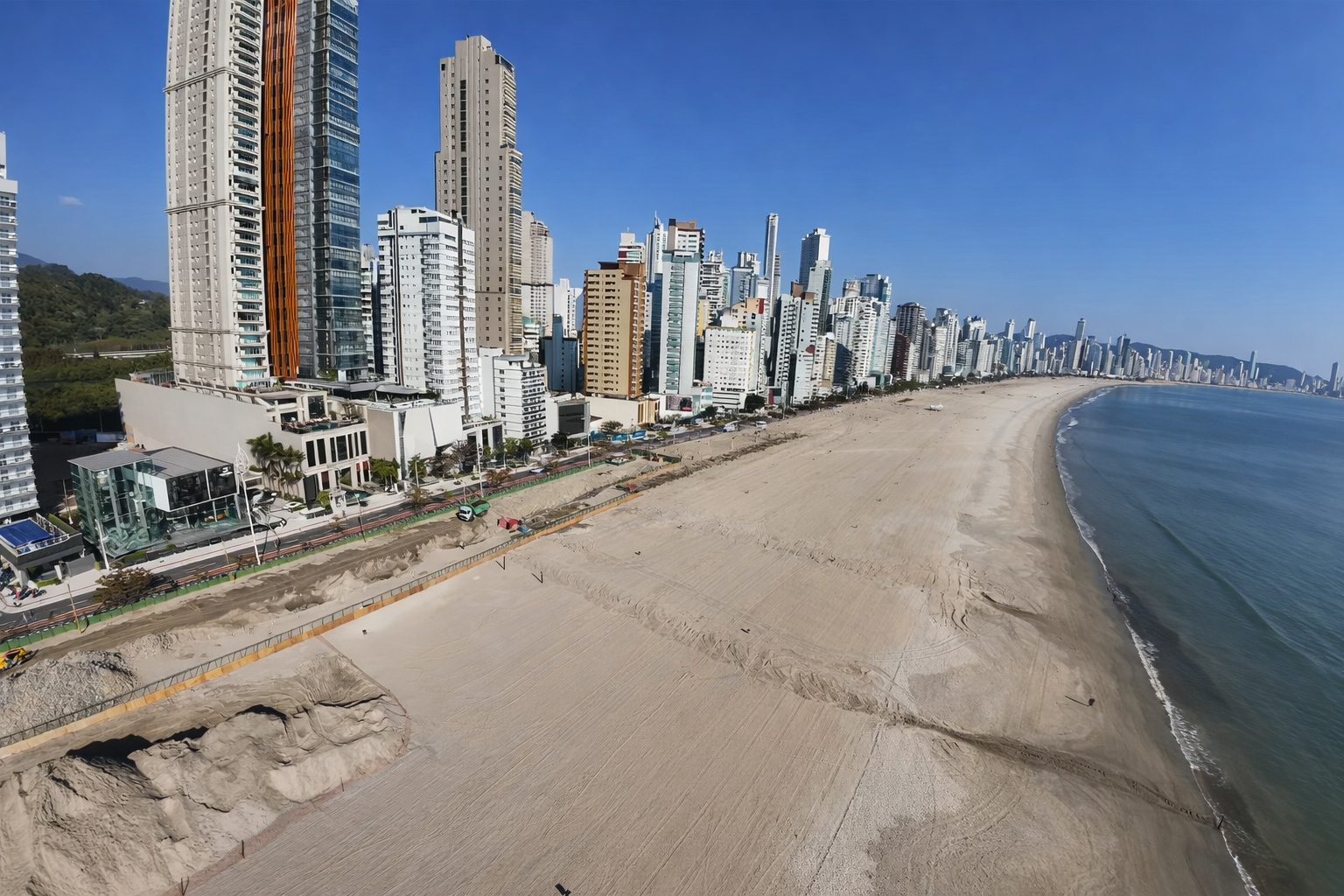


Technical Project Bets on Buried Coastal Engineering to Protect the Beach in Santa Catarina, Ensure Urban Safety, and Maintain the Balance Between Tourism, High-End Real Estate, and Environmental Preservation
A highly relevant environmental and economic urban intervention was recently authorized in Balneário Camboriú, attracting national attention.
The city hall approved the construction of a subterranean containment wall under the Central Beach, aimed at stopping the advance of the sea and reducing coastal erosion.
The initiative arises, above all, as a technical response to the impacts recorded after the widening of the beach completed in 2021.
Since then, recurring episodes of high tide and swells have caused flooding and soil instability, requiring a long-term structural solution.
Technical Project Defines Buried and Invisible Structure on the Beach
The proposal establishes that the wall will be entirely buried under the sand, with no visual impact for residents or tourists.
According to technical parameters adopted by the municipality, the structure will be approximately two meters deep.
Additionally, reinforced concrete and stone base will be used, chosen for their high resistance to saltwater.
In this way, the containment acts directly against the infiltration of tides while preserving the seaside landscape.
Swells After 2021 Accelerated the Adoption of a Structural Solution
After the widening work was completed in 2021, the behavior of the sea showed more intense effects during periods of swell.
As a result, puddles, ditches, and waterlogged areas became frequent, especially in sections close to the boardwalk.
In light of the increase of these episodes throughout 2022, 2023, and 2024, the city hall decided to move forward with a definitive solution.
Thus, the subterranean wall was chosen as an alternative capable of protecting the urban space, tourism, and high-end real estate in the region.
-
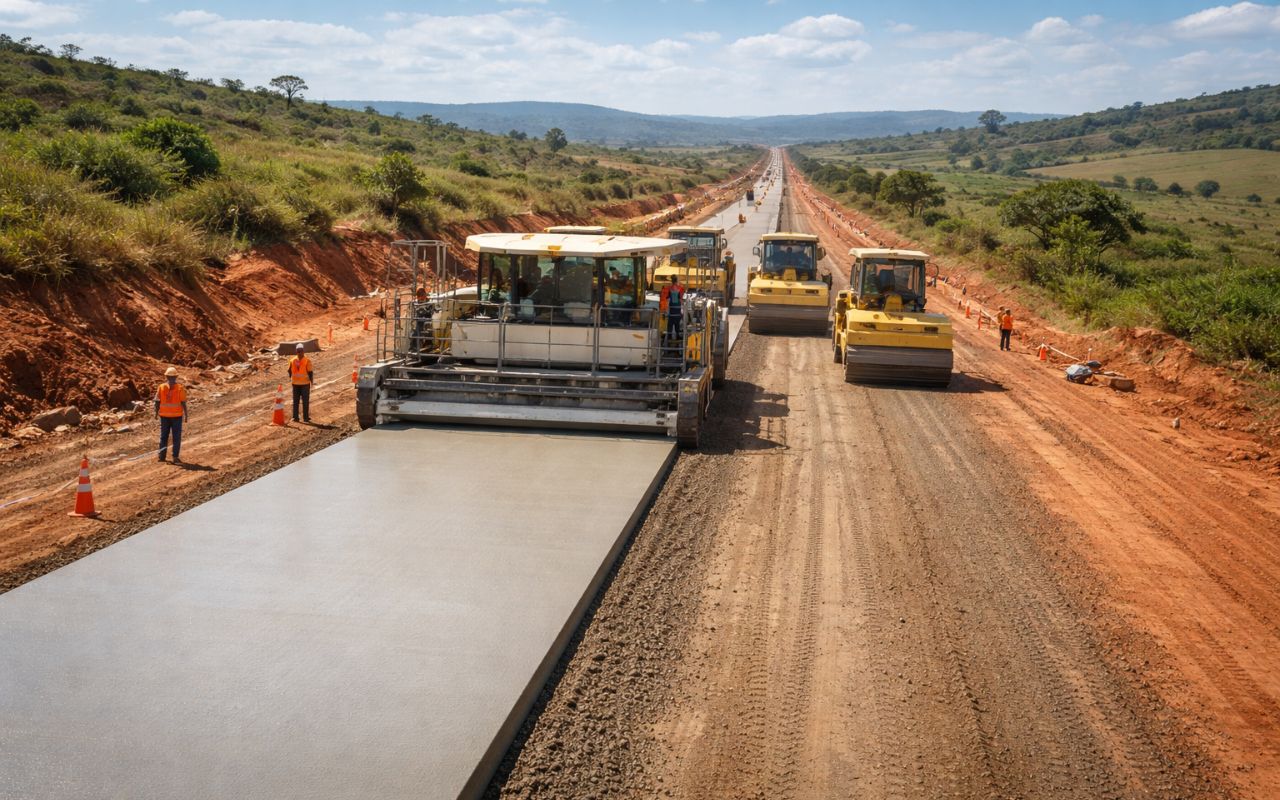
New CCR concrete paving technology promises roads up to 3x more durable, less maintenance, and cost reduction in Brazil.
-
Made from recycled plastic, plastic wood is gaining space in the construction industry because it does not rot, resists moisture, and reduces maintenance costs over the years.

-
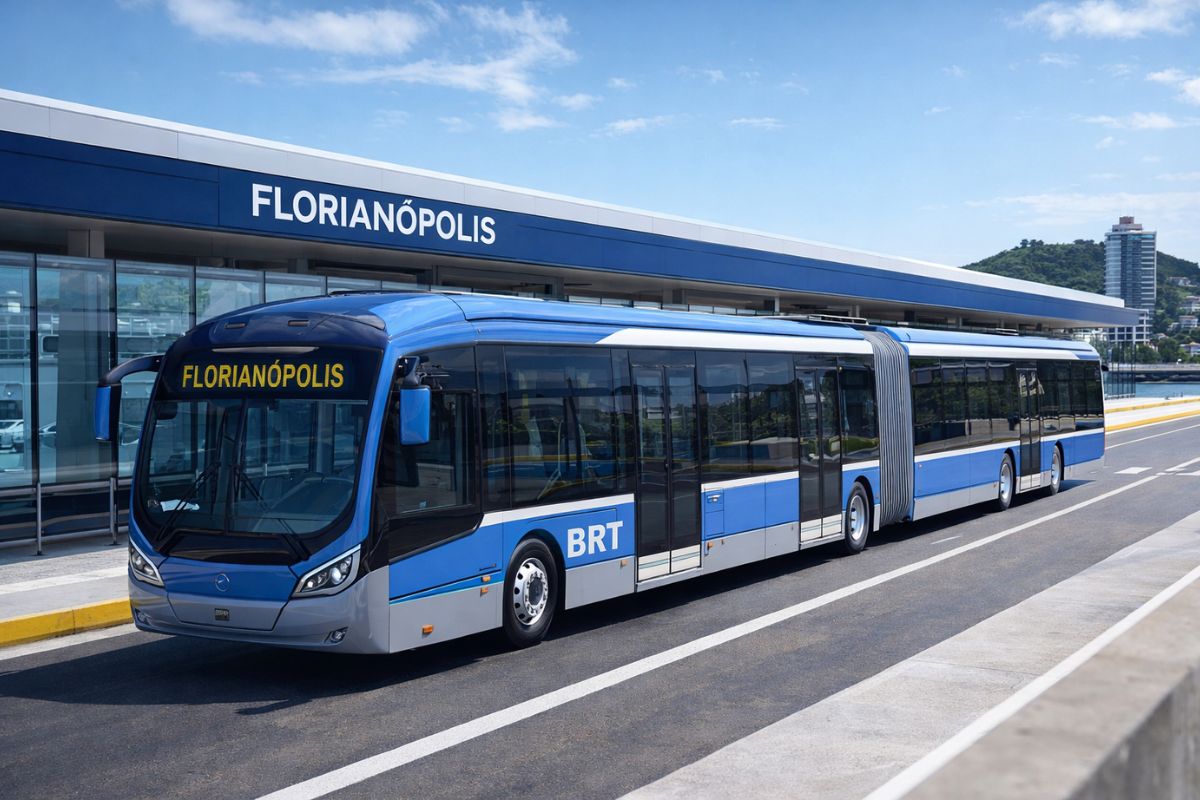
Florianópolis will receive a million-dollar BRT that will begin construction in 2026 with nearly 400 million in funding from the federal government and the Inter-American Development Bank, and the map already shows the routes for the exclusive bus corridors.
-
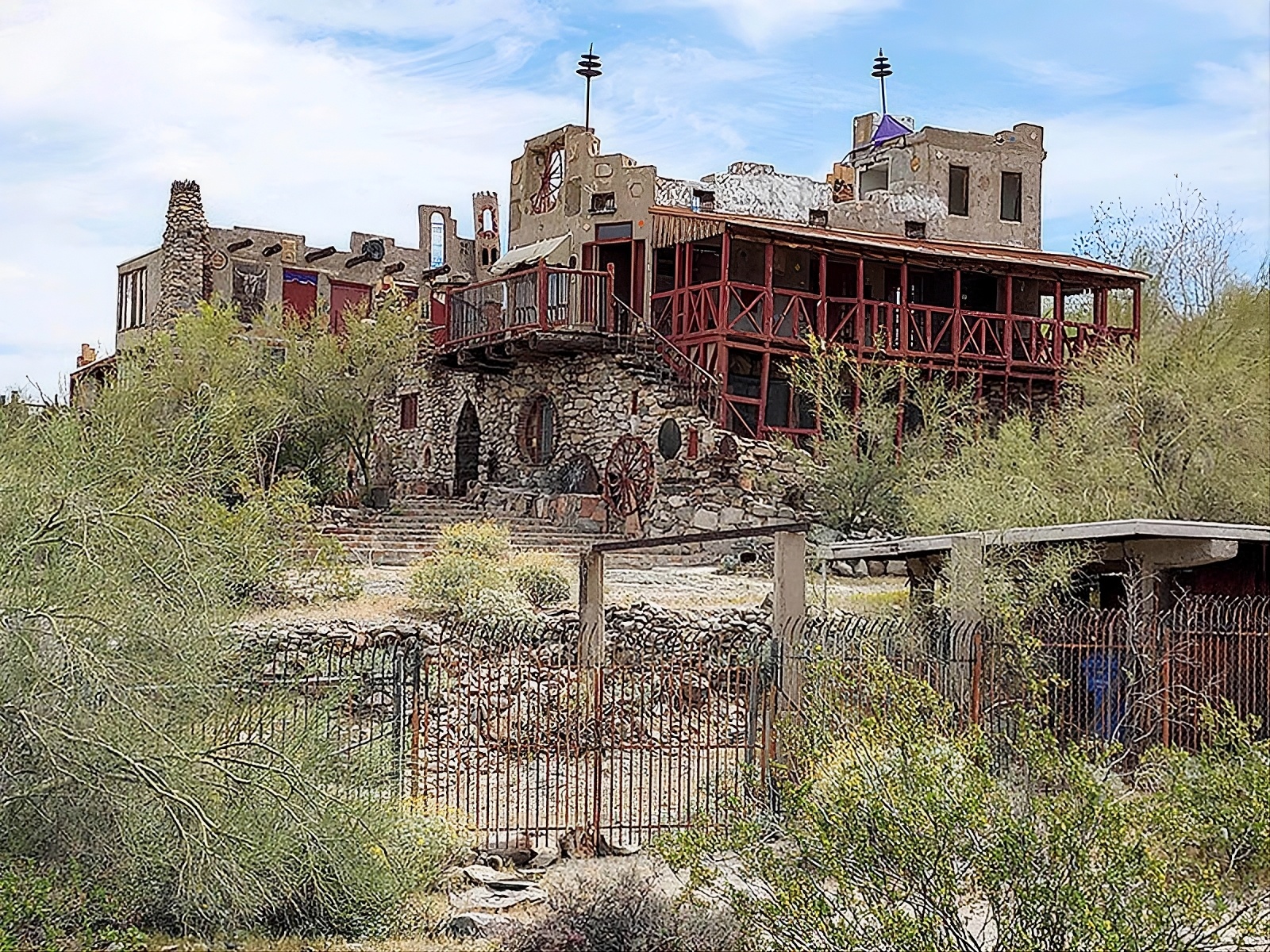
Without a blueprint, without an engineer, and using scrap from the dump, a father spends 15 years building an 18-room castle for his daughter, featuring tram tracks, 13 fireplaces, and over 700 m², which may now be demolished.

The Work Integrates Seaside Reurbanization and Climate Adaptation Strategy
Besides the function of maritime containment, the work is part of a broader seaside reurbanization project.
The plan includes improvements to the boardwalk, bicycle paths, leisure areas, public lighting, and landscaping.
According to the City Hall of Balneário Camboriú, the intervention seeks long-term safety in light of the rising sea levels associated with global climate change.
Thus, the proposal combines coastal engineering, urban enhancement, and environmental protection.
Central Beach Sustains Tourism, Real Estate Market, and Local Economy
Currently, Balneário Camboriú is recognized as one of the most luxurious cities in Brazil, concentrating some of the tallest residential buildings in Latin America.
During the high season, the floating population exceeds one million people, putting pressure on infrastructure and services.
Therefore, the preservation of Central Beach is considered strategic for tourism, the real estate market, and municipal revenue.
Any significant reduction of the beach could, therefore, have direct impacts on property values and the local economy.
Coastal Adaptation Advances, but Does Not Replace Environmental Policies
Coastal management experts emphasize that containment works do not replace long-term environmental policies.
Still, they function as adaptation measures in the face of an increasingly challenging climate scenario.
With the subterranean wall, Balneário Camboriú bets on technical planning, urban engineering, and environmental prevention to protect its main landmark.
To what extent should coastal cities invest in large adaptation works to ensure urban development without compromising environmental futures?









This is utter nonsense.